Storytelling to Combat Vaccine Hesitancy in Africa: Building Trust Through Narrative

IN A NUTSHELL
Author's note
 

Storytelling is a vital tool for overcoming vaccine hesitancy in Africa. It builds trust, helps people understand, and connects through shared culture. This approach creates messages that resonate deeply.

This article will show how smart storytelling can fight vaccine hesitancy across Africa. It helps build more faith in vaccines and makes communities healthier.

By Kirubel Workiye Gebretsadik

Medical Doctor, Ras Desta Damtew Memorial Hospital

Addis Ababa, Ethiopia

By the same Author on PEAH: see HERE

Storytelling to Combat Vaccine Hesitancy in Africa

Building Trust Through Narrative


Vaccine hesitancy remains a big problem around the world. In Africa, this challenge gets even trickier. Old hurts, limited health systems, and many different cultures make things complex. People often have good reasons for their doubts, rooted in their history and daily lives.

This is where storytelling comes in. It’s a strong tool that fits well with African cultures. Stories can reach emotions, help people understand each other, and share important facts in a way folks remember. They build bridges where plain facts might not.

Understanding the Roots of Vaccine Hesitancy in Africa

Many factors cause people to hesitate about vaccines. Looking at these reasons helps us create better ways to talk about health.

Historical Context and Mistrust

For years, people in many African countries have been wary of outside medical help. This is often due to past events.

Legacy of Colonialism and Exploitation

Some medical tests or treatments were done in Africa long ago without real permission. They felt like tools of control, not help. This history leaves a long shadow, making people question new health programs today. They remember times when trust was broken.

Perceptions of Western Medicine vs. Traditional Healing

Many people in Africa trust their traditional healers and old ways of medicine. These practices are part of their culture and beliefs. Sometimes, western medicine, like vaccines, seems to go against these trusted methods. This can make people choose traditional healing over new medical advice.

Socio-Cultural and Economic Factors

Beyond history, daily life and community ties also shape how people feel about vaccines. Money, social circles, and false information play a big role.

Community Beliefs and Social Networks

Your friends, family, and church leaders can really sway your health choices. If people you respect doubt vaccines, you might too. Religious leaders or village elders’ opinions hold a lot of weight. Peer pressure, good or bad, is a powerful force in communities.

Impact of Misinformation and Disinformation

False news spreads fast today. Bad info, made-up stories, and crazy ideas about vaccines fly around online and by word-of-mouth. In places where internet access is new or reading skills are lower, these untrue tales get believed more easily. They can really scare people away from vaccinations.

Economic and Access Barriers

Sometimes, people want vaccines but can’t get them. The trip to a clinic might cost too much money. Taking time off work to get a shot means losing wages. Some clinics are just too far away. These real-life problems can stop people from getting vaccinated, even if they aren’t against it.
The Power of Narrative: Why Storytelling Works

Stories do more than just entertain. They touch our hearts and minds in special ways, making them perfect for health talks.

Emotional Resonance and Empathy

Stories pull at our feelings. They turn big, complex ideas like public health into something personal. When you hear a story, you can imagine yourself in someone else’s shoes.

Connecting with Personal Experiences

Stories from people who got very sick from preventable diseases hit hard. So do tales from families whose kids stayed healthy because of a vaccine. These real-life experiences make the benefits of vaccines clear and easy to grasp. They show the human side of health.

Building Trust Through Authenticity

Facts and official statements are good, but they don’t always build trust. Real stories, shared by real people, feel honest. They show what happened, not just what someone says should happen. This kind of honesty can build faith in vaccines more strongly than a stack of papers.

Cultural Relevance and Accessibility

For a long time, stories have been a key part of African cultures. This makes them a natural way to share health messages.

Leveraging Traditional Storytelling Formats

Many African cultures have rich oral traditions. They use proverbs, folktales, music, and plays to teach and share news. Using these familiar ways to talk about vaccines makes the message feel local and right. It makes health information feel like it belongs.

Translating Complex Science into Understandable Narratives

Science talk about vaccines can be hard to follow. Stories can break down these tough ideas. They turn safety facts and how vaccines work into simple tales. This helps everyone, no matter their schooling, understand why vaccines are important.

Effective Storytelling Strategies for Vaccine Confidence

Knowing stories work is one thing. Using them well is another. Here’s how to make stories truly effective.

Showcasing Personal Testimonials and Success Stories

Hearing from people who lived through it can change minds. Real-life examples are powerful.

Narratives of Recovered Patients

Imagine hearing from someone who almost died from polio, now walks with a limp, and wishes they had been vaccinated. Or someone who survived measles because they got their shots. These stories, like those from polio survivors, highlight what vaccines prevent. They show the terrible pain and lasting harm of these illnesses.

Testimonials from Healthcare Workers

Nurses and doctors see sick people every day. They know what vaccine-preventable diseases look like. When frontline health workers share their experiences, it carries a lot of weight. Their personal reasons for urging vaccination come from seeing real suffering.

Community Champions and Influencers

Local heroes matter. Stories from respected leaders, elders, religious figures, or local stars can sway whole communities. If someone people look up to champions vaccines, others are more likely to listen. They become the trusted voices for health.

Creative and Culturally Sensitive Content Creation

How stories are told makes a big difference. It’s about making them fit the local setting.

Utilizing Diverse Media Channels

Stories can come alive through radio plays, short movies, and community theater. Animated videos, podcasts, and social media posts can also spread messages far. The best way uses local languages, customs, and art styles. Local creators know best how to speak to their own people.

Storytelling with Data: Weaving Facts into Narratives

Don’t just list numbers. Put facts into stories to make them stronger. Instead of saying “vaccines prevented 70% of severe cases,” tell about Amina. Say, “Amina’s child was one of the many who avoided severe illness because of the vaccine.” This makes data feel real and personal.

Engaging Local Storytellers and Artists

The most real stories come from local talent. Partner with filmmakers, writers, musicians, and oral historians from the community. They ensure the stories feel true and speak directly to local hearts. This builds deep connections and lasting impact.

Addressing Specific Concerns Through Narrative

Stories can directly tackle common fears and wrong information. They can offer answers in a gentle, clear way.

Demystifying Vaccine Safety and Side Effects

Use stories to explain how vaccines are tested carefully. Share accounts of parents whose child had a mild fever after a shot, then was fine. Contrast this with a neighbor’s child who suffered greatly from a preventable illness. This helps people understand small, short-term side effects are normal and nothing like the real disease.

Countering Conspiracy Theories with Truthful Narratives

False stories about vaccines can be scary. Use true narratives to show how vaccines were made and helped many people. Share stories of communities thriving because of vaccines. This gentle truth can slowly chip away at the power of conspiracy theories.

Case Studies and Impactful Initiatives in Africa

Many places in Africa have already shown how powerful stories can be. We can learn from their success.

Successful Storytelling Campaigns

Real examples prove storytelling works.

Example 1: Polio Eradication Narratives in Nigeria/Northern Africa

In some parts of Nigeria, stories were key to fighting polio. Religious leaders and people who survived polio shared their tales. These stories helped calm fears and build trust, helping more children get the vaccine. They made a real difference in the fight against this terrible disease.

Example 2: COVID-19 Vaccine Confidence Campaigns Across Sub-Saharan Africa

During the COVID-19 pandemic, many African countries used stories to boost vaccine trust. Radio programs, community talks, and social media featured real people sharing why they got vaccinated. Campaigns like “Voices for Vaccines” highlighted personal reasons, helping others feel more confident about getting their shots.

Measuring the Effectiveness of Storytelling

How do we know if these stories are working? We need to look at the results.

Pre- and Post-Intervention Surveys

Before sharing stories, ask people about their vaccine knowledge and feelings. After the stories spread, ask them again. Seeing changes in their answers helps us understand if the stories made a difference. Did people learn more? Do they feel better about vaccines?

Tracking Vaccine Uptake Data

Look at how many people actually get vaccinated in areas where stories were shared. If vaccination rates go up after a campaign, it shows the stories probably helped. Connecting when stories are told to when more shots are given is important.

Qualitative Feedback and Community Engagement

Listen to what community members say. Ask them how the stories made them feel or what they learned. Their personal feedback and comments give us a clear picture of how stories changed their thoughts and actions about vaccines.
Conclusion

Storytelling is a vital tool for overcoming vaccine hesitancy in Africa. It builds trust, helps people understand, and connects through shared culture. This approach creates messages that resonate deeply.

Remember these key points: Stories are not just nice tales; they are strong tools for our minds. For stories to work, they must feel real and fit the local culture. The best results come from mixing personal accounts, expert views, and creative media. And always, investing in local storytellers makes a bigger, lasting impact.

We must keep finding new, story-based ways to build faith in vaccines. This will help every person in Africa achieve better health.

The Inequity Risks of AI When the Global Good Is Not the Goal

IN A NUTSHELL
  Author's Note  
 ...AI is already embedded in military targeting, financial speculation, energy grids, and global communications, amplifying vulnerabilities rather than solving them. This trajectory is likely to further concentrate power into the hands of a microscopic elite... 

...Without guardrails, we face a world where inequality could deepen from the current “one-per-thousand” plutocracy toward a “one-per-million” technocracy of ruling trillionaires, with the rest of humanity reduced to precarious dependence...

 By Juan Garay

Professor and Researcher in Ethics and Metrics of Health Equity (Spain, Mexico, Cuba, Brazil) 

The Inequity Risks of AI When the Global Good Is Not the Goal


On the road to so-called “superintelligence”, the worst of human instincts are paving a perverse way forward. Instead of prioritizing renewal, sustainability, and collaboration, the race for Artificial Intelligence is accelerating the already suicidal ambition of burning through finite resources. Current estimates suggest that AI training and operation may already add 10 gigatons of CO₂ annually by 2030 if current energy trajectories persist, rivaling the total emissions of the United States today (International Energy Agency). Most large language models require enormous data centers, with a single training run consuming as much electricity as several thousand households use in a year (Patterson et al.). And yet the narrative driving this frenzy is not planetary wellbeing, but geopolitics and profit—epitomized in claims that it is “crucial that America get there first.”

Greed and competition are thus fueling the way toward a system we are profoundly unprepared for. AI is already embedded in military targeting, financial speculation, energy grids, and global communications, amplifying vulnerabilities rather than solving them. This trajectory is likely to further concentrate power into the hands of a microscopic elite, much as quantum computing and high-frequency trading have already done—except now at exponential scale. Without guardrails, we face a world where inequality could deepen from the current “one-per-thousand” plutocracy toward a “one-per-million” technocracy of ruling trillionaires, with the rest of humanity reduced to precarious dependence.

The risks are not abstract. Already, AI systems have been used to manipulate democratic processes, spread disinformation, and distort public debate. The expansion of biometric surveillance, predictive policing, and behavioral nudging shows how AI can control human lives in ways once thought dystopian. If paired with direct neural interfaces or microchip implants linked to AI-driven data centers—technologies already in development—the autonomy of individuals could be eroded in every dimension: thought, consumption, movement, and even health choices. Humanity risks becoming blind consumers of manipulated information, destructive energy, and toxic food and goods, in service to markets that optimize profit, not wellbeing.

The obsession with speed—faster models, faster deployment, faster dominance—is irrelevant if we are racing down the wrong path. Without a fundamental shift of purpose, AI will only magnify our ecological overshoot, social fragmentation, and spiritual emptiness.

Redirecting AI Towards the WiSE Paradigm

The real alternative is not “superintelligence” that mimics or surpasses the human brain, but simple, collaborative lives in harmony with nature, supported by technologies aligned with human dignity, planetary regeneration, and equitable prosperity. A constructive vision is articulated in the paradigm of WiSE: Wellbeing in Sustainable Equity (Juan Garay).

Across cultures and times, the most cherished human aspiration is long and healthy lives, not domination or accumulation. This is recognized in Article 25 of the Universal Declaration of Human Rights, which affirms the right to a standard of living adequate for health and wellbeing, and in the WHO Constitution, which defines the only common global health objective: the best feasible level of health for all people. The WiSE paradigm operationalizes this aspiration by defining the “best feasible” level of wellbeing—measured by life expectancy at birth—within the dual constraints of ecological planetary boundaries and equitable economic thresholds.

WiSE research shows that below a dignity threshold of about $10 per person per day, no country has ever achieved the best feasible levels of health. Conversely, beyond an excess threshold of around $50 per person per day, no country has ever respected planetary boundaries, and gains in wellbeing plateau. Today, some 16 million avoidable deaths each year stem from health inequities linked to this dignity gap—about 30% of all mortality. Redistribution of just 7% of global GDP—comparable to annual fossil fuel subsidies—would be sufficient to close this gap and enable universal access to the best feasible levels of wellbeing.

AI, if reoriented away from fueling inequality and ecological destruction, could be harnessed to advance WiSE objectives: ensuring fair distribution of resources, monitoring ecological thresholds, and supporting collaborative research into global public goods. Instead of creating a technocratic elite, AI could help humanity live within sustainable limits while maximizing health and wellbeing for present and future generations.

In short, the real challenge is not to build machines “smarter” than humans, but to align intelligence—human and artificial—with the WiSE paradigm of wellbeing in sustainable equity, the only path toward a just and livable future.


Works Cited

International Energy Agency. Data Centres and Data Transmission Networks. IEA, 2023.

Juan Garay. “Wellbeing in Sustainable Equity (WiSE): Towards a Paradigm Shift for Global Collaboration.” PEAH – Policies for Equitable Access to Health, Dec. 2023, www.peah.it/2023/12/12800.

Patterson, David, et al. “Carbon Emissions and Large Neural Network Training.” Proceedings of the 38th International Conference on Machine Learning, 2021.

United Nations. Universal Declaration of Human Rights. UN, 1948.

World Health Organization. Constitution of the World Health Organization. WHO, 1946.


Keeping Up the Quest for Sustainable Health Equity: Fifth Anniversary of SHEM

IN A NUTSHELL
Author's Note 
 

The Sustainable Health Equity Movement (SHEM) remains steadfast in advocating for sustainable equity as both the compass and the destination.

 By combining local resilience with global collaboration, we can ensure equitable access to shared resources while respecting planetary boundaries.
 
On this fifth anniversary, we reaffirm our commitment to stay the course, knowing that achieving sustainable health equity is not optional—it is the only viable path toward a just, resilient, and thriving future in harmony with nature and all life forms in our shared planet

By Juan Garay

Founder and Co-chair of SHEM. Professor of Global health. Lead of the Valyter ecovillage.  Valyter.es

By the same Author on PEAH: see HERE and HERE

Fifth Anniversary of SHEM

Keeping Up the Quest for Sustainable Health Equity

As we mark the fifth anniversary of the Sustainable Health Equity Movement (SHEM), the imperative to stay committed to the goal of sustainable equity has never been more urgent. Sustainability is at risk in every dimension of human life, and achieving equity is central to addressing these threats.

Environmental sustainability is under unprecedented strain: humanity is trespassing planetary boundaries, undermining the livelihoods and security of future generations. Biological sustainability is increasingly fragile, with humans exposed to radio-magnetic, physical, biological, and chemical threats largely beyond our control. Social sustainability is challenged by widespread mistrust in hierarchical structures—political, ideological, religious, and academic—and by the concentration of influence over communication in the hands of a few driven by narrow self-interest. A clear case is how most humans see with pain the genocide in Gaza and the tragic wars and suffering in Ukraine, Sudan and others with the UN and its anachronic security council blocking any global decision to end war and secure peace. These threats are compounded by self-destructive risks, including underregulated genetic engineering and nuclear confrontations.

Economic equity, which underpins all dimensions of wellbeing, continues to erode. Financial speculation increasingly dominates production and access to essential goods, reinforcing inequalities already skewed toward large-scale, centralized production. The disconnect between GDP and per capita income is widening, while political systems fail to define and protect a minimum dignity income threshold—leaving half of humanity living with less than what is feasible even with a fraction of global resources. Excessive accumulation by the wealthiest 10% further undermines both societal and environmental balance, without producing meaningful gains in wellbeing or life expectancy.

Health, and human wellbeing more broadly, is now declining—a historic first. Over 16 million deaths annually result from national inequities, with total mortality due to subnational inequities likely exceeding 20 million, approaching 40% of all deaths. Healthy life expectancy is stagnating or declining in some regions, where gains are achieved through unsustainable end-of-life healthcare, reduced wellbeing, institutional dependency, and increasing loneliness, particularly among older adults in high-income countries.

The connection between sustainability, equity, and wellbeing is clearer than ever, and the need to stay focused on sustainable equity as our guiding goal is increasingly urgent. Respecting planetary boundaries requires reducing production, trade, and consumption, prioritizing local scales while reserving global collaboration for shared public goods. Local dynamics foster inclusive sociocracy, participatory dialogue, and empathetic social relations—key factors in reducing loneliness, chronic stress, and chronic disease while enhancing holistic wellbeing. Localized economies also limit the scale of production and financial speculation dominated by few, mitigating inequity and its destructive impact on nature.

SHEM remains steadfast in advocating for this path: sustainable equity as both the compass and the destination. By combining local resilience with global collaboration, we can ensure equitable access to shared resources while respecting planetary boundaries. On this fifth anniversary, we reaffirm our commitment to stay the course, knowing that achieving sustainable health equity is not optional—it is the only viable path toward a just, resilient, and thriving future in harmony with nature and all life forms in our shared planet.


News Flash 630: Weekly Snapshot of Public Health Challenges

News Flash Links, as part of the research project PEAH (Policies for Equitable Access to Health), aim to focus on the latest challenges by trade and governments rules to equitable access to health in resource-limited settings

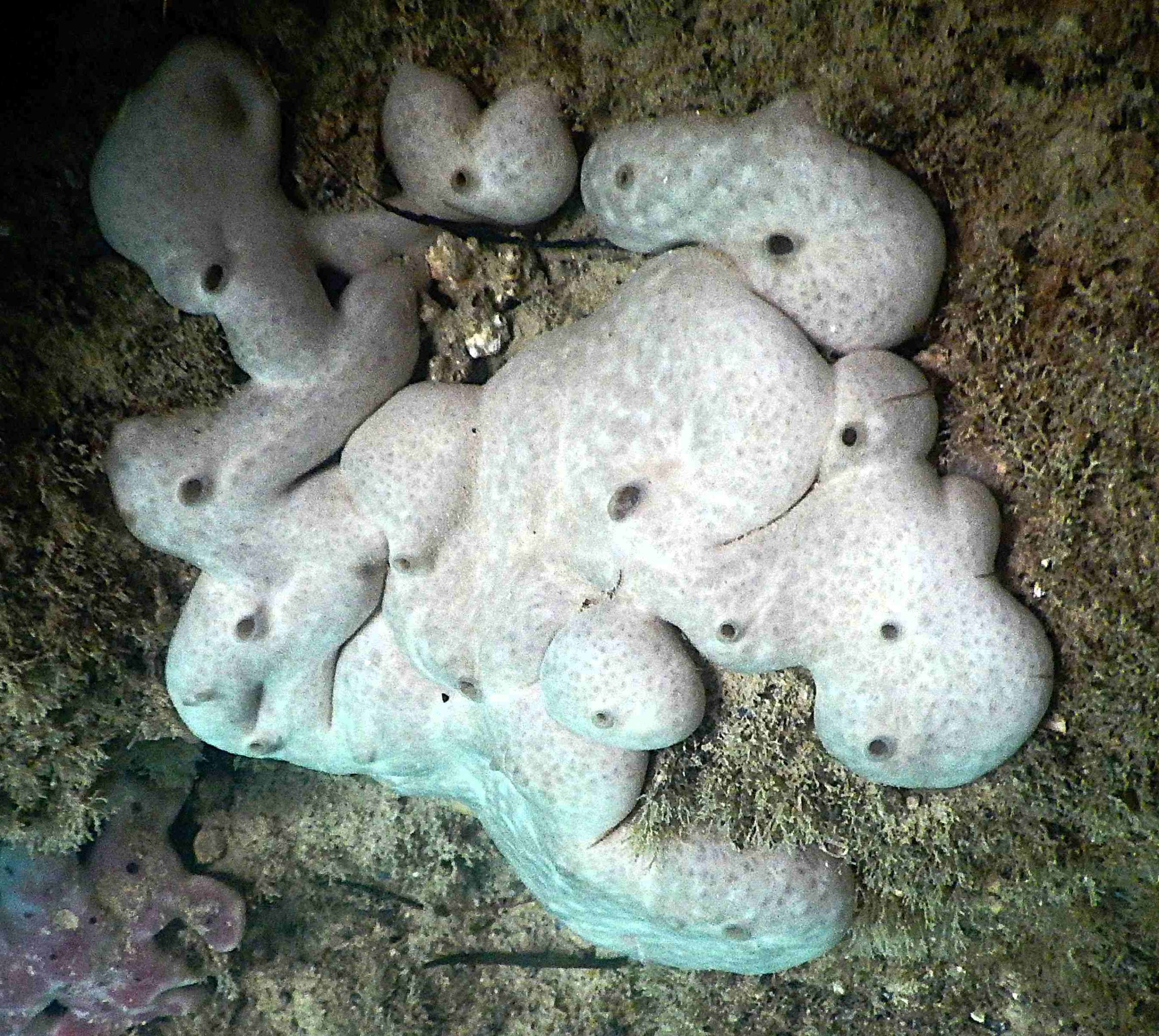
Needlefish (Belone Belone)

News Flash 630

Weekly Snapshot of Public Health Challenges


Meeting registration: Centering equity in the PABS Annex Aug 22, 2025

The democratic deficit in global aid: Why humanitarian power needs public accountability

The High Cost of Pausing Life-Saving Aid

World Mosquito Day 2025: A New World, Crises, and Opportunities

Africa’s Ancient Enemy, Malaria, and Its Influence on Covid-19

Across the U.S., Childhood Vaccination Rates Continue to Decline

Nigeria to produce 147mn test kits for HIV, TB, malaria

The Tanzanian Woman Who Refused to Let Trachoma Steal More Sight

Cholera is surging, yet we know how to stop it. So what’s missing?

Somalia faces diphtheria surge amid vaccine shortages and aid cuts

Way Forward: Building a Resilient Healthcare System in Nepal  by Damodar Adhikari 

Nigeria Slashes Kidney Dialysis Costs in Federal Hospitals

Deafness is not an infectious disease but a global health priority

Save The Animals, Save The World: Ryan Parker

END.IT METTIAMO FINE ALL’ALLEVAMENTO INTENSIVO: firma ora

HRR 781. HUMAN RIGHTS ACTIVISTS NEED TO ADDRESS THE HOLY TRINITY OF FAILURE: BUSINESS AS USUAL, MEDIA AS USUAL, POLITICS AS USUAL

New MSF programme treats survivors of detention in Syria

People are starving in Gaza and Sudan. Here’s what it’s doing to their bodies

Escalating Attacks Against the Hmong in Lao: UNPO, CWHP and BPSOS Alert UN Bodies

The Multi-Faceted Policy Threats To Maternal And Infant Health

Implementing the AfCFTA Women and Youth Protocol in Ghana

We are losing ground in the struggle against modern slavery

Irregular migrants in Europe face obstacles to exercising legal rights – where they have them

Hundreds of thousands of children ‘facing starvation’ as last Nigeria aid points set to close

Africa’s Moment: From Addis to the World, Food Systems Must Change Now

As US exits Indonesia JETP, Japan pushes competing energy visions

Plastics Treaty Talks End in ‘Abject Failure’ as US, Other Big Oil Allies Sabotage Progress

Pakistani villagers scared to go back to deluged homes after floods kill over 340

The rising cost of climate change: inflation, inequality and macroeconomic stability at risk

Indigenous groups demand action from South American leaders at Amazon summit


Way Forward: Building a Resilient Healthcare System in Nepal

IN A NUTSHELL
Editor's Note
Adding to what already highlighted by PEAH, the piece here is a further excerpt from the final manuscript ‘Health Sector Disaster Management Handbook: Nepal’, just edited by the Author, which is soon going to print.
  As in the Executive Summary, the Handbook  ‘…serves as a comprehensive guide for enhancing Nepal’s health sector preparedness, response, recovery, and resilience in the face of disasters and public health emergencies. Given Nepal's unique geographical, socio-political, and environmental context, the health sector faces growing risks from natural hazards, climate change, disease outbreaks, and technological accidents…’  

 As the Author maintains   ‘It is designed as a comprehensive, context-specific guide for health professionals, policymakers, emergency responders, development partners, and community actors seeking to build a robust and resilient health system that can withstand and respond to the multifaceted challenges posed by disasters’. 

Please refer to the Author for in-depth information over of the entire work

By Damodar Adhikari

Executive Director SIMEX Hub

Nepal

Way Forward: Building a Resilient Healthcare System in Nepal


This section outlines the strategic priorities, policy directions, and investment areas necessary to build a disaster-resilient health system. A resilient health system is crucial because it can adapt, absorb, and recover from shocks, ensuring that health services remain accessible to all, even during crises. The information is particularly relevant for national policymakers, donors, and strategic health planners who are responsible for guiding and investing in the development of a robust and adaptive health system.

Building a resilient healthcare system in Nepal is crucial for effectively responding to future disasters. This involves enhancing the health sector’s ability to anticipate, withstand, and recover from shocks while providing essential services. The way forward includes strengthening healthcare infrastructure, fostering partnerships, building local capacity, and addressing emerging challenges with innovation.

Resilience Defined: Resilience is the ability of a system, community, or society to resist, absorb, and recover from the effects of a disaster in a timely and efficient manner. A resilient healthcare system is one that can continue functioning during and after disasters, ensuring that essential health services are delivered even in crisis situations.

A resilient healthcare system is essential for Nepal to manage the impact of natural and man-made disasters. To achieve this, several key actions are needed:

Investing in Disaster-Resilient Infrastructure: Health facilities must be designed or retrofitted to withstand a variety of disasters, including earthquakes, floods, and storms. Currently, only 21% of health facilities in Nepal are earthquake-resistant, highlighting the urgent need to increase this proportion to safeguard lives and maintain service continuity. Sustainable technologies such as solar power systems and rainwater harvesting should be integrated into facility design to ensure operational functionality during disruptions. Moreover, adopting a multi-hazard approach is crucial, requiring that facilities are constructed with consideration for all potential risks, including fires, landslides, and extreme temperature fluctuations.

Enhancing Healthcare Workforce Capacity: Building a capable healthcare workforce is essential for effective disaster response. This includes providing specialized training in emergency medicine, mass casualty management, and public health surveillance. To retain skilled professionals, strategies such as offering incentives, clear career advancement opportunities, and mental health support are vital. Additionally, conducting regular drills and simulation exercises helps maintain the readiness and effectiveness of healthcare personnel during emergencies.

Improving Supply Chain Resilience: Ensuring a resilient supply chain involves creating and maintaining strategically located stockpiles of essential medicines and medical equipment to meet surge demands during disasters. Real-time monitoring through digital tools allows for accurate tracking of inventory levels and timely replenishment, reducing the risk of shortages. Furthermore, flexible procurement policies should be in place to facilitate rapid acquisition of supplies and resources when emergencies arise, enabling a swift and efficient response.

Partnerships and Local Capacity Strengthening

Fostering Partnerships with Regional and Global Stakeholders: Disaster management is inherently a collective effort that requires strong collaboration among various stakeholders at regional and global levels. On the regional front, cross-border coordination is vital; strengthening partnerships with neighboring countries like India and China enables shared knowledge, resource pooling, and coordinated disaster response exercises. Integrating Nepal into regional early warning systems for floods, landslides, and epidemics further enhances preparedness and timely action. At the global level, engaging with international health organizations such as WHO, UNICEF, and global NGOs provides access to technical expertise and critical resources. Additionally, tapping into global funding mechanisms like the Green Climate Fund can support the development of climate-resilient health systems. Active participation in international forums allows Nepal to share experiences and learn from global best practices in disaster management.

Strengthening Local Capacity for Disaster Management: Local capacity forms the foundation of an effective disaster response system. Empowering communities and local authorities ensures that interventions are timely, culturally appropriate, and sustainable. Public awareness campaigns play a key role in educating communities about disaster risks and preparedness measures. Training volunteer networks enhances community support for health services during emergencies. Additionally, equipping local responders with basic first aid and triage skills helps address immediate medical needs effectively.

On the health system front, decentralizing services by establishing mobile health units and emergency clinics in disaster-prone areas improves accessibility. Training Community Health Workers (CHWs) to provide essential health services and collect data strengthens grassroots health responses. Finally, reinforcing referral systems ensures the rapid transfer of patients to higher-level facilities when necessary, enhancing overall health system resilience during disasters.

Future Challenges and Opportunities

As Nepal continues to develop a resilient healthcare system, it will face several significant challenges alongside promising opportunities to enhance its disaster management capabilities.

Challenges: Climate change presents a major challenge, with Nepal experiencing increasingly frequent and severe weather events that heighten the risk of disasters such as floods and landslides. For instance, the 2024 floods affected over 2.5 million people and submerged numerous health facilities, severely disrupting healthcare services. Additionally, resource constraints pose a barrier to progress, as limited financial resources and heavy reliance on foreign aid can slow down implementation of vital programs. Infrastructure gaps remain a critical concern, particularly in rural areas where many health facilities lack disaster-resistant retrofitting and are situated in hazard-prone locations.

Opportunities: Despite these challenges, Nepal has several opportunities to innovate and improve its disaster preparedness. Technological advancements like Geographic Information Systems (GIS) can enhance risk mapping and enable better resource allocation. Telemedicine offers the potential to expand healthcare access in remote areas, while mobile health applications can strengthen public health surveillance and early warning systems. Public-private partnerships present another avenue for growth by engaging private sector entities to support disaster preparedness and response efforts, including funding climate-resilient infrastructure projects. Finally, integrating climate adaptation strategies into the design and construction of healthcare facilities will help ensure long-term sustainability and resilience against future disasters.

Way Forward Summary

Building a Resilient Healthcare System in Nepal requires comprehensive action, including:

Policy Reforms: Effective disaster resilience begins with strong policy frameworks that mandate the integration of disaster risk reduction and emergency preparedness within the health sector. Developing and enforcing such policies ensures that all levels of the health system—from national to local—prioritize infrastructure safety, resource allocation, training, and coordination during emergencies. Policies should also promote multi-sectoral collaboration, clarify roles and responsibilities, and establish legal mechanisms for accountability. Importantly, regular review and updating of policies based on evolving risks, lessons learned from past disasters, and emerging best practices are necessary to maintain relevance and effectiveness.

Infrastructural Investment: Investing in health infrastructure is critical to ensure that facilities can continue providing essential services during and after disasters. This includes retrofitting existing health centers, hospitals, and clinics to improve their structural resilience against earthquakes, floods, and other hazards prevalent in Nepal. Equally important is the construction of new facilities designed with a multi- hazard approach that incorporates sustainable technologies such as solar energy and rainwater harvesting. Infrastructure planning must prioritize accessibility, safe evacuation routes, and the availability of essential utilities to maintain uninterrupted healthcare delivery under adverse conditions.

Community Engagement: Empowering local communities is vital for effective disaster preparedness and response. This involves educating communities about health risks, early warning signals, and protective measures through tailored awareness campaigns. Strengthening community health systems by training community health workers, volunteers, and local leaders enables prompt identification of health threats and facilitates timely interventions. Community participation in planning and maintaining emergency open spaces, referral mechanisms, and stockpiles fosters ownership, trust, and sustainability. Furthermore, culturally sensitive communication strategies help address diverse needs and promote inclusive disaster resilience.

International Cooperation: Nepal can enhance its disaster resilience by leveraging partnerships with regional neighbors and global organizations. Regional cooperation facilitates cross-border resource sharing, joint training exercises, and harmonized early warning systems for transboundary hazards like floods and epidemics. On the global stage, collaboration with entities such as WHO, UNICEF, and international NGOs provides technical assistance, capacity building, and access to innovative tools and funding sources, including climate adaptation grants. Engaging in international knowledge exchange forums allows Nepal to learn from global experiences and adopt proven strategies adapted to its unique context.

Innovation: Harnessing technology is key to transforming disaster preparedness and healthcare delivery. Geographic Information Systems (GIS) enable precise risk mapping, vulnerability assessments, and optimized resource allocation. Telemedicine expands access to specialized care in remote and disaster- affected areas, overcoming geographical and infrastructural barriers. Mobile health applications support real-time disease surveillance, public health messaging, and coordination among response teams. Embracing digital communication platforms and data analytics enhances situational awareness and decision-making efficiency. Innovation also extends to adopting sustainable energy and water solutions to ensure uninterrupted health services during disasters.


By promoting preparedness, resilience, and informed decision-making, this handbook aims to safeguard public health during emergencies and build a robust healthcare system capable of withstanding future challenges. Stakeholders—including policymakers, healthcare providers, community leaders, and development partners—are encouraged to use this resource to foster a culture of readiness and resilience throughout Nepal’s health sector.


News Flash 629: Weekly Snapshot of Public Health Challenges  

News Flash Links, as part of the research project PEAH (Policies for Equitable Access to Health), aim to focus on the latest challenges by trade and governments rules to equitable access to health in resource-limited settings

Striped seabream (Lithognathus mormyrus)

News Flash 629

Weekly Snapshot of Public Health Challenges


Sierra Leone sign the petition: Ban FGM Now

TWN meeting registration: Centering equity in the PABS Annex  Aug 22, 2025

Meeting registration: Saturday, August 30 Nuclear Disarmament and the Struggle Against Imperialism By League Against Imperialism Centennial Campaign

Toward Global Instability and Autocracy? A Critical Examination of the Trump Regime’s Global Impact  by George Lueddeke

With Great Power Comes Great Responsibility: Advice for the New US Aid Team

US appeals court backs Trump in fight over foreign aid freeze

WHO designates new WHO-Listed Authorities, strengthening global access to quality-assured medical products

WHO Decries US Cancellation of mRNA Vaccine Research as “Unfortunate and Untimely”

Globalizing Vaccines: A Post-COVID Perspective on Industrial Policy, International Health Cooperation, and the Characteristics of Vaccine Production

Criminalization And Forced Treatment Undermine Real Solutions To Homelessness

Trump’s New Funding Rules – What it Means for African Researchers

TRIPS@30: Thirty years of widening inequities in access to medicines

Rwanda reconsiders malaria vaccines amid surprise surge

Kenya achieves elimination of human African trypanosomiasis or sleeping sickness as a public health problem

Statement from DNDi on Kenya’s elimination of rhodesiense sleeping sickness as a public health problem

Africa’s Mpox Response: Better Diagnostics One Year into Emergency

Philippines steps up fight against African Swine Fever

Geographical shifting of cholera burden in Africa and its implications for disease control

Collaboration Enabled South Africa’s Success in Tackling Tuberculosis – But Funding Cuts Threaten Progress

The triple whammy: HIV, migration and climate change

Epilepsy Patients in Africa Fight Stigma and Neglect

The OurFutures Vaping eHealth intervention to prevent e-cigarette use among adolescent students in Australia: a cluster randomised controlled trial

Universal health coverage in the context of migration and displacement: a cosmopolitan perspective

Funding gaps undermine healthcare for women and children in Somalia

Breaking the Silence: Confronting Postpartum Depression and the Urgent Need for Mental Health Checks in Maternal Care  by Youmna Abdelnabi 

CEDAW Chad: Women excluded in decision making on land

Corporate Land Grab Fuelling Inequality, Climate Change and Biodiversity Loss

Stalled Geneva talks threaten landmark plastic pollution treaty

No agreement in sight as UN plastic pollution treaty talks enter final day

Inequality Worsens Planetary Heating


Toward Global Instability and Autocracy? A Critical Examination of the Trump Regime’s Global Impact

IN A NUTSHELL
 Author's Note Building on  Survival: One Health, One Planet, One Future and subsequent publications (PEAH, Impakter), this article probes the far-reaching impact of the Trump administration considering global leadership, alliances, the rise of autocracy, technocratic control, and potential environmental collapse.
 
Taken together, these factors could create a triple crisis or a perfect storm for a dystopian future.  Combatting this future is no longer an option but a critical necessity

George Lueddeke

By George Lueddeke PhD

Global Lead, 1 HOPE-TDR

Southampton, United Kingdom

glueddeke@aol.com

Toward Global Instability and Autocracy?

A Critical Examination of the Trump Regime’s Global Impact


Introduction

The Trump era has shaken more than U.S. politics—it has sent shockwaves across the globe. From weakened alliances and rising autocracy to environmental neglect and economic uncertainty, the world is witnessing the consequences of retreating American leadership. As authoritarian regimes gain ground and democratic norms erode, the question becomes urgent: can global stability survive, or are we entering a new age of instability and concentrated power?

Impacts of U.S. Decline in Global Leadership

In a recent American Account column, Dr. Irwin Stelzer of the Hudson Institute likened the U.S. economy under Donald Trump to “caudillo capitalism,” a system where powerful leaders shape their own narratives to align with their desires, often at the expense of reality. If the trajectory of Trump’s first term continues into a second, early signals suggest a sharp decline in global leadership, precipitating political, economic, and environmental instability not only for the U.S. but for the entire world.

Hallmarks of Trump’s Second Term (So Far)
  • Appointment of Unqualified Cabinet Members: Trump has prioritised loyalty over competence, often placing unqualified individuals in key government positions.
  • Promotion of Project 2025: Seen by critics as a blueprint for authoritarian rule, Project 2025 raises alarms about the ideological reorientation of the administration.
  • Disregard for Constitutional Norms: Trump’s contempt for legislative oversight and constitutional processes weakens the checks and balances that protect American democracy.
  • Withdrawal from International Institutions: The U.S. has pulled out of key global organisations like the UN and WHO and cut critical foreign aid programmes such as USAID and the SDSN, signaling a retreat from multilateral engagement.
  • Chaotic Trade and Tariff Policies: Trump’s tariff strategy, targeting both allies and adversaries, has led to unstable economic relations and a weakened global trade framework.
  • Tax Legislation Favouring Short-Term Political Gain: Tax reforms under Trump have often favoured immediate political gain, at the cost of long-term fiscal stability.
  • Unconditional Support for Netanyahu’s Israel: Trump’s steadfast backing of Israeli Prime Minister Benjamin Netanyahu while undermining humanitarian efforts in Gaza highlights the administration’s geopolitical priorities.
  • Politicisation of Labour Market Data: The suppression and manipulation of labour statistics undermine public trust in the government’s economic reporting.
  • Undermining Ukraine’s Zelens’kyj: Trump has echoed pro-Kremlin rhetoric regarding Ukraine, further destabilising the region.
  • Delaying the Release of Epstein Files: The delay in releasing critical documents related to Jeffrey Epstein’s case raises questions about transparency.
  • Expansion of State Capitalism: Trump’s policies show an increasing shift towards a state-controlled cities and the economy, reminiscent of 1930s authoritarian models.

These actions along with many others-restricting voting rights, ICC arrests, dismantling the Department for Education/Higher Education (especially DEI initiatives), withdrawing from the Paris climate agreement, undermining national security including the work of the DOJ, FBI, Social Security and other agencies, while primarily aimed at reshaping domestic policy toward an autocracy, also indicate a far-reaching reorientation of America’s role in the world.

Shifting World Power
  1. New Alliances

As trust in U.S. leadership erodes, countries are increasingly turning to alternative power centres. Europe (biggest single market in the world) stands to gain influence as do China and Russia – sidelining the values of democracy and multilateralism. This shift weakens cooperation on critical global issues like climate change, trade, and human rights.

  1. Erosion of Multilateral Institutions

With the U.S. stepping back from global leadership, institutions like the UN, WTO, and WHO face fragmentation. This creates a vacuum where power-driven geopolitics—often unchecked by international norms—can thrive, undermining cooperation on global challenges.

  1. Loss of Moral Authority

Without a democratic global champion, space opens up for regimes that see civil liberties as expendable. This could accelerate the normalisation of authoritarian governance and the erosion of individual freedoms on the global stage.

Rise of Autocracy

Global Authoritarian Shift

Countries with fragile democratic institutions—Hungary, Poland, and Turkey—are already leaning toward illiberalism. Should the U.S. continue to retreat from its leadership role, this trend could extend globally, fostering a new era of authoritarian governance.

Suppression of Dissent

Authoritarian regimes depend on tight control over information, utilising censorship, surveillance, and intimidation to suppress opposition and limit political participation. This effectively stifles free speech, creating an environment where dissent is met with harsh consequences.

Technocratic Control

Increasingly, economic and political power is concentrated in the hands of corporate elites and technological giants. This centralisation diminishes public accountability. Moreover, AI and automation threaten to displace millions of workers, exacerbating inequality and contributing to social unrest.

Environmental Consequences

Unchecked climate change, biodiversity loss, and resource depletion are all escalating crises. These threats jeopardize not just ecosystems but also the economic and political stability of entire regions. Authoritarian regimes, focused on short-term industrial growth, are likely to worsen these environmental challenges while curbing environmental activism and undermining efforts for global sustainability.

A Possible Dystopian Outcome

The combination of declining democracy, rising autocracy, unchecked technological power, and environmental collapse could lead to a dystopian future, marked by a triple crisis:

  1. Political Systems Dominated by Authoritarian Elites: A concentration of power in the hands of a few, leaving the masses disenfranchised.
  2. Economies Structured for the Benefit of the Wealthy: Growing economic inequality, where the rich control more resources and the majority face increasingly precarious livelihoods.
  3. A Planet Pushed Beyond Environmental Tipping Points: Ecological collapse exacerbating global instability, triggering widespread displacement, resource scarcity, and geopolitical conflict. 
Paths to Prevention
  1. Global Solidarity
    Building alliances among democracies, human rights organisations, and climate advocates is essential to counterbalance the influence of autocratic regimes. Collective action strengthens international cooperation on human rights, environmental sustainability, and global peace.
  2. Political Accountability
    Safeguarding democratic norms requires robust civic engagement. Promoting transparency, implementing institutional safeguards, and reinforcing democratic practices are crucial to resisting authoritarian trends.
  3. Sustainable Development
    Policies that prioritise planet sustainability—grounded in ecocentric (all species in a shared environment) rather than mainly human-centred values and principles—are vital.

To this end, education (both formal and non-formal) and transdisciplinary research funded equitably across all global regions integrating the One Health and Wellbeing concept, the Earth Charter principles, and the UN Sustainable Development Goals are key to fostering a more resilient and just world.

Concluding Remarks

The trends highlighted in this analysis are concerning, but they are not inevitable. The risk of global dysfunction and authoritarian consolidation is real, yet through collective action—both within the U.S. and globally—we can influence the trajectory of the 21st century. It remains to be seen whether this era will be remembered for democratic renewal, equality, peace and progress or the rise of authoritarianism – control, fear, chaos, and dysfunction.

Author of Sapiens, Yuval Noah Harari raises a critical question in this context: In the age of information, can humanity move beyond mere understanding to use knowledge for societal betterment? He cautions that prioritising “order over truth,” as in historical examples like Nazi Germany, can turn information networks into instruments of oppression. While these networks have the potential to enhance efficiency and social organization, they can equally be exploited for authoritarian control.

Harari’s provocative reflection—”If we Sapiens are so wise, why are we so self-destructive?”—reminds us that humanity’s extraordinary capacity for innovation is often overshadowed by repeated failures. As we face ecological and social crises, he also calls for urgent global dialogue to learn from our past mistakes and to collaboratively shape a sustainable future.

Breaking the Silence: Confronting Postpartum Depression and the Urgent Need for Mental Health Checks in Maternal Care

IN A NUTSHELL
 Author's Note  Postpartum depression is far more common than many realize. Globally, around one in five mothers experiences it, with rates as high as one in three in some low- and middle-income countries.

 In Egypt and across the Middle East, studies estimate prevalence at 20–26%, yet up to half of cases remain undiagnosed. The World Health Organization warns that 13% of women suffer from mental disorders—mainly depression—after childbirth, with higher rates in resource-limited settings.

 These aren’t just numbers; they represent mothers who are silently struggling, often without the help they desperately need

By Youmna Abdelnabi

MSc Global Public Health and Social Justice, Brunel University London

PhD Candidate, Lancaster University 

Breaking the Silence

Confronting Postpartum Depression and the Urgent Need for Mental Health Checks in Maternal Care


Pregnancy is often described as one of the most magical experiences in a woman’s life—a time when she is creating new life and stepping into the profound role of motherhood. For many, it marks the beginning of a new chapter, a chance to embrace a new identity and discover strengths she never knew she had. However, for some women, this journey is far from blissful. Without warning, they may find themselves engulfed in overwhelming sadness, anxiety, and emotional isolation—feeling disconnected not only from the world around them but also from their newborn. In some cases, these feelings last only a few days or weeks, a period known as the “baby blues.” But for others, the darkness lingers for months—or even years—manifesting as postpartum depression. Unlike the baby blues, postpartum depression is a serious mental health condition that requires understanding, support, and timely intervention. Left unaddressed, it can impact a mother’s ability to care for herself, bond with her baby, and fully participate in her own life.

Postpartum depression is far more common than many realize. Globally, around one in five mothers experiences it, with rates as high as one in three in some low- and middle-income countries. In Egypt and across the Middle East, studies estimate prevalence at 20–26%, yet up to half of cases remain undiagnosed. The World Health Organization warns that 13% of women suffer from mental disorders—mainly depression—after childbirth, with higher rates in resource- limited settings. These aren’t just numbers; they represent mothers who are silently struggling, often without the help they desperately need.

One of the biggest reasons many women suffer in silence is fear of being stigmatized or judged. A mother might worry she will be labelled as weak, “too soft,” bluffing, or even ungrateful for her children if she admits she is struggling. In cultures that glorify maternal sacrifice and resilience, these harmful perceptions can prevent women from speaking up or seeking help, leaving them trapped in isolation at a time when they need compassion the most.

Postpartum depression is not only about mood—it has far-reaching consequences for physical health, family wellbeing, and even national health systems. Chronic stress and hormonal changes linked to the condition increase the risk of long-term health problems such as cardiovascular disease, diabetes, and obesity. It is strongly associated with lower breastfeeding initiation and early weaning. Mothers unable to breastfeed have been found to be more than twice as likely to develop depressive symptoms by 16 weeks postpartum, while breastfeeding—especially exclusively for more than one month—can reduce the risk by over a third due to the calming effects of oxytocin and prolactin. Beyond the physical, postpartum depression can disrupt maternal–infant bonding, affecting the baby’s emotional regulation, cognitive development, and long-term mental health. It also has ripple effects on family dynamics, straining marriages, reducing household stability, and impacting siblings’ wellbeing.

Despite these risks, mental health remains a missing piece in routine perinatal care. While new mothers receive multiple gynecological and obstetric check-ups during pregnancy and after birth, their mental health is often overlooked. In most countries, postpartum medical care ends after six to eight weeks, just when symptoms of postpartum depression may be emerging or peaking.

Without structured screening, many women slip through the cracks—especially those facing stigma, lack of awareness, or limited access to mental health services.

This gap in care is avoidable. Maternal mental health deserves the same priority as physical recovery. Integrating mental health check-ups into routine perinatal visits would allow for early detection and timely intervention. Screening with validated tools during pregnancy and at several points after birth, training maternity care providers to recognize symptoms, creating clear referral pathways, and ensuring access to affordable treatment could transform outcomes for countless women. Raising community awareness is equally important to break the stigma and encourage women to seek help without fear or shame.

Maternal mental health is not a luxury—it is a foundation for healthier families, stronger communities, and more resilient societies. Ignoring postpartum depression has generational consequences, affecting not just the mother but her child’s future health, learning, and relationships. It is time to stop treating mental health as an afterthought in maternal care.

A mental health check-up should be as routine as a blood pressure reading at every perinatal visit. By making this change, we can catch more cases early, offer support before crisis hits, and ensure that motherhood begins not in silence and sorrow, but with the dignity, joy, and care every woman deserves.


News Flash 628: Weekly Snapshot of Public Health Challenges

News Flash Links, as part of the research project PEAH (Policies for Equitable Access to Health), aim to focus on the latest challenges by trade and governments rules to equitable access to health in resource-limited settings

Red starfish (Echinaster sepositus)

News Flash 628

Weekly Snapshot of Public Health Challenges


Populist Rhetoric, Poverty Realities: Lessons from ABCDE 2025

IPC Gaza Strip Food Insecurity and Malnutrition Alert

A People’s Tribunal for Women of Afghanistan before the Permanent Peoples’ Tribunal

People’s Health Dispatch Bulletin #105: Genocide, sanctions, and war are tearing the right to health apart

Mapping the Australian landscape for global health research

An Unsustainable Path? The Future Of American Health Insurance

Big Pharma in ‘active discussions’ with Trump on pricing

For LLDCs, the Next Decade Must be About Unlocking the Untapped Potential

100 Days Mission: are we ready for the next pandemic?

Does SA need a COVID-like ministerial advisory committee to deal with HIV funding cuts?

Africa CDC and European Commission Launch New Initiative to Strengthen Mpox Testing and Sequencing Across Africa

Children at Risk as Cholera Spreads Across West, Central Africa

Roadmap towards zero leprosy, Pakistan

Collateral damage from violent incidents: human costs of polio immunization

Call for Global Strategy to Counter ‘Vaccine Misinformation from US’

Scientists Call on RFK to Release the Data Informing Cancellation of mRNA Vaccine Research

More Concessions for Soda and Alcohol Industries in Final UN Draft Declaration on NCDs

Assessing the quality of amoxicillin in the private market in Indonesia: a cross-sectional survey exploring product variety, market volume and price factors

Oral Health Left Out Again? Why the UN’s NCD Declaration Must Not Repeat Past Mistakes

Screening programmes and breast cancer mortality: an observational study of 194 countries

Lost in the shadows: the hidden mental health crisis among tribal women in India

Disease-struck regions sidelined on journal boards

Young innovators tackle India’s arsenic-tainted water

Can a powdered egg a day keep malnutrition away? Uganda thinks so

Progress on just fisheries regulation in Uganda

Why SNAP Matters and How We Can Help

Health Organizations Must Cut Ties with Fossil-Fueled Public Relations and Advertising Firms

Brasília signals a turning point: rising to the urgent and unrelenting challenge of climate and health

Extreme heat: a global call to action

Indigenous Amazonian science winner seeks collaboration


News Flash 627: Weekly Snapshot of Public Health Challenges

News Flash Links, as part of the research project PEAH (Policies for Equitable Access to Health), aim to focus on the latest challenges by trade and governments rules to equitable access to health in resource-limited settings

Tompot blenny (Parablennius gattorugine)

News Flash 627

Weekly Snapshot of Public Health Challenges


Why humanitarians must act to end Israel’s genocide in Gaza

The European Union is dying in Gaza: The umpteenth EU refusal to sanction Israel fuels the killing fields in Palestine

WHO Issues Global Alert On ‘Fast-Moving’ Chikungunya Outbreak

WHO urges action on hepatitis, announcing hepatitis D as carcinogenic

World Hepatitis Day 2025 – Message from Charles Gore

New injection for easier prevention of HIV infection in the EU and worldwide

ViiV Healthcare and Medicines Patent Pool extend voluntary licensing agreement to enable access to long-acting injectable HIV treatment

Most people on ARVs stay on them — does our health system know that?

Human Papillomavirus and Cancer

Public Pharma: A Remedy for Drug Shortages

Forecasting the Fallout from AMR: Economic Impacts of Antimicrobial Resistance in Humans

AN2 Therapeutics and DNDi collaborate on clinical development of promising new oral compound to treat chronic Chagas disease

Governments ‘Backslide’ on NCD Commitments After Pressure from Unhealthy Industries

Rethinking Community Pharmacy: A Path To A Sustainable Model

Africa Aware: Strengthening Africa’s health security

What Is the Caregiver Crisis?

UNPO Denounces Ongoing Violations Against Naga People at the UN Expert Mechanism on the Rights of Indigenous Peoples (EMRIP)

HRR778. NOT SO FACETIOUSLY: CONSERVATIVES GO TO THE TABLE AT 6, LIBERALS AT 7. THAT IS ABOUT THEIR DIFFERENCE WITH RESPECT TO CAPITALISM. …AND WHAT ABOUT LEFTISTS?

Malnutrition in Nigeria killed 652 children in past six months, MSF says

SOFI 2025 Report Neglects Structural Causes of Hunger: Gaza Starves as Corporate Power Goes Unchecked

Global hunger declines, but rises in Africa and western Asia: UN report

What Does It Cost to Feed a Child? New Global Evidence on the Economics of School Meals

Progress still needed on food

The warning labels that could be coming for your crisps

Mining on the Rise as Clean Energy Demands Shifts Global Commodity Exports

How Clustering Multilateral Environmental Agreements Can Bring Multiple Benefits to the Environment

Environment ministers mull climate finance, Africa’s development future

Climate-responsive social protection: A primer for philanthropy

First reformulation of an inhaled medicine with environmentally friendly gas propellant

‘After Decades of Making Huge Profits, Companies Shouldn’t Be Allowed to Leave Behind a Toxic Legacy’