IN A NUTSHELL Author's Note…this article explores how vaccination campaigns expose critical system dynamics and what lessons they offer for strengthening Primary Health Care (PHC) delivery in Africa… …The experiences from the MR campaign suggest several important lessons: • Invest in sustainable workforce capacity to reduce over reliance on ad hoc staff • Continuously update microplans and population data to reflect dynamic community realities • Strengthen digital infrastructure and user support systems for health workers • Integrate social and community structures into routine PHC delivery, not just campaigns • Ensure continuity of routine services during high intensity interventions…

By Ebenezer Bolaji, MD
MSc (Clinical Research in International Health, University of Barcelona)
Head, PHC Research Unit, National Primary Health Care Development Agency, Nigeria
AVoHC Rapid Responder Epidemiologist, Africa CDC
Vaccination Campaigns as Stress Tests of PHC Systems in Africa: Lessons from the Integrated Measles Rubella Campaign in Nigeria
Introduction
Vaccination campaigns are among the most visible public health interventions in low and middle income countries. A vaccination campaign can be described as a time bound, large scale public health effort designed to rapidly increase population immunity by delivering vaccines to a defined target group, often through intensified outreach strategies that go beyond routine service delivery.
In Nigeria, campaigns such as the Measles Rubella (MR) vaccination exercise are implemented through the national and subnational health systems. While their primary objective is disease control and elimination, these campaigns also serve another, less discussed function. They act as stress tests for Primary Health Care (PHC) systems.
By placing extraordinary demands on workforce capacity, logistics, data systems, and community engagement structures, campaigns reveal both the resilience and the limitations of PHC systems. Drawing from field experiences during national supervisory roles in the MR campaign and related household enumeration exercises, this article explores how vaccination campaigns expose critical system dynamics and what lessons they offer for strengthening PHC delivery in Africa.
The Role of PHC Systems in Vaccination Campaigns
Vaccination campaigns do not operate independently. They are deeply embedded within existing PHC systems. Their success depends on how effectively these systems can be mobilized.
- Workforce Mobilization and Service Delivery
PHC systems provide the backbone of human resources for campaigns. Health workers, community health extension workers, and local mobilizers are redeployed to support vaccination teams, supervision, and data collection.
During field supervision, one team lead remarked:
“We are used to routine immunization days, but campaigns are different. You are expected to cover everywhere.”
This surge capacity often requires temporary expansion through volunteers and ad hoc staff, highlighting both the flexibility and limitations of the existing workforce.
- Governance and Coordination Structures
Campaigns activate multi-level governance systems from national coordination to state, LGA (Local Government Area), and ward level implementation. These structures facilitate planning, supervision, and accountability.
An Immunization Officer noted:
“The campaign brings everyone to the table, health, statistics, community leaders. It shows what coordination can look like when there is urgency.”
This demonstrates the potential of PHC governance systems when fully mobilized, but also underscores the need for sustained coordination beyond campaign periods.
- Technology and Data Systems (ODK and CAPI)
Digital tools such as Open Data Kit and Computer Assisted Personal Interviewing platforms have become central to data collection during campaigns and household listing exercises.
However, field realities shape their effectiveness. As one data enumerator shared:
“We understand how to use the device, but sometimes there is no network for hours. You just have to keep moving and upload later.”
Another added:
“Power is also a challenge. If your device goes off in the field, your work stops.”
These experiences highlight that technology adoption is not just about tools, but about infrastructure readiness and user support systems.
- Cold Chain and Logistics Systems
PHC systems also support the cold chain infrastructure required to maintain vaccine potency. Campaigns test the ability of facilities to store, transport, and manage vaccines under increased demand.
A vaccinator explained:
“On campaign days, the volume is much higher. You have to plan carefully so that vaccines last the whole day without wastage.”
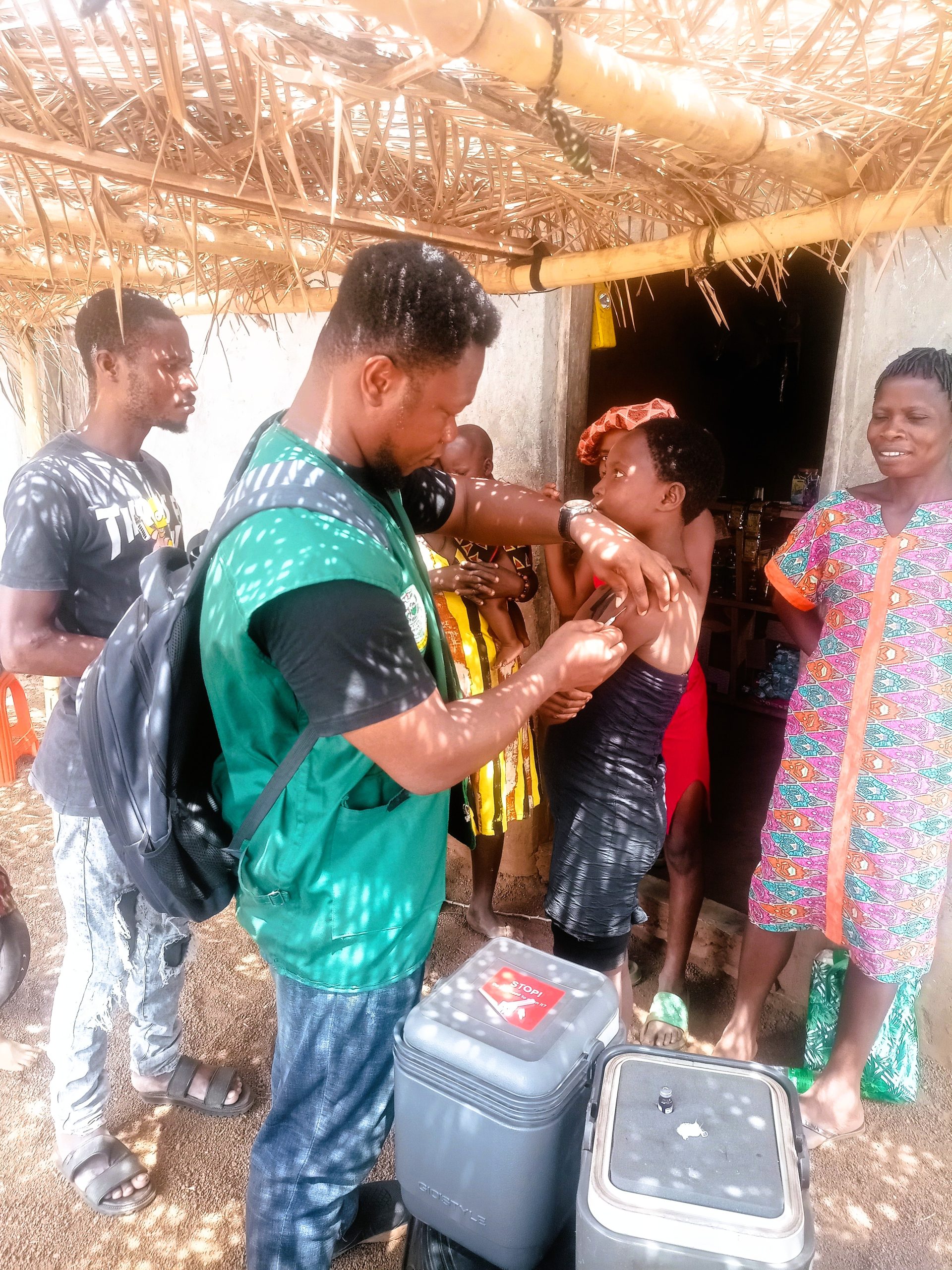
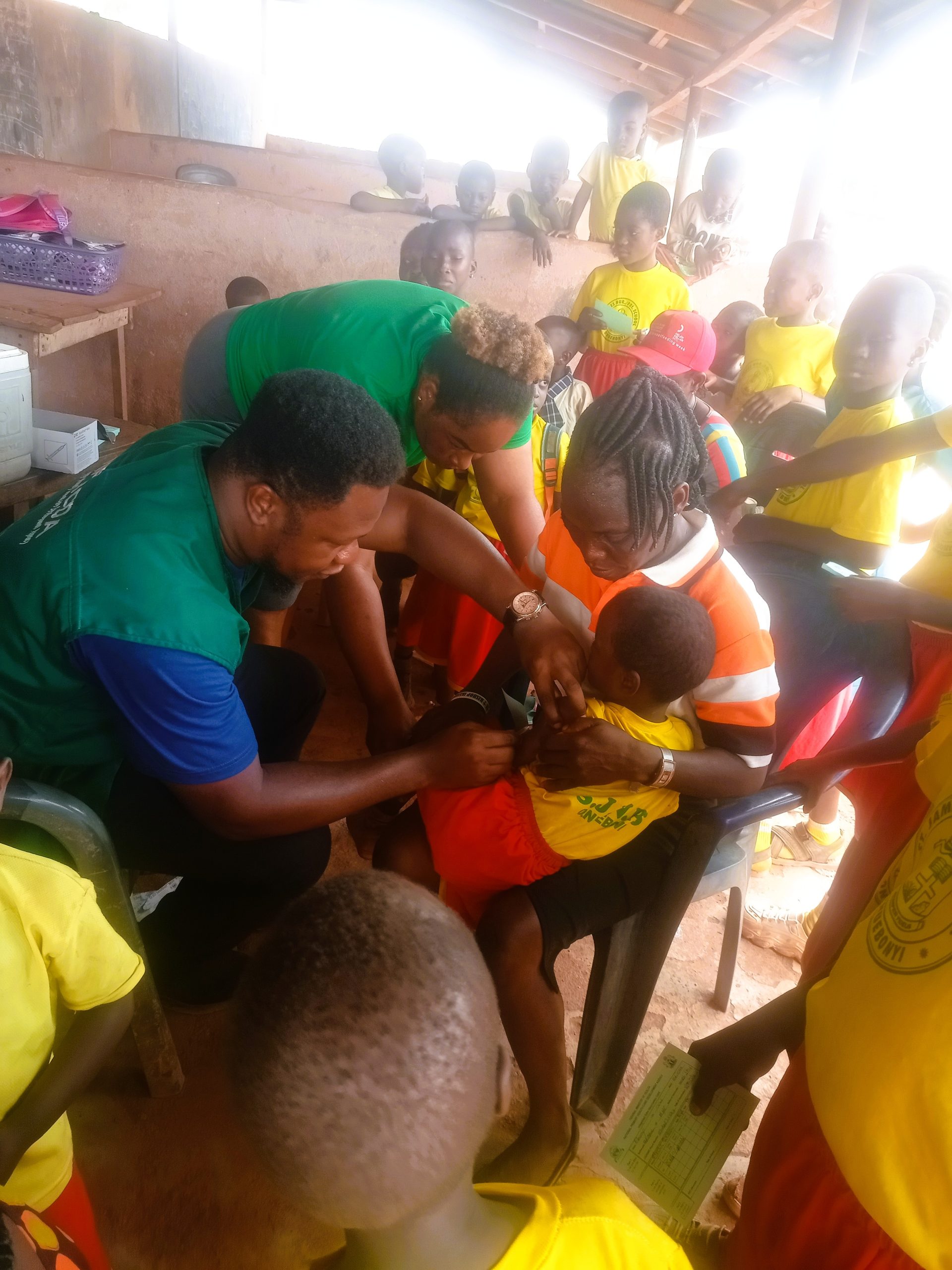
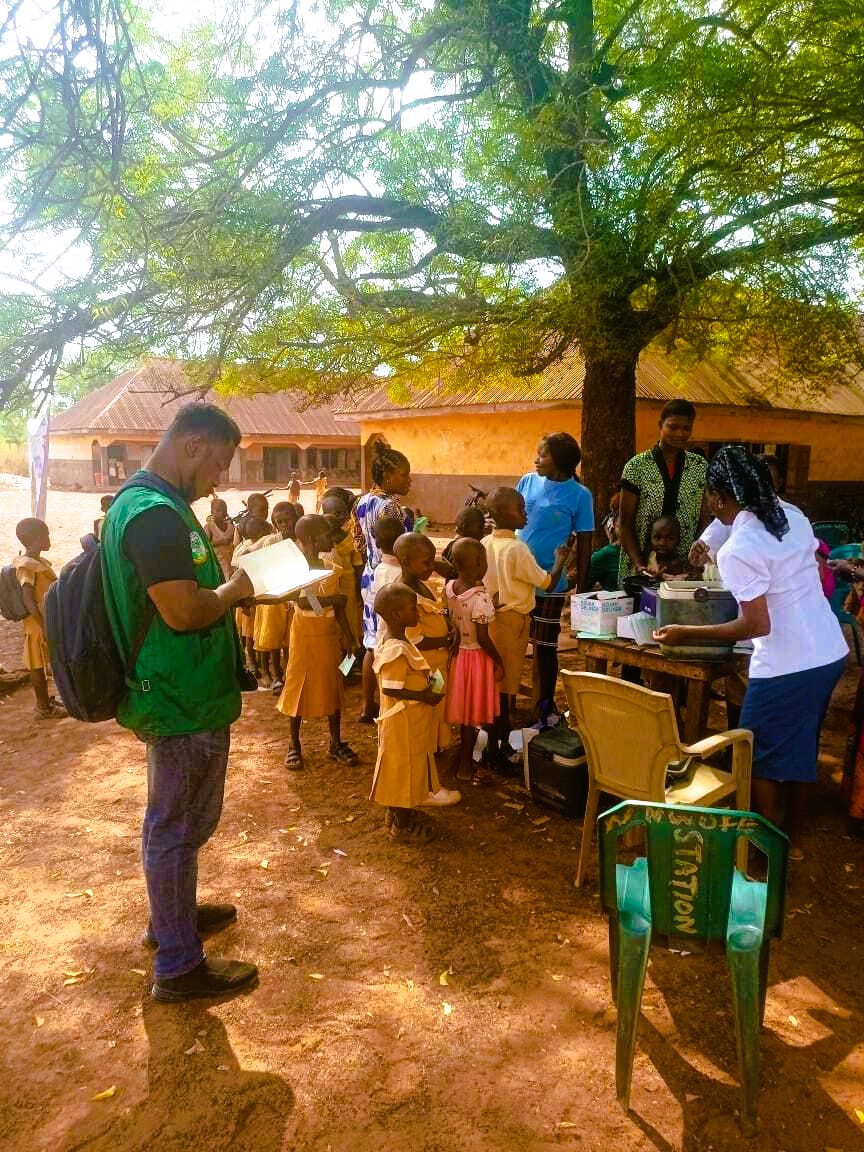
Images from the field
Campaigns as Stress Tests: What Do They Reveal?
- Human Resource Gaps and Service Disruptions
One of the most immediate effects of campaigns is the strain on available human resources. To meet campaign targets, health workers are often redeployed from routine services.
As observed in the field:
“During the campaign, most of us are outside. Routine immunization is adjusted to specific days at the facility.”
Another health worker noted:
“If we had more hands, we would not need to shift routine services.”
This reflects a broader system challenge. Balancing campaign intensity with continuity of routine PHC services.
- Microplanning Gaps and Last Mile Realities
Microplanning is central to campaign success, yet field implementation often reveals discrepancies between plans and reality, particularly in hard-to-reach areas.
A community health worker stated:
“There is a need to update the micro plan of our settlement. Some households are not where they used to be.”
In remote areas, distance and terrain significantly affect service delivery:
“Some households are very far apart. You can spend hours reaching just a few families.”
These insights emphasize the importance of continuously updating settlement data and understanding local geography, especially in underserved communities.
They also raise a critical question:
Outside of campaigns, how consistently do these communities receive PHC services?
- Technology Utilization Gaps
While digital tools improve data quality and timeliness, campaigns reveal gaps in digital literacy, infrastructure, and system integration.
A supervisor reflected:
“The tools are good, but they require support, network, power, and training. Without these, the process slows down.”
This underscores the need for context aware digital health strategies that align with on the ground realities.
- Social Determinants and Community Based Solutions
To address geographic and access barriers, campaigns often leverage social infrastructure such as schools, markets, and places of worship as vaccination sites.
A community mobilizer explained:
“When we set up at the market, more people come. It reduces the distance for many families.”
Similarly:
“Using churches and schools helps us reach people who may not come to the health facility.”
These approaches highlight how social determinants of health such as location, mobility, and community structures can be leveraged to improve access.
Lessons for Strengthening PHC Systems
The experiences from the MR campaign suggest several important lessons:
• Invest in sustainable workforce capacity to reduce over reliance on ad hoc staff
• Continuously update microplans and population data to reflect dynamic community realities
• Strengthen digital infrastructure and user support systems for health workers
• Integrate social and community structures into routine PHC delivery, not just campaigns
• Ensure continuity of routine services during high intensity interventions
Conclusion
Vaccination campaigns are more than short term public health interventions. They are windows into the functioning of PHC systems. By placing systems under pressure, they reveal operational realities that are often less visible during routine service delivery.
The lessons from Nigeria’s Measles Rubella campaign demonstrate that strengthening PHC systems requires not only technical solutions, but also a deep understanding of field realities where geography, human resources, technology, and community dynamics intersect.
If these lessons are systematically captured and integrated into policy and practice, campaigns can evolve from episodic interventions into catalysts for long term health system strengthening.