IN A NUTSHELL Editor's noteThe rolling out of needed new vaccines to protect children’s lives and reduce mortality and morbidity is currently on the rise, with increasing costs. In this connection, find a short one pager here just as food for thought when it comes to vexed question (in the author’s words) … what should a country do if they have low coverage? Introduce a new vaccine or a series of new vaccines, or ensure proper coverage rates for the ongoing schedule are reached, and then introduce the new vaccines?...
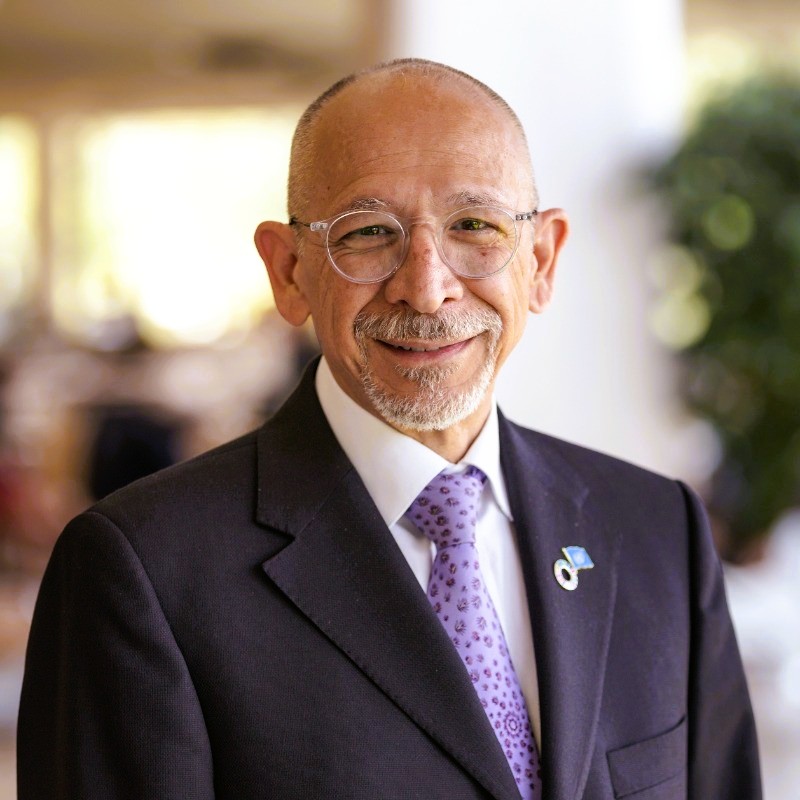
Regional Health Adviser for Latin America and the Caribbean, UNOPS
Mexico City
Do We Need New Vaccines or Better Immunization Programs at the Country Level?
The world is seeing a series of public health issues related to vaccines. While science and technology are advancing at a rapid pace, we see that diseases that were eliminated in some regions, and under control in others, have made a comeback. Countries that were an example of the good management of their national immunization programs (NIP), have been facing severe measles outbreaks.
The Pan American Health Organization (PAHO) reported that during the first 19 epidemiological weeks of 2026, the region had reported 20,332 confirmed cases across 16 countries and territories. This represented a 276% increase over the same period in 2025. Canada, Guatemala, Mexico, and the US accounted for 98% of the reported cases.[1]
While outbreaks in some countries are reporting fewer cases due to vaccination efforts and self-limiting cases due to contagion, others are facing imported cases that are spreading rapidly.[1]
Measles is not the only concern. The weakening of NIP actions in sustaining coverage is causing other diseases to pose problems for health authorities. The number of children with zero doses is high and a public health concern and is estimated to be above 14 million, an 11% increase from the 2019 baseline.[2] These are children who are unvaccinated due to several causes. Amongst them, the pandemic revealed fragile health systems that couldn’t sustain NIP vaccination efforts. Young parents who have not understood the value of vaccines and that they have a healthy life thanks to the vaccines they received.
At the same time that the world is facing these issues, the number of new or updated vaccines being approved is increasing, and so is their cost. These are needed vaccines to protect children’s lives and reduce mortality and morbidity. However, what should a country do if they have low coverage? Introduce a new vaccine or a series of new vaccines, or ensure proper coverage rates for the ongoing schedule are reached, and then introduce the new vaccines?
These are questions that should be considered by countries facing that specific scenario. Of course, funding is a key issue. Even countries with good coverage might not have the funding (or political will) to introduce new, needed vaccines.
But what about those countries with low coverage and willing to introduce new vaccines? Will new vaccine coverage be as bad as the others? Will they manage to improve? Will they be able to manage both the introduction of innovation and the increase in coverage of the other vaccines?
After all, it is a matter of equity and working against structural determinants of health, amongst these, weak health systems and diminishing financing. Who will succeed?
References
[1] PAHO, Regional Situation Report No. 3, Measles in the Region of the Americas. https://www.paho.org/sites/default/files/2026/05/measles-outbreak-situation-report-no3-21may-2026.pdf Accessed 25 May 2026.
[2] WHO, IA2030 Score Card – Global. https://scorecard.immunizationagenda2030.org/ig2.1 Accessed 25 May 2026