IN A NUTSHELL Authors’ NoteThis brief on temporomandibular disordes (TMD) in Yemen makes three essential contributions: Exposes a critical evidence gap - The complete absence of population-based data on TMD in Yemen constitutes a policy failure that perpetuates suffering and wastes scarce resources. Identifies converging risk factors - The protracted conflict, cultural practice of qat chewing, and healthcare system collapse create a dangerous convergence demanding urgent attention. Provides a clear, actionable roadmap - Five urgent priorities are outlined: population-based surveillance, mental health integration, culturally appropriate harm reduction, primary care training, and research capacity building. The cost of inaction is measured in human suffering; the benefit of action is measured in lives improved
Authors

Sami A. Hosain Al-Sakkaf¹,²,*
Ahmed A. Abdulrahman Al-Sakkaf¹

Akram M. Mohammed Al-Sakkaf³
¹Faculty of Dentistry, University of Hodeidah, Hodeidah, Yemen
²Center of Tropical Medicine and Epidemiology Studies, University of Hodeidah, Hodeidah, Yemen
³Faculty of Medicine and Health Sciences, University of Aden, Aden, Yemen
*Corresponding Author
Dr. Sami A. Hosain Al-Sakkaf, MSc, PhD
Faculty of Dentistry, University of Hodeidah
Hodeidah, Yemen
ORCID: 0009-0005-0022-7242
Email: Sami.a.h.alsakkaf@gmail.com
A Blind Spot in a Humanitarian Catastrophe: Why Yemen’s Jaw Pain Crisis Demands Action
A Policy Brief
The Problem: A Blind Spot in a Humanitarian Catastrophe
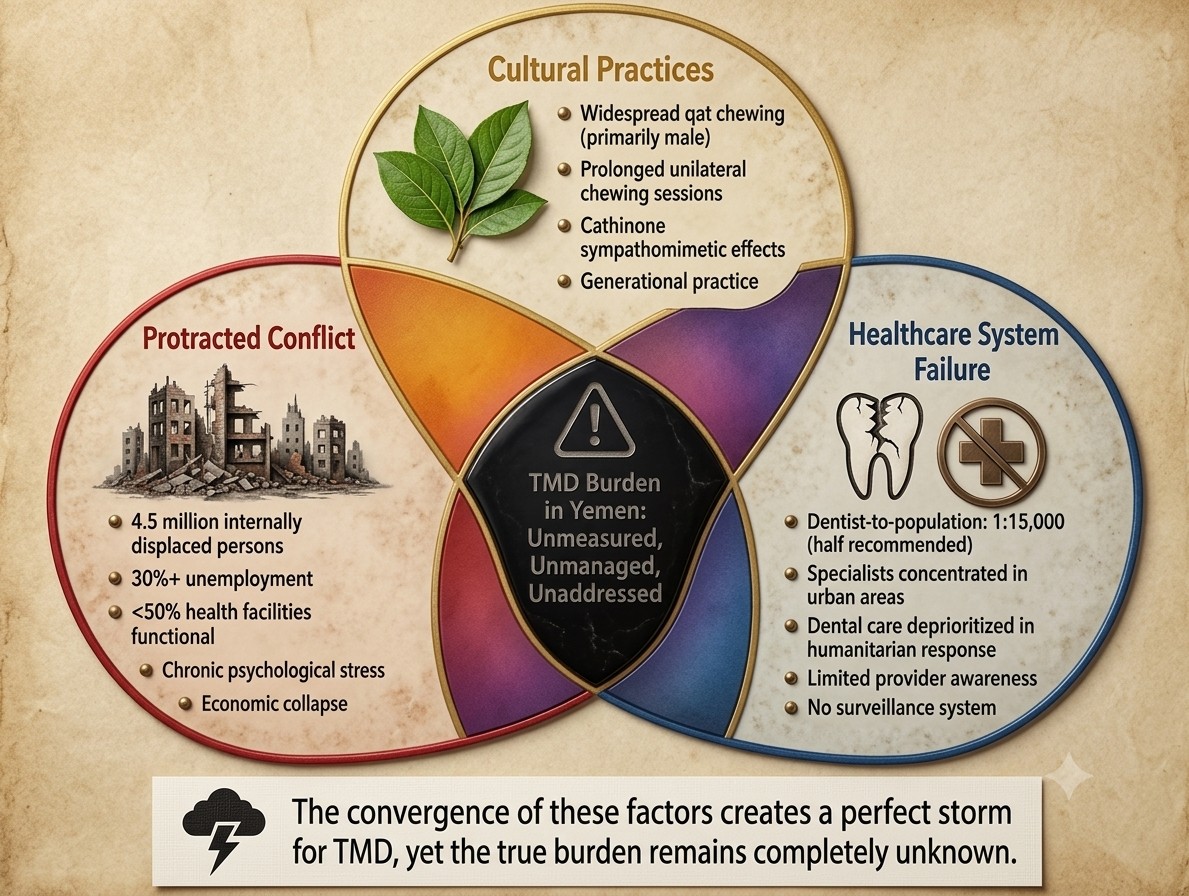
Yemen is collapsing. Twenty-one million people need humanitarian assistance. Less than half of health facilities are functional. The dentist-to-population ratio is half the recommended standard (World Health Organization, 2024). In this landscape of devastation, a silent, invisible, and poorly understood health crisis is unfolding: temporomandibular disorders (TMD).
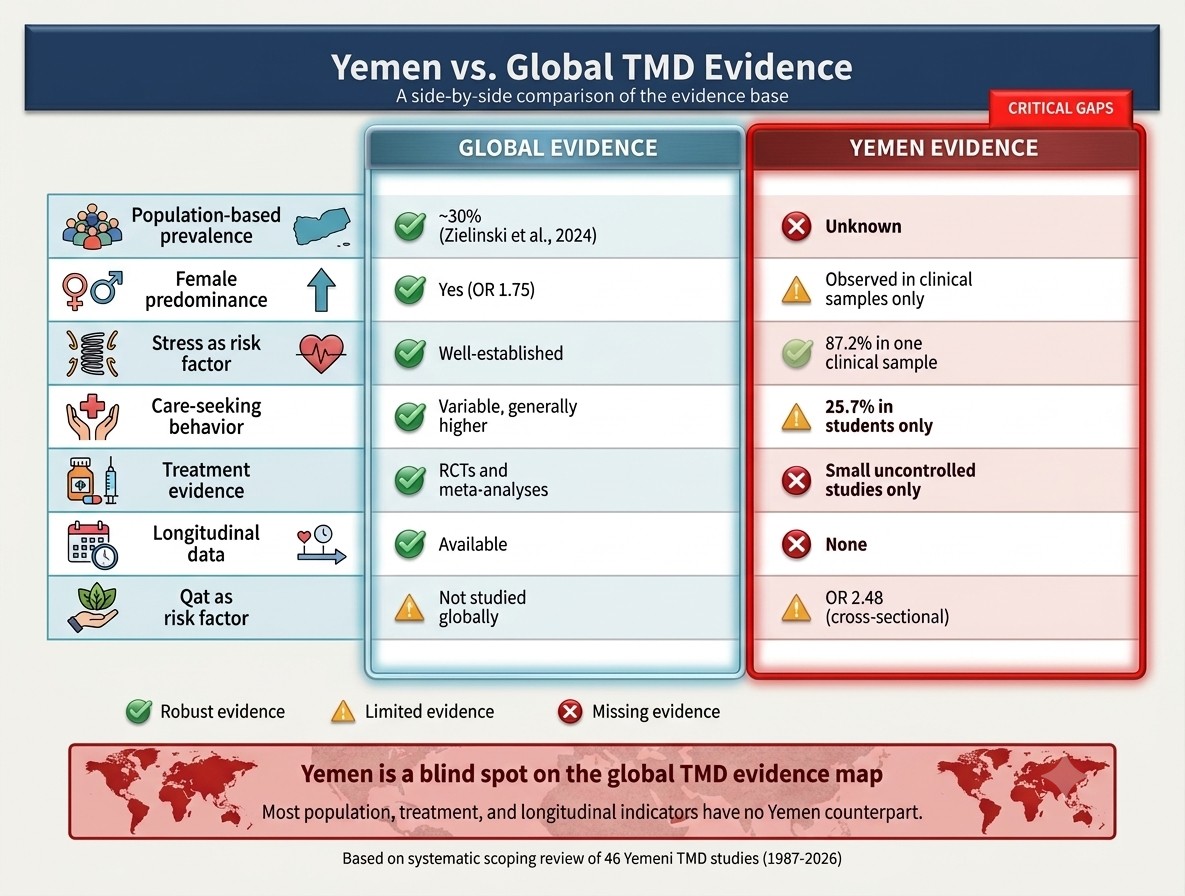
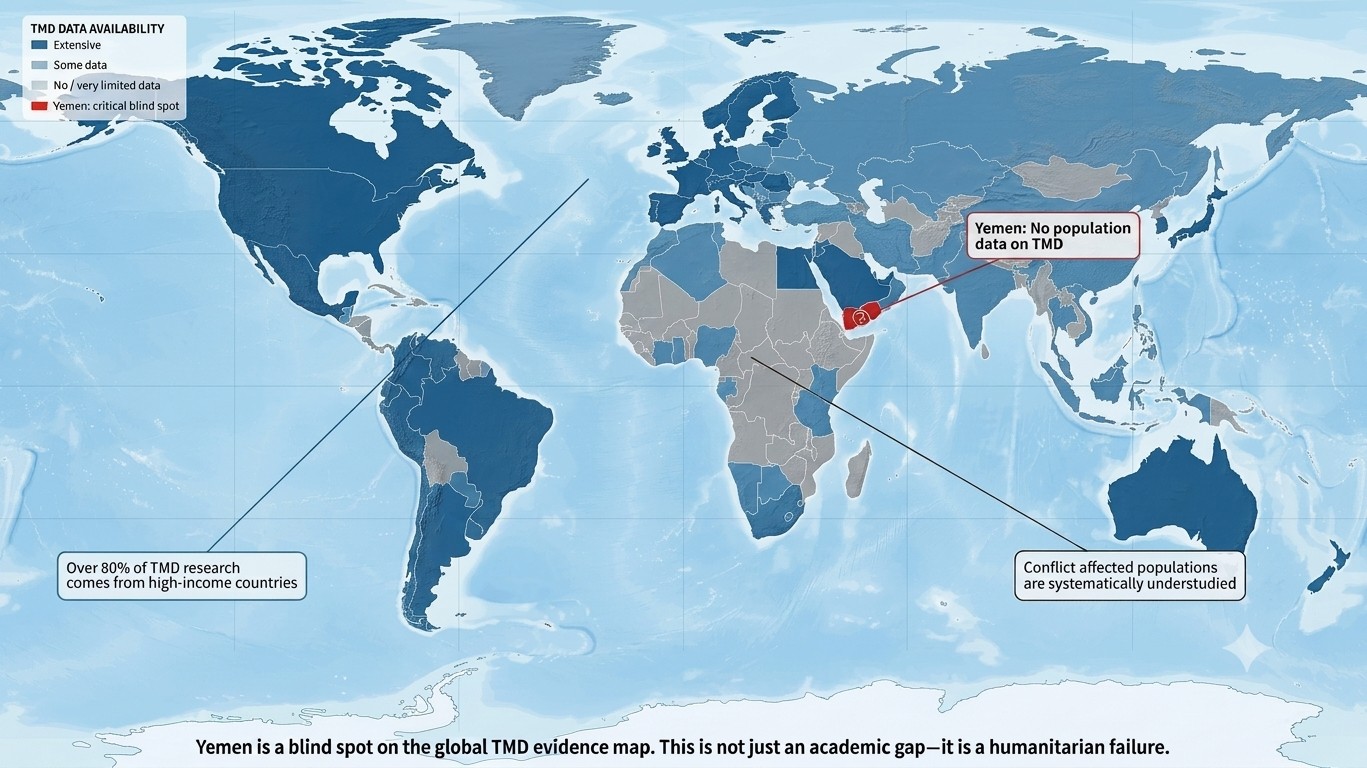
TMD affects the jaw joint and chewing muscles. It causes chronic pain, difficulty eating, sleep disturbances, and profound psychological distress (Binaljadm et al., 2026). Globally, one in three adults will experience TMD symptoms in their lifetime (Zieliński, Pająk-Zielińska and Ginszt, 2024). But in Yemen? We have absolutely no idea. Not a single population-based study exists (Hajeb et al., 2025). This is not merely an academic gap. It is a policy failure that perpetuates suffering and wastes scarce resources.
 |
|
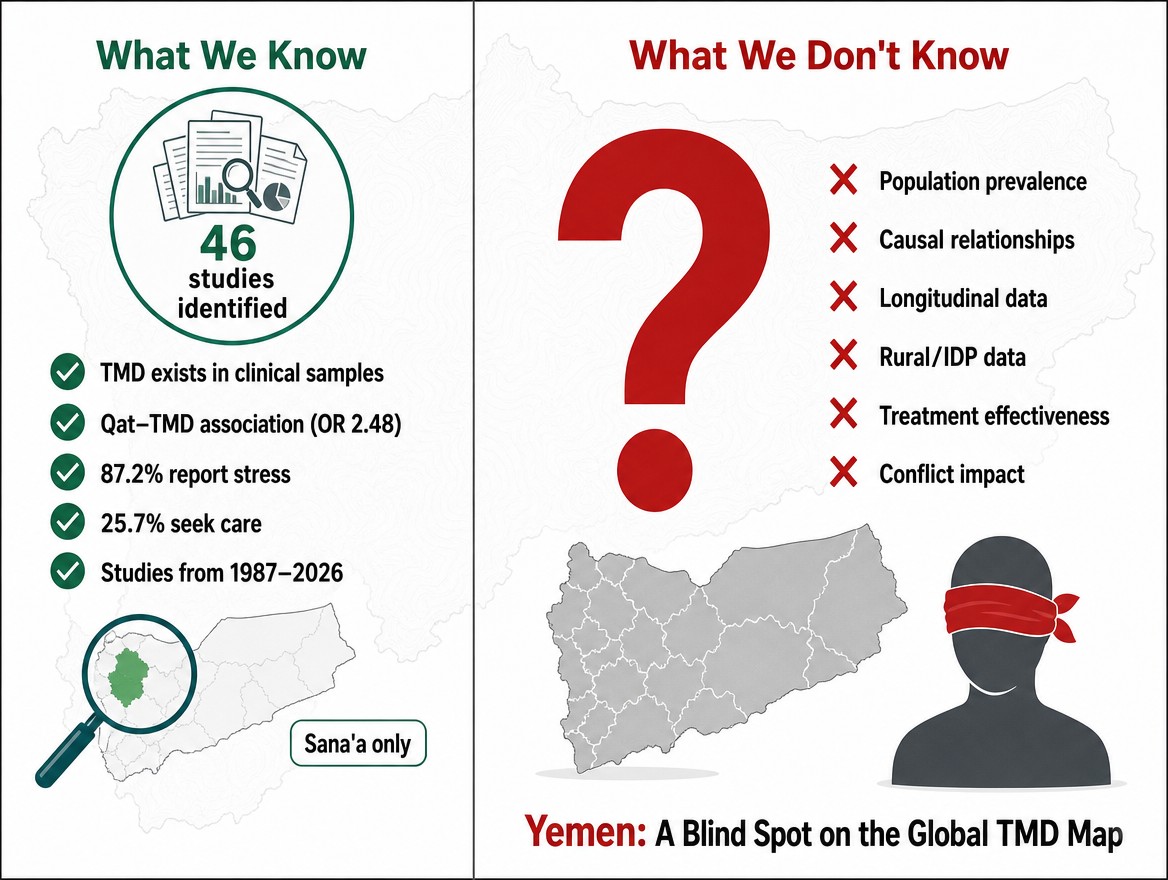
FIGURE 1: The TMD Evidence Gap in Yemen – What We Know vs. What We Don’t Know Comparison of available evidence versus critical knowledge gaps in Yemeni TMD research. Left panel shows the limited findings from 46 convenience-sample studies (1987–2026). Right panel highlights the extensive missing evidence needed for policy and practice. Abbreviations: TMD, temporomandibular disorders; IDP, internally displaced person; OR, odds ratio. |
What We Know: A House Built on Sand
A systematic scoping review of all Yemeni research from 1987 to 2026 identified 46 studies. Every single one used convenience samples i.e., clinical patients or university students. None represent the general population (Al-Sakkaf et al., 2026).
Here is what we can say with confidence:
- Pain is pervasive. In one clinical sample, 82.4% reported pain and 87.2% reported emotional stress (Hajeb et al., 2025).
- Qat chewing is associated with joint damage. A meta-analysis of 13 observational studies (N=3,526) found an odds ratio of 2.48 (95% CI: 1.20-5.09) for TMD among qat chewers, though with substantial heterogeneity (I²=84.68%) and very low quality evidence (GRADE) (Al-Qadhi et al., 2026).
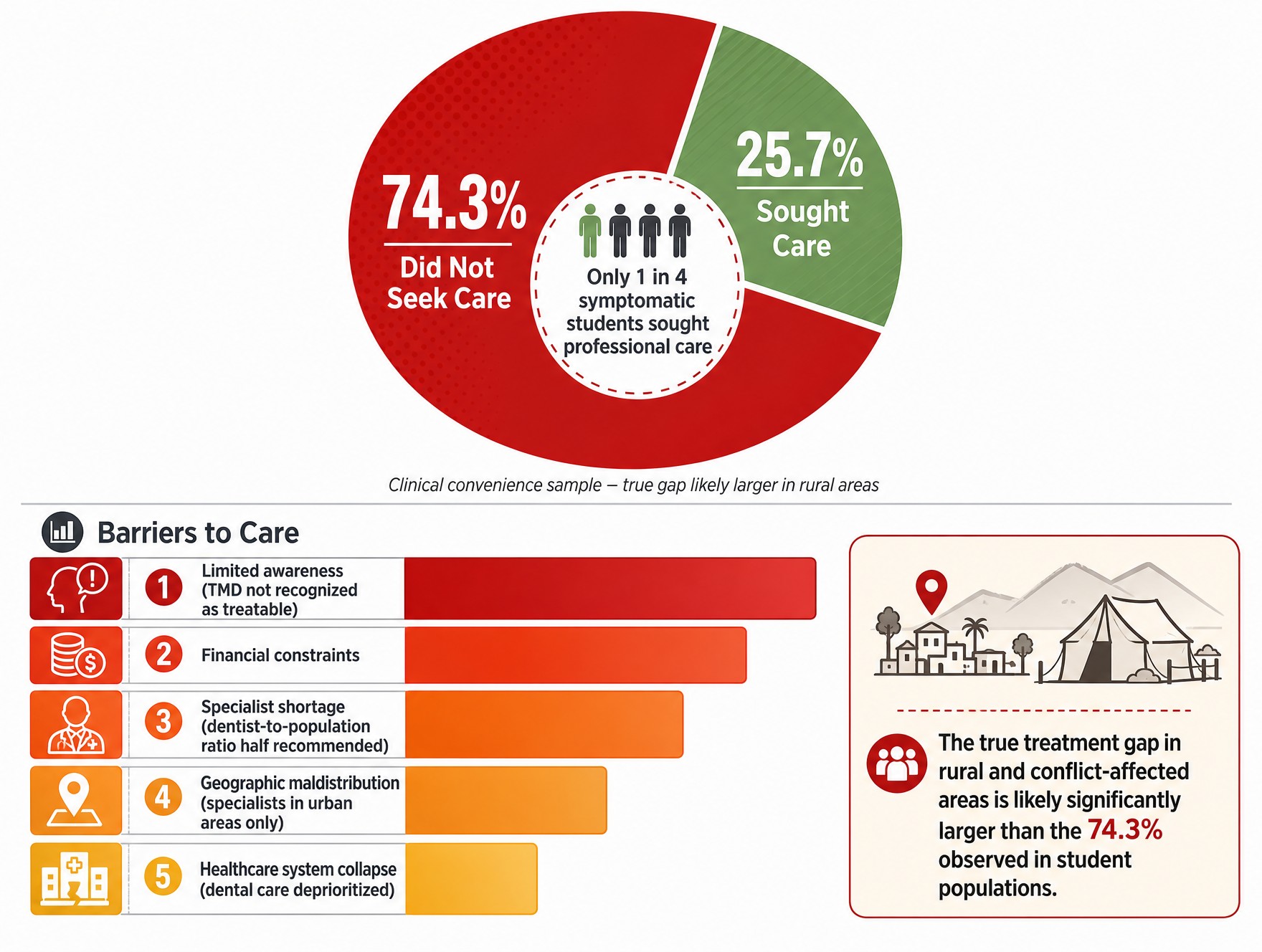
- Care-seeking is abysmal. Only 25.7% of symptomatic students sought professional care (Rageh et al., 2025).
- Treatment evidence is dangerously weak. All treatment studies are small, uncontrolled, and at high risk of bias (Ahmed et al., 2023; Al-hadad et al., 2024; Al-Kibsi and Al-Shamahy, 2024; Sulaiman et al., 2025).
- Study quality is moderate at best. Mean JBI score was 6.5/9, with 83% using convenience sampling and 76% failing to control for confounding (Al-Sakkaf et al., 2026).
Here is what we cannot say, and this is what should alarm every policymaker:
- We cannot state the population prevalence of TMD in Yemen.
- We cannot know whether the burden has changed during the conflict.
- We cannot determine whether qat chewing causes TMD or whether the association is explained by stress, socioeconomic factors, or other confounders (Al-Qadhi et al., 2026).
- We have no longitudinal data on progression.
- Rural and conflict-affected areas are completely unstudied (Al-Sakkaf et al., 2026).
 |
|
FIGURE 2: The Converging Risk Factors for Temporomandibular Disorders (TMD) in Yemen. The diagram illustrating the three major risk factor domains converging to create an unmeasured TMD burden in Yemen: protracted conflict, cultural practices (qat chewing), and healthcare system failure. The intersection represents the unknown crisis. |
Why This Matters: The Human and Economic Cost
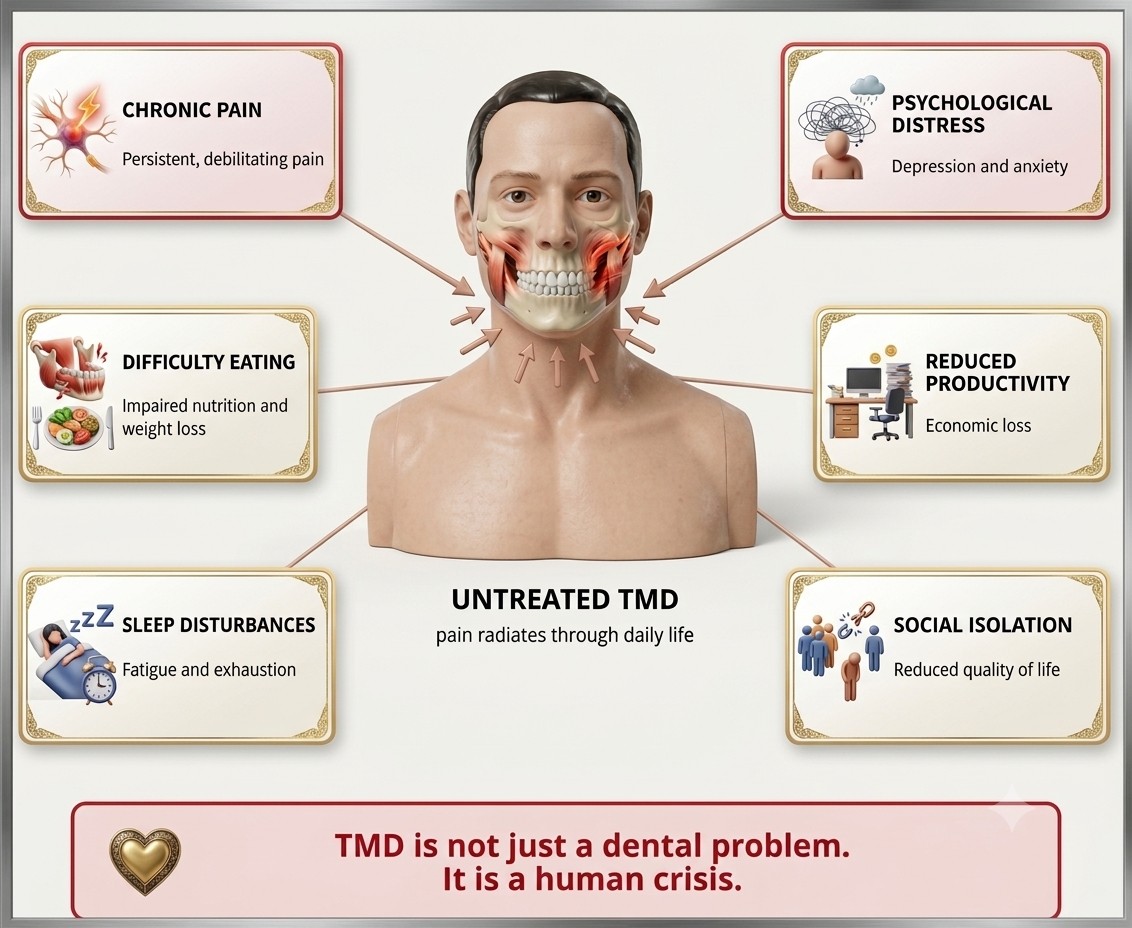
TMD is not a minor dental complaint. It is a debilitating condition that impairs nutrition, sleep, mental health, and economic productivity. In a country where food is already scarce and mental health services are virtually non-existent, untreated TMD compounds suffering in ways that are both profound and preventable.
The treatment gap is staggering. Only one in four symptomatic students sought care (Rageh et al., 2025). In rural areas and displacement camps, the gap is almost certainly worse. Barriers include limited awareness, financial constraints, geographic maldistribution of specialists, and a healthcare system in collapse where dental services are deprioritized relative to immediate survival needs (World Health Organization, 2024).
 |
|
FIGURE 3: The Treatment Gap – Care-Seeking Among Symptomatic Patients. Care-seeking behaviour among symptomatic dental students in Yemen (n=148). Only 25.7% sought professional care. The lower panel ranks barriers to care by severity, with the most critical barriers in dark red. |
Stress is the elephant in the room. Yemenis have endured protracted war, displacement, economic collapse, and loss of livelihood. These are precisely the conditions that exacerbate TMD (Hajeb et al., 2025). Yet mental health support is absent from dental services, and dental care is absent from humanitarian health responses (World Health Organization, 2024).
Qat chewing adds complexity. Qat is culturally embedded and economically significant (Al-Maweri and Halboub, 2026). Stigmatization or prohibition is neither feasible nor helpful. What is needed is culturally appropriate harm reduction that respects local practices while addressing potential health impacts. This requires research, dialogue, and community engagement, not moral posturing.
 |
|
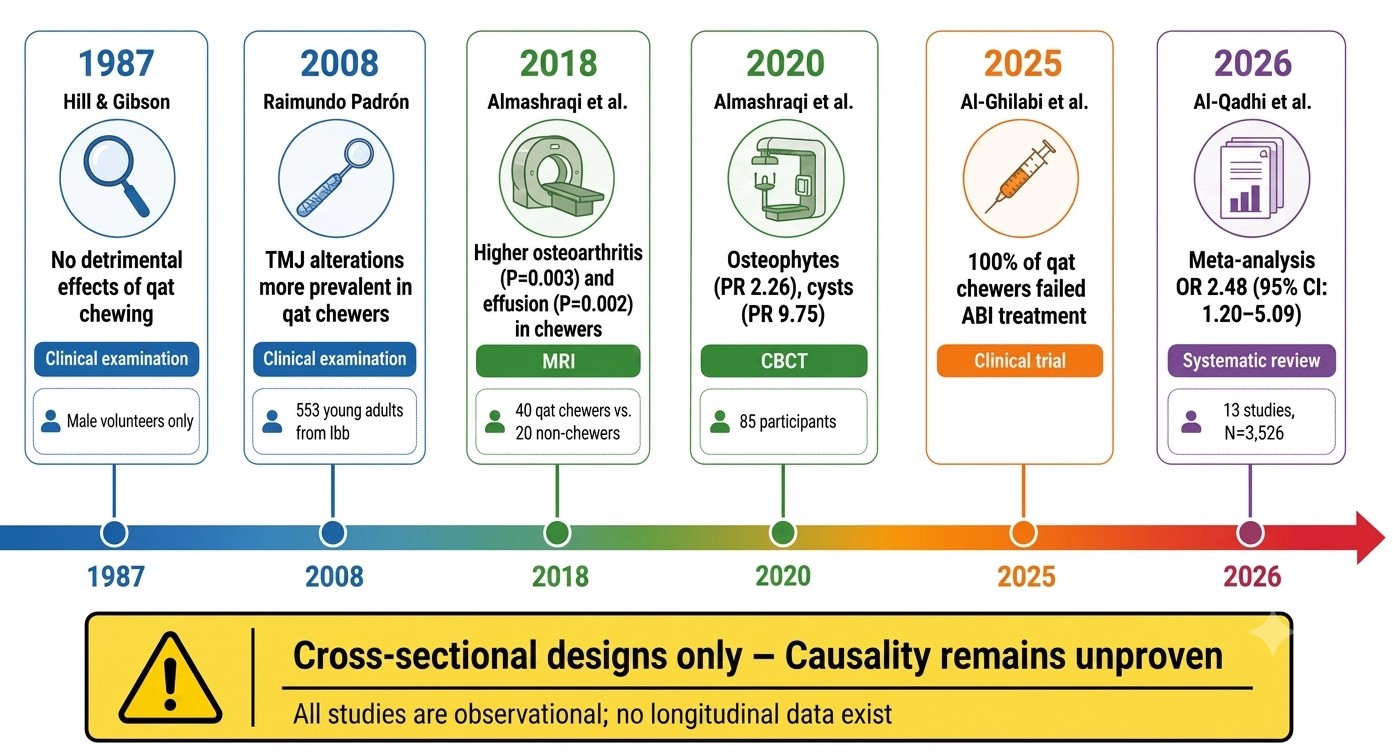
FIGURE 4: The Historical Contradiction – Qat and TMD Evidence Over Time (1987–2026). Timeline showing the evolution of evidence on qat chewing and TMD in Yemen. Colour-coded markers indicate evidence type: blue (clinical examination), green (imaging), orange (clinical trial), purple (systematic review). The yellow caution box highlights that all studies are cross-sectional, so causality remains unproven. Abbreviations: TMJ, temporomandibular Joint; TMD, temporomandibular disorders; OR, odds ratio; CI, confidence interval; MRI, magnetic resonance imaging; CBCT, cone beam computed tomography; PR, prevalence ratio; ABI, autologous blood injection. |
The Historical Contradiction: A Warning Sign
The earliest study on qat and oral health in Yemen, conducted by Hill and Gibson (1987), found no detrimental effects. Modern evidence from MRI and CBCT studies tells a dramatically different story: significantly higher rates of osteoarthritis (P=0.003), joint effusion (P=0.002), osteophytes (PR 2.26, 95% CI: 1.27-4.02), and cysts (PR 9.75, 95% CI: 2.08-45.7) in qat chewers (Almashraqi et al., 2018; Almashraqi et al., 2020).
Why the contradiction? Methodological improvements (clinical examination versus advanced imaging), secular changes in qat use over four decades, the massive increase in psychosocial stress due to conflict, and the inclusion of both sexes in later studies (Almashraqi et al., 2018; Almashraqi et al., 2020). But the cross-sectional design of all studies means causality remains unproven (Al-Qadhi et al., 2026). This is not a reason for inaction. It is a reason for urgent, high-quality research.
 |
|
FIGURE 5: Yemen vs. Global TMD Evidence – A Comparison Comparison of global TMD evidence standards (left) with the current Yemeni evidence base (right). Global estimates are derived from meta-analyses (Zieliński, Pająk-Zielińska and Ginszt, 2024; Alqutaibi et al., 2025). Yemen data are from convenience samples only. The red/grey shading indicates critical missing evidence. Abbreviations: TMD, temporomandibular disorders; OR, odds ratio; RCT, randomised controlled trial; CI, confidence interval. |
Five Urgent Priorities for Action
 |
|
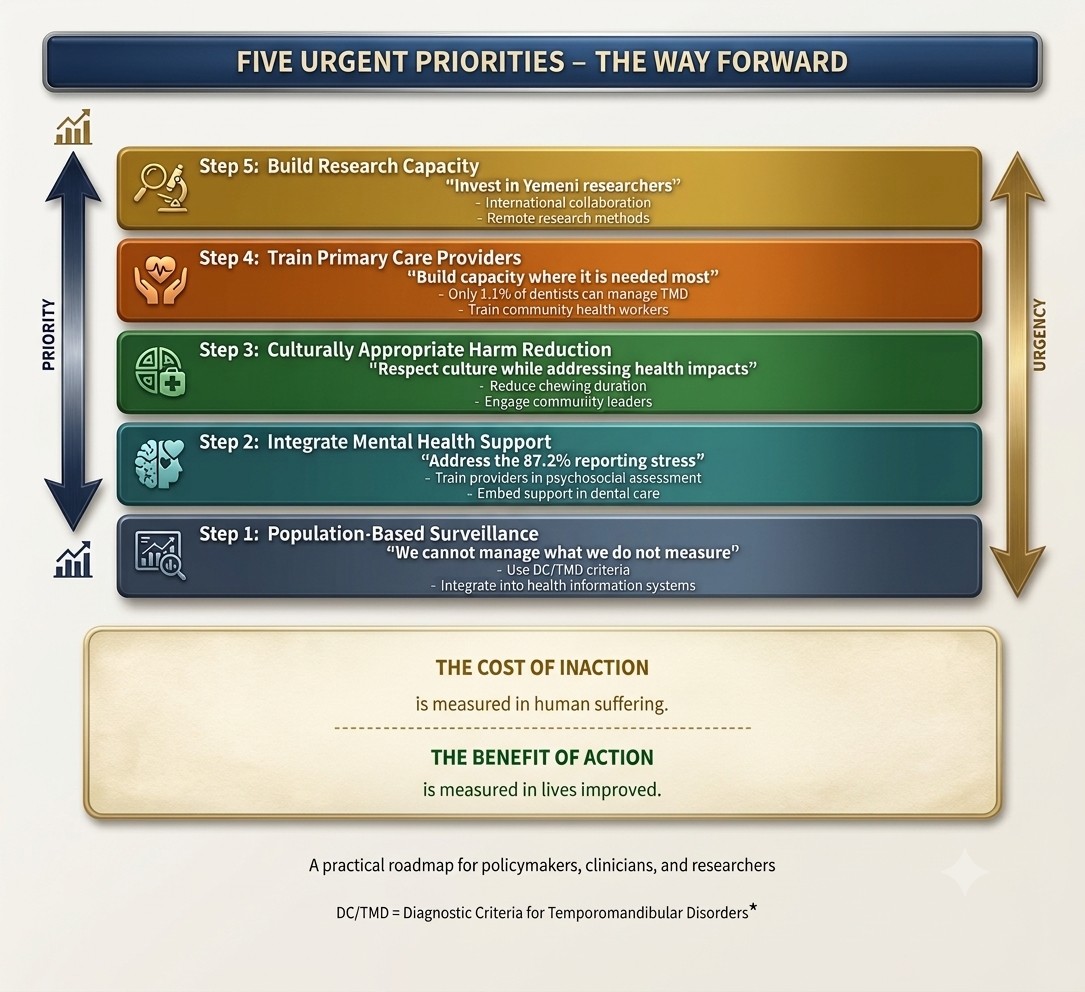
FIGURE 6: Five Urgent Priorities – The Way Forward Staircase infographic showing the five priority actions required to address the TMD crisis in Yemen. Each step includes a key message and is colour-coded by priority domain. Abbreviations: TMD, temporomandibular disorders; DC/TMD, Diagnostic Criteria for Temporomandibular Disorders. |
- Establish Population-Based Surveillance – Now
This is non-negotiable. Without prevalence data, there is no basis for resource allocation, service planning, or policy making (Al-Sakkaf et al., 2026). Surveillance should use the internationally validated DC/TMD diagnostic criteria (Schiffman et al., 2014). Where security permits, this can be integrated into existing health information systems or humanitarian assessments. We cannot manage what we do not measure.
- Integrate Mental Health Support into Dental Services
With 87.2% of TMD patients reporting emotional stress (Hajeb et al., 2025), dental providers must be trained to assess psychological factors and make appropriate referrals. Where mental health services are unavailable, brief psychosocial support can be integrated into dental care. This is not optional. It is essential.
- Develop Culturally Appropriate Harm Reduction for Qat Chewing
Prohibition is not the answer. Harm reduction is. Interventions should focus on reducing chewing duration, promoting bilateral chewing, and raising awareness of potential risks. Community leaders and religious scholars must be engaged. Research is needed to test the effectiveness of such approaches.
- Train Primary Care Providers in Basic TMD Assessment
Specialists are concentrated in urban areas and are scarce. Primary care providers including general dentists and community health workers, can be trained to recognize TMD, provide conservative management, and make appropriate referrals. This is feasible even in resource-constrained settings. The current reality is alarming: only 41.5% of dentists in Aden accurately defined centric relation, and 68% of public-sector dentists lacked articulators (Elsheikh et al., 2025). Only 1.1% of general dentists reported ability to independently manage suspected stomatognathic movement disorder cases (Jamali et al., 2026). This must change.
- Build Research Capacity Through International Collaboration
Yemeni researchers face extraordinary challenges: security risks, limited infrastructure, and brain drain (World Health Organization, 2024). International partnerships can provide technical support, training, and mentorship while ensuring that research is locally led and culturally appropriate. Remote research methods should be explored where field work is not feasible. The global health community cannot look away.
 |
|
FIGURE 7: The Human Cost – TMD Impacts on Daily Life Human-centred infographic illustrating the cascading impacts of untreated TMD on an individual’s life. The jaw is highlighted In red, with radiating effects on pain, nutrition, sleep, mental health, productivity, and social wellbeing. Abbreviations: TMD, temporomandibular disorders. |
The Cost of Inaction: Predictable and Preventable
The consequences of continued inaction are not speculative. They are predictable:
- Untreated TMD will cause ongoing suffering, impaired nutrition, and reduced productivity.
- Health resources will continue to be allocated without evidence.
- The treatment gap will widen.
- Yemen will remain a blind spot in the global understanding of TMD in conflict settings.
The cost of action is modest. Integrating TMD assessment into existing health surveys requires minimal additional resources. Training primary care providers can be done through existing continuing education mechanisms. International research partnerships often bring their own funding.
What is lacking is not resources. What is lacking is awareness and prioritization.
 |
|
FIGURE 8: Yemen – A Blind Spot on the Global TMD Map World map showing TMD data availability globally. Countries with extensive research are shaded dark blue; those with limited or no data are grey. Yemen is highlighted in red with a question mark, indicating the complete absence of population-based TMD data. Abbreviations: TMD, temporomandibular disorders. |
A Call to Action: Who Must Do What
To the Yemeni Ministry of Health and Population:
- Include TMD surveillance in national health information systems.
- Integrate dental and mental health services.
- Support training for primary care providers.
To international donors and humanitarian agencies:
- Recognize oral health as part of essential health services.
- Fund population-based research.
- Support mental health integration.
- Include dental care in humanitarian health packages.
To researchers and academic institutions:
- Partner with Yemeni investigators.
- Support capacity building.
- Publish and disseminate findings.
- Advocate for policy change.
To the global health community:
- Recognize that conflict-affected populations face unique health challenges that are poorly understood.
- Support research that can inform evidence-based responses.
- Ensure that oral health is not neglected in humanitarian settings.
 |
|
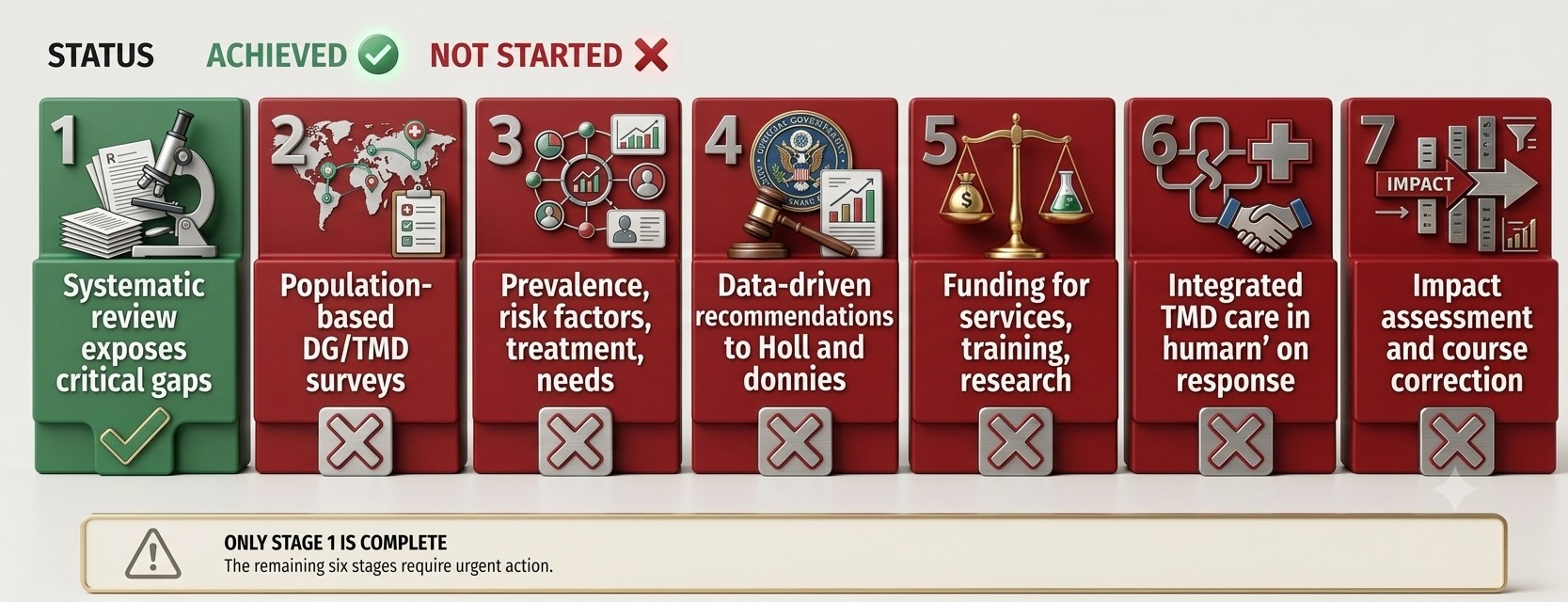
FIGURE 9: The Research-to-Policy Pipeline Horizontal pipeline showing the pathway from research gap identification to policy implementation. Only Stage 1 (Research Gap Identified) has been achieved. Stages 2–7 remain incomplete, highlighting the urgent need for action. Abbreviations: TMD, temporomandibular disorders; DC/TMD, Diagnostic Criteria for Temporomandibular Disorders. |
Conclusion: The Evidence Is Absent, but the Need Is Not
Yemen’s conflict has created a convergence of risk factors for TMD: widespread stress, disrupted healthcare, and cultural practices that may affect joint health. Yet the evidence base is critically insufficient. We cannot manage what we do not measure. We cannot treat what we do not recognize. We cannot plan without data.
The primary contribution of this review is not what it reveals but what it exposes: a near complete absence of population-based evidence. This is not merely an academic gap. It is a policy failure that perpetuates suffering and wastes scarce resources.
The way forward is clear. Establish surveillance. Integrate services. Train providers. Build capacity. The cost of inaction is measured in human suffering. The benefit of action is measured in lives improved.
The evidence is absent, but the need is not. It is time to act.
 |
|
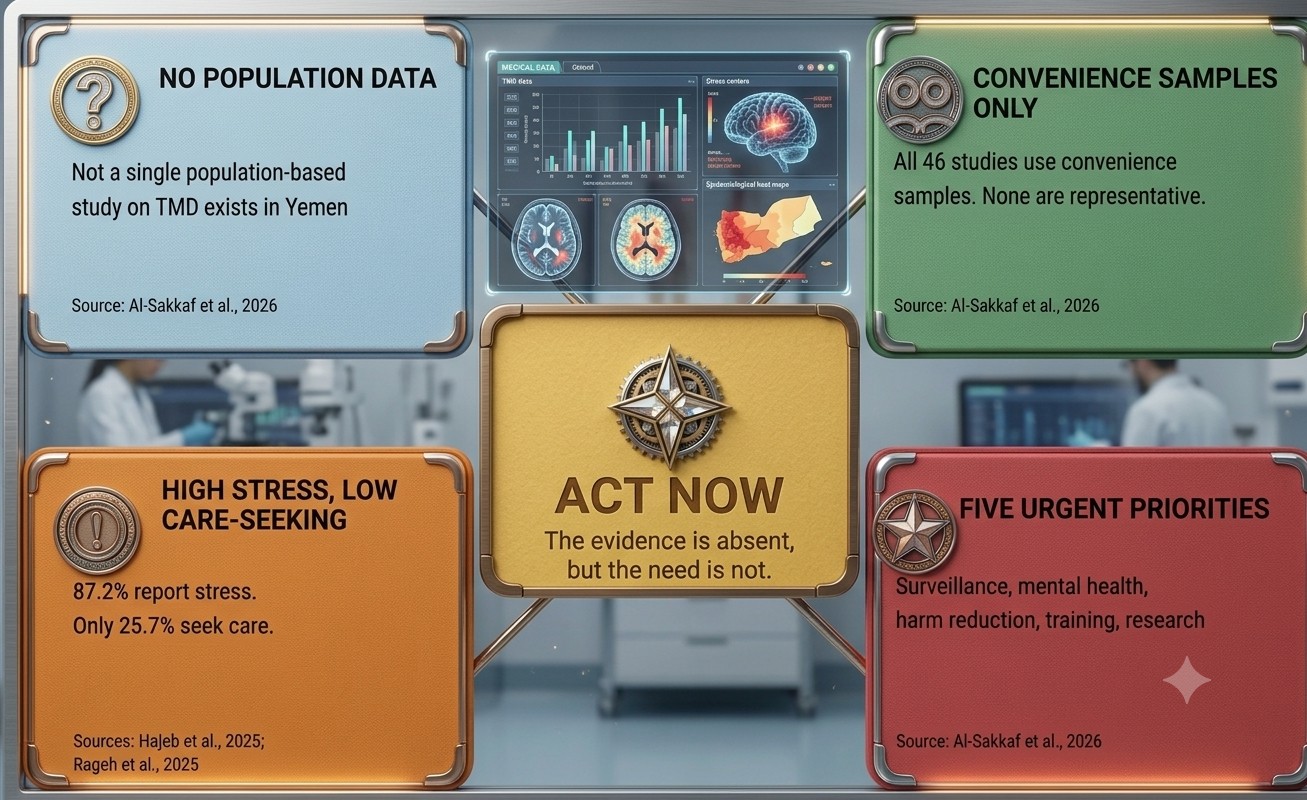
FIGURE 10: Summary – Key Messages and Call to Action Four-quadrant summary infographic consolidating the key messages of this policy brief. The central call to action emphasises that the evidence is absent but the need is not. Contact information is provided for the corresponding author. Abbreviations: TMD, temporomandibular disorders; OR, odds ratio; CI, confidence interval. |
Acknowledgements
The authors extend their sincere gratitude to all researchers whose work formed the foundation of the scoping review informing this policy brief. The authors gratefully acknowledge the insightful contributions of Prof. Dr. Mahmood Md. Mohsen Al-Sakkaf, Genetic-Epidemiologist at the Faculty of Medicine and Health Sciences, University of Aden, Yemen, for his expert guidance and critical appraisal of the evidence synthesis. The authors also thank their respective institutions for providing the academic environment and support necessary for this work.
Conflicts of Interest
The authors declare that they have no conflicts of interest.
Funding
None. This research received no specific grant from any funding agency in the public, commercial, or not-for-profit sectors.
Ethical Considerations
This policy brief is based on a systematic scoping review of published literature and did not involve primary data collection from human participants. All data were derived from previously published, peer-reviewed studies; no individual patient data were accessed or analyzed. Ethical approval was therefore not required. The authors adhered to standard scientific integrity principles, including transparency, accuracy in data reporting, and proper attribution of original sources. This work was conducted in accordance with the Declaration of Helsinki principles regarding research integrity and the responsible conduct of research.
Data Availability
All data are derived from published studies and reports cited in the reference list. No primary data were collected. The full scoping review is available from the corresponding author upon reasonable request.
References
Ahmed, M.M.S., Shi, D., Al-Somairi, M.A.A., Alhashimi, N., Almashraqi, A.A., Musa, M. et al. (2023) ‘Three dimensional evaluation of the skeletal and temporomandibular joint changes following stabilization splint therapy’, BMC Oral Health, 23, p. 18. doi:10.1186/s12903-023-02720-w.
Al-hadad, S.A., Ahmed, M.M.S., Zhao, Y., Wang, L., Hu, W., Li, C. et al. (2024) ‘Skeletal, dentoalveolar and soft tissue changes after stabilization splint treatment for patients with temporomandibular joint disorders’, BMC Oral Health, 24, p. 479. doi:10.1186/s12903-024-04260-3.
Al-Kibsi, T.A.M. and Al-Shamahy, H.A. (2024) ‘Effectiveness of Butorphanol Intra Articular Injection in Signs and Symptoms of Internal Disorders of the Temporomandibular Joint’, Sana’a University Journal of Medicine and Health Sciences, 18(1), pp. 11-16. doi:10.59628/jchm.v18i1.587.
Al-Maweri, S.A. and Halboub, E.S. (2026) ‘Khat (Catha edulis) Chewing and Oral Health’, in Prabhu, S.R., Warnakulasuriya, S. and Bhardwaj, S. (eds.) Lifestyle in Oral Health and Disease. Cham: Springer, pp. 97-110. doi:10.1007/978-3-032-05888-1_8.
Al-Qadhi, G., Al-Wesabi, M., Almashraqi, A.A., Ali, K., Almeslet, A.S., Al-Maweri, A.A. and Al-Maweri, S.A. (2026) ‘Association between khat chewing and temporomandibular disorders: a systematic review and meta-analysis of observational studies’, BMC Oral Health, 26(1), p. 433. doi:10.1186/s12903-026-07789-7.
Al-Sakkaf SAH, Al-Sakkaf AAA, Al-Sakkaf AMM. Beyond the War: Mapping the Hidden Burden of Temporomandibular Disorders in Conflict‑Affected Yemen: A Scoping Review and Research Agenda [Preprint]. ResearchGate; 2026 Aug [cited 2026 Aug 26]. Available from: https://www.researchgate.net/publication/413623013_Beyond_the_War_Mapping_the_Hidden_Burden_of_Temporomandibular_Disorders_in_Conflict-Affected_Yemen_A_Scoping_Review_and_Research_Agenda
Almashraqi, A.A., Ahmed, E.A., Mohamed, N.S. and Halboub, E.S. (2018) ‘An MRI evaluation of the effects of qat chewing habit on the temporomandibular joint’, Oral Surgery, Oral Medicine, Oral Pathology and Oral Radiology, 126(3), pp. 272-282.e2. doi:10.1016/j.oooo.2018.05.005.
Almashraqi, A.A., Halboub, E.S., Al-Maweri, S.A., Barngkgei, I., Al-wesabi, M.A., Al-kamel, A. et al. (2020) ‘Cone Beam Computed Tomography Findings in Temporomandibular Joint of Chronic Qat Chewers: Dimensional and Osteoarthritic Changes’, Journal of Oral Rehabilitation, 47(12), pp. 1538-1549. doi:10.1111/joor.13092.
Binaljadm, T.M., Al-Gabri, R.S., Saker, S., AboAlrejal, H.O., Saeed, M.H. and Alqutaibi, A.Y. (2026) ‘Temporomandibular Disorders Diagnosis: Current Challenges and the Promising Role of Artificial Intelligence’, European Journal of Dentistry. doi:10.1055/s-0046-1816081.
Elsheikh, N.M.A., Farhan, H.M.Q., Ali, H.A.A. et al. (2025) ‘Knowledge and Perception of Occlusion among Dentists in Aden, Yemen’, Yemeni Journal of Medical Sciences, 19(11). doi:10.20428/yjms.v19i11.3341.
Hajeb, R.M., Abdulghani, M.A.M., Al-wesabi, M.A. and Al-Maweri, S.A. (2025) ‘Exploring the Risk Factors Associated with Temporomandibular Disorders: A Cross-Sectional Study Among a Sample of Yemeni Patients’, Malaysian Journal of Public Health Medicine, 25(2), pp. 201-210. doi:10.37268/mjphm/vol.25/no.2/art.3315.
Hill, C.M. and Gibson, A. (1987) ‘The oral and dental effects of q’at chewing’, Oral Surgery, Oral Medicine, Oral Pathology, 63(4), pp. 433-436. doi:10.1016/0030-4220(87)90255-6.
Jamali, O.M., Jamali, R., Al Riachi, M., Al-sharjabi, M., Abu sanad, K., Hussein, B. et al. (2026) ‘Are dental practitioners prepared to recognize stomatognathic movement disorders?’, BDJ Open, 12, p. 75. doi:10.1038/s41405-026-00470-9.
Rageh, O.A., Al-Yafeai, E., Al-Malahi, H. et al. (2025) ‘Prevalence of Temporomandibular Joint Disorders (TMD) Among Dental Students in Yemeni Universities’, Yemeni Journal of Medical Sciences, 19(4). doi:10.20428/yjms.v19i4.2860.
Schiffman, E., Ohrbach, R., Truelove, E. et al. (2014) ‘Diagnostic Criteria for Temporomandibular Disorders (DC/TMD) for Clinical and Research Applications’, Journal of Oral and Facial Pain and Headache, 28(1), pp. 6-27. doi:10.11607/jop.1151.
Sulaiman, A.S.A., Abbas, A.K.M.A., Abdul Majid, A.L.A., Al-Rohmi, F.M.A., Al-Muntaser, A.Q.H., Al-Moyed, K.A. et al. (2025) ‘Effects of Low Level Laser in the Treatment of Myofascial Pain Dysfunction Temporomandibular Joint’, Universal Journal of Pharmaceutical Research, 10(2). doi:10.22270/ujpr.v10i2.1314.
World Health Organization (2024) Yemen Health Cluster Bulletin. Available at: https://www.emro.who.int/yemen/yemen-infocus/health-cluster-bulletin.html (Accessed: 15 August 2026).
Zieliński, G., Pająk-Zielińska, B. and Ginszt, M. (2024) ‘A Meta-Analysis of the Global Prevalence of Temporomandibular Disorders’, Journal of Clinical Medicine, 13, p. 1365. doi:10.3390/jcm13051365.
About This Brief
This policy brief is based on a systematic scoping review of 46 Yemeni primary research studies on temporomandibular disorders conducted between 1987 and 2026. The review followed PRISMA ScR guidelines and included quality appraisal using JBI tools and Cochrane RoB 2.0. The full review is available from the authors upon request.
Key Messages
- Not a single population-based study on TMD exists in Yemen (Al-Sakkaf et al., 2026)
- All available evidence comes from convenience samples and cannot provide prevalence estimates (Al-Sakkaf et al., 2026)
- High stress (87.2%) and low care-seeking (25.7%) are consistently observed (Hajeb et al., 2025; Rageh et al., 2025)
- Qat chewing shows cross-sectional associations (OR 2.48; 95% CI: 1.20-5.09) but causality is unproven (Al-Qadhi et al., 2026)
- Five urgent priorities are identified: surveillance, mental health integration, harm reduction, provider training, and research capacity building
About the Authors and Their Contributions

All authors contributed equally to the conceptualization, scope definition, target audience identification, and systematic investigation. They collectively conducted the literature review and synthesis of peer-reviewed studies from Yemen, WHO reports, and international literature to support this policy brief. All authors reviewed and approved the final manuscript.

Dr. Sami A. Hosain Al-Sakkaf, MSc, PhD

Orthodontist & TMJ Specialist | 25+ years in clinical practice, education, and research | Faculty of Dentistry, University of Hodeidah, Yemen | Lead Author, Temporomandibular Disorders: A Comprehensive Guide for Yemeni Dental Students (in press) and the TMD Scoping Review | Research interests: TMD, craniofacial growth, and orthodontic care in resource-limited settings | Corresponding author.

ORCID: 0009-0005-0022-7242

Email: Sami.a.h.alsakkaf@gmail.com

Dr. Ahmed A. Abdulrahman Al-Sakkaf, BDS

Dentist & Oral Health Researcher | Faculty of Dentistry, University of Hodeidah, Yemen | 10+ years in clinical dentistry, education, and research | Co-Author of the TMD Scoping Review and textbook | Research interests: oral health epidemiology, TMD, and dental education in conflict-affected settings.

ORCID: 0009-0009-9914-6635

Email: Ahmed.a.a.AlSakkaf@gmail.com

Dr. Akram M. Mohammed Al-Sakkaf, MBChB, MPH

Physician, Public Health & Implementation Research Specialist | WHO-TDR Fellow | University of Aden | 15+ years in public health, research, and health programming | Co-Author of the TMD Scoping Review and textbook | Research interests: health systems strengthening, implementation science, and equitable service delivery in humanitarian settings.

ORCID: 0000-0003-4709-4596

Email: Akram.m.alsakkaf@gmail.com