IN A NUTSHELL Authors’ Executive SummaryAcross Yemen, more than 23,000 female Community Health and Nutrition Volunteers (CHNVs) serve as the first point of contact with the health system for millions of families pushed beyond routine reach by conflict, displacement, poverty, and geography. This article examines the critical role of CHNVs in sustaining health and nutrition services in one of the world's most protracted humanitarian crises. Drawing on data from the 2026 Humanitarian Needs and Response Plan, WHO assessments, and peer-reviewed research, we find that CHNVs identify excluded populations, provide early screening and referral, and build community trust that formal services cannot replicate. However, their potential remains unrealized: referral pathways often fail, facilities are under-resourced, and volunteers carry the burden of a system that expects them to deliver care without reliable support. We argue that CHNVs are not a temporary humanitarian fix but a structural necessity for equitable health access and long-term recovery. Sustained investment in training, supervision, fair incentives, functional referral systems, and formal integration into Yemen's primary healthcare framework is essential. "The last mile is not a place - it is a person. And that person deserves more than gratitude; she deserves commitment". Keywords: Community Health Workers, Yemen, Humanitarian Health, Primary Healthcare, Gender and Health, Health Equity, Conflict-Affected Settings, Nutrition, Disability Inclusion, Health System Strengthening
By Akram M. Mohammed Al-Sakkaf1,2*
Mohammad M. Mohsen Ali2
1 Faculty of Medicine and Health Sciences, University of Aden, Aden, Yemen
2 Save the Children International, Yemen
*Corresponding Author:
Akram M. Mohammed Al-Sakkaf, MBChB, MPH
Email: Akram.m.alsakkaf@gmail.com
Phone: +967 775097196
ORCID: https://orcid.org/0000-0003-4709-4596
At the Last Mile: How Female Community Health and Nutrition Volunteers Are Sustaining Access to Care in Yemen
In Yemen, female Community Health and Nutrition Volunteers (CHNVs) bring health and nutrition services closer to households that conflict, poverty, displacement and geography have pushed beyond routine reach. They screen children for malnutrition, support maternal and child health, encourage immunization and follow up referrals. Their work also matters for recovery: Yemen cannot rebuild sustainable primary healthcare without a reliable link between facilities and the communities they serve

For many families, the health system first arrives as a woman at the door, not as a health facility at the end of the valley.
Conceptual Framework: How CHNVs Bridge the Gap
To grasp how these volunteer networks operate within such a fragile state, it is necessary to analyze how localized actions can lead to broader systemic outcomes. The interplay between community presence and public health structures rests on six core principles (Figure 1):
- Localized Trust: CHNVs are deeply rooted in their villages, possessing local knowledge, established social ties, and cultural trust, qualities that outsiders/external humanitarian workers cannot easily replicate (Concern Worldwide, 2024; Lehman and Sanders, 2007).
- Integrated Pathways: Community outreach combined with support from formal facilities must be viewed as a cohesive service pathway; funding one aspect while neglecting the other results in a fractured referral system (Nutrition Cluster, 2024).
- Targeted Equity: Achieving equity does not simply involve disseminating a uniform message to all. It requires additional operational efforts where barriers i.e., physical, economic, or social; exist (OCHA Yemen, 2026; Marmot et al., 2012).
- Limits of Volunteerism: Sustainability cannot translate into transferring the structural operating costs and burdens of a failing state onto the shoulders of unpaid women (Alam et al., 2012; Maes et al., 2018).
- Resilient Capacity: Recovery after crises necessitates that built-in human capacity includes specifically trained locals who remain present in their communities even between emergency funding cycles (UNICEF Yemen, 2026a; Blanchet et al., 2017).
- Public Formalization: The roles of volunteers need to be formally connected to the public health system through standardized competencies, secure funding sources, and institutional accountability (Ministry of Public Health and Population, 2019; World Health Organization, 2018).
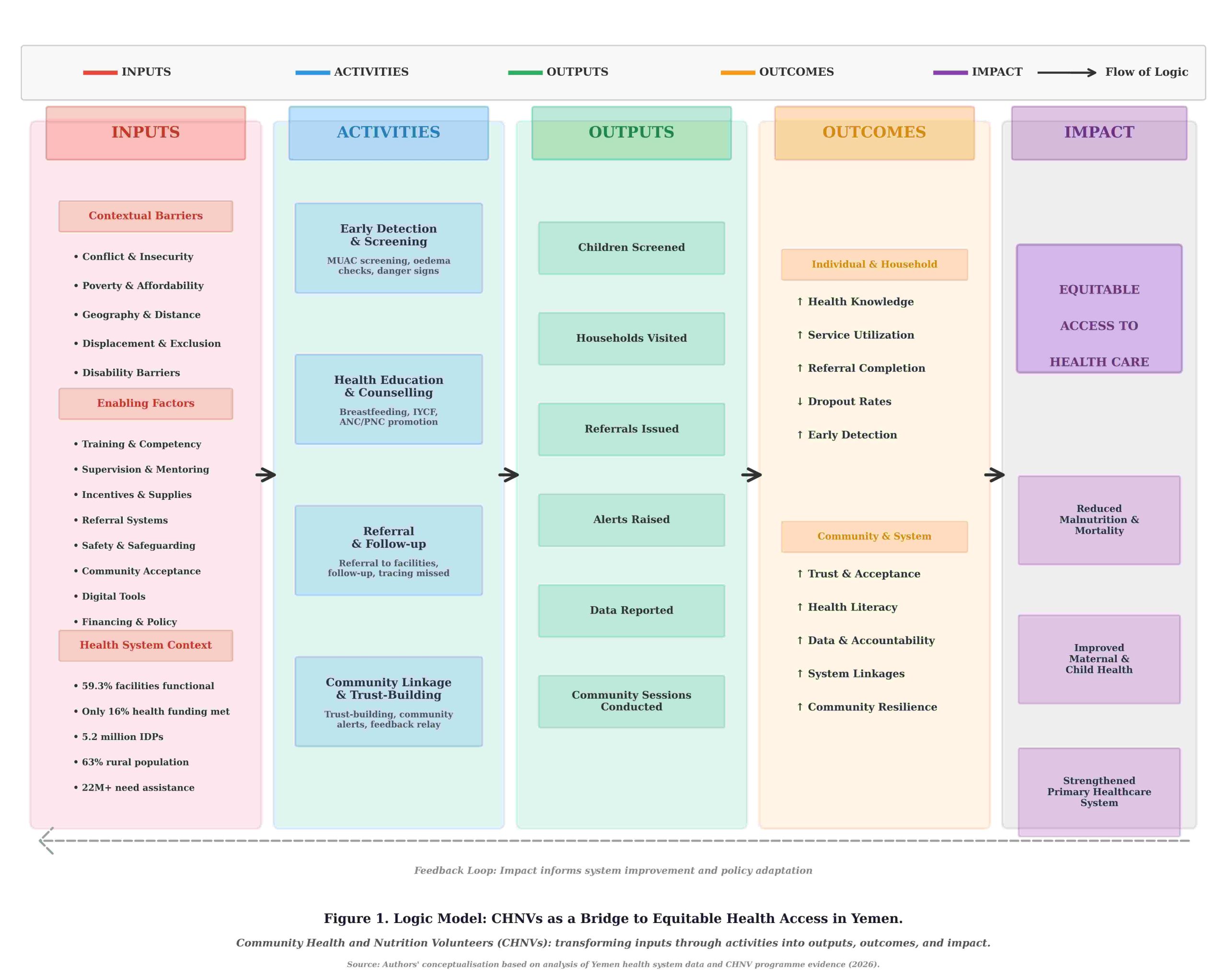
Figure 1: Community Health and Nutrition Volunteers (CHNVs) Logic Model – From Barriers to Equitable Access.
This figure illustrates how inputs (contextual barriers and enabling factors) lead to CHNVs activities, which produce outputs, outcomes, and ultimately equitable access to health care.
Where Care Begins Before the Health Facility: The Household Door
In many rural areas, the pathway into the health system begins at home. A volunteer approaches a caregiver about a sick child, subsequently wrapping a color-coded mid-upper arm circumference (MUAC) tape around the child’s upper arm (UNICEF Yemen, 2026a). She clarifies the reading, checks if the family is aware of the nearest clinic, and organizes a follow-up visit (UNICEF Yemen, 2024a). Although the actual home visit may only take twenty minutes, traversing between these dispersed homes can often consume hours (UNICEF Yemen, 2023).
This vital groundwork frequently gets overlooked in broad macro-level assessments, yet it highlights fundamental systemic shortcomings in Yemen’s health response:
- What occurs when a family simply cannot afford to make the journey to a healthcare facility? (OCHA Yemen, 2026)
- Who identifies the initial signs of malnutrition in a child who has never been recorded in facility logs? (Nutrition Cluster, 2024)
- Who follows up when a pregnant woman misses her appointment due to lack of safe transportation? (UNICEF Yemen, 2026a)
In most regions, it is typically a CHNV who addresses these questions (UNICEF Yemen, 2024a). Chosen directly from the community she supports, she possesses an intimate understanding of the landscape, the families involved, and the local dialect (Ministry of Public Health and Population, 2019; Concern Worldwide, 2024). She is aware of which family has recently relocated due to displacement, which mother requires assistance to travel, and which individual with a disability has ceased attempts to access an unreachable facility (Nutrition Cluster, 2024; OCHA Yemen, 2026).
CHNVs do not supplant doctors or nurses; rather, their function is to detect risks early on, deliver health education, connect individuals with necessary care, and inform the formal system precisely where access is lacking (Ministry of Public Health and Population, 2019; World Health Organization, 2018).
A Health System Under Sustained Strain
By mid-2026, Yemen had endured over a decade marked by conflict, economic decline, and recurrent shocks. As a result, household purchasing power has significantly diminished. In numerous areas of the public system, both salaries and operational budgets continue to be inconsistent. Humanitarian funding has decreased while the demand for assistance has escalated. Communities are additionally burdened by flooding, water scarcity, and ongoing disease outbreaks, all of which exacerbate the challenges posed by damaged infrastructure and prolonged displacement (OCHA Yemen, 2026; WHO Health Cluster, 2026).
The March 2026 Humanitarian Needs and Response Plan (HNRP) estimates that upwards of 22 million individuals require humanitarian assistance and protection, which includes 5.2 million people who are internally displaced (OCHA Yemen, 2026). The Health Cluster’s assessment reveals that 19.3 million individuals need health assistance; however, it only targets 8.4 million of them. As of March 2026, its dashboard indicated that merely 16 percent of the necessary funding had been secured (WHO Health Cluster, 2026). The disparity between need, target, and actual reach is far from trivial, it fundamentally affects how many communities will find themselves without consistent services.
Descriptions regarding the state of health facilities are frequently vague. According to WHO’s August 2025 HeRAMS assessment, a total of 5,696 health service delivery units were mapped, out of which 144 were recorded as permanently closed. From the detailed assessment of 5,503 units, it was found that 238 were non-functioning, 1,913 were partially functioning, and 3,264 were fully operational. Major barriers to functionality included shortages in staff, equipment, finances, and medical supplies among facilities operating below their capacity (World Health Organization, 2025).
These classifications should not be simplified into a single headline statement. Claiming that approximately two in five facilities are not fully operational is distinctly different from asserting that two in five are closed altogether. A partially functioning health unit may only operate on certain days or may lack essential staff, medicines, equipment, or the referral capabilities needed for treating patients effectively. According to the 2026 HNRP report, the proportion of fully functional facilities is at 59.3 percent (OCHA Yemen, 2026); conversely, WHO’s appeal for 2026 indicates that only one in five can adequately provide maternal and child health services (World Health Organization, 2026).
Geographical distance exacerbates these service gaps. Estimates from the World Bank suggest that Yemen’s population in 2025 reached approximately 41.8 million people; around 63 percent reside in rural regions, this is a more current statistic than the frequently cited figure of 75 percent found in some reports. Over 26 million individuals inhabit rural communities dispersed across mountain roads, valleys, coastal settlements, and regions where transportation is often costly, unreliable or unsafe (World Bank, 2025).
For those living in rural or hard-to-reach areas, outreach cannot be viewed as an optional aspect of programming; it is essential to how primary healthcare must be structured. The trustworthiness of this healthcare depends largely on what occurs when a family arrives at the next available point of care.
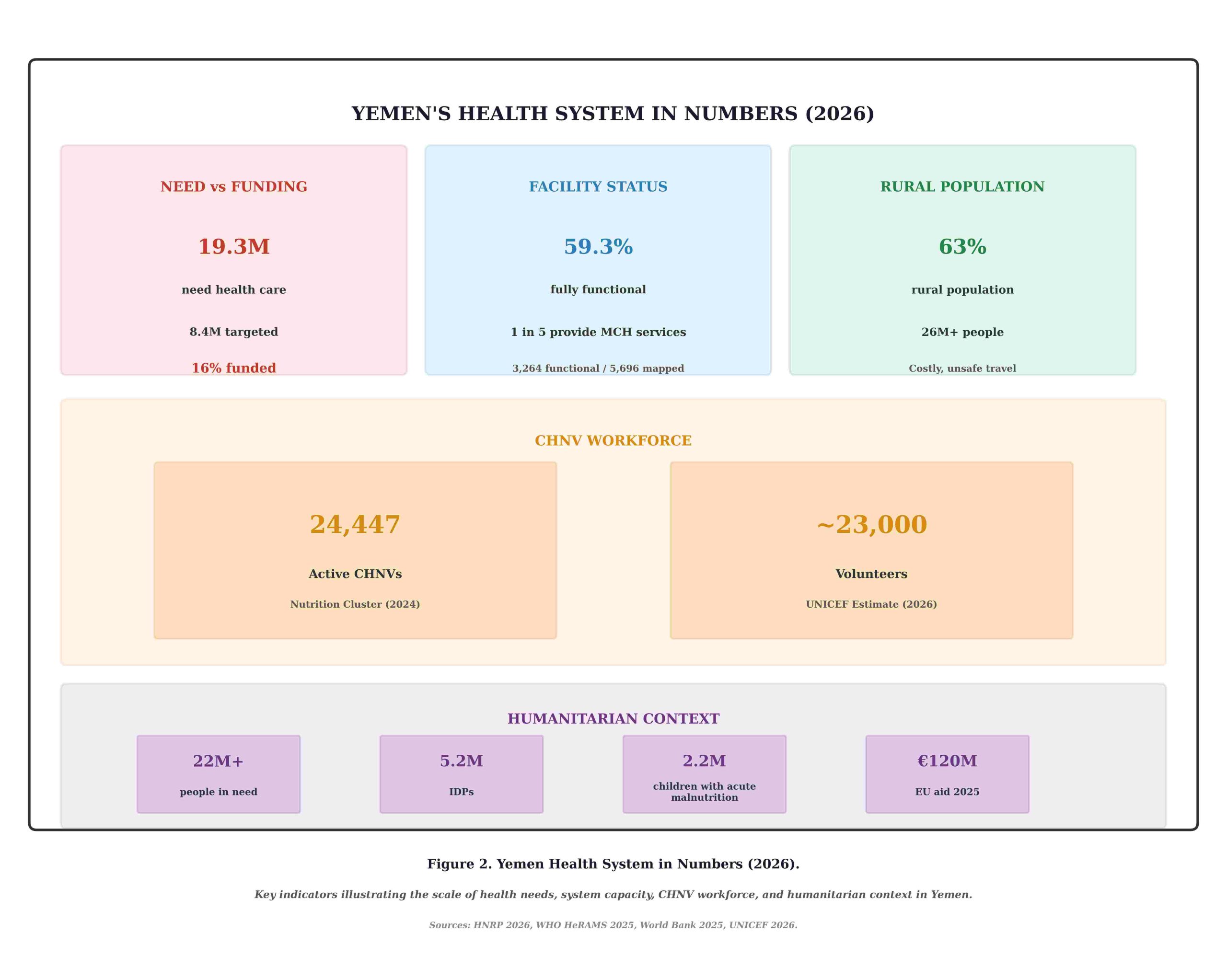
Figure 2: Yemen’s Health System in Numbers (2026)
This infographic presents key statistics on health needs, facility functionality, rural population, CHNV workforce, and humanitarian context.
Who the System Does Not See
Current estimates suggest that the network of CHNV in Yemen ranges from the low to mid-twenty thousand. A case study conducted by the Nutrition Cluster in 2024 reported 24,447 active CHNVs during the first half of 2023 (Nutrition Cluster, 2024). Additionally, a UNICEF report published in 2026 indicated approximately 23,000 volunteers (UNICEF Yemen, 2026a). The discrepancies in these figures can be attributed to varying reporting periods, funding status, and differing definitions of what constitutes an “active” volunteer. It is important to note that no unified public national registry exists; thus, neither figure should be regarded as a definitive census of the workforce.
The responsibilities assigned to these volunteers differ across governorates and programs. They may engage in household visits, offer counseling to families regarding breastfeeding and complementary feeding practices, promote antenatal and postnatal care, recognize maternal and child danger signs, screen for acute malnutrition, refer cases for further assistance, and conduct follow-up activities. Many volunteers also mobilize families for vaccination campaigns and outreach sessions, track missed appointments, disseminate disease prevention information, support community alerts, and communicate feedback to healthcare facilities and program teams (Nutrition Cluster, 2024; Concern Worldwide, 2024).
It is crucial to maintain clear boundaries regarding the role of volunteers. While they can screen individuals, provide counseling, and make referrals, they should not be expected to diagnose complex conditions, prescribe medications, manage obstetric emergencies, or deliver treatments beyond their certified expertise (Ministry of Public Health and Population, 2019; World Health Organization, 2018). When programs fail to uphold these distinctions, they jeopardize both the safety of the volunteer and that of the patient.
Facility data predominantly reflects those individuals who seek care. However, CHNVs have the capacity to identify individuals who fall through the cracks: a child who has never been registered for vaccination; a pregnant woman unable to afford transportation; a displaced family unaware of available services; or a person with a disability who reaches a facility but cannot enter its premises (Nutrition Cluster, 2024; OCHA Yemen, 2026).
This is what equitable healthcare looks like in action. Achieving equity does not simply involve delivering the same message to every individual; it necessitates additional efforts where factors such as distance, poverty, gender disparities, disability issues, displacement, or social exclusion present extra challenges (OCHA Yemen,2026; Marmot et al.,2012).
Women Reaching Women, While Working with the Wider Household
The CHNV network is primarily composed of women, reflecting the manner in which health information and services are often accessed across Yemen (UNICEF Yemen, 2024a). Female volunteers have the ability to enter homes and engage directly with mothers on topics such as pregnancy, breastfeeding, and reproductive health, areas that are often deemed culturally sensitive for male outreach workers (Ministry of Public Health and Population, 2019; George et al., 2018).
Ongoing interactions enhance the effectiveness of these discussions; a volunteer might find that a woman understood a referral but didn’t have the funds for transportation, or that a husband required accurate information before permitting his wife to travel (Nutrition Cluster, 2023).
Engaging Men as Allies
Save the Children established 115 father-to-father support groups in Taiz, engaging 1,650 fathers between 2021 and 2024. These groups were led by male role models selected using a positive deviance approach. They provided education on topics such as infant feeding, positive parenting practices, and gender equality, including efforts to prevent gender-based violence (Save the Children Canada, 2025). Through these initiatives, fathers gained a deeper understanding of breastfeeding and prenatal care. This fostered greater involvement in childcare and spousal support i.e., fathers began attending health visits, assisting with household chores, and offering emotional support during their partners’ pregnancies. The groups also played a significant role in enhancing household dietary diversity and improving family nutrition (Save the Children Canada, 2025). A poignant quote from a 16-year-old girl illustrates this change: “My father now listens to me… he had a firm belief that mobility of a girl to learn was a shame” (Save the Children Canada, 2025, p. 14).
Mother-to-Mother Support Groups
Mother-to-Mother Support Groups (MtMSGs) provide peer support where women discuss infant and young child feeding (IYCF) issues and share experiences overcoming problems (FHI 360, 2024). Implemented by FHI 360 in five locations in southern Yemen since 2023, these groups complement CHNV work (Ibrahim et al., 2024). Lead mothers, selected based on community knowledge and successful IYCF practice, receive training and host group meetings in their homes. A qualitative assessment found that participating mothers reported significant improvements in breastfeeding and complementary feeding practices, cost savings from reduced formula purchases, and improved family situations (Ibrahim et al., 2024).
Gender-Transformative Approaches
The Gender-Transformative Framework for Nutrition (GTFN) addresses root causes of gender inequality through three components: agency (ability to make decisions), resources (tangible and intangible tools for empowerment), and opportunity structure (supportive societal and institutional environment) (World Vision International, 2025). Save the Children’s Taiz projects (2021-2024) applied the GTFN to enhance women’s agency, improve resource access, and engage men as allies (Save the Children Canada, 2025).
Menstrual Hygiene Management
In Taiz, Save the Children trained 30 community hygiene volunteers to distribute hygiene kits to 100 households, prioritising people with disabilities, those with malnutrition, and individuals with chronic conditions. A seven-month pilot trained three female volunteers to produce reusable sanitary pads from locally sourced materials, distributing approximately 750 pads to 250 women and girls. The initiative was well-received, with strong support from male leaders, and trained volunteers reported greater influence and respect in their communities. An impact review found that while only one volunteer continued production after the pilot ended, the project significantly improved access to menstrual products i.e., 73% of interviewed women reported no major challenges accessing MHM materials, though only 20.9% said their needs were fully met (Save the Children Canada, 2025).
Women’s Participation in Water Management
In partnership with communities and district authorities, Save the Children established a policy requiring at least 30% of Water Management Committee members be women. Female members developed skills to operate water systems, conduct water quality surveillance, and manage fee collection. A female WMC member noted: “Previously, the view was negative… their opinion was not taken into account… currently, the community is educated and understands the importance of women’s participation” (Save the Children Canada, 2025, p. 9). Women’s participation was instrumental in achieving a 90% cost recovery rate for water revenue due to their ability to build trust among female community members (Save the Children Canada, 2025).
Reaching Marginalised Groups
Similar efforts are essential in communities affected by social exclusion, displacement, and systemic discrimination. Implementing transparent and inclusive volunteer selection processes can foster trust; ineffective selection practices may perpetuate existing power disparities and limit support to only the most prominent households (OCHA Yemen, 2026; Al-Taj et al., 2018).
The Limits of Volunteerism
It is important not to idealize women’s participation in these initiatives. A volunteer often juggles a heavy caseload alongside unpaid caregiving duties at home. She may encounter movement restrictions, face harassment, or deal with pressure from community members who mistakenly believe she oversees services and resources. The term “volunteer” does not diminish the burdens associated with this work (UNICEF Yemen, 2026a; Maes et al., 2018).
Malnutrition: Early Contact and Timely Referral
The 2026 HNRP anticipates that over 2.2 million children under the age of five will face acute malnutrition, with 516,157 of these children suffering from severe acute malnutrition. Additionally, approximately 1.3 million pregnant and breastfeeding women are predicted to be malnourished (OCHA Yemen, 2026). Severe acute malnutrition presents a significant risk for illness and mortality if timely treatment is not administered, particularly in cases where medical complications arise.
A MUAC tape serves as a quick screening tool. While it is not a substitute for clinical assessment, it can effectively identify children who require referral before their condition deteriorates to an extreme level. Volunteers who have received appropriate training may also assess for bilateral pitting edema, reinforce guidance on feeding for infants and young children, and follow up with children who miss appointments or discontinue treatment prematurely (UNICEF Yemen, 2026a; Nutrition Cluster, 2024).
However, screening is rendered ineffective if treatment options are unavailable. While a volunteer may encourage a family to pursue care, they lack the ability to provide transport, therapeutic supplies, or qualified personnel. Each instance of failed referral, whether due to facility closures, lack of medication availability, or unaffordable travel, diminishes trust in the health system (OCHA Yemen, 2026; Altare et al., 2022).
Evidence from Yemen bolsters models that integrate household outreach with mobile teams and fixed facilities. A case study conducted by the Nutrition Cluster in collaboration with Save the Children, the International Rescue Committee, and Action Against Hunger revealed that community cadres can facilitate the decentralization of nutrition services in remote regions while mobile teams focus on primary-care outreach and technical supervision. The study also emphasized that expansion necessitates supportive government policies, clearly defined competencies, and adequate remuneration (Nutrition Cluster, 2024).
An example related to this is the long-standing partnership between GSK and Save the Children in Lahj. In collaboration with the Ministry of Public Health and Population, this program bolstered health-center operations while trained community health workers and volunteers provided support to remote communities and referred urgent cases. During the duration of this broader program, over 120,000 individuals were reported to have accessed care (GSK and Save the Children, undated). It is important to note that this figure encompasses the entire partnership and should not be exclusively attributed to volunteers.
The takeaway here is clear: community outreach must be aligned with facility support as a cohesive service pathway. Funding one aspect while neglecting the other results in an efficient referral system on paper but leads to a frustrating experience for patients.
Displacement, Disability and Exclusion
Yemen’s internally displaced population, numbering 5.2 million, is neither settled nor uniform (OCHA Yemen, 2026b). Families often relocate multiple times due to conflict, eviction, flooding, the loss of livelihoods, or the need for essential services. While some reside in organized sites, many others find themselves in informal settlements or living with host communities. Each relocation can disrupt access to vaccinations, nutrition treatments, and continuity of care with health providers.
CHNVs and Displacement
CHNVs are crucial in identifying newly arrived individuals, providing information on available services, tracing interrupted treatments, and reporting emerging health risks (Nutrition Cluster, 2023). In Al Dhale’a, volunteers working in displacement camps conduct home visits to assess children through examination and MUAC measurements. If cases with acute malnutrition are found, they refer children to health centers for appropriate care (UNICEF Yemen, 2023). Outreach efforts should encompass not only displaced families but also vulnerable members of host communities. A response that relies solely on registration status may inadvertently create new inequalities among households experiencing similar challenges.
The Muhamasheen: Marginalisation Within Marginalisation
The Muhamasheen, an ethnic minority group in Yemen, experience systematic discrimination and structural exclusion that compounds the challenges faced by other vulnerable populations. The term “Muhamasheen” translates to “the marginalized,” reflecting their long-standing social and economic marginalisation (Sana’a Center for Strategic Studies, 2019). A Sana’a Center investigation documented cases where Muhamasheen were excluded from beneficiary lists due to pressure from community leaders and local authorities (Sana’a Center for Strategic Studies, 2019).
A 2022 community profile of Muhamasheen populations in 14 IDP sites across 5 governorates found that 40.2% were pregnant or lactating women, 27.6% had chronic illnesses, 14.5% suffered from malnutrition, and 11.2% had disabilities. Nearly 98% of households had been displaced for more than one year, and 91% for more than three years (ACTED et al., 2022). The profile also revealed that 34% felt at risk in their sites due to racism, 19.6% reported discrimination as a challenge in finding jobs, and 50% reported land ownership issues they believed were related to their Muhamasheen identity (ACTED et al., 2022).
Recommendations to address systemic marginalisation include establishing a quota for Muhamasheen participation in government authorities, enacting laws criminalising discrimination on the grounds of descent or race, implementing a comprehensive national strategy to improve access to education, health, housing and public services, and including Muhamasheen as recipients of the Social Welfare Fund (Sana’a Center for Strategic Studies, 2019).
Persons with Disabilities
Individuals with disabilities encounter the same shortages and geographical barriers as other community members but face additional obstacles (OCHA Yemen, 2026; Hashemi et al., 2022). For instance, a road may pose an insurmountable challenge for someone using a wheelchair. A deaf woman might reach a healthcare facility where communication is impossible. Printed materials might exclude individuals who are blind or have low vision. Additionally, children with disabilities could experience feeding difficulties that go unnoticed, while adults are often addressed through their caregivers instead of directly.
A trained volunteer can pinpoint these barriers at the household level while communicating respectfully. They can involve caregivers without undermining the autonomy of the individuals themselves and can notify facilities when reasonable accommodations are necessary (OCHA Yemen, 2026; World Health Organization, 2020). When services are available, this volunteer may also facilitate connections to rehabilitation options, assistive devices, mental health support, protection services, or social assistance.
Outreach efforts alone cannot transform an inaccessible facility into one that is accessible; however, they can reveal who is facing exclusion and the reasons behind it. This vital information should prompt tangible changes: the installation of ramps and handrails, accessible latrines, private examination areas, communication aids, transportation assistance, and budget allocations for reasonable accommodation. It is essential to utilise disability-disaggregated data to inform service modifications rather than simply fulfilling another reporting requirement (OCHA Yemen, 2026; Hashemi et al., 2022).
Trust, Surveillance, and Health Accountability
The performance of CHNVs is often quantified through specific tasks such as completed visits, children screened, and referrals made. However, measuring trust poses a greater challenge. Volunteers possess an understanding of the local language, family dynamics, seasonal migrations, prevalent rumors, and optimal times for household visits. They are also aware of past service failures that may have fostered skepticism among families (Concern Worldwide, 2024).
This local insight is crucial for immunization efforts and outbreak responses. According to the 2026 HNRP, complete vaccination coverage stands at 63 percent (OCHA Yemen, 2026), while the World Health Organization (WHO) continues to identify cholera, measles, dengue, and polio as significant outbreaks straining the healthcare system (World Health Organization, 2026). A volunteer can provide explanations about campaigns prior to a team’s arrival, identify children who may have been overlooked, report unusual clusters of illness, and communicate concerns that might be unheard by facility-based teams.
Research conducted in two rural districts in Hajjah offers useful yet limited insights. A 2024 cross-sectional study revealed that children in villages served by CHNVs had 2.3 times higher odds of being fully vaccinated compared to those in comparison villages (Nassar and Al-Haddad, 2024a). In another related study, mothers in volunteer villages exhibited 3.5 times greater odds of possessing good breastfeeding knowledge (Nassar and Al-Haddad, 2024b). Both studies were limited to two districts and reveal associations rather than establishing causality between CHNVs and the observed differences. Additionally, they noted persistent gaps in vaccination timeliness and no statistically significant variation in malnutrition prevalence.
These findings indicate that volunteers can enhance knowledge dissemination, community mobilization, and early engagement with families. Nonetheless, they also highlight the limitations of community outreach efforts amidst ongoing issues such as inadequate vaccine supply, insufficient supervision, subpar facility performance, and persistent household poverty.
Trust Creates Responsibilities
Volunteers require accurate and up-to-date messaging, clear standards regarding confidentiality, training in safeguarding practices, and mechanisms for correcting information as service offerings evolve. They should never be tasked with making promises about assistance that a program cannot fulfill (Ministry of Public Health and Population, 2019; World Health Organization, 2018).
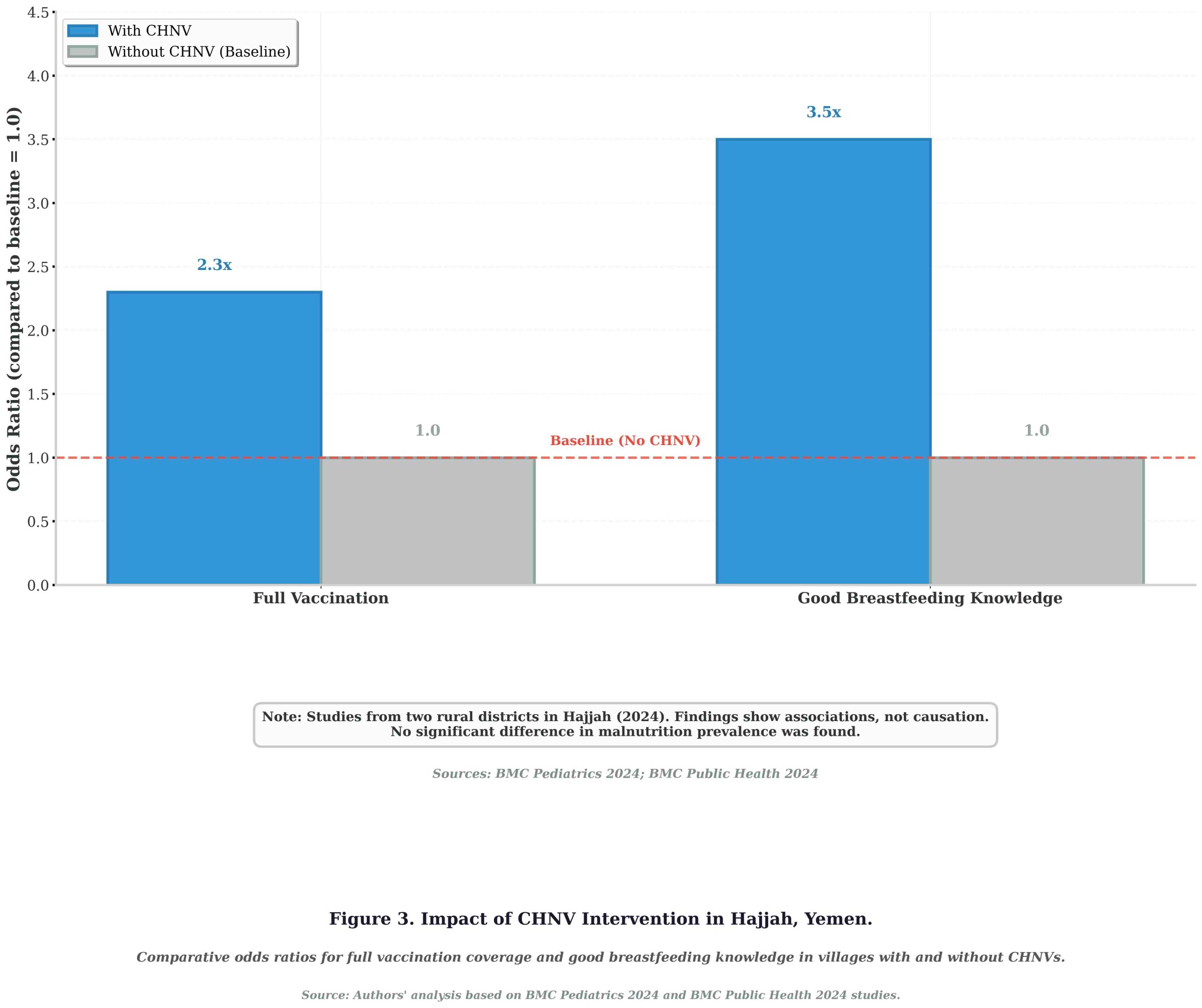
Figure 3: The Impact of CHNV Intervention in Hajjah, Yemen
This bar chart shows the association between CHNV presence and improved health outcomes. Children in CHNV villages had 2.3 times higher odds of full vaccination; mothers had 3.5 times higher odds of good breastfeeding knowledge. Note: Findings show associations, not causation (Nassar and Al-Haddad, 2024a, 2024b).
Why CHNV Networks Matter for Long-Term Recovery
CHNVs are often considered solely within the context of humanitarian aid delivery; however, their role in recovery warrants equal consideration. The recovery of Yemen’s health system will not be achieved merely through infrastructure repairs or new supplies; it also necessitates skilled individuals who remain embedded within communities, strong referral networks, enhanced health literacy among the populace, and information that highlights ongoing service deficiencies (Nutrition Cluster, 2024; Blanchet et al., 2017).
Recovery is already manifesting in practical terms: when a district successfully maintains trained community capacity across funding cycles; when health facilities gain insights into barriers preventing people from accessing their services; when outbreak alerts are swiftly communicated from villages to district health offices; and when preventive care transforms into a routine rather than a temporary initiative (UNICEF Yemen, 2024a).
A robust CHNV network can significantly contribute to these functions. Volunteers can ensure continuity during floods or displacement situations and temporary closures of facilities. They serve as vital links connecting households with mobile health teams, established health facilities, and district authorities. Their observations can inform local planning efforts concerning immunization campaigns, nutritional outreach initiatives, and maternal health services while their interactions with families can reveal issues such as informal fees charged for services, discriminatory treatment encountered by individuals seeking care, communication barriers faced by patients or recurring failures in referrals (Save the Children Canada, 2025).
This positions CHNVs as a potential cornerstone for developing a more sustainable primary healthcare system; albeit one component among many essential elements. Sustainability must not equate to shifting treatment duties or operational costs onto unpaid women alone. Other fundamental requirements include qualified and compensated personnel, well-functioning facilities, dependable supply chains for medications and resources, secure transport options for referrals, accessible infrastructure for healthcare delivery systems, public financing support for health services rendered to the community at large, actionable data collection methods for monitoring health outcomes effectively alongside accountable governance structures overseeing public health systems (Ministry of Public Health and Population, 2019; World Health Organization, 2018).
The 2026 HNRP clearly articulates that humanitarian assistance cannot alter the underlying causes of Yemen’s crisis while emphasizing the need for restoring essential services alongside strengthening resilience within communities (OCHA Yemen, 2026). Similarly aligned is WHO’s 2026 appeal which connects immediate emergency actions with the necessity of preserving foundational aspects inherent to the functioning of a viable health system (World Health Organization, 2026). Community health systems emerge as one locus where urgent response measures may align with local ownership initiatives aimed toward long-term recovery solutions provided that such relationships are formalized through adequate financing mechanisms alongside accountable practices overseeing service delivery.
When the Cost Is Transferred to Volunteers
The last mile is not a cost-free endeavor. Volunteers invest their time, use their phone credits, and spend money on transportation. They navigate challenging terrains, endure extreme conditions, and bear the emotional weight of identifying seriously ill children when treatment options are scarce (UNICEF Yemen, 2026a; Miller et al., 2020; Alam et al., 2012).
Support for these volunteers is frequently inconsistent. Incentives may arrive late or cease entirely when projects conclude. Essential supplies can become depleted, and the geographic areas they cover may expand excessively. Supervision often devolves into mere collection of reports without any feedback on the outcomes of referrals. Additionally, varying incentive structures among different organizations can lead to tension among volunteers working in neighboring communities (UNICEF Yemen, 2026a; Miller et al., 2020; Maes et al., 2018).
Training a community volunteer in areas like acute malnutrition or maternal and child health incurs costs amounting to several hundred US dollars per individual (Save the Children, 2023). While estimates differ from program to program, one thing remains evident: volunteer networks necessitate substantial budgets dedicated to training, materials, supervision, and follow-up activities.
Currently, there is no comprehensive national assessment that evaluates the remuneration, workload, occupational risks, instances of harassment, psychological stress levels, or disability inclusion concerning CHNV. These represent significant gaps in evidence that require thorough assessment rather than silence regarding the predictable risks associated with duty of care (Alam et al., 2012; Maes et al., 2018).
The woman carrying the health system's message to the final household should not be expected to carry the cost of that system on her own.
What Long-Term Investment Requires
For long-term investment to be effective in Yemen, a coordinated and financially supported community health approach must be established. This should link primary healthcare efforts with district health offices and align with the national Minimum Service Package. Roles and competencies within these frameworks should be standardised, while selection processes should be transparent and inclusive, particularly for women with disabilities (Ministry of Public Health and Population, 2019; World Health Organization, 2018).
The Multisectoral Nutrition Action Plan
The Yemen Multisectoral Nutrition Action Plan (MSNAP) 2025-2030 provides a strategic framework for integrating CHNVs into national systems. It is a government-led framework that aligns humanitarian, development, and peacebuilding efforts to accelerate nutrition gains and rebuild national resilience (Ministry of Planning and International Cooperation, 2025).
The MSNAP operationalises the Humanitarian-Development-Peace nexus, transforming fragmented efforts into coordinated action that addresses immediate needs while building systemic resilience. It is underpinned by a nationally informed Theory of Change that integrates food systems transformation and climate adaptation to tackle structural drivers of undernutrition (Ministry of Planning and International Cooperation, 2025). The plan is implemented through scalable “game-changer” Accelerator Programmes that converge sectoral interventions around the most vulnerable populations and bolster foundational systems such as Nutrition Information and Advocacy (Ministry of Planning and International Cooperation, 2025).
The MSNAP provides a nationally endorsed roadmap to address multisectoral nutrition barriers with aligned policies and coordinated interventions. It links nutrition investments directly to stability, recovery, state-building, and longer-term development outcomes, and enables transition from humanitarian dependency to resilient service delivery through both public systems and private sector engagement (Ministry of Planning and International Cooperation, 2025).
Sustainable Support for Volunteers
Support must be reliable and predictable. Programs ought to encompass costs related to transportation, communication, and data management. Incentives need to be equitable, timely, and consistent across all partners involved. Training initiatives must evaluate competence comprehensively and incorporate refresher sessions as well as opportunities for observation and coaching. Supervisors should focus on resolving issues rather than merely collecting forms (Save the Children, 2023).
Functional referral systems are crucial; access to service directories, transportation options, and facility feedback mechanisms are essential. A volunteer who consistently directs individuals to services that are not available risks losing their credibility in the community. Monitoring efforts should continue beyond referrals issued to ensure completed care (Nutrition Cluster, 2023).
Safety and safeguarding measures are just as vital as ensuring technical quality within programs. Security assessments must be integrated into programs along with confidential channels for complaints, measures addressing prevention of sexual exploitation and abuse (PSEA), manageable workloads for volunteers, and psychosocial support mechanisms. It is imperative that volunteers understand how to respond appropriately to incidents of harassment or pressure to favor certain households (Ministry of Public Health and Population, 2019; World Health Organization, 2018).
While digital tools have the potential to enhance reporting practices, they must function offline and safeguard data while avoiding redundancy with paper-based systems. Data should be disaggregated by sex, age, and disability status so that services can adapt accordingly. Accessible training resources coupled with budgets allocated for reasonable accommodations are critical at every level of implementation (OCHA Yemen, 2026b).
Experience within these frameworks should pave the way for future opportunities. Recognition through certification and clear pathways into formal roles within community health, nursing, midwifery or nutrition could help retain skilled women workers while simultaneously rebuilding Yemen’s health workforce (UNICEF Yemen, 2026a; Blanchet et al., 2017).
The Role of Donors
The European Union holds a vested interest in this situation. Its commitment of €120 million in humanitarian assistance for 2025 along with over 432 tons of supplies dispatched via its Humanitarian Air Bridge could provide much-needed support for those who remain largely invisible within conventional delivery models by investing in community systems alongside established facilities and mobile teams (European Commission, 2025).
A longer-term financing strategy characterised by greater flexibility would enable local authorities, national organisations, and international partners to sustain trained community networks even between emergencies shifting from isolated projects toward unified standards backed by public oversight and clearly defined responsibilities.
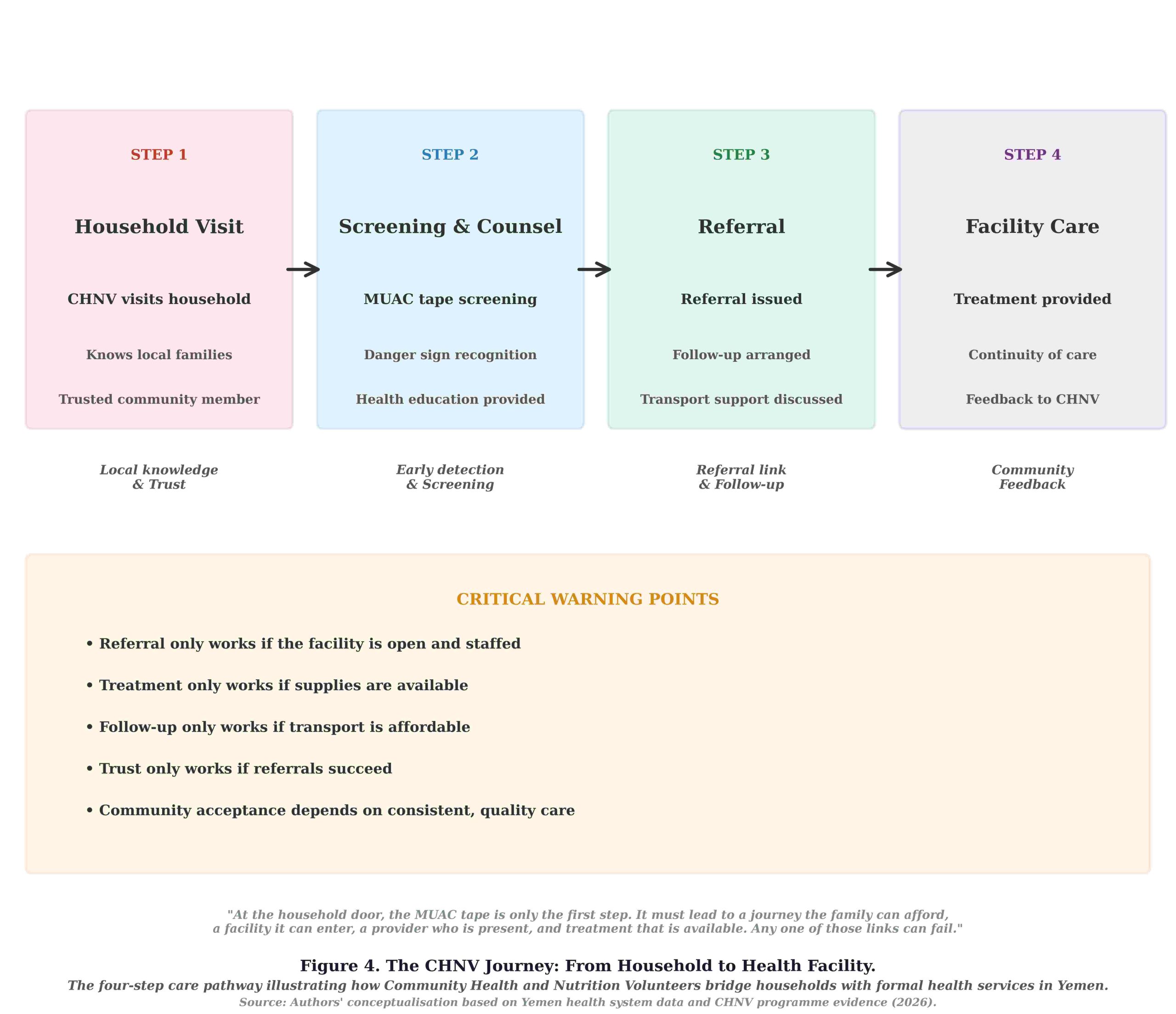
Figure 4: The CHNV Journey – From Household to Health Facility
This flowchart illustrates the four-step patient journey from household visit to facility care, highlighting critical points where the system can fail.
Conclusion: Beyond the Household Door
At the household door, the MUAC tape signifies only the initial step. This must evolve into a journey that the family can undertake, one that includes access to a facility, a provider who is available, and treatment options that are present. Anyone of these essential links could falter.
CHNVs play a crucial role in extending Yemen’s health system beyond its physical confines. They illuminate the needs of marginalized households and facilitate the flow of information from communities back to healthcare services. With adequate support and formal connections to primary healthcare, they can bolster local capacities that are vital for recovery.
While they cannot substitute for a fully functioning health system, their presence can ensure that as Yemen embarks on rebuilding its infrastructure, it is thoughtfully tailored to meet the needs of its populace.
The woman with the MUAC tape standing at the household door represents so much more than just an emergency volunteer. She serves as a crucial witness to both the successes and failures of the medical system, highlighting who gets help and who is overlooked. If we truly care about ensuring everyone has equal access to healthcare, our global health strategy needs to start by listening to her, investing in her work, and safeguarding her well-being.
Call to Action: What Must Happen Now
The evidence is irrefutable. Yemen’s CHNVs are not merely a stopgap humanitarian measure; rather, they represent an indispensable component for equitable access to health services and long-term recovery. However, their potential remains unrealized without prompt and coordinated action.
For Donors and International Partners
• Fund community health systems as core infrastructure rather than temporary projects. The sustainability of CHNV networks hinges on predictable, multi-year financial commitments: transition from short-term humanitarian grants to predictable, multi-year community health infrastructure financing. The current reliance on project-based funding creates instability, discourages volunteers, and erodes trust. Donors should pledge enduring investments that extend beyond individual funding cycles (European Commission, 2025; Zulu and Perry, 2021).
• Address the actual costs associated with community outreach efforts. Training, supervision, supplies, transportation, communication, and fair incentives are foundational elements of an effective volunteer network – not optional extras. The woman delivering crucial health messages to households should not be left to bear the financial burden alone (Save the Children, 2026; Maes et al., 2018).
• Emphasize equity in funding distributions. Areas that are difficult to access, settings with displaced populations, Marginalized groups i.e., Muhamasheen communities, and individuals with disabilities are frequently overlooked. Funding strategies must explicitly target those who remain largely invisible within traditional delivery models (OCHA Yemen, 2026; Marmot et al., 2012).
For the Government of Yemen
• Institutionalize CHNV roles within the national health framework. Integrating them into the Minimum Service Package alongside standardized competencies and well-defined career pathways is critical. CHNVs cannot exist as a parallel humanitarian structure; they must become an acknowledged segment of Yemen’s public health workforce (Ministry of Public Health and Population, 2019; World Health Organization, 2018).
• Enhance referral systems and prepare facilities adequately. The processes of screening and referral carry little significance if subsequent care points are closed or under-resourced. It is imperative for the government to guarantee that facilities are equipped to receive patients referred from community outreach and that transport assistance is provided for those unable to afford travel costs (Nutrition Cluster, 2024).
• Gather and utilize disaggregated data effectively. Information regarding sex, age, disability status, displacement circumstances, and geographic location should inform service planning rather than merely fulfill reporting requirements. True accountability necessitates understanding who is receiving services – as well as who remains unserved (OCHA Yemen, 2026; Hashemi et al., 2022).
For UN Agencies and NGOs
• Synchronize support across partners involved in community health initiatives. Variability in incentive schemes, training standards, and reporting requirements fosters confusion among volunteers and perpetuates inequities. Collaborative efforts must ensure consistent and transparent support for all CHNVs (Ministry of Public Health and Population, 2019; World Health Organization, 2018).
• Prioritize volunteer well-being and safeguarding measures comprehensively. Security assessments regarding risks faced by volunteers, psychosocial support systems, complaint mechanisms for addressing grievances, along with measures against sexual exploitation and abuse are fundamental aspects of ethical programming – not secondary considerations (Alam et al., 2012; Maes et al., 2018).
• Systematically build evidence through rigorous evaluation processes. There remain significant gaps in our understanding regarding CHNV compensation structures, workload realities, occupational hazards they face, and issues surrounding disability inclusion; these need thorough investigation so continuous program improvement can be achieved based on solid data (Nassar and Al-Haddad, 2024a, 2024b).
For the Global Health Community
• Recognize community health workers as integral members of the healthcare workforce rather than mere volunteers. The label “volunteer” should not diminish or obscure their vital contributions amid often perilous working conditions; such workers deserve recognition that encompasses both protection and appropriate compensation without being romanticized or exploited (Alam et al., 2012; George et al., 2018).
• Advocate for strengthening health systems rather than focusing solely on humanitarian responses during crises like this one in Yemen; sustainable solutions require restoration efforts directed toward essential services alongside public financing initiatives while ensuring accountable governance within health sectors amid emergency relief endeavors (Blanchet et al., 2017; Altare et al., 2022).
• Amplify Yemeni voices while encouraging local leadership development within communities where sustainable solutions originate from local institutions rather than imposed externally; international partners ought to provide supportive roles without undermining local ownership or initiative implementation efforts by indigenous actors themselves (Lehmann and Sanders, 2007).
Final Words
The CHNV stationed at each household door serves more than just as a service provider; she represents both an observer of systemic failures within healthcare frameworks as well as a bearer of hope for future possibilities ahead through her knowledge about functional areas versus breakdown points existing within service delivery channels along with identifying marginalized populations lacking necessary support structures altogether needing urgent attention now if we want true equity across all demographics present throughout Yemen today!
It’s clear what needs doing: are we willing enough collectively (government bodies coupled together alongside global supporters) to invest courageously towards achieving lasting change by recognizing these individuals’ importance fully? It isn’t simply about seeing them merely as “volunteers.” Rather it’s time we acknowledge them rightfully, as indispensable parts constituting frontline defenses protecting everyone else equally under healthcare systems finally designed appropriately around every single person out there deserving such provisions too!
"The last mile is not defined merely by geographical distance; it is a person, commitment deserving far more than only expressions gratitude alone but consistent heartfelt engagement alongside tangible action plans realized promptly moving forward!"
Funding
This article received no specific grant from any funding agency in the public, commercial, or non-profit sectors.
Conflict of Interest
The authors declare no conflicts of interest. The views expressed are those of the authors and do not necessarily reflect the official position of Save the Children International or any other affiliated institution.
About the Authors and their Contributions:
Akram M. Mohammed Al-Sakkaf is a Public Health Physician and Implementation Researcher at the University of Aden and Save the Children International Yemen, and a WHO-TDR Fellow focusing on health system strengthening in fragile settings. Conceptualization; Literature review and data synthesis; Drafting and critical revision; Analysis of health system data; Policy recommendations; Final approval. His research interests include community health systems, equitable service delivery, health workforce development, implementation science, and health system strengthening in humanitarian contexts. He bridges academic research with practical health programming to ensure that evidence translates into actionable policy for vulnerable communities in Yemen.
Mohammad Mansoor M. Mohsen Ali is an Equity and Disability Inclusion Specialist at Save the Children International Yemen, ensuring health and nutrition services reach the most marginalized populations. Conceptualization; Contributions to equity, disability, and displacement content; Critical revision; Policy recommendations on inclusive programming; Final approval. His expertise spans disability-inclusive programming, gender equality, social protection, and community engagement in humanitarian action. He is committed to bridging the gap between humanitarian policy and the lived realities of vulnerable communities in conflict-affected settings.
References
ACTED, NRC and IOM (2022) Muhamasheen community profile: Survey conducted with Muhamasheen populations in IRG-controlled areas of Yemen, 2022. Available at: https://webarchive.archive.unhcr.org/20230325092015mp_/https://reliefweb.int/attachments/6581b35f-bdee-434a-a3ee-6f9028377be1/Muhamasheen%20Community%20Profile_ACTED.pdf (Accessed: 20 July 2026).
FHI 360 (2024) During crises, mother-to-mother groups benefit moms and babies. Available at: https://www.fhi360.org/articles/during-crises-mother-to-mother-groups-benefit-moms-and-babies/ (Accessed: 20 July 2026).
Ibrahim, M., Al-Khatri, L.M., Samra, H., Helmi, M., Thayer, K., Iellamo, A., Brittingham, S. and Etheredge, G. (2024) ‘Reviewing the FHI 360 mother-to-mother support experience in Yemen’, Field Exchange, 73, pp. 15-21. Available at: https://www.ennonline.net/sites/default/files/2024-07/pg_15_reviewing_the_fhi_360_mother-to-mother_support_experience_in_yemen.pdf (Accessed: 20 July 2026).
Ministry of Planning and International Cooperation (2025) MSNAP 2025-2030. Available at: https://sunyemen.org/en/msnap2025-2030/ (Accessed: 20 July 2026).
Sana’a Center for Strategic Studies (2019) The historic and systematic marginalization of Yemen’s Muhamasheen community. Available at: https://sanaacenter.org/files/Muhamasheen_en.pdf (Accessed: 20 July 2026).
World Vision International (2025) A gender-transformative framework for nutrition. Available at: https://www.wvi.org/publications/gender-transformative-framework-nutrition (Accessed: 20 July 2026).