News Flash 629: Weekly Snapshot of Public Health Challenges  

News Flash Links, as part of the research project PEAH (Policies for Equitable Access to Health), aim to focus on the latest challenges by trade and governments rules to equitable access to health in resource-limited settings

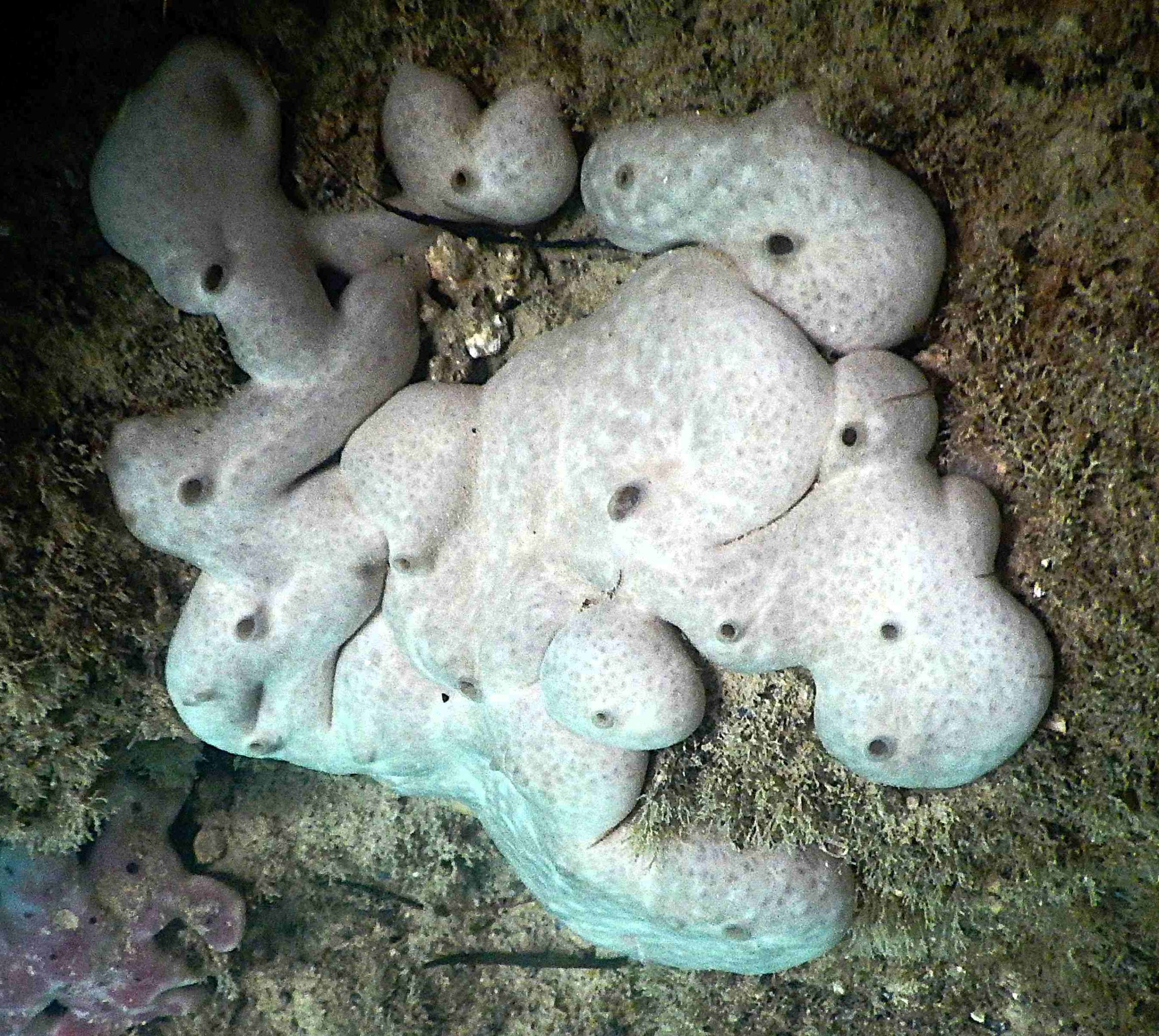
Striped seabream (Lithognathus mormyrus)

News Flash 629

Weekly Snapshot of Public Health Challenges


Sierra Leone sign the petition: Ban FGM Now

TWN meeting registration: Centering equity in the PABS Annex  Aug 22, 2025

Meeting registration: Saturday, August 30 Nuclear Disarmament and the Struggle Against Imperialism By League Against Imperialism Centennial Campaign

Toward Global Instability and Autocracy? A Critical Examination of the Trump Regime’s Global Impact  by George Lueddeke

With Great Power Comes Great Responsibility: Advice for the New US Aid Team

US appeals court backs Trump in fight over foreign aid freeze

WHO designates new WHO-Listed Authorities, strengthening global access to quality-assured medical products

WHO Decries US Cancellation of mRNA Vaccine Research as “Unfortunate and Untimely”

Globalizing Vaccines: A Post-COVID Perspective on Industrial Policy, International Health Cooperation, and the Characteristics of Vaccine Production

Criminalization And Forced Treatment Undermine Real Solutions To Homelessness

Trump’s New Funding Rules – What it Means for African Researchers

TRIPS@30: Thirty years of widening inequities in access to medicines

Rwanda reconsiders malaria vaccines amid surprise surge

Kenya achieves elimination of human African trypanosomiasis or sleeping sickness as a public health problem

Statement from DNDi on Kenya’s elimination of rhodesiense sleeping sickness as a public health problem

Africa’s Mpox Response: Better Diagnostics One Year into Emergency

Philippines steps up fight against African Swine Fever

Geographical shifting of cholera burden in Africa and its implications for disease control

Collaboration Enabled South Africa’s Success in Tackling Tuberculosis – But Funding Cuts Threaten Progress

The triple whammy: HIV, migration and climate change

Epilepsy Patients in Africa Fight Stigma and Neglect

The OurFutures Vaping eHealth intervention to prevent e-cigarette use among adolescent students in Australia: a cluster randomised controlled trial

Universal health coverage in the context of migration and displacement: a cosmopolitan perspective

Funding gaps undermine healthcare for women and children in Somalia

Breaking the Silence: Confronting Postpartum Depression and the Urgent Need for Mental Health Checks in Maternal Care  by Youmna Abdelnabi 

CEDAW Chad: Women excluded in decision making on land

Corporate Land Grab Fuelling Inequality, Climate Change and Biodiversity Loss

Stalled Geneva talks threaten landmark plastic pollution treaty

No agreement in sight as UN plastic pollution treaty talks enter final day

Inequality Worsens Planetary Heating


Toward Global Instability and Autocracy? A Critical Examination of the Trump Regime’s Global Impact

IN A NUTSHELL
 Author's Note Building on  Survival: One Health, One Planet, One Future and subsequent publications (PEAH, Impakter), this article probes the far-reaching impact of the Trump administration considering global leadership, alliances, the rise of autocracy, technocratic control, and potential environmental collapse.
 
Taken together, these factors could create a triple crisis or a perfect storm for a dystopian future.  Combatting this future is no longer an option but a critical necessity

George Lueddeke

By George Lueddeke PhD

Global Lead, 1 HOPE-TDR

Southampton, United Kingdom

glueddeke@aol.com

Toward Global Instability and Autocracy?

A Critical Examination of the Trump Regime’s Global Impact


Introduction

The Trump era has shaken more than U.S. politics—it has sent shockwaves across the globe. From weakened alliances and rising autocracy to environmental neglect and economic uncertainty, the world is witnessing the consequences of retreating American leadership. As authoritarian regimes gain ground and democratic norms erode, the question becomes urgent: can global stability survive, or are we entering a new age of instability and concentrated power?

Impacts of U.S. Decline in Global Leadership

In a recent American Account column, Dr. Irwin Stelzer of the Hudson Institute likened the U.S. economy under Donald Trump to “caudillo capitalism,” a system where powerful leaders shape their own narratives to align with their desires, often at the expense of reality. If the trajectory of Trump’s first term continues into a second, early signals suggest a sharp decline in global leadership, precipitating political, economic, and environmental instability not only for the U.S. but for the entire world.

Hallmarks of Trump’s Second Term (So Far)
  • Appointment of Unqualified Cabinet Members: Trump has prioritised loyalty over competence, often placing unqualified individuals in key government positions.
  • Promotion of Project 2025: Seen by critics as a blueprint for authoritarian rule, Project 2025 raises alarms about the ideological reorientation of the administration.
  • Disregard for Constitutional Norms: Trump’s contempt for legislative oversight and constitutional processes weakens the checks and balances that protect American democracy.
  • Withdrawal from International Institutions: The U.S. has pulled out of key global organisations like the UN and WHO and cut critical foreign aid programmes such as USAID and the SDSN, signaling a retreat from multilateral engagement.
  • Chaotic Trade and Tariff Policies: Trump’s tariff strategy, targeting both allies and adversaries, has led to unstable economic relations and a weakened global trade framework.
  • Tax Legislation Favouring Short-Term Political Gain: Tax reforms under Trump have often favoured immediate political gain, at the cost of long-term fiscal stability.
  • Unconditional Support for Netanyahu’s Israel: Trump’s steadfast backing of Israeli Prime Minister Benjamin Netanyahu while undermining humanitarian efforts in Gaza highlights the administration’s geopolitical priorities.
  • Politicisation of Labour Market Data: The suppression and manipulation of labour statistics undermine public trust in the government’s economic reporting.
  • Undermining Ukraine’s Zelens’kyj: Trump has echoed pro-Kremlin rhetoric regarding Ukraine, further destabilising the region.
  • Delaying the Release of Epstein Files: The delay in releasing critical documents related to Jeffrey Epstein’s case raises questions about transparency.
  • Expansion of State Capitalism: Trump’s policies show an increasing shift towards a state-controlled cities and the economy, reminiscent of 1930s authoritarian models.

These actions along with many others-restricting voting rights, ICC arrests, dismantling the Department for Education/Higher Education (especially DEI initiatives), withdrawing from the Paris climate agreement, undermining national security including the work of the DOJ, FBI, Social Security and other agencies, while primarily aimed at reshaping domestic policy toward an autocracy, also indicate a far-reaching reorientation of America’s role in the world.

Shifting World Power
  1. New Alliances

As trust in U.S. leadership erodes, countries are increasingly turning to alternative power centres. Europe (biggest single market in the world) stands to gain influence as do China and Russia – sidelining the values of democracy and multilateralism. This shift weakens cooperation on critical global issues like climate change, trade, and human rights.

  1. Erosion of Multilateral Institutions

With the U.S. stepping back from global leadership, institutions like the UN, WTO, and WHO face fragmentation. This creates a vacuum where power-driven geopolitics—often unchecked by international norms—can thrive, undermining cooperation on global challenges.

  1. Loss of Moral Authority

Without a democratic global champion, space opens up for regimes that see civil liberties as expendable. This could accelerate the normalisation of authoritarian governance and the erosion of individual freedoms on the global stage.

Rise of Autocracy

Global Authoritarian Shift

Countries with fragile democratic institutions—Hungary, Poland, and Turkey—are already leaning toward illiberalism. Should the U.S. continue to retreat from its leadership role, this trend could extend globally, fostering a new era of authoritarian governance.

Suppression of Dissent

Authoritarian regimes depend on tight control over information, utilising censorship, surveillance, and intimidation to suppress opposition and limit political participation. This effectively stifles free speech, creating an environment where dissent is met with harsh consequences.

Technocratic Control

Increasingly, economic and political power is concentrated in the hands of corporate elites and technological giants. This centralisation diminishes public accountability. Moreover, AI and automation threaten to displace millions of workers, exacerbating inequality and contributing to social unrest.

Environmental Consequences

Unchecked climate change, biodiversity loss, and resource depletion are all escalating crises. These threats jeopardize not just ecosystems but also the economic and political stability of entire regions. Authoritarian regimes, focused on short-term industrial growth, are likely to worsen these environmental challenges while curbing environmental activism and undermining efforts for global sustainability.

A Possible Dystopian Outcome

The combination of declining democracy, rising autocracy, unchecked technological power, and environmental collapse could lead to a dystopian future, marked by a triple crisis:

  1. Political Systems Dominated by Authoritarian Elites: A concentration of power in the hands of a few, leaving the masses disenfranchised.
  2. Economies Structured for the Benefit of the Wealthy: Growing economic inequality, where the rich control more resources and the majority face increasingly precarious livelihoods.
  3. A Planet Pushed Beyond Environmental Tipping Points: Ecological collapse exacerbating global instability, triggering widespread displacement, resource scarcity, and geopolitical conflict. 
Paths to Prevention
  1. Global Solidarity
    Building alliances among democracies, human rights organisations, and climate advocates is essential to counterbalance the influence of autocratic regimes. Collective action strengthens international cooperation on human rights, environmental sustainability, and global peace.
  2. Political Accountability
    Safeguarding democratic norms requires robust civic engagement. Promoting transparency, implementing institutional safeguards, and reinforcing democratic practices are crucial to resisting authoritarian trends.
  3. Sustainable Development
    Policies that prioritise planet sustainability—grounded in ecocentric (all species in a shared environment) rather than mainly human-centred values and principles—are vital.

To this end, education (both formal and non-formal) and transdisciplinary research funded equitably across all global regions integrating the One Health and Wellbeing concept, the Earth Charter principles, and the UN Sustainable Development Goals are key to fostering a more resilient and just world.

Concluding Remarks

The trends highlighted in this analysis are concerning, but they are not inevitable. The risk of global dysfunction and authoritarian consolidation is real, yet through collective action—both within the U.S. and globally—we can influence the trajectory of the 21st century. It remains to be seen whether this era will be remembered for democratic renewal, equality, peace and progress or the rise of authoritarianism – control, fear, chaos, and dysfunction.

Author of Sapiens, Yuval Noah Harari raises a critical question in this context: In the age of information, can humanity move beyond mere understanding to use knowledge for societal betterment? He cautions that prioritising “order over truth,” as in historical examples like Nazi Germany, can turn information networks into instruments of oppression. While these networks have the potential to enhance efficiency and social organization, they can equally be exploited for authoritarian control.

Harari’s provocative reflection—”If we Sapiens are so wise, why are we so self-destructive?”—reminds us that humanity’s extraordinary capacity for innovation is often overshadowed by repeated failures. As we face ecological and social crises, he also calls for urgent global dialogue to learn from our past mistakes and to collaboratively shape a sustainable future.

Breaking the Silence: Confronting Postpartum Depression and the Urgent Need for Mental Health Checks in Maternal Care

IN A NUTSHELL
 Author's Note  Postpartum depression is far more common than many realize. Globally, around one in five mothers experiences it, with rates as high as one in three in some low- and middle-income countries.

 In Egypt and across the Middle East, studies estimate prevalence at 20–26%, yet up to half of cases remain undiagnosed. The World Health Organization warns that 13% of women suffer from mental disorders—mainly depression—after childbirth, with higher rates in resource-limited settings.

 These aren’t just numbers; they represent mothers who are silently struggling, often without the help they desperately need

By Youmna Abdelnabi

MSc Global Public Health and Social Justice, Brunel University London

PhD Candidate, Lancaster University 

Breaking the Silence

Confronting Postpartum Depression and the Urgent Need for Mental Health Checks in Maternal Care


Pregnancy is often described as one of the most magical experiences in a woman’s life—a time when she is creating new life and stepping into the profound role of motherhood. For many, it marks the beginning of a new chapter, a chance to embrace a new identity and discover strengths she never knew she had. However, for some women, this journey is far from blissful. Without warning, they may find themselves engulfed in overwhelming sadness, anxiety, and emotional isolation—feeling disconnected not only from the world around them but also from their newborn. In some cases, these feelings last only a few days or weeks, a period known as the “baby blues.” But for others, the darkness lingers for months—or even years—manifesting as postpartum depression. Unlike the baby blues, postpartum depression is a serious mental health condition that requires understanding, support, and timely intervention. Left unaddressed, it can impact a mother’s ability to care for herself, bond with her baby, and fully participate in her own life.

Postpartum depression is far more common than many realize. Globally, around one in five mothers experiences it, with rates as high as one in three in some low- and middle-income countries. In Egypt and across the Middle East, studies estimate prevalence at 20–26%, yet up to half of cases remain undiagnosed. The World Health Organization warns that 13% of women suffer from mental disorders—mainly depression—after childbirth, with higher rates in resource- limited settings. These aren’t just numbers; they represent mothers who are silently struggling, often without the help they desperately need.

One of the biggest reasons many women suffer in silence is fear of being stigmatized or judged. A mother might worry she will be labelled as weak, “too soft,” bluffing, or even ungrateful for her children if she admits she is struggling. In cultures that glorify maternal sacrifice and resilience, these harmful perceptions can prevent women from speaking up or seeking help, leaving them trapped in isolation at a time when they need compassion the most.

Postpartum depression is not only about mood—it has far-reaching consequences for physical health, family wellbeing, and even national health systems. Chronic stress and hormonal changes linked to the condition increase the risk of long-term health problems such as cardiovascular disease, diabetes, and obesity. It is strongly associated with lower breastfeeding initiation and early weaning. Mothers unable to breastfeed have been found to be more than twice as likely to develop depressive symptoms by 16 weeks postpartum, while breastfeeding—especially exclusively for more than one month—can reduce the risk by over a third due to the calming effects of oxytocin and prolactin. Beyond the physical, postpartum depression can disrupt maternal–infant bonding, affecting the baby’s emotional regulation, cognitive development, and long-term mental health. It also has ripple effects on family dynamics, straining marriages, reducing household stability, and impacting siblings’ wellbeing.

Despite these risks, mental health remains a missing piece in routine perinatal care. While new mothers receive multiple gynecological and obstetric check-ups during pregnancy and after birth, their mental health is often overlooked. In most countries, postpartum medical care ends after six to eight weeks, just when symptoms of postpartum depression may be emerging or peaking.

Without structured screening, many women slip through the cracks—especially those facing stigma, lack of awareness, or limited access to mental health services.

This gap in care is avoidable. Maternal mental health deserves the same priority as physical recovery. Integrating mental health check-ups into routine perinatal visits would allow for early detection and timely intervention. Screening with validated tools during pregnancy and at several points after birth, training maternity care providers to recognize symptoms, creating clear referral pathways, and ensuring access to affordable treatment could transform outcomes for countless women. Raising community awareness is equally important to break the stigma and encourage women to seek help without fear or shame.

Maternal mental health is not a luxury—it is a foundation for healthier families, stronger communities, and more resilient societies. Ignoring postpartum depression has generational consequences, affecting not just the mother but her child’s future health, learning, and relationships. It is time to stop treating mental health as an afterthought in maternal care.

A mental health check-up should be as routine as a blood pressure reading at every perinatal visit. By making this change, we can catch more cases early, offer support before crisis hits, and ensure that motherhood begins not in silence and sorrow, but with the dignity, joy, and care every woman deserves.


News Flash 628: Weekly Snapshot of Public Health Challenges

News Flash Links, as part of the research project PEAH (Policies for Equitable Access to Health), aim to focus on the latest challenges by trade and governments rules to equitable access to health in resource-limited settings

Red starfish (Echinaster sepositus)

News Flash 628

Weekly Snapshot of Public Health Challenges


Populist Rhetoric, Poverty Realities: Lessons from ABCDE 2025

IPC Gaza Strip Food Insecurity and Malnutrition Alert

A People’s Tribunal for Women of Afghanistan before the Permanent Peoples’ Tribunal

People’s Health Dispatch Bulletin #105: Genocide, sanctions, and war are tearing the right to health apart

Mapping the Australian landscape for global health research

An Unsustainable Path? The Future Of American Health Insurance

Big Pharma in ‘active discussions’ with Trump on pricing

For LLDCs, the Next Decade Must be About Unlocking the Untapped Potential

100 Days Mission: are we ready for the next pandemic?

Does SA need a COVID-like ministerial advisory committee to deal with HIV funding cuts?

Africa CDC and European Commission Launch New Initiative to Strengthen Mpox Testing and Sequencing Across Africa

Children at Risk as Cholera Spreads Across West, Central Africa

Roadmap towards zero leprosy, Pakistan

Collateral damage from violent incidents: human costs of polio immunization

Call for Global Strategy to Counter ‘Vaccine Misinformation from US’

Scientists Call on RFK to Release the Data Informing Cancellation of mRNA Vaccine Research

More Concessions for Soda and Alcohol Industries in Final UN Draft Declaration on NCDs

Assessing the quality of amoxicillin in the private market in Indonesia: a cross-sectional survey exploring product variety, market volume and price factors

Oral Health Left Out Again? Why the UN’s NCD Declaration Must Not Repeat Past Mistakes

Screening programmes and breast cancer mortality: an observational study of 194 countries

Lost in the shadows: the hidden mental health crisis among tribal women in India

Disease-struck regions sidelined on journal boards

Young innovators tackle India’s arsenic-tainted water

Can a powdered egg a day keep malnutrition away? Uganda thinks so

Progress on just fisheries regulation in Uganda

Why SNAP Matters and How We Can Help

Health Organizations Must Cut Ties with Fossil-Fueled Public Relations and Advertising Firms

Brasília signals a turning point: rising to the urgent and unrelenting challenge of climate and health

Extreme heat: a global call to action

Indigenous Amazonian science winner seeks collaboration


News Flash 627: Weekly Snapshot of Public Health Challenges

News Flash Links, as part of the research project PEAH (Policies for Equitable Access to Health), aim to focus on the latest challenges by trade and governments rules to equitable access to health in resource-limited settings

Tompot blenny (Parablennius gattorugine)

News Flash 627

Weekly Snapshot of Public Health Challenges


Why humanitarians must act to end Israel’s genocide in Gaza

The European Union is dying in Gaza: The umpteenth EU refusal to sanction Israel fuels the killing fields in Palestine

WHO Issues Global Alert On ‘Fast-Moving’ Chikungunya Outbreak

WHO urges action on hepatitis, announcing hepatitis D as carcinogenic

World Hepatitis Day 2025 – Message from Charles Gore

New injection for easier prevention of HIV infection in the EU and worldwide

ViiV Healthcare and Medicines Patent Pool extend voluntary licensing agreement to enable access to long-acting injectable HIV treatment

Most people on ARVs stay on them — does our health system know that?

Human Papillomavirus and Cancer

Public Pharma: A Remedy for Drug Shortages

Forecasting the Fallout from AMR: Economic Impacts of Antimicrobial Resistance in Humans

AN2 Therapeutics and DNDi collaborate on clinical development of promising new oral compound to treat chronic Chagas disease

Governments ‘Backslide’ on NCD Commitments After Pressure from Unhealthy Industries

Rethinking Community Pharmacy: A Path To A Sustainable Model

Africa Aware: Strengthening Africa’s health security

What Is the Caregiver Crisis?

UNPO Denounces Ongoing Violations Against Naga People at the UN Expert Mechanism on the Rights of Indigenous Peoples (EMRIP)

HRR778. NOT SO FACETIOUSLY: CONSERVATIVES GO TO THE TABLE AT 6, LIBERALS AT 7. THAT IS ABOUT THEIR DIFFERENCE WITH RESPECT TO CAPITALISM. …AND WHAT ABOUT LEFTISTS?

Malnutrition in Nigeria killed 652 children in past six months, MSF says

SOFI 2025 Report Neglects Structural Causes of Hunger: Gaza Starves as Corporate Power Goes Unchecked

Global hunger declines, but rises in Africa and western Asia: UN report

What Does It Cost to Feed a Child? New Global Evidence on the Economics of School Meals

Progress still needed on food

The warning labels that could be coming for your crisps

Mining on the Rise as Clean Energy Demands Shifts Global Commodity Exports

How Clustering Multilateral Environmental Agreements Can Bring Multiple Benefits to the Environment

Environment ministers mull climate finance, Africa’s development future

Climate-responsive social protection: A primer for philanthropy

First reformulation of an inhaled medicine with environmentally friendly gas propellant

‘After Decades of Making Huge Profits, Companies Shouldn’t Be Allowed to Leave Behind a Toxic Legacy’


News Flash 626: Weekly Snapshot of Public Health Challenges

News Flash Links, as part of the research project PEAH (Policies for Equitable Access to Health), aim to focus on the latest challenges by trade and governments rules to equitable access to health in resource-limited settings

Dustbin-lid jellyfish (Rhizostoma pulmo)

News Flash 626

Weekly Snapshot of Public Health Challenges


Public consultation on The TRUST CODE SUPPLEMENT – A Global Code of Conduct for Research in Fragile Settings. The deadline for submitting your comments is 15 August 2025

Recycled SDRs: Lost in Transmission?

More than 100 aid, rights groups call for action as hunger spreads in Gaza

Joint Public Health Statement on Gaza: a united voice for health and humanity

Seville 2025: 5% for War, 0.25% for Life?  by Juan Garay

People’s Health Dispatch Bulletin #104: Global struggles for health sovereignty: from Palestine to Mexico

Social Medicine and Genocide

US rejects WHO pandemic changes to global health rules

DNDi 2024 Annual Report

Key Considerations for Inter-country Pooled Procurement of Health Products

Global childhood vaccination coverage holds steady, yet over 14 million infants remain unvaccinated – WHO, UNICEF

Polio Eradication in Pakistan by 2050: Innovations, Gaps, and the Forgotten Human Factor  by Muhammad Noman

14 million children did not receive a single vaccine in 2024, UN estimates

First mRNA vaccine for Marburg shows promise in animal trial

Superbugs could kill millions more and cost $2tn a year by 2050, models show

Supporting the successful elimination of malaria in Suriname

Timor-Leste certified malaria-free by WHO

Senegal joins growing list of countries that have eliminated trachoma

Substandard anticancer medications in clinical care settings and private pharmacies in sub-Saharan Africa: a systematic pharmaceutical investigation

 Valuing Medicines in Different Health Systems  by Andy Gray and Christiane Fischer 

Key HIV prevention drug could cost just $25 a year, finds study published in SUNS #10264 dated 18 July 2025

Gilead’s Voluntary License on Lenacapavir: Key Limitations of the License and Recommendations to Improve Access

Community-Based Interventions to Support HIV and AIDS Orphans and Vulnerable Children (OVC) in Africa: A Systematic Review

Stethoscopes on Hold: Exploring the Employment Crisis Among New Doctors in the Kurdistan Region of Iraq  by Goran Abdulla Sabir Zangana

HRR777. EVERY HISTORICAL EPOCH IS THE RESULT OF WHAT THE POWERFUL STATES DESIGNED AT EACH MOMENT

Socioeconomic inequalities in life expectancy in Australia, 2013–22: an ecological study of trends and contributions of causes of death

Beneath the Lullaby: A Mother’s Pain Unheard, Unseen, Unanswered

Health conditions among women in prisons: a systematic review

Millions go hungry in Nigeria as aid dries up, jihadists surge

FIAN Blog: Right to food rooted in territories but needs state support

Climate Change and Health Disasters/Risks in Nepal  by Damodar Adhikari 

World’s Major Courts Take Growing Role In Climate Fight

Climate Pressures are Redefining Macroeconomic Resilience in Asia & the Pacific


Climate Change and Health Disasters/Risks in Nepal

IN A NUTSHELL
 Editor's Note  The piece here is an excerpt from the final manuscript ‘Health Sector Disaster Management Handbook: Nepal’, just edited by the Author, which is soon going to print.  

As in the Executive Summary, the Handbook  ‘…serves as a comprehensive guide for enhancing Nepal’s health sector preparedness, response, recovery, and resilience in the face of disasters and public health emergencies. Given Nepal's unique geographical, socio-political, and environmental context, the health sector faces growing risks from natural hazards, climate change, disease outbreaks, and technological accidents…’  

As the Author maintains   ‘It is designed as a comprehensive, context-specific guide for health professionals, policymakers, emergency responders, development partners, and community actors seeking to build a robust and resilient health system that can withstand and respond to the multifaceted challenges posed by disasters’.

Please refer to the Author for in-depth information over of the entire work

By Damodar Adhikari

Executive Director SIMEX Hub

Nepal

Climate Change and Health Disasters/Risks in Nepal


Climate Change and Health Disasters

The impacts of climate change in Nepal are becoming increasingly evident, with rising temperatures, erratic rainfall patterns, and melting glaciers.

  • Vector-Borne Diseases: Warmer temperatures and changing rainfall patterns expand the habitats of disease vectors like mosquitoes, leading to increased cases of malaria, dengue, and other vector-borne illnesses.
  • Food Security: Erratic weather affects agricultural productivity, contributing to malnutrition and associated health issues.

Epidemics and Public Health Emergencies

Nepal’s public health system is periodically strained by outbreaks of infectious diseases.

  • Cholera and Waterborne Diseases: Frequent outbreaks are linked to poor water quality and inadequate sanitation, particularly during floods.
  • COVID-19 Pandemic: The global pandemic highlighted systemic vulnerabilities, such as limited critical care infrastructure, shortages of medical supplies, and inequitable healthcare access.

Conclusion

Nepal’s vulnerability to disasters stems from a combination of geographic, climatic, and socio-economic factors. Each type of disaster presents unique challenges to the health sector, necessitating a robust disaster management system. The following chapters will explore strategies for mitigating these risks, strengthening health system resilience, and ensuring effective disaster response and recovery.

Climate Change and Health Risks

Introduction

Climate change poses significant risks to public health, particularly in Nepal, where its diverse geography and socio-economic vulnerabilities amplify the effects. Rising temperatures, erratic rainfall patterns, and extreme weather events contribute to increased disease burdens, infrastructural damage, and significant strain on healthcare systems across the country.

Health Impacts of Climate Change

Over the past five decades, Nepal has experienced an average temperature increase of 0.06°C per year, with higher rates of warming observed in the Himalayan region and urban centers. This warming has intensified urban heat islands in cities like Kathmandu and Pokhara, leading to an increase in heat-related illnesses such as heatstroke and dehydration. Vulnerable groups including the elderly, outdoor workers, and those with pre-existing medical conditions are particularly at risk.

Monsoon floods regularly inundate large areas of the Terai region, affecting millions of people and disrupting essential health services. The devastating floods of 2024 impacted over 200 health facilities nationwide, including the complete submersion of the Susta Pari health post. In the aftermath of such floods, waterborne diseases such as diarrhea, cholera, and typhoid surge significantly, with cases rising by 30-40% in the affected areas.

Vector-borne diseases also pose a growing threat as climate change alters mosquito breeding patterns. In 2023, Nepal saw a surge in dengue infections with over 50,000 reported cases, largely driven by climate- induced environmental changes. Additionally, rising temperatures have expanded malaria transmission to higher altitude regions previously unaffected by the disease, posing new challenges for disease control.

Air pollution, especially in Kathmandu, frequently exceeds World Health Organization limits, worsening respiratory tract infections, asthma, and cardiovascular diseases. During dry seasons, wildfires and droughts increase particulate matter (PM2.5) in the air, resulting in a 20- 30% rise in respiratory hospitalizations.

Climate-Resilient Health Strategies

Figure: DRR portal


 To address these challenges, several climate-resilient strategies are essential. Urban areas should develop heatwave response plans by establishing cooling centers during peak summer months, running public awareness campaigns about hydration and heatstroke prevention, and implementing green urban planning initiatives that increase tree cover to mitigate heat island effects.

In the flood-prone Terai region, health posts need to be floodproofed by elevating infrastructure above historical  flood  levels,  equipping  facilities  with  solar-powered  emergency  backups  to  ensure uninterrupted services, and pre-positioning medical supplies in vulnerable areas to maintain readiness during disasters.

Strengthening early warning systems for climate-sensitive diseases is also critical. This includes enhancing disease surveillance through climate modeling to predict outbreaks of malaria, dengue, and cholera, implementing SMS-based alerts to inform high-risk communities, and expanding integrated vector management alongside community-based health interventions.

Conclusion

Climate change presents an urgent public health challenge that requires proactive and evidence-based responses. By integrating climate resilience into Nepal’s health systems, it is possible to mitigate the associated risks and ensure sustainable healthcare access for the country’s most vulnerable populations.

Valuing Medicines in Different Health Systems

IN A NUTSHELL
Authors' Note
…A more pressing problem faces health systems in all countries, rich or poor: how to value a new medicine and decide whether to pay for it or not. That process, known as health technology assessment, requires access to the evidence of the benefits and harms associated with the medicine, compared with the alternative options that may already be used, and information about the costs incurred when using the medicine and the savings that may be achieved with its use. The costs, in particular, can be viewed from different perspectives. Considering only the costs borne by the health systems is justifiable, but ignores the costs that may be incurred by patients, their families and caregivers…

By Andy Gray*

and Christiane Fischer**


*Andy Gray, BPharm MSc (Pharm) PhD FPS FFIP

Division of Pharmacology, Discipline of Pharmaceutical Sciences, University of KwaZulu-Natal, Durban, South Africa

WHO Collaborating Centre on Pharmaceutical Policy and Evidence Based Practice

**Dr. med. Christiane Fischer is the first chairwoman of the People’s Health Movement Germany https://phmovement.de and teaches public health. She is the medical advisor to the MSK e.V. https://www.multiple-sklerose-e-v.de/

Valuing Medicines in Different Health Systems


That the health systems (governments and health insurers) in high-income countries can afford to pay more for new medicines that may bring important health benefits than the health systems in low- and middle-income countries seems obvious. That does mean, however, inequitable access to such medicines and other health technologies (such as diagnostic tests). It also obscures a very important point – that every health system, whether rich or poor, is facing demands for new medicines that are so expensive or so complicated to use that they exceed the capacity of the health system to pay for them.

Many new medicines, particularly for conditions such as cancer, require sophisticated diagnostic tests to identify the patients most likely to respond positively. A genetic test may be needed, for example, to detect a mutation that allows for a particular treatment to work, or which predicts a better outcome. Those tests may not be easily accessed in low- and middle-income countries.

Many new medicines also contain large molecules, such as proteins or antibodies. These biological medicines are more difficult to copy once the period of patent protection ends, making the entry of more affordable biosimilar versions less certain. The difference in prices between the original biological medicine and the biosimilar version may also be less than is seen with generic versions of small molecule medicines compared to their originator versions.

A more pressing problem faces health systems in all countries, rich or poor: how to value a new medicine and decide whether to pay for it or not. That process, known as health technology assessment, requires access to the evidence of the benefits and harms associated with the medicine, compared with the alternative options that may already be used, and information about the costs incurred when using the medicine and the savings that may be achieved with its use. The costs, in particular, can be viewed from different perspectives. Considering only the costs borne by the health systems is justifiable, but ignores the costs that may be incurred by patients, their families and caregivers.

While much progress has been made in making the evidence of benefits and harms as transparent as possible, far less is known about how the prices demanded by the pharmaceutical industry, for both original and follow-on products (biosimilars and generics), are determined. By registering clinical trials before they are conducted, the results that are finally announced and published in peer-reviewed journals can be compared with the planned protocols. Increasingly, medical journals encourage researchers to make the data that underpins their articles available to others. By contrast, the costs of doing those clinical trials, as well as the basic and pre-clinical research, and of bringing a commercial product to market are not transparent. One is left with the impression that the prices demanded are based on what the market will bear, rather than the actual costs of research and development and a reasonable return on investment. Governments and their health systems are also under pressure to agree to confidential pricing terms for new and expensive medicines, in order to make them available.

An example – multiple sclerosis

Valuing a medicine depends on the confidence with which the evidence of benefits and harms can be described. That is not always a simple task. Multiple sclerosis (MS) provides a useful example of the challenges facing health systems. MS is an inflammatory disease of the central nervous system (brain and spinal cord) which causes a loss of the fatty protective layer around nerves (the myelin sheath), resulting in damage and disability. Most patients are diagnosed with MS as young adults, and 2-3 times more female than male patients are affected. In most patients, MS presents as a relapsing–remitting condition.i  In other words, periods of acute symptoms (relapses) are separated by periods of fewer symptoms (remissions). Patients may enter remission without specific treatment, but may also suffer a relapse while on treatment. The extent to which MS is diagnosed varies dramatically across the globe. For example, while 280 000 MS patients have been identified in Germany (representing about 300 per 100 000 population), only about 5000 MS patients have been diagnosed in South Africa (or 8 per 100 000 population).ii While access to sophisticated diagnostic tests (such as magnetic resonance imaging) can explain some of the difference, other factors may well be at play. The exact causes of MS are not perfectly understood.iii MS appears to be associated with a range of environmental (lifestyle), genetic and possible infectious triggers. Until that process is clearly understood, targeting the treatment is challenging.

While the treatment of acute episodes is better known, and relies on corticosteroid medicines which are off-patent, affordable and widely accessible, far less is known about the best options for long term treatment. The first treatments for MS were approved by medicines regulatory authorities in the early 1970s, but newer options have been approved as late as 2022. The comparative advantages of newer over older treatments remains unclear, despite these years of research and development.

The newer of these treatments, which are monoclonal antibodies, are available in all high-income countries, but in no low-income countries. The most important barrier to access remains the price demanded for these newer, patent-protected biological medicines. In addition, the adverse effects of some of the newer medicines, such as an increased risk of infections, may be more important in lower income countries where infectious disease burdens are still high. For example, an increased risk of tuberculosis would be a serious consideration in countries with high tuberculosis incidence, especially where drug-resistant forms are prevalent.

One way in which countries can start their discussions about whether to purchase or pay for medicines is to consult the World Health Organization (WHO) Model List of Essential Medicines.iv

These are medicines which have been considered by an expert committee at WHO and which should be available in all health systems. In 2023, the WHO committee recommended adding three medicines for MS to the Model List – cladribine, glatiramer acetate and rituximab. However, it refused to add a newer biological medicine, ocrelizumab.v It argued that there was a lack of evidence of the superiority of ocrelizumab over rituximab, which was already widely used and more affordable in several countries. All three MS treatments appear on the complementary portion of the Model List, as they require either specialised diagnostic or monitoring facilities, specialist medical care or specialist training to be used safely and effectively.

An example – cystic fibrosis

In 2025, the WHO expert committee was presented with proposals to include three new and very expensive medicines for the management of cystic fibrosis – elexacaftor, tezacaftor and ivacaftor.vi Cystic fibrosis is a rare genetic disease which affects about 190 000 people globally. However, only 60% are diagnosed.vii More than 80% of those who are undiagnosed live in low- and middle-income countries. Currently, the WHO Model List only includes pancreatic enzymes, which are a supportive treatment but do not address the cause of cystic fibrosis. The new immune modulator therapies have the potential to dramatically alter the course of the disease. If they are started early, patients with cystic fibrosis may live as long as the general population without the disease. While all the immune modulators are now under patent, the first generic versions may be available after 2027. More affordable access is therefore a possibility. It is not yet known how the WHO expert committee, which met in May 2025, has decided in respect of this application. A positive decision will place pressure on health systems to provide access to these expensive medicines immediately. Many will struggle to do so, until more affordable alternatives become available. In addition, treatment is likely to be needed lifelong.

A way forward

These two examples have shown how challenging it is for health systems to decide how much they are willing to spend on new and expensive medicines, especially where there is uncertainty about their benefits and harms. Two ways in which the decisions can be made easier would be:

  1. to share the assessments of benefits, harms and costs and the ways in which health technology assessment bodies have modelled these considerations in order to get to a decision; and
  2. to improve the transparency of pricing, and particularly the costs incurred in research and development (including the contributions made by governments and academic scientists), so that better judgments can be made about what a reasonable price would be, without hiding behind non-disclosure agreements and confidential agreements.

Both of these interventions can assist high-income countries to make better decisions, but they can also, if shared openly, assist low- and middle-income countries to build their own models.

Transparency ensures that those who supply new medicines do not have an unfair advantage over those who buy them).


References

i MS international federation https://www.msif.org/about-ms/ (access: 16.07.2025)

ii MS international federation, Atlas global epidemiology, https://atlasofms.org/map/global/epidemiology/number-of-people-with-ms (access: 16.07.2025)

iii MS international federation, Resources, https://www.msif.org/resources/ (access: 16.07.2025)

iv World Health Organisation, Model List of Essential Medicines, https://list.essentialmeds.org/(access: 16.07.2025)

v World HealthOrganisation, Model List of Essential Medicines, recommendations, https://list.essentialmeds.org/recommendations/1349 (access: 16.07.2025)

vi World HealthOrganisation, Model List of Essential, selction, https://www.who.int/groups/expert-committee- on-selection-and-use-of-essential-medicines/25th-expert-committee-on-selection-and-use-of-essential-medicines/a.11-elexacaftor-tezacaftor-ivacaftor-cystic-fibrosis (access: 16.07.2025)

vii Guo J, King I, Hill A. International disparities in diagnosis and treatment access for cystic fibrosis. Pediatric Pulmonology. 2024/06/01;59(6) https://doi.org/10.1002/ppul.26954 (access: 16.07.2025)

Seville 2025: 5% for War, 0.25% for Life?

IN A NUTSHELL
Author's Note
 

...What’s missing is not data or technical capacity—but political will, ethical clarity, and courage. The Seville Platform for Action announced 130 initiatives, but none establishes the kind of global tax justice framework SHEM and others have long demanded: a multilateral system to tax wealth, extractive profits, and digital monopolies, with revenues invested in regenerative public goods.

 In essence, Seville revealed a troubling asymmetry: an ever-expanding architecture to protect capital, and a shrinking one to protect life. Without enforceable public redistribution, climate resilience, universal healthcare, and equitable education will remain hostage to market volatility and elite priorities...

 By Juan Garay

Professor and Researcher in Ethics and Metrics of Health Equity (Spain, Mexico, Cuba, Brazil)

 Seville 2025: 5% for War, 0.25% for Life?

By the same Author on PEAH: see HERE and HERE


The Fourth International Conference on Financing for Development (FFD4), held in Seville in July 2025, was marked by grand rhetoric and a flood of lofty pledges. Yet despite the launch of numerous innovation platforms and voluntary coalitions under the so-called Seville Commitment, the conference left a gaping moral and political void: its failure to secure meaningful public redistribution for sustainable equity, especially through binding commitments on Official Development Assistance (ODA).

The numbers speak for themselves. ODA remains stalled at just 0.3% of donor countries’ GDP, far short of the long-standing 0.7% target. No new binding commitment was made in Seville to bridge this decades-old gap. Instead, the spotlight shifted to mobilizing private capital—through blended finance platforms, sustainability-linked bonds, and risk-sharing schemes aimed at enticing profit-driven investors into development spaces. While such mechanisms may produce limited benefits, they effectively outsource global equity to the market, turning rights into returns.

This omission becomes even more disturbing when set against other global spending priorities. At the recent NATO summit, member states agreed to raise military spending to 5% of GDP, citing geopolitical instability. The richest nations on Earth appear ready to spend trillions on weapons, yet they recoil at allocating even 0.7% of their wealth to support planetary wellbeing.

The recent Sustainable Health Equity Movement-SHEM webinar series on global income thresholds and redistribution has exposed the profound injustice behind this disparity. As outlined in these sessions, a minimum of 7% of global GDP must be redistributed annually to guarantee sustainable wellbeing and equity—preventing an estimated 15 million avoidable deaths per year. This would mean redirecting resources from countries with per capita GDPs above the “excess threshold” to communities suffering from ecological collapse and structural exclusion.

Seville did briefly acknowledge redistribution—by recommending that low-income countries raise domestic tax revenues to at least 15% of GDP, a long-standing IMF benchmark. Yet such expectations are deeply unfair in the absence of any serious commitment to global redistribution, especially from the wealthiest nations. These countries often lack the fiscal space, infrastructure, or political autonomy to reach those targets without external support—particularly in a global economy where tax rules still favor multinational corporations and extractive elites.

What’s missing is not data or technical capacity—but political will, ethical clarity, and courage. The Seville Platform for Action announced 130 initiatives, but none establishes the kind of global tax justice framework SHEM and others have long demanded: a multilateral system to tax wealth, extractive profits, and digital monopolies, with revenues invested in regenerative public goods.

In essence, Seville revealed a troubling asymmetry: an ever-expanding architecture to protect capital, and a shrinking one to protect life. Without enforceable public redistribution, climate resilience, universal healthcare, and equitable education will remain hostage to market volatility and elite priorities.

We are witnessing a world where less than 0.3% of the surplus income hoarded by wealthy nations is dedicated to lifting those below the global minimum threshold of wellbeing. Meanwhile, military spending outpaces ODA by a factor of 20 to 1. Global governance remains oligarchic, as exemplified by the UN Security Council, enabling wars, genocides, and the protection of privilege through force.

SHEM affirms that wellbeing cannot be commodified. Equity is not a side effect of financial engineering—it is a right that requires structural redistribution. The tools exist. What the world needs now is a profound moral realignment: from profit to planet, from militarism to mutual care, from charity to justice.

For reference of the analysis and proposals of global tax Justice for global wellbeing in sustainable equity see:

https://www.peah.it/2023/12/12800/

https://www.peah.it/2024/12/14117/

SHEM webinars : https://www.sustainablehealthequity.org/webnair


Letter of Endorsement: to the Attention of the PEAH Network

Editor's Note
My professional relationship with Dr Brian Johnston  dates back four years ago when I published on PEAH platform a contribution article by him as the first of a series of far-reaching pieces spanning in critical view from COVID-19 to future pandemics and AI perspectives and challenges at the intersection of human, animal and environmental contexts in today’s arena

Letter of Endorsement


Dear Friends and Colleagues in the PEAH network, do you need an excellent data analyst, who can create Power BI dashboards, write reports and needs assessments, do complex statistics, including regression analyses and perform high quality research?

In this connection, let me suggest Dr Brian Johnston as a strong PEAH collaborator over a number of years

https://www.peah.it/2024/10/the-power-of-ai-for-health-inequalities

Please refer to his LinkedIn profile at www.linkedin.com/in/brianrjohnston/ for details of his skills and experience. I highly recommend his abilities.

Please contact Brian by e-mail on brjohnston_uk@yahoo.co.uk or by mobile on +44(0)7590 256190 to discuss opportunities.

Thank you. Kind regards,

Daniele Dionisio,

Head of the research project Policies for Equitable Access to Health (PEAH)

Member, European Parliament Working Group on Innovation, Access to Medicines and Poverty-Related Diseases

Former Director, Infectious Disease Division, Pistoia Hospital, Pistoia (Italy)

http://www.peah.it/