Committing Gainhopes Towards Low-Income Pregnant Women In Ethiopia

IN A NUTSHELL
Editor's Note


Find below a brief on an additional initiative by PEAH acknowledged partner and Ethiopian activist Liele Netsanet Desta.

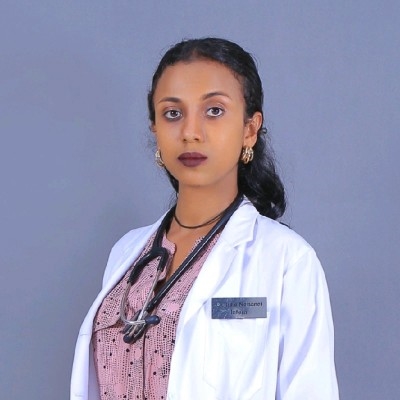
Dr. Netsanet has founded Gainhopes as a visionary non-profit organization with the mission to empower women and provide them with the resources and opportunities they need to overcome obstacles and reach their full potential.

See HERE the interview to her PEAH made few months ago.

Now, in turning the spotlight on Gainhopes initiative summarized below, PEAH aims to serve as an intermediary while inviting our network and interested readership to interact with and comment on the content of this post

By Liele Netsanet, MD

Founder and CEO at Gainhopes,  Ethiopia

lielenetsanet1@gmail.com

+251909525175

Committing Gainhopes Towards Low-Income Pregnant Women In Ethiopia 

Vision of a world where leadership knows no bounds and women are empowered to rise and shine


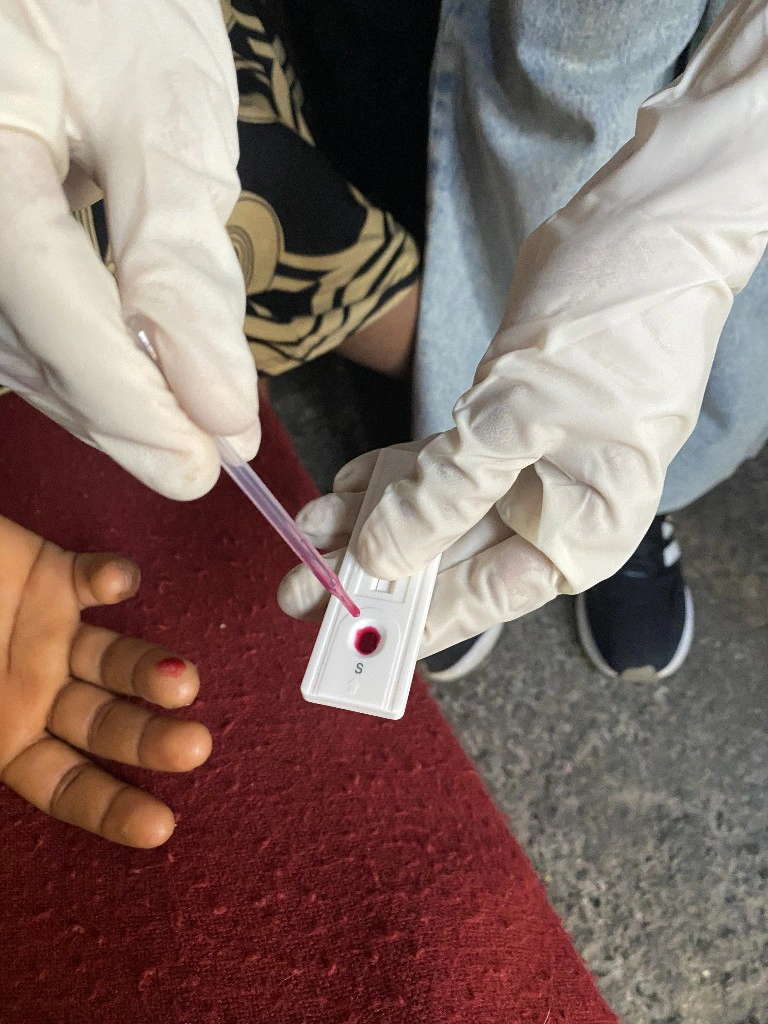
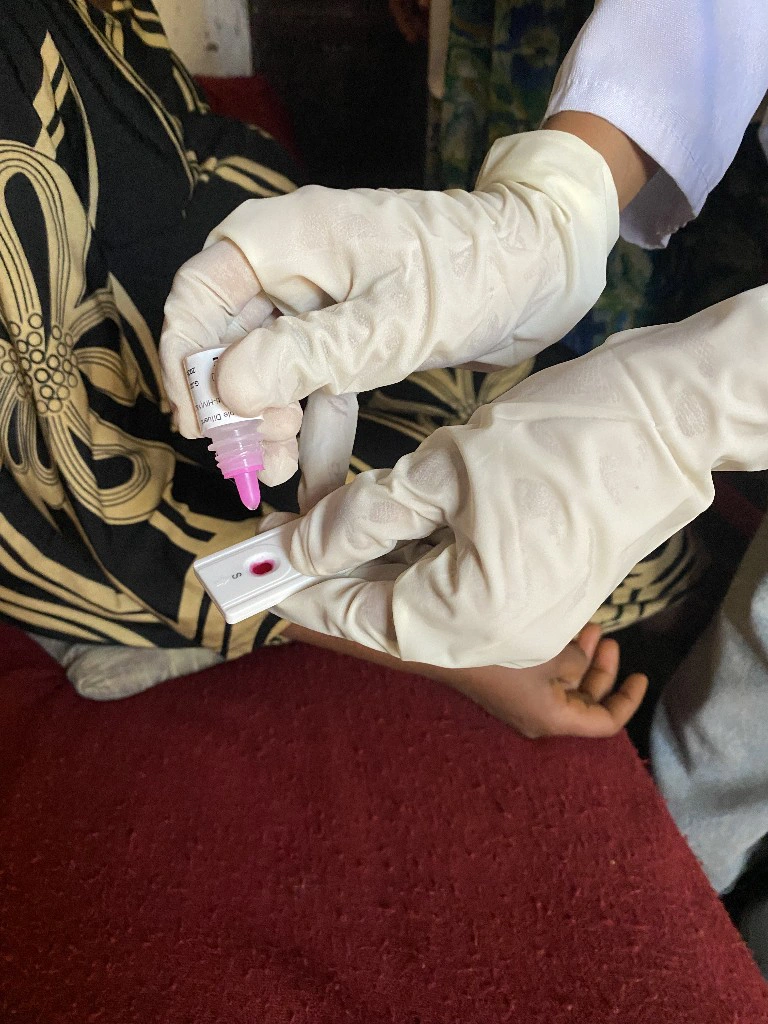
Currently, the Gainhopes team is engaged in doing an outstanding job in preventing mother-to-child transmission of HIV/AIDS through screening and counseling on ART adherence in Ethiopia.

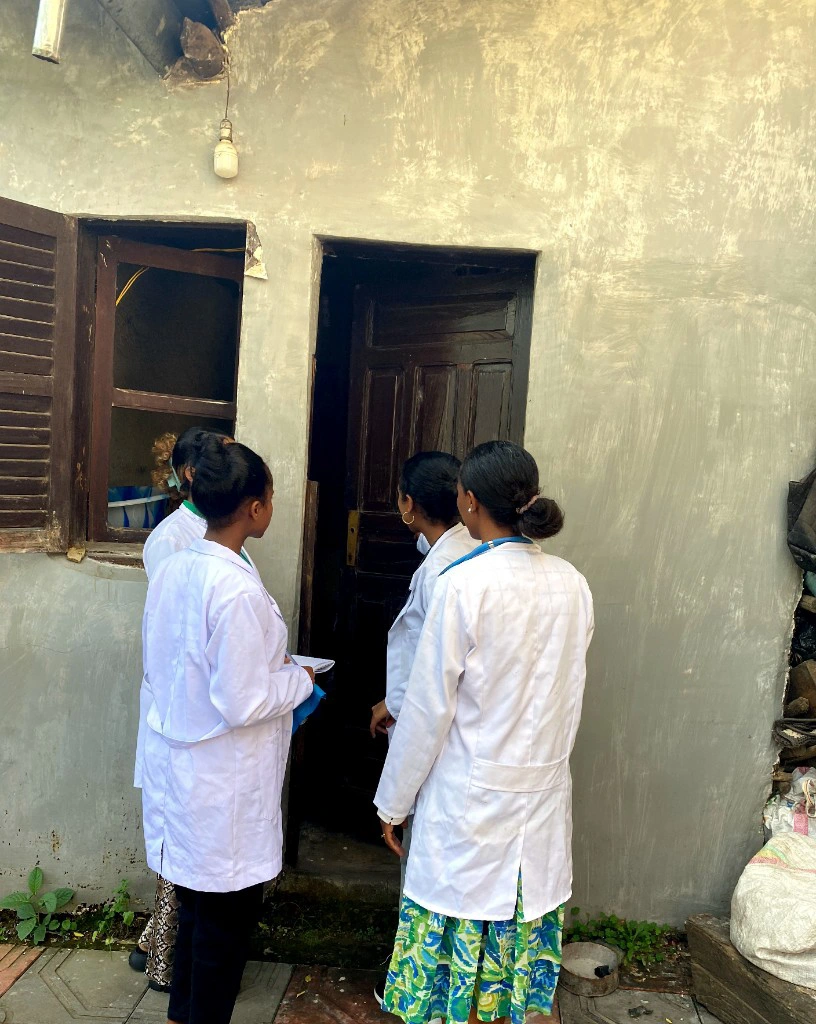
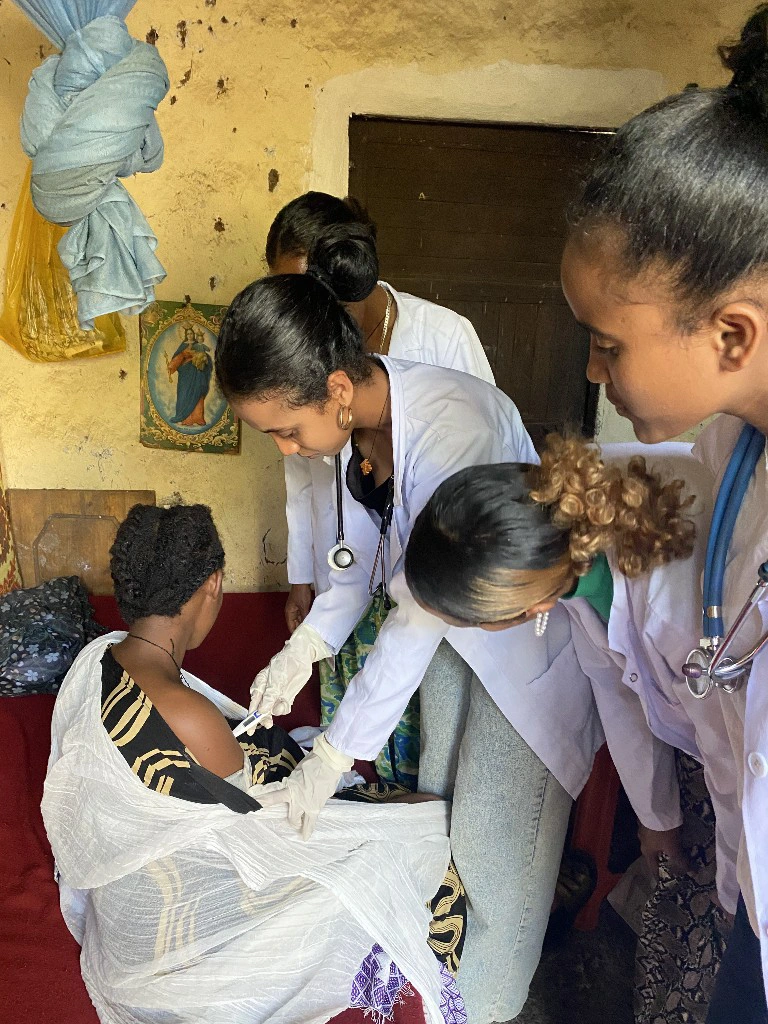
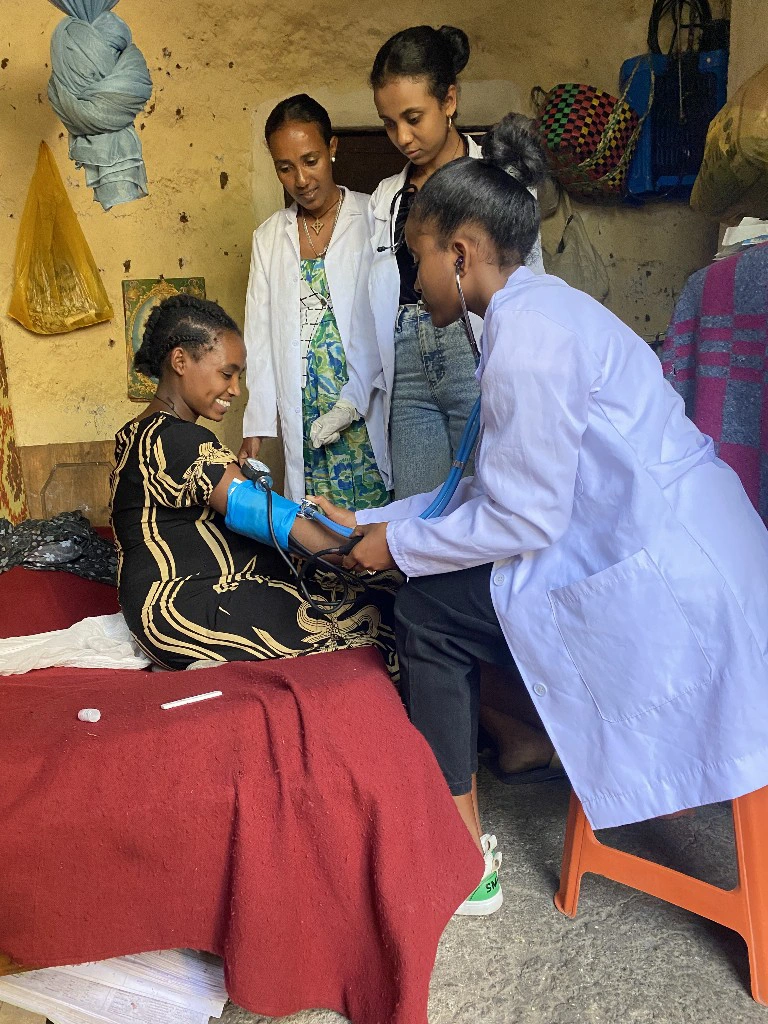
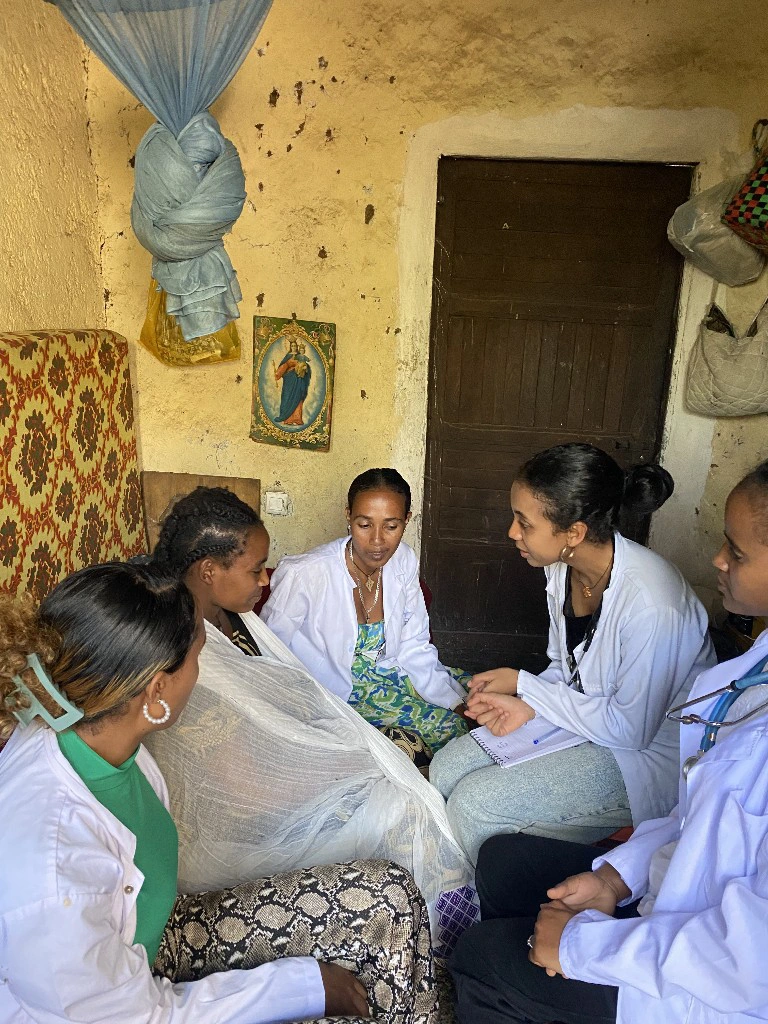
We conduct home-to-home HIV/AIDS screenings to support low-income pregnant women who lack access to antenatal care (ANC) and also screen for pregnancy-related hypertensive disorders to reduce potential negative health outcomes for newborns.

After the screenings, we provide counseling to HIV-positive pregnant women on ART adherence using various techniques and connect them with local hospitals for ANC follow-up.

We facilitate ANC follow-ups for all pregnant women by collaborating with local healthcare centers.

Additionally, we offer counseling on breastfeeding for HIV-positive mothers and provide guidance on perinatal care to help prevent the transmission of HIV to their newborns.


PEAH readers are invited to interact with and comment on the content of this post. Contact person:

Liele Netsanet, MD

lielenetsanet1@gmail.com

+251909525175

By the same Author on PEAH

Proposal Highlight: Providing Sexual and Reproductive Health System for Marginalized Women in Northern Amhara Region, Ethiopia

News Flash 596: Weekly Snapshot of Public Health Challenges

News Flash Links, as part of the research project PEAH (Policies for Equitable Access to Health), aim to focus on the latest challenges by trade and governments rules to equitable access to health in resource-limited settings

Ornate wrasse (Thalassoma pavo)

News Flash 596

Weekly Snapshot of Public Health Challenges


Webinar registration: IFIC Australia Webinar – Is it enough for people to be centered in their care, or should they be driving it? Nov 26, 2024

Webinar registration: IFIC Scotland Webinar: Community Hospitals Nov 27, 2024

Brazil launches a G20 plan to slash hunger across the world

What’s in the G20 road map to transform multilateral development banks?

World AMR Awareness Week 18 – 24 November 2024

EMA: Antimicrobial resistance

Breakthrough Research Promises Shorter Treatment for Multi-Drug-Resistant TB

A Lethal Disease Hidden in Plain Sight in Mexico

Fight or Flight — Facing the Marburg Outbreak in Rwanda

Message by the Director of the Department of Immunization, Vaccines and Biologicals at WHO – September/October 2024

WHO adds LC16m8 mpox vaccine to Emergency Use Listing

From Vision to Reality: mRNA Technology Transfer Programme Building Sustainable Vaccine Manufacturing Ecosystems in LMICs

Can SA afford to not have climate-friendly ARVs?

Number of people globally with uncontrolled diabetes exceeds 445 million, study warns

WHO and partners rally cervical cancer elimination efforts

Roche’s Patent Strategy Creates a Roadblock to Affordable Pertuzumab for Breast Cancer Patients in India

HRR746. SEEKING SILVER LININGS IN DARK CLOUDS IS A FAVORITE PURSUIT OF THE SELF-APPOINTED WESTERN DEVELOPMENT ‘EXPERTS’. DO NOT BE FOOLED

Pathways to Prosperity for Adolescent Girls in Africa

Nearly 3 mln people in Sudan need humanitarian aid due to war: official

The cost of austerity: Wemos’ study assesses the impact of the IMF programme in Zambia

The future of health in Mozambique: policy brief for more budget for health

Empowering Voices for Change: UNPOy Inspires a New Generation of Advocates for Self-Determination

Opinion: These 4 concrete steps will help close the climate finance gap

COP29: Ambitious Climate Finance Goal is not Enough – the Funds must also Reach the Right Communities

Reporter’s notebook: Behind the scenes at COP29

Protest inside COP29 entrance calls for a global Plant Based Treaty

World Resources Institute chief reflects on the nuances of COP29

Putting urban food systems on the table with COP29

Acute food insecurity to hit most people in South Sudan next year, says UN

Make Clean Air Part of Climate Plans, Experts Say

Climate entropy: reflections on the ground from COP29

Pakistani province declares health emergency due to smog and locks down two cities

Scientists harness gene editing for climate-resilient wheat


News Flash 595: Weekly Snapshot of Public Health Challenges

News Flash Links, as part of the research project PEAH (Policies for Equitable Access to Health), aim to focus on the latest challenges by trade and governments rules to equitable access to health in resource-limited settings

Spiny fan-mussel (Pinna rudis)

News Flash 595

Weekly Snapshot of Public Health Challenges


‘Road to Ruin’: Nations Clash over Multi-Trillion Climate Bill as COP29 Opens

Dear COP Negotiators from the Global South: Please Be More Cynical About Your Counterparts from the Global North

7 things to watch for at COP29, from funding to food systems

4 Reasons Why the Climate Coalition Will Win Despite Trump

EU to support continued global climate action and push for ambitious finance and investment goals at COP29

COP29 climate summit: what to expect as key world leaders sit out

COP29: Making Space Applications Work for Women in Agriculture

COP 29 should focus on people-led solutions and holding perpetrators accountable

19 local organisations to watch

What does a good NCQG decision look like?

Four Key Areas Where ‘Anti-Globalist’ Trump Threatens Global Health

What The Election Means For Federal Health Care Legislation

People’s Health Dispatch Bulletin #88: Northern Gaza’s healthcare nears collapse; Valencia braces for post-flood mental health struggles 

HRR745. THERE CAN BE NO ARTIFICIAL INTELLIGENCE WITHOUT ETHICS AND WITHOUT POLITICS 

Where is UK Development Policy Headed Under the New Government?

Healthy Environment: Workshops Report

Meeting registration: Walking the Talk of Decolonization: Institutional Transformation through Localization Nov 14, 2024

Fisherfolk in Uganda welcome decreasing army brutality

No Pandemic Agreement by December as Negotiators Need ‘More Time’

It’s Time to Stop the World’s Oldest Pandemic: We Need a New Tuberculosis Vaccine

MSF calls for equitable access to TB drugs and diagnostics in first-ever plenary session on access at the TB Union Conference

DNDi News: Treating a feverish planet: The Dengue Alliance

Tracking Progress Toward Pneumonia and Diarrhea Control

An Update on Measles, Pertussis, Mpox, and Other Vaccine-Preventable Diseases

Ahead of World Diabetes Day, pharmaceutical corporations Eli Lilly, Novo Nordisk, and Sanofi must make insulin pens available at $1 per pen

MSF comments on replies from Eli Lilly, Novo Nordisk and Sanofi on access to insulin

Urgent action needed as global diabetes cases increase four-fold over past decades

Protecting nutrition in a food crisis

Mandatory salt targets: a key policy tool for global salt reduction efforts

Estimated health benefits, costs, and cost-effectiveness of implementing WHO’s sodium benchmarks for packaged foods in India: a modelling study

UN Climate Summit Needs Action – not a COP-Out

Climate and Development KPIs

Climate Crisis Worsening Already ‘Hellish’ Refugee Situation: UN

Restricting cars in cities: a cost-benefit analysis of Low Emission Zones


News Flash 594: Weekly Snapshot of Public Health Challenges

News Flash Links, as part of the research project PEAH (Policies for Equitable Access to Health), aim to focus on the latest challenges by trade and governments rules to equitable access to health in resource-limited settings

Cleaver wrasse (Xyrichtys novacula)

News Flash 594

Weekly Snapshot of Public Health Challenges


Webinar registration: Unpacking Gilead’s Lenacapavir Voluntary License: Civil Society’s Call for True Access Nov 8, 2024

Webinar registration: “Children’s Rights and Drug Policies: Navigating the Intersection and Evaluating Impact” Nov 13, 2024

Meeting registration: Collaborative Pathways: Engaging Civil Society in AMR action- Briefing Session on Antimicrobial Resistance for civil society groups, during World AMR Awareness Week 2024 Nov 19, 2024

A Time for Change: Reforming the Global Health Architecture

Traditional medicine and global health: a call for papers

G20 Health Ministers Launch Coalition to Promote Local Medicine Production

Relationship between Prices and Quality of Essential Medicines from Different Manufacturers Collected in Cameroon, the Democratic Republic of the Congo, and Nigeria

Long Covid is Real – How This Condition Affects You

Hamid Jafari: the polio endgame and its challenges

Mpox cases in Congo may be stabilizing. Experts say more vaccines are needed to stamp out virus

Rwanda steps up measures against Rift Valley Fever

Audio Interview: The Marburg Virus Outbreak in Rwanda

Rwanda Gets a Grip Of Marburg, But Mpox ‘Not Yet Under Control’

Negotiators Have a Week to Decide if Pandemic Agreement Possible by December

Pandemic Agreement: MSF’s Comments on Selected Provisions of November 2024 Draft

INB12: KEI talking points on Article 11 Transfer of technology and know-how for the production of pandemic-related health products

Why the Pandemic Fund is considering an emergency financing mechanism

WHO study lists top endemic pathogens for which new vaccines are urgently needed

Will SA’s new vaping laws lead to more smokers instead of fewer?

The Price of Global Injustice in Loss of Human Life  by Juan Garay

World Inequality Still Rising Despite Some Convergence 

HRR744. THE TRUE FREEDOM OF HUMANITY CAN ONLY BE ACHIEVED BY FIGHTING THE IGNORANCE PROMOTED BY THE DEFENDERS OF THE STATUS-QUO; OTHERWISE, THE CATASTROPHIC OMENS MAY MATERIALIZE

UNPO Secretary General Mercè Monje Cano Interviewed by Andres Herkel in Estonia

Ethiopia’s health sector evolution and WHO’s mandate

Almost two dozen countries at high risk of acute hunger, UN report reveals

Why localization is key to Indigenous-led nature conservation

COP16 advances biodiversity protection despite ending before finance deal

Delhi Air Pollution: Are Government Satellites Missing the Stubble Fires?

Climate report shows the largest annual drop in EU greenhouse gas emissions for decades

Brazil Promotes a Freer Global Biofuels Market


The Price of Global Injustice in Loss of Human Life

IN A NUTSHELL
Author's Note
As part of a series, a new analysis here calling for subnational data and analysis to render higher sensitivity in identifying ethical efficient human models and in estimating the burden of failing to adjust our lifestyles and human dynamics to sustainable wellbeing patterns

By Juan Garay

Professor of Global Health Equity Ethics and Metrics in Spain (ENS), Mexico (UNAChiapas), and Cuba (ELAM, UCLV, and UNAH)

Co-founder of the Sustainable Health Equity movement

Valyter.es

The Price of Global Injustice in Loss of Human Life

Update of the Analysis of the Global Burden of Health Inequity 1961-2023


1947 WHO’s constitutional goal—achieving the best feasible health for all people[i] is the only globally shared health objective among nations. However, it is not measured by WHO or any government despite the 2009 World Health Assembly commitment to do so[ii].

Failing to identify the best feasible level of health leaves the partial analysis of health inequalities by arbitrary variables as the global reference of health justice monitoring[iii] fueling the fragmentation of health views and actions[iv].

Previous articles this year have used the recent UN Population 1950-2023 population and mortality estimates and 2024-2100 prospects to update the ethical ecological sustainability thresholds—1.42 hectares per capita for biocapacity and ecological footprint[v], and 1.34 metric tons of CO2 emissions per capita[vi]. Only 16 countries have constantly held footprints per capita respecting nature´s recycling capacity constantly from 1961-2023[vii]. All countries with GDP pc above the world average (measuring the economic transactions and their relation with production, trade and consumption) disrespect planetary boundaries, regardless technological advances and often rhetorical global commitments. Amongst the ecologically sustainable countries, only one has levels of life expectancy, that being above the world average, can inspire the world to progress in wellbeing while respecting its resources for coming generations: Sri Lanka. It uses less than half the world’s average economic resources per capita and only 12% of the world average health spending per capita, yet enjoys 10% higher of life expectancy. The international data have major limitations and hide major subnational disparities. The present analysis calls for subnational data and analysis to render higher sensitivity in identifying ethical efficient human models and in estimating the burden of failing to adjust our lifestyles and human dynamics to sustainable wellbeing patterns. Preliminary analysis of larger countries suggests subnational references in some regions of India, China, Russia, Indonesia, Pakistan, Brazil and Bangladesh[viii]. None of the European Union countries, USA states and other OECD countries respect planetary boundaries, and their “development” references, as the human development index ranking, guides towards human self- and nature´s ecocidal destruction[ix].

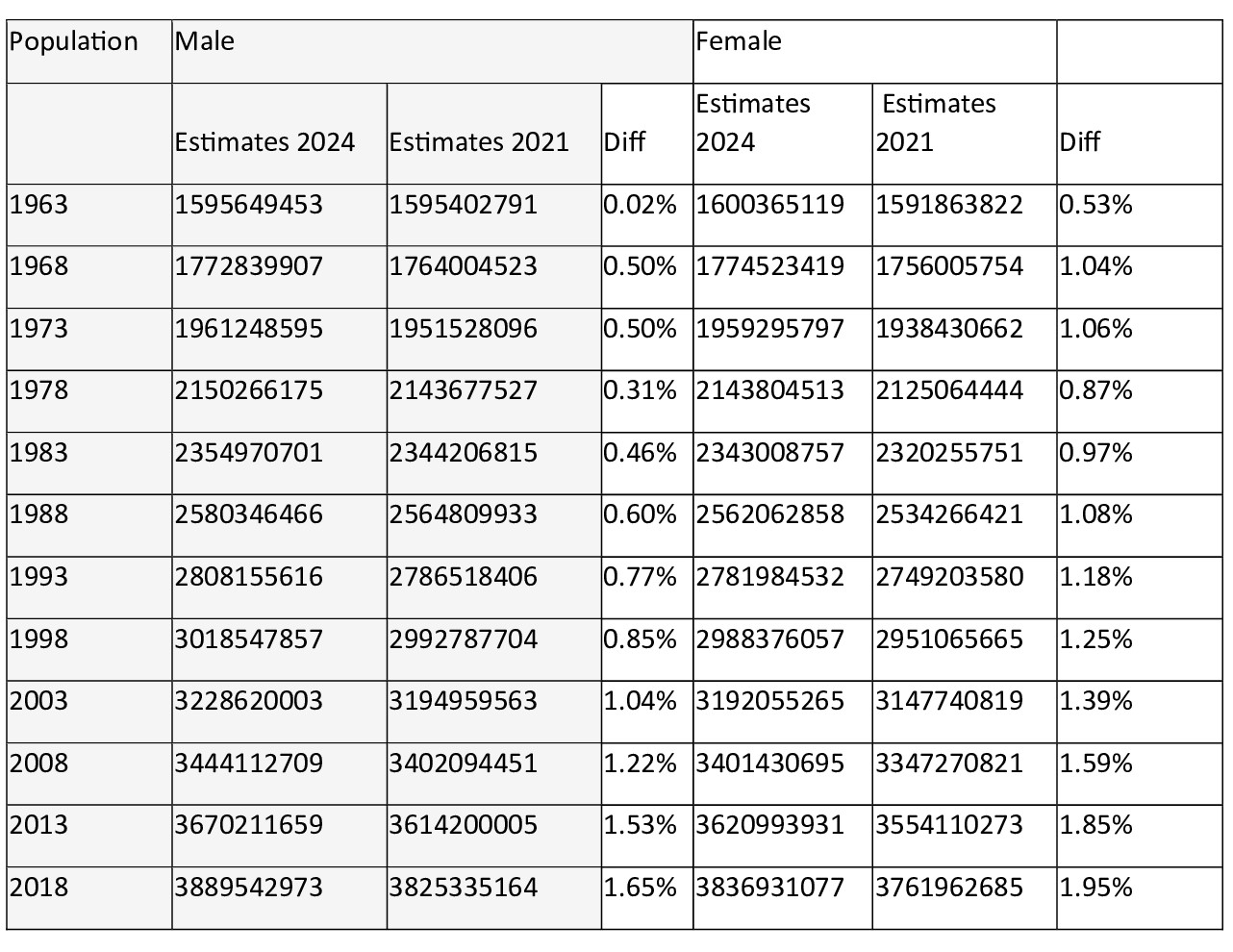
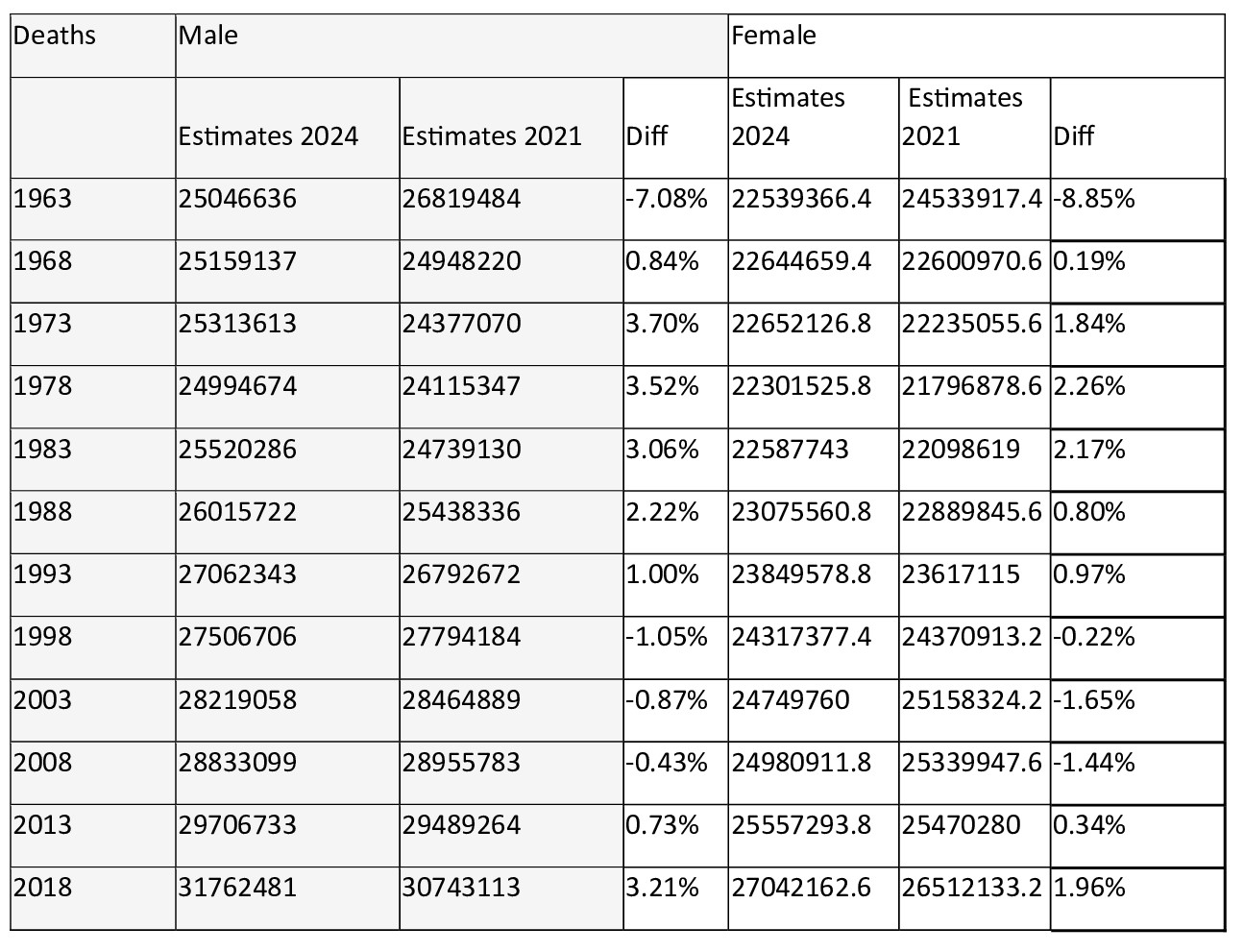
From 2011 to 2021 we have used international data from the world bank, the global footprint network and the world health organization, to select sustainable wellbeing references. As the UN used to publish population and mortality estimates every five years, we estimated the number and proportion of excess deaths from the mentioned references for the periods 1960-2010[x] (book[xi] ), -2015[xii] (book[xiii]) and -2020[xiv] (online atlas[xv]). Up to now, the data were the average of 5-year periods and were disaggregated by country, sex and 5-year age groups. The 2024 revision has been upgraded from 5-year periods to annual time series, and from 5-year age groups to single ages[xvi] and revised retrospectively the full time series since 1950. It incorporates a systematic and comprehensive set of mortality crises for all countries/areas since 1950 and includes excess mortality attributable to COVID-19 in 2020-2021 and since then. The changes are substantial, as the tables below show.

Table 1 World population prospects´ changes from 2021 to 2024 UN reports

Table 2 World deaths estimates´ changes from 2021 to 2024 UN reports

In countries like China they relate to the major historical demographic changes experienced during the Great Leap Forward, the Cultural Revolution and one-child policy periods that have affected population cohorts. Given their share of the world population, those changes have a significant impact on the overall world demographic data update.

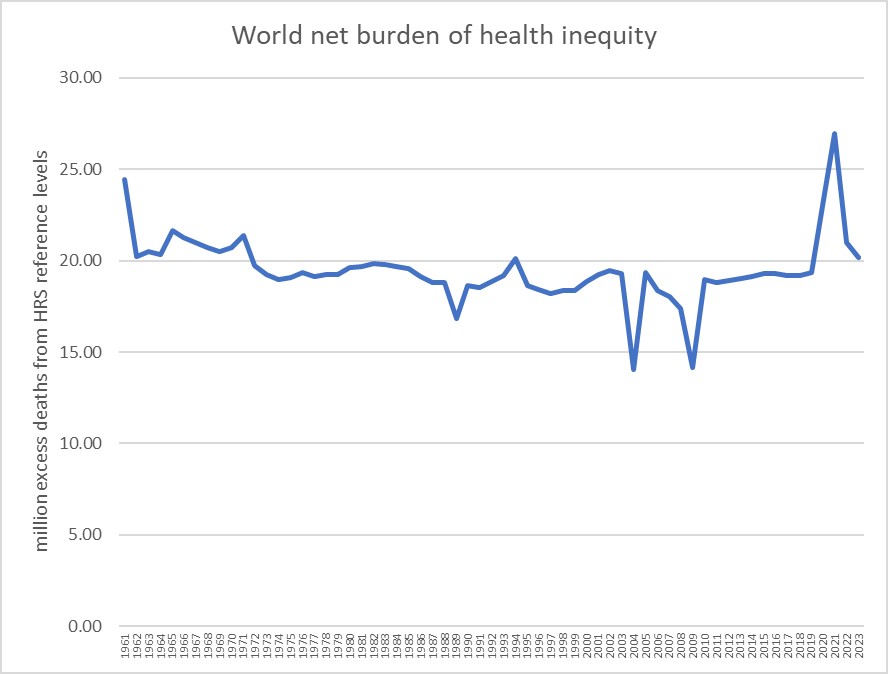
With the mentioned updated UN population data, we estimated the annual mortality rates from 1950-2023 by single year age groups and sex and the differential mortality rates with the healthy-replicable-sustainable -HRS- health (best feasible health) reference (6.6 million data each). We then applied the differential mortality rates to the reference population of each country and group and selected those in excess in each case (again 6.6 million data) to calculate the net burden of health inequity (nBHiE). The following graph represent the world´s aggregate data:

Figure 1 World net burden of health inequity

Since 1963 the number of deaths in excess from the best feasible and sustainable levels of health (shared global health objective since 1947´s WHO constitution) has been around 20 million, 20.18 million in 2023. The acute fluctuations between 2004 and 2009 relate to high adult mortality during the civil war in Sri Lanka, the HRS reference, while the peak in 2020-2021 reflect the impact of the COVID-19 pandemic.

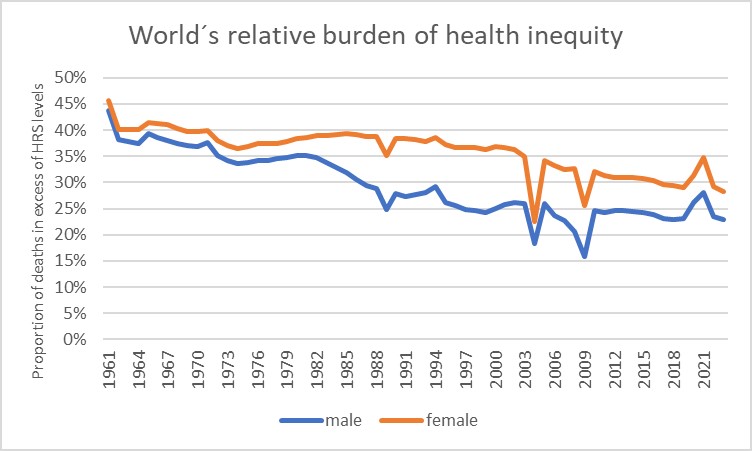
To better compare countries, age and sex groups, we calculated the proportion of all deaths that were in excess of the best feasible (HRS) levels, that is, the relative burden of health inequity (rBHiE). See rBHiE world data in the following graphs:

Figure 2 World Relative burden of health inequity 1961-2023

The graph above shows how the proportion of all deaths explained by global social/health injustice/inequity, has decreased in men from 45% in 1961 to some 25% in the 90s and remained quite stable since then, allowing for the acute fluctuations mentioned above in the nBHiE. As for women, the levels remained around 40% until the turn of the century and have decreased to some 30% in the last two decades with the mentioned fluctuations.

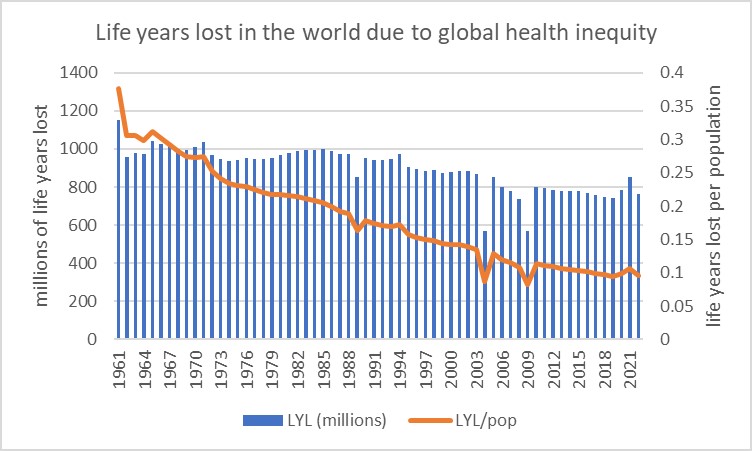
To calculate the human life years lost due to health inequity (LYLxHiE), we multiplied each excess death (nBHiE) by the difference of the age it took place with the HRS life expectancy at that given age group, sex, and year. The total number of life years lost due to global health inequity is represented in the following graph as well as the proportion of human life lost per person.

Figure 3 Life years lost in the world due to global health inequity

The representation of the life years lost due to global health inequity reveals a stable figure around 800 million since the turn of the century, with the acute fluctuations explained above. The proportion of potential human life (best feasible level) lost each year due global inequity/injustice has gradually decreased from 30% in 1961 to around 10% in 2023, as the median age of each excess death has increased due to the reduction of under five mortality in the last 62 years.

Conclusions: the recent UN population update, together with the estimates of carbon budget before we hit the 1.5º global warming enable the identification of the carbon footprint pc ethical threshold. Such carbon ethical threshold together with the world average biocapacity pc and ecological footprint serve as the ecological sustainability criteria which selects only 16 countries that have been constantly respected nature´s recycling capacity. No country with macroeconomic indicators of GDP/GNI measured in CV/PPP pc and wealth pc above world weighted average met the sustainability criteria. Among those ecologically sustainable and economically replicable countries, only one country had constantly a life expectancy at birth, both for women and men, above world average since 1961, and healthy life expectancy (deducting the burden of disability) above world average since measured in 1990. Such country is Sri Lanka, which hosts only 0,2% of the world population. Having only one HRS reference means that its fluctuations in mortality rates, as experienced during the civil war, impact the estimates of the burden of health inequity. As mentioned above, when looking at subnational regions in the 10 countries with higher population (representing 60% of the world population), we could see, only for the last 5-year period average data on life expectancy and GDP pc at CV/PPP, highly correlated with carbon emissions and ecological footprint especially when considering the consumption dimension, that 22 subnational regions representing some 6% of the world population may meet the HRS criteria. A detailed analysis of the world’s approximately 80,000 districts will likely uncover the most efficient and sustainable models rendering much higher sensitivity to the analysis of the burden of health inequity, its distribution and the identification of features (social, political, economic, cultural and environmental) that enable equitable and sustainable (fair) human well-being[xvii].


References

[i] https://www.who.int/about/governance/constitution

[ii] https://iris.who.int/handle/10665/2257

[iii] https://www.who.int/data/inequality-monitor

[iv] https://www.thelancet.com/journals/lancet/article/PIIS0140-6736(18)32072-5/abstract

[v] https://www.footprintnetwork.org/

[vi] https://www.peah.it/2024/07/13556/

[vii] Afghanistan, Burundi, Benin, Burkina Faso, Comoros, Haiti, Kenya, Cambodia, Sri Lanka, Malawi, Niger, Nepal, Pakistan, Philippines and Rwanda

[viii] India (Kerala, Nagaland), China (Shanxi, Guangxi, Anhui, Sichuan, Henan), Russia (Ingushetia, Chechnya, Kabardino, Dagestan, Karachay in the North Caucasus), Indonesia (Sulawesi, Kalimantan, Bali, Java), Pakistan (FATA), and Brazil (Piaui, Alagoas, Paraiba, Ceara, Para, Rio Grande do Norte)

[ix] https://www.peah.it/2024/09/13667/

[x] https://www.peah.it/2015/10/understanding-measuring-and-acting-on-health-equity/

[xi] https://www.binasss.sa.cr/eng.pdf

[xii] https://oxfordre.com/publichealth/view/10.1093/acrefore/9780190632366.001.0001/acrefore-9780190632366-e-62.

[xiii] https://my.editions-ue.com/catalogue/details/fr/978-3-330-86865-6/the-ethics-of-health-equity

[xiv] https://www.peah.it/2021/04/9658/

[xv] https://gobierno.uniandes.edu.co/es/Noticias/atlas-medici%C3%B3n-equidad-salud

[xvi] https://population.un.org/wpp/Methodology/

[xvii] https://www.peah.it/2023/12/12800/


—-

By the same Author on PEAH

Identifying International Sustainable Health Models 

Homo Interitans: Countries that Escape, So Far, the Human Bio-Suicidal Trend

Human Ethical Threshold of CO2 Emissions and Projected Life Lost by Excess Emissions

 Restoring Broken Human Deal

   Towards a WISE – Wellbeing in Sustainable Equity – New Paradigm for Humanity

  A Renewed International Cooperation/Partnership Framework in the XXIst Century

 COVID-19 IN THE CONTEXT OF GLOBAL HEALTH EQUITY

 Global Health Inequity 1960-2020 Health and Climate Change: a Third World War with No Guns

 Understanding, Measuring and Acting on Health Equity

News Flash 593: Weekly Snapshot of Public Health Challenges

News Flash Links, as part of the research project PEAH (Policies for Equitable Access to Health), aim to focus on the latest challenges by trade and governments rules to equitable access to health in resource-limited settings

White seabream (Diplodus sargus sargus)

News Flash 593

Weekly Snapshot of Public Health Challenges


USA Election 2024 ‘Take Time to Think – It is the Source of Power’  by George Lueddeke 

10 Principles for Protecting Human Rights in US Elections

Political polarization and health

Whose Interests does ODA Truly Serve? AidWatch 2024 Launch Event

Director’s blog: Do partner country interests matter to the EU anymore?

Global health 2050: the path to halving premature death by mid-century

Response to The Lancet Commission on Investing in Health 3.0: We Must Prioritise Better

WHO and partners activate Global Health Emergency Corps for the first time in response to mpox outbreak

Fostering regulatory collaboration to improve access to mpox medicines

WHO lists additional mpox diagnostic tests for emergency use

Tuberculosis resurges as top infectious disease killer

Innovation to End TB Stigma: Stop TB Partnership Organises the First-Ever Global Hackathon To Identify Innovative Strategies for Achieving End TB Targets

Egyptians Still Face Barriers to Insulin Access, Despite Promises of Expanded Domestic Production

Women and Diabetes: tackling hidden health disparities

Menstrual Health as a Foundation for Adolescent Sexual and Reproductive Rights in Ethiopia

Child health in Gaza 

People’s Health Dispatch Bulletin #87: Israeli attacks on Gaza’s healthcare are crimes against humanity, say UN experts

Global civil society calls on Australian senators to hold firm and deliver corporate tax transparency

France and Spain must regulate their companies in Senegal

Why does SA treat drug addiction as a criminal, rather than a health problem?

Carbon emissions of richest 1% increase hunger, poverty and deaths, says Oxfam

Nigeria’s malnutrition crisis reveals the extent of its healthcare collapse

The 2024 report of the Lancet Countdown on health and climate change: facing record-breaking threats from delayed action

The state of global climate financing

Has China Really Provided More Climate Finance to Developing Countries than the US?

Islands at the edge: How climate shocks shape poverty in Small Island Developing States

Greenhouse gases surged to new highs in 2023, warns UN weather agency

Amid Grim New Climate Insights, Scientists Appeal for COP29 to Move from Talk to Implementation

How Indigenous Peoples and Local Communities can protect and restore biodiversity


USA Election 2024 ‘Take Time to Think – It is the Source of Power’

IN A NUTSHELL
Author's Note
Further to Dr George Lueddeke’s latest commentary A Dangerous Moment for America  and the World, here is a summary of publications that try to make sense of how we have reached this point, what is at stake and why  this election is critical for ensuring our freedoms (democracy) vs enslavement under autocratic rule

George Lueddeke

 By George Lueddeke PhD

Global Lead, International One Health for One Planet Education & Transdisciplinary Research Initiative (1 HOPE-TDR)

Independent advisor in Higher, Medical and One Health education / research

Southampton, United Kingdom

 USA Election 2024

‘Take Time to Think – It is the Source of Power’

Striving Toward Freedom and Sustainability Across the World!


The steps that led to the rise of Nazi Germany are already in play in the US if Trump wins proposing “dismantling key agencies like the Departments of Education, Homeland Security, National Oceanic and Atmospheric Administration, Consumer Financial Protection Bureau and the FBI, rolling back LGBTQ+ rights and climate protections…banning abortion as healthcare and implementing the largest deportation effort in US history.” 

It is entirely possible that Project 2025 could be the beginning of a new “dark age” in America and other global regions “with disregard and disrespect for international law .”  Laws and policies enacting Project 2025 could lead to scientific and cultural stagnation reminding us of the fall of Rome more than 1500 years ago (476 -1000 ce) – including   the periods following major wars such as World War 1, World War 2 and the “unforgivable” Russia-Ukraine War….

The proverb “There is none so blind as those who cannot see” has taken on a more ominous meaning as we reflect on the voting patterns in the US.  Thinking that leader integrity, competence, self-awareness, compassion and respect count for so little and  that votes can be bought raises fundamental questions about societal values across many nations that have embraced far-right extremism.

But, as stated in a previous commentary, “Anyone who believes that living in a dictatorship or a neo-fascist state is better than living in a democracy should take a close look at life in North Korea today — along with recalling life under Nazi Germany. The recent article, “North Koreans face lives devoid of hope, UN rights chief says,” is a wake-up call for us all and clearly demonstrates that freedom of choice in all aspects of life is far better than enslavement!”

With the latter observations in mind, here are a few additional publications that could shed more light on where we are today and may be tomorrow unless we change tack on 5 November. 

Will Trump’s Madison Square Garden rally  on 27 October resemble a fascist one from 1939?”

On February 20, 1939, a Nazi rally took place at Madison Square Garden, organized by the German American Bund. More than 20,000 people attended, and Fritz Julius Kuhn was a featured speaker. The Bund billed the event, which took place two days before George Washington’s Birthday, as a pro-“Americanism” rally; the stage at the event featured a huge Washington portrait with swastikas on each side. Approximately 100,000 anti-Nazi counter-protesters gathered outside, attempting to break through lines of police officers guarding the rally on three occasions. The Bund rapidly declined in the aftermath of the rally, with Kuhn being imprisoned for embezzlement by the end of the year.” Will history repeat itself?

What research on ‘abusers of power’ tells us

UCL social scientist Dr Brian Klaas, after ten years of interviewing “despots, corrupt kingpins, crooked chief executives, power-hungry generals, cult leaders, abusive managers, bloodthirsty rebel leaders,” concluded that abuse of power comes down to three “big problems”:

  • power is magnetic to corruptible people…especially true for people with a particular destructive psychological cocktail known as the dark triad: Machiavellianism, narcissism, psychopathy”;
  • “people who enjoy elevated power” tend to “eat impulsively and have sexual affairs, to violate the rules of the road, to lie and cheat …and to communicate in rude, profane and disrespectful ways”;
  • “we give power to the wrong people for the wrong reasons …seduced by charlatans and strongmen, with roots in the ancient past of our species” as “our brains haven’t evolved much since the Stone Age” while our “societies have changed radically” and “our brains haven’t caught up.”

Speaking “as a mother,”  the celebrated singer Beyoncé  cut through all the political wrangling  at the moment at the presidential  campaign rally  for  Kamala Harris in Kalamazoo, Michigan,  a few days ago.

Her key messages on what truly matters today must not be forgotten by those voting in the 5 November US election nor the world:

caring “deeply about the world my children and all of our children live in, a world where we have the freedom to control our bodies, a world where we’re not divided” and “growing up seeing what’s possible with no ceilings, no limitations.”


———————- 

FULL SPEECH

Michelle Obama rallies for Harris in Michigan

https://www.youtube.com/watch?v=YtQqGOOLh8o


————-

By George Lueddeke on PEAH 

A Dangerous Moment for America and the World

Re-Orientation to Sustain Life on Earth

Betting on SDGs in a Disequal World

Holistic Systemic Change to Care for All Life on Earth

Earth Future: Time for a Global ‘Reset’!

Reflections on Transforming Higher Education for the 21st Century: PART 3 The international One Health for One Planet Education Initiative (1 HOPE) and the ‘Ecological University’

Reflections on Transforming Higher Education for the 21st Century: PART 2 Development of a Global ‘All Life’ Narrative

Reflections on Transforming Higher Education for the 21st Century: PART 1 The One Health & Wellbeing Concept

Planet Earth: Averting ‘A Point Of No Return’?

Tackling the Root Causes of Climate Change. If Not Now, WHEN?

Commentary on ‘More for The World Organisation for Animal Health (OIE) – Impakter’

Rebuilding Trust and Compassion in a Covid-19 World

The University in the early Decades of the Third Millennium: Saving the World from itself?

The World at Risk: Covid-19, Global Sustainability and 1 HOPE

Postscript – The World at Risk: Covid-19, Global Sustainability and 1 HOPE


On this theme, see also

FOCUS ON: Universities in the Early Decades of the Third Millennium: Saving the World from Itself?

INTERVIEW – ‘Survival: One Health, One Planet, One Future’ – Routledge, 1st edition, 2019

News Flash 592: Weekly Snapshot of Public Health Challenges

News Flash Links, as part of the research project PEAH (Policies for Equitable Access to Health), aim to focus on the latest challenges by trade and governments rules to equitable access to health in resource-limited settings

Aeolian islands (Italy): Filicudi in the distance

News Flash 592

Weekly Snapshot of Public Health Challenges


Critical Health Care Challenges for the Next U.S. President

Epistemicide, health systems, and planetary health: Re-centering Indigenous knowledge systems

Webinar registration: The Global State of Harm Reduction 2024 Oct 29, 2024

5 things to watch at the World Bank-IMF annual meetings

The MDB Ships Are Turning but Not Yet On Course: Results of CGD’s Updated MDB Reform Tracker

Allocate SDRs Directly to Multilateral Development Banks

Reforming MDBs: we have the solutions, now we need sustained leadership

New paper: European civil society urges UN-negotiated way out of debt crises

Egypt is certified malaria-free by WHO

Public Pharma for Europe Coalition: a step towards health for all

Fighting substandard and falsified medicines with rapid screening technologies …. at the World Health Summit

‘Time for $5’ campaign to deliver 206,937 signatures to US corporation Danaher in Washington, DC, demanding a $5 price for their medical tests

Talks have started to get the twice-yearly anti-HIV jab registered in SA

Success of long-lasting HIV drug hinges on pricing

‘Antiretrovirals Alone Won’t End HIV’ in Africa #HIVR4P2024

Liberia’s Breakthrough in Dual Syphilis and HIV Screening

Polio is rising in Pakistan ahead of a new vaccination campaign

Rwanda Reports Significant Drop In New Marburg Infections

Trachoma elimination in sight after South Asia success

Forecasting the effects of smoking prevalence scenarios on years of life lost and life expectancy from 2022 to 2050: a systematic analysis for the Global Burden of Disease Study 2021

Justice Disorder — Mental Health and Incarceration in the United States

THIRD WORLD RESURGENCE

HR 742. IN THEIR AIM TO TO OPEN A PATH, HUMAN RIGHTS ACTIVISTS ALWAYS FACE YET ONE LAST UNFORESEEN HURDLE TO OVERCOME. C’est la vie!

A day to raise awareness about human trafficking in the EU

Tunisia’s anti-migrant measures spark human rights concerns

WMA Declaration of Helsinki – Ethical Principles for Medical Research Involving Human Participants

Biodiversity Goal Can Be Achieved in the Southern Ocean

COP16 Can and Must Address Oil & Gas to “Make Peace with Nature”

Azerbaijan’s climate leadership challenge

What is COP29 and why is it important?

Health Sector Seeks Path to Greater Climate Impact – but Fossil Fuel Subsidies Block the Way

Global water crisis leaves half of world food production at risk in next 25 years

Cities Face ‘Severe Degradation’ Without Meaningful Climate Action, Warn Experts


News Flash 591: Weekly Snapshot of Public Health Challenges

News Flash Links, as part of the research project PEAH (Policies for Equitable Access to Health), aim to focus on the latest challenges by trade and governments rules to equitable access to health in resource-limited settings

Salema (Sarpa salpa)

News Flash 591

Weekly Snapshot of Public Health Challenges


Meeting registration: Community of Practice “Climate and Health Justice” Oct 24, 2024

US$ 1 billion in new and reaffirmed funding commitments announced for WHO’s ongoing Investment Round

A Proposal for the IMF: A New Instrument of International Liquidity Provision for Emerging Markets and Developing Economies

Identifying International Sustainable Health Models  by Juan Garay

Humanitarians: Stop using fear of migration to drive fundraising and advocacy

Human Behaviour Drives Pandemics – And Rebuilding Trust is Essential

The Age of Depopulation: Surviving a World Gone Gray

A Dangerous Moment for America and the World  by George Lueddeke

The Power of AI for Health Inequalities  by Brian Johnston

Long-Acting Injections Against HIV Dominate at Prevention Conference

Malaria vaccine rollout begins in Africa: the need to strengthen regulatory and safety surveillance systems in Africa

How far are we from a licensed vaccine for deadly Marburg?

MSF calls for urgent action as governments and donors are failing children with TB

TACTIC: Test, Avoid, Cure TB in Children

BREAKING NEWS: Only $1.50 to Detect TB Infection With the Next-Generation SIILTIBCY Test

To conquer antimicrobial resistance in Africa, build local capacity

New laboratory aims to expand microbiome research in Africa 

Forecasting the effects of smoking prevalence scenarios on years of life lost and life expectancy from 2022 to 2050: a systematic analysis for the Global Burden of Disease Study 2021

Palliative and hospice care: the challenges of caring for terminally ill patients, and their loved ones

FIGHT WITH INDIGENOUS PEOPLES FOR LIFE ON EARTH

Are we making progress on ending discrimination in the EU? 

People’s Health Dispatch Bulletin #86: Israel expands war on health from Gaza to Lebanon and Syria

Conflict impact on Gaza schools ‘catastrophic’

Poorest countries in worst financial shape since 2006, World Bank says

Florida: Barriers to Addressing Maternal Health Inequities

One in eight girls and women raped or sexually assaulted before age 18, UNICEF says

World Told Act Now or Face 136 Years of Hunger, Report Warns

20 Years of UN Right to Food Guidelines: time for a world free from hunger and human-made starvation

Restore Our Planet podcasts

EU Makes Major Advance in Tackling Deadly Air Pollution


Identifying International Sustainable Health Models

IN A NUTSHELL
Author's Note
As part of a series, a new article here aimed at identifying countries with life expectancy (as a proxy for health and well-being) above the global average, while maintaining feasible economic (below world average GDP per capita) and ecological (below recyclable thresholds) standards.

 The latest analysis includes criteria such as life expectancy disaggregated by sex, healthy life expectancy, GDP and GNI per capita in CV and PPP units, wealth per capita, carbon and ecological footprint per capita, and biocapacity per capita

By Juan Garay

Professor of Global Health Equity Ethics and Metrics in Spain (ENS), Mexico (UNAChiapas), and Cuba (ELAM, UCLV, and UNAH)

Co-founder of the Sustainable Health Equity movement

Valyter.es

Identifying International Sustainable Health Models

How to Achieve 10% Higher Life Expectancy with 50% Less Resources (and 12% of Resources for Health)

Guess Which Models Should Lead


For the past 15 years[i], we have been studying international benchmarks for “best feasible health” levels to measure the WHO’s constitutional goal—achieving the best feasible health for all people[ii], the only globally shared health objective among nations. Our aim is to quantify the global burden of health inequity.

We identify countries with life expectancy (as a proxy for health and well-being) above the global average, while maintaining feasible economic (below world average GDP per capita) and ecological (below recyclable thresholds) standards. The selection criteria are reviewed every five years in consultation with experts from health, economics, and ecology. The latest analysis includes 12 criteria, such as life expectancy disaggregated by sex, healthy life expectancy, GDP and GNI per capita in CV and PPP units, wealth per capita, carbon and ecological footprint per capita, and biocapacity per capita[iii].

After identifying countries that meet these “best feasible health” standards, we calculate adjusted mortality rates by country, age, and sex group, and compare them to actual deaths. The excess deaths beyond what is expected at feasible levels constitute the global burden of health inequity. The proportion of these excess deaths is referred to as the relative burden of health inequity. This analysis is conducted every five years when the UN Population Division releases demographic data. This year, we are publishing ahead of the usual schedule due to the UN’s release of projections for 2021-2025 and beyond, which also allow us to update estimates of the carbon footprint ethical threshold[iv].

Our findings are shared via interactive data dashboards, maps, and country reports in the Global Atlas of Health Equity[v]. Currently, we are reviewing all steps of the updated analysis with the latest UN data through participatory discussions at the monthly open webinars of the Sustainable Health Equity Movement[vi].

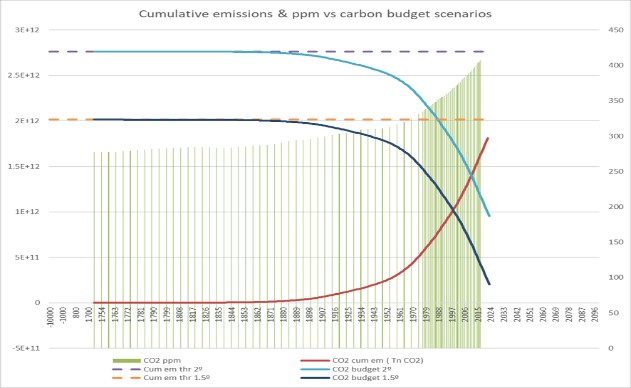
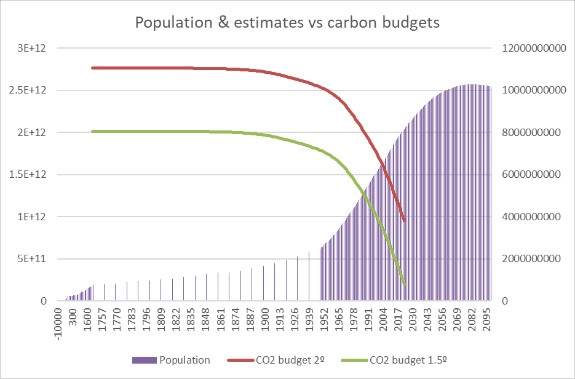
We have also referred to the 2023 ecological thresholds—1.42 hectares per capita for biocapacity and ecological footprint[vii], and 1.34 metric tons of CO2 emissions per capita[viii]. Exceeding these levels means the planet cannot recycle human resource consumption, progressively undermining future generations’ livelihoods. The impact of global warming, driven by excess carbon emissions, has been extensively studied, leading to international agreements and commitments, though these have been largely inadequate and poorly implemented. The graphs below illustrate the remaining carbon budgets for limiting global warming to 1.5°C and 2°C above the Holocene average, and the relationship with cumulative carbon emissions from 1990 to 2020, including the effects of the COVID-19 pandemic.
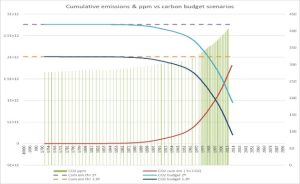
Figure 1 Cumulative CO2 emissions vs carbon budget
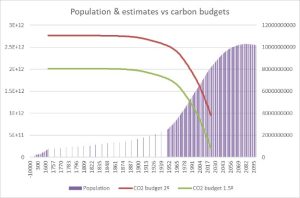
Figure 2 Carbon budget vs. human population estimates till 2100

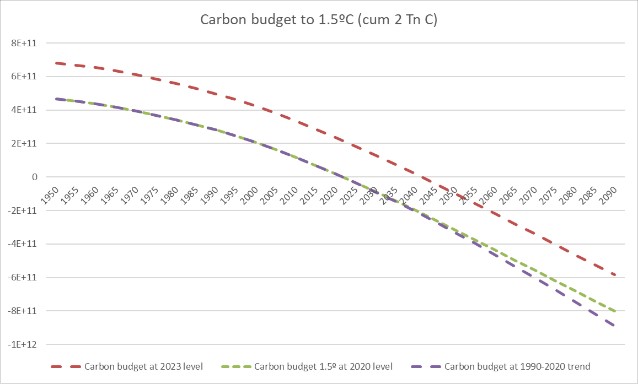
As shown in the following graph, unless there is a radical shift across all nations and populations to reduce carbon emissions below the “ethical” threshold mentioned earlier (a goal our analysis aims to promote), the planet will reach a critical “fever” point, potentially long-lasting due to feedback effects on other planetary boundaries. This is expected to occur by 2030 with a 1.5°C increase, and by 2050 with a 2°C increase.
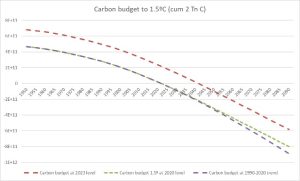
Figure 3 Carbon budget sunset scenarios

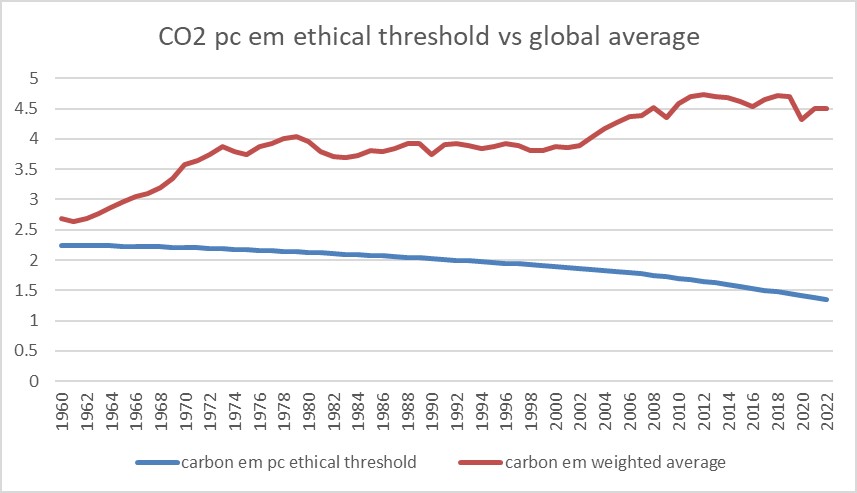
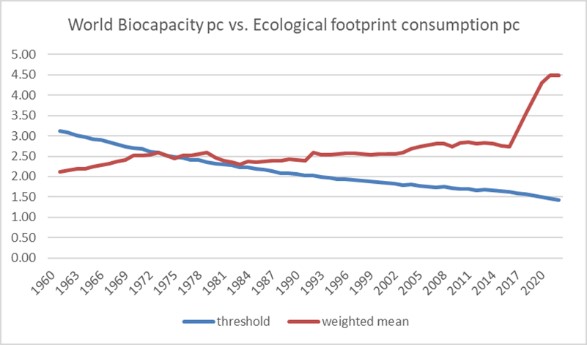
At the current trend, the excess mortality in the 21st century due to rising temperatures from excess carbon emissions is projected to exceed 220 million deaths[ix], primarily affecting low-polluting countries. This figure represents only one aspect of the broader, unsustainable impact humans are having on the planet. Graphs 1 and 2 illustrate how the global average carbon and ecological footprint has already surpassed sustainable thresholds and continues to rise.
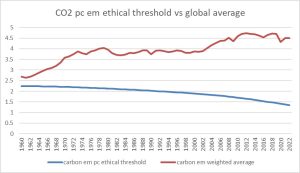
Figure 4 CO2 emissions ‘ethical threshold vs world average emissions per capita
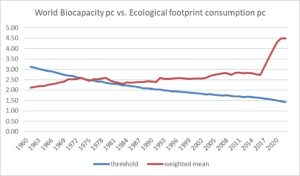
Figure 5 World biocapacity and ecological footprint threshold vs world average

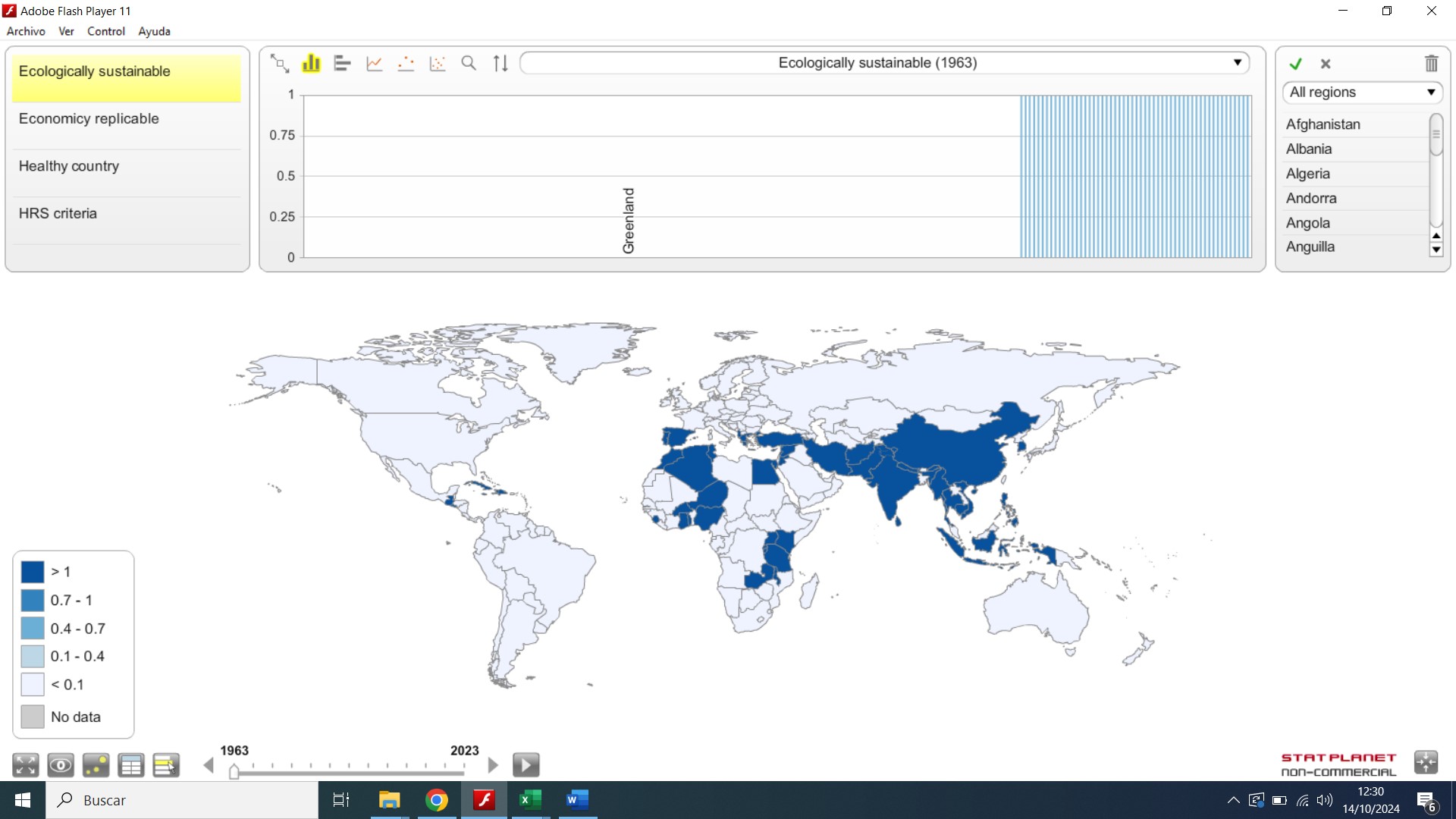
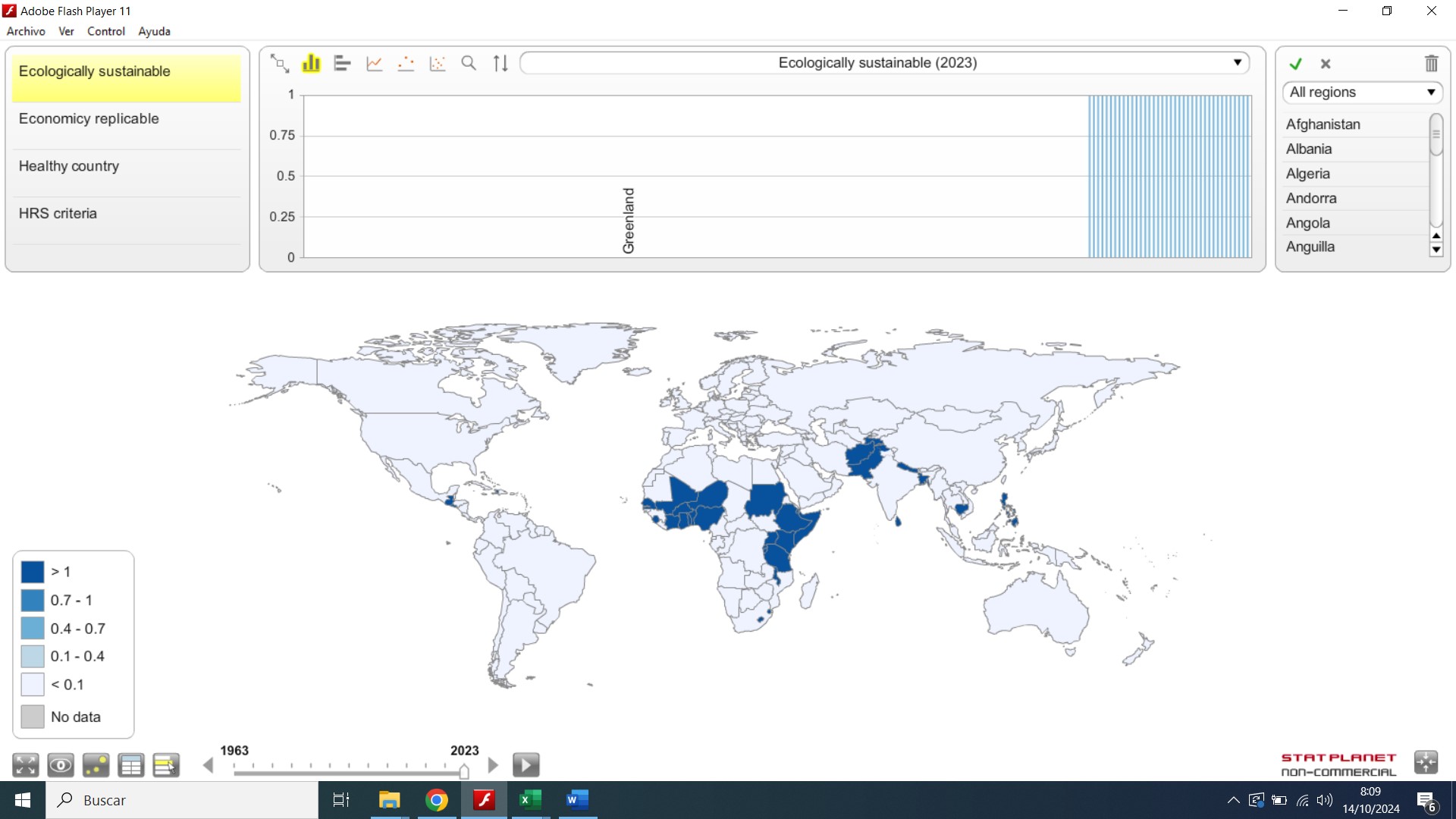
As the graphs below show, the number of countries which meet the mentioned ecological sustainability criteria has gradually decreased, with only 20 countries having met all criteria since 1970, namely Afghanistan, Burundi, Benin, Burkina Faso, Comoros, Haiti, Kenya, Cambodia, Sri Lanka, Malawi, Niger, Nepal, Pakistan, Philippines and Rwanda.
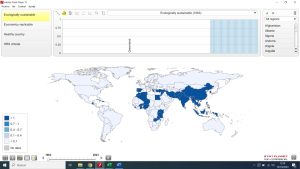
Figure 6 Ecologically sustainable countries 1970
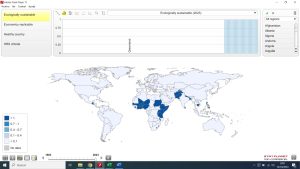
Figure 7 Ecologically sustainable countries 2023

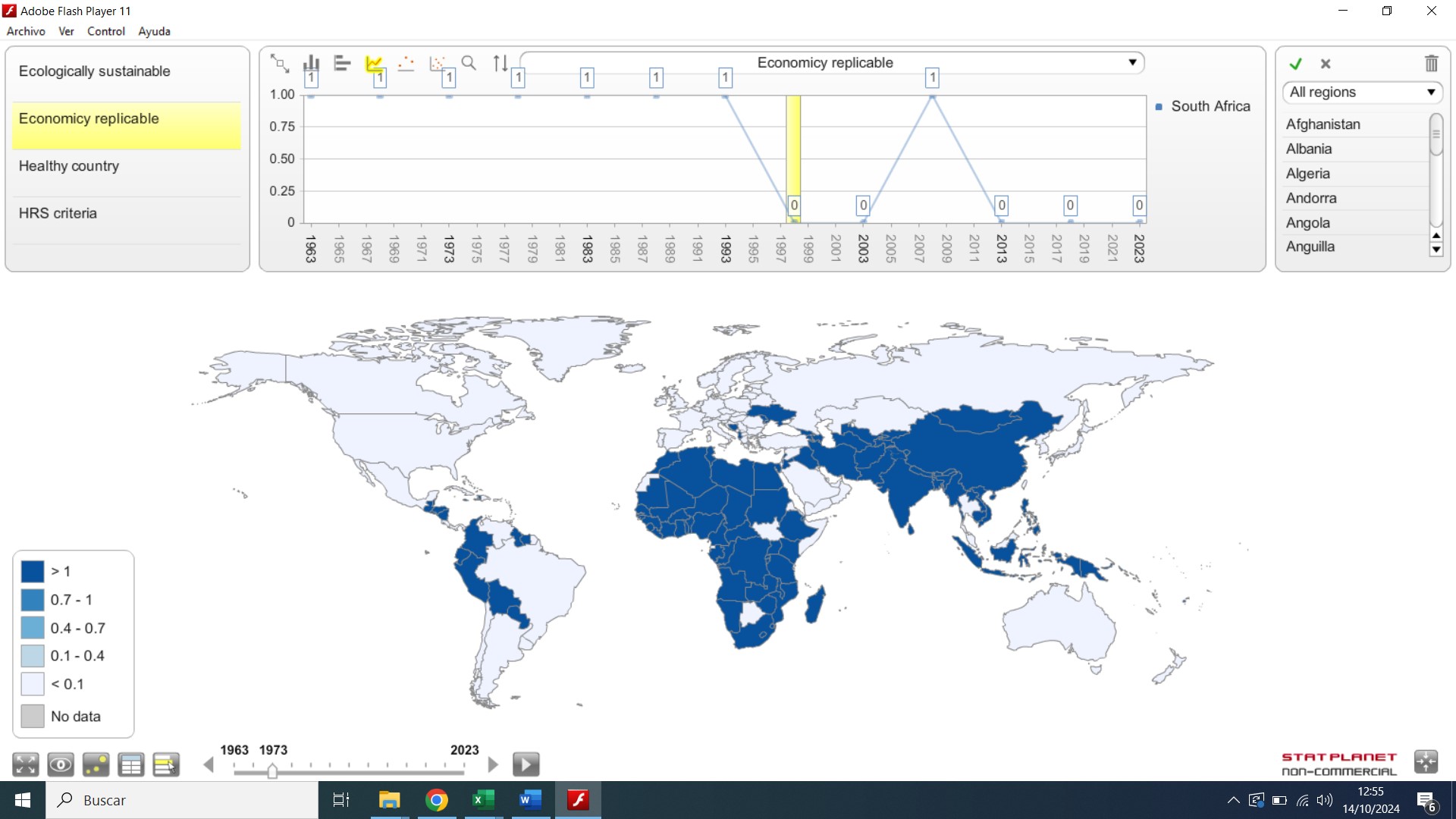
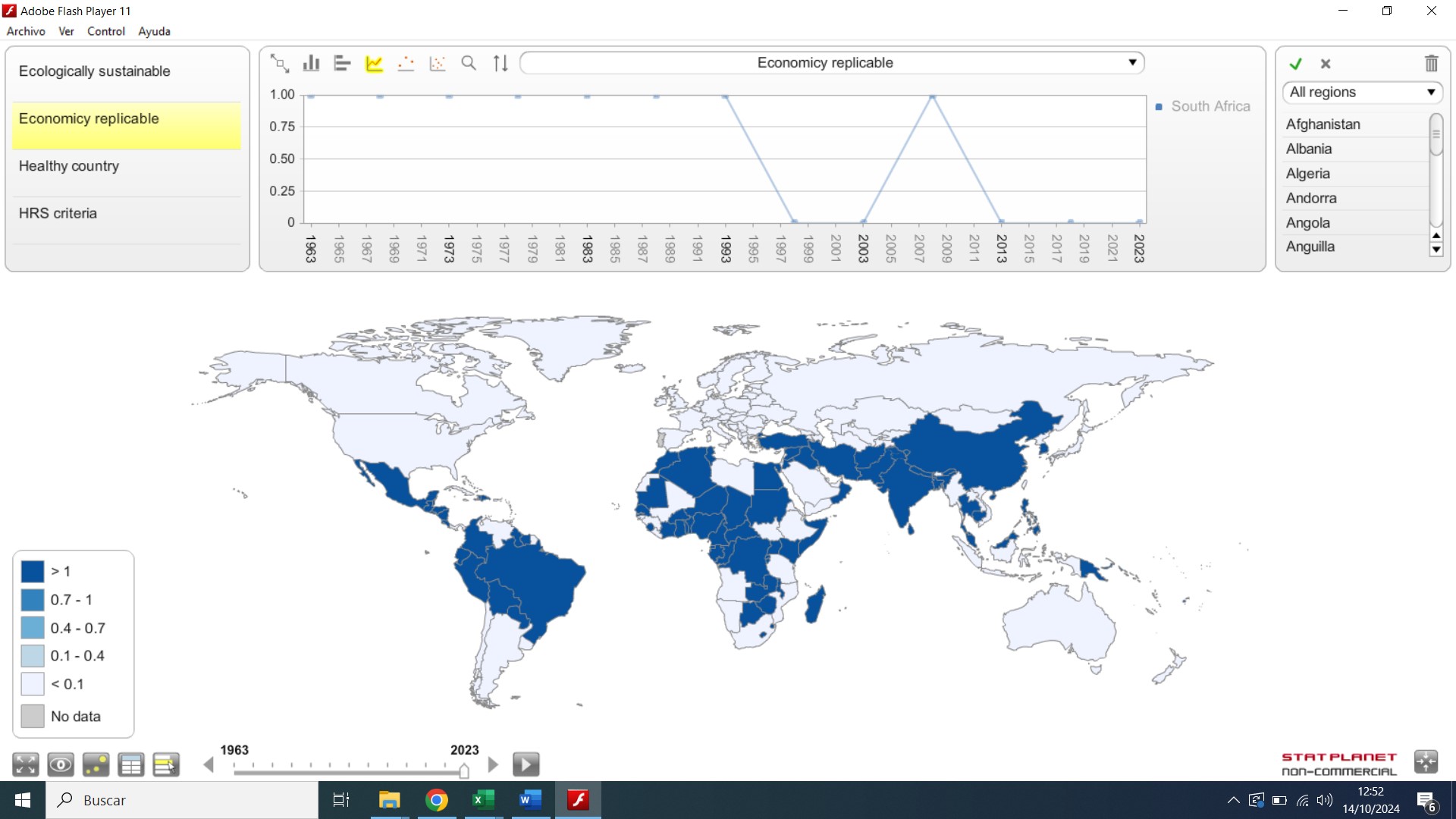
As for the economic criteria, so it happens that all countries with ecologically sustainable rates have economic indicators below the world average. In fact, all of them have wealth pc below 34% and GDP pc in constant value below 44% of the world average. The following maps using the open source statplanet software[x], show the economically replicable countries in 1970 (with enough comparable data on GDP pc PPP) and in 2023.
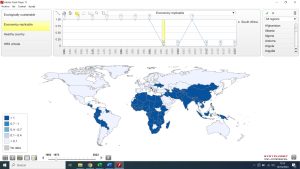
Figure 8 Economically replicable countries 1970
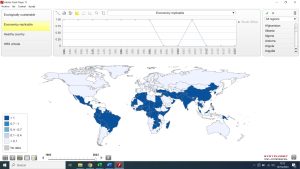
Figure 9 Economically replicable countries 2023

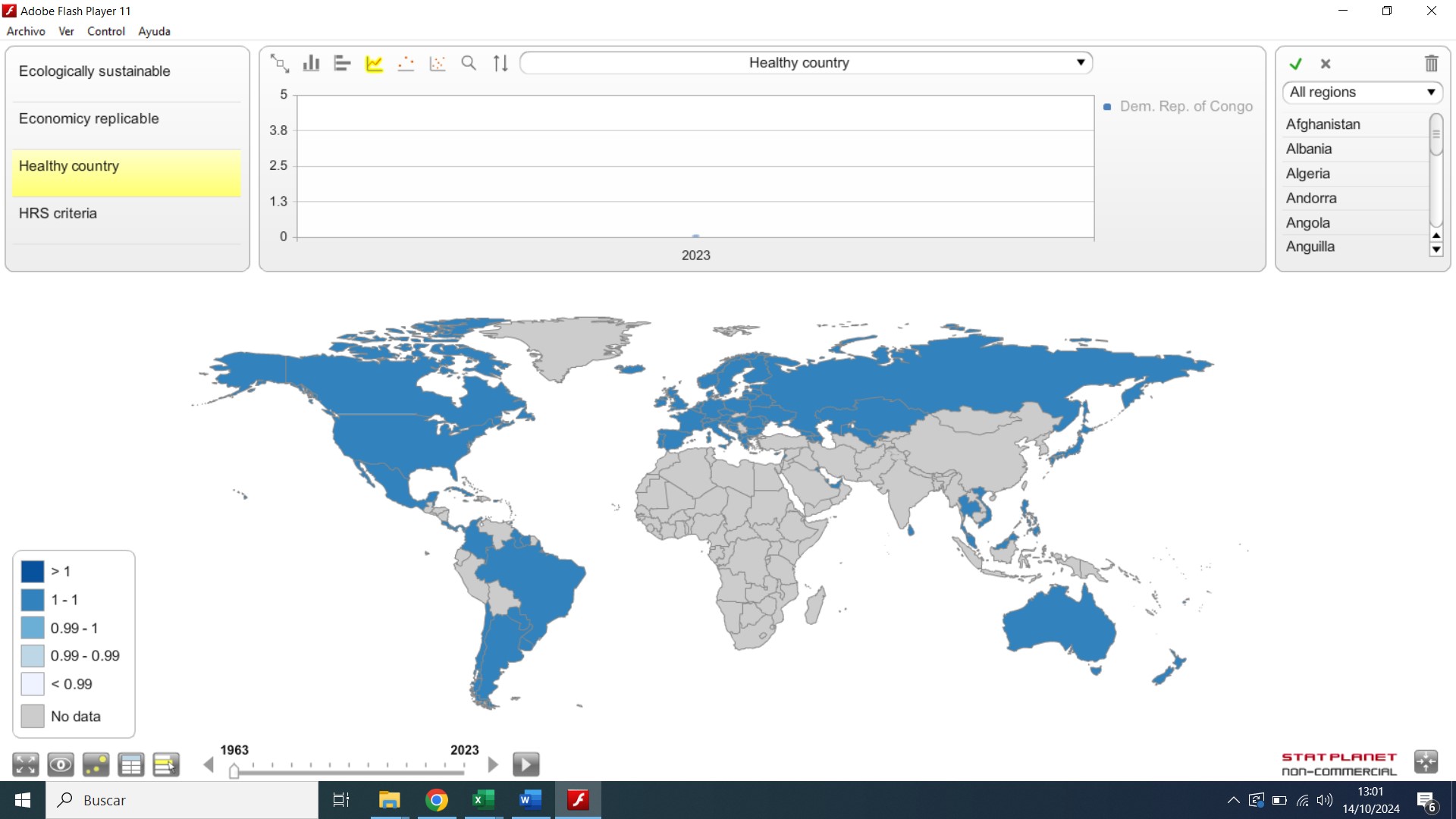
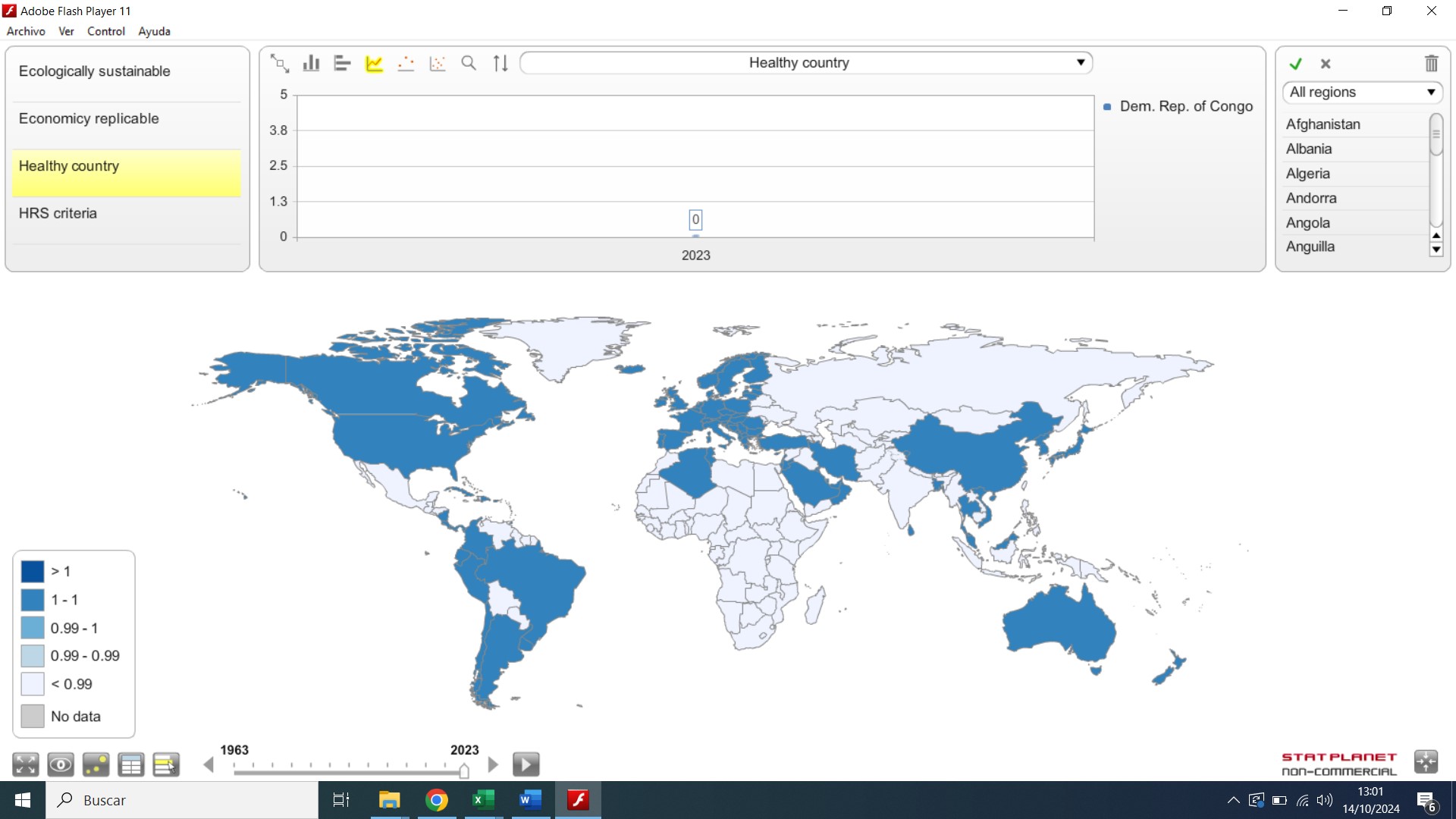
The final selection adds the criteria of health (average life expectancy and disaggregated by sex, and healthy life expectancy). The following maps show the countries in 1990 (when after we have data on healthy life expectancy) and 2023.
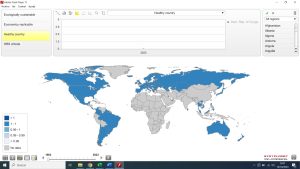
Figure 10 Healthy (life expectancy > world average) countries 1990
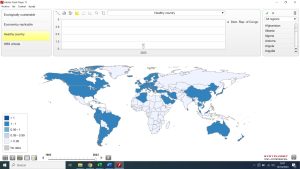
Figure 11 Healthy countries 2023

The combination of all criteria has resulted in only one country consistently meeting them from 1961 to 2023: Sri Lanka. Despite maintaining a balance with nature and using less than half the world’s average economic resources, Sri Lanka’s life expectancy is 9.8% higher than the global average—8.5% higher for men and 10.5% for women.

Global averages can be inaccurate due to reliance on time-series estimates and misleading because they obscure subnational differences. As the sample size increases and the units of analysis decrease, sensitivity improves in identifying more efficient and healthier benchmarks. We have begun analyzing subnational entities in large countries and found sustainable, healthy examples in India (Kerala, Nagaland), China (Shanxi, Guangxi, Anhui, Sichuan, Henan), Russia (Ingushetia, Chechnya, Kabardino, Dagestan, Karachay in the North Caucasus), Indonesia (Sulawesi, Kalimantan, Bali, Java), Pakistan (FATA), and Brazil (Piaui, Alagoas, Paraiba, Ceara, Para, Rio Grande do Norte). Conversely, we found none in the United States or Nigeria (neither met sustainability or health criteria), while Bangladesh has emerged, alongside Sri Lanka, as a model of sustainable health over the last three years.

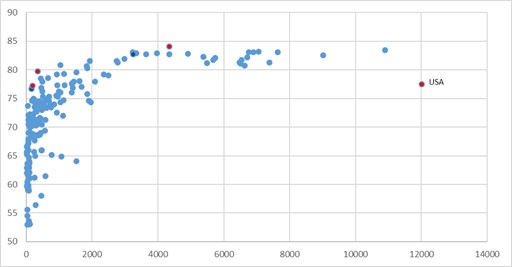
Sri Lanka’s health achievements, despite a long civil war, are attributed to its universal healthcare system, established in the 1930s, which is tax-funded and free at the point of access. Despite minimal GDP spending on health, the country has made significant progress in maternal and child survival. Sri Lanka’s health expenditure per capita is only 12% of the global average and just 1.3% of the U.S.’s[xi]. Further comparative analysis could offer valuable insights for sustainable health models globally.
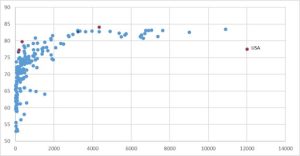
Figure 12 Health spending per capita vs. life expectancy at birth

In upcoming articles and interactive webinars, we will estimate the burden of health inequity over the past three years, examining trends and future prospects in a world still plagued by deep inequalities, environmental disregard, and growing health risks stemming from these root causes.

As noted earlier, analyzing the best feasible health and the gaps in equity requires more granular studies, ideally at the subnational level—focusing on districts of around 100,000 people, each with a referral hospital. A detailed analysis of the world’s approximately 80,000 districts will likely uncover the most efficient and sustainable models of well-being, helping to channel human efforts towards sustainable health and fostering collaboration on global public goods, in a new paradigm of human wellbeing in sustainable equity (WISE)[xii].


References

[i] https://www.binasss.sa.cr/eng.pdf

[ii] https://www.who.int/about/governance/constitution

[iii] https://doi.org/10.1093/acrefore/9780190632366.013.62

[iv] https://population.un.org/wpp/

[v] https://www.interacademies.org/news/launching-global-health-equity-atlas

[vi] https://www.sustainablehealthequity.org/concept-and-metrics

[vii] https://www.footprintnetwork.org/

[viii] https://www.peah.it/2024/07/13556/

[ix] https://www.peah.it/2018/07/5498/

[x] https://www.statsilk.com/software/statplanet

[xi] https://apps.who.int/nha/database

[xii] https://www.peah.it/2023/12/12800/


By the same Author on PEAH

Homo Interitans: Countries that Escape, So Far, the Human Bio-Suicidal Trend

Human Ethical Threshold of CO2 Emissions and Projected Life Lost by Excess Emissions

 Restoring Broken Human Deal

   Towards a WISE – Wellbeing in Sustainable Equity – New Paradigm for Humanity

  A Renewed International Cooperation/Partnership Framework in the XXIst Century

 COVID-19 IN THE CONTEXT OF GLOBAL HEALTH EQUITY

 Global Health Inequity 1960-2020 Health and Climate Change: a Third World War with No Guns

 Understanding, Measuring and Acting on Health Equity