IN A NUTSHELL Author's NoteIn the quiet, dimly lit reading rooms of our hospitals, we often say that radiologists are the "doctors' doctors." We are the eyes of medicine, peering through the veil of the human body to find the answers that physical exams alone cannot reveal. As a clinical radiology resident here in Ethiopia, my daily life is a constant dance between cutting-edge technology and the stark realities of a developing healthcare system
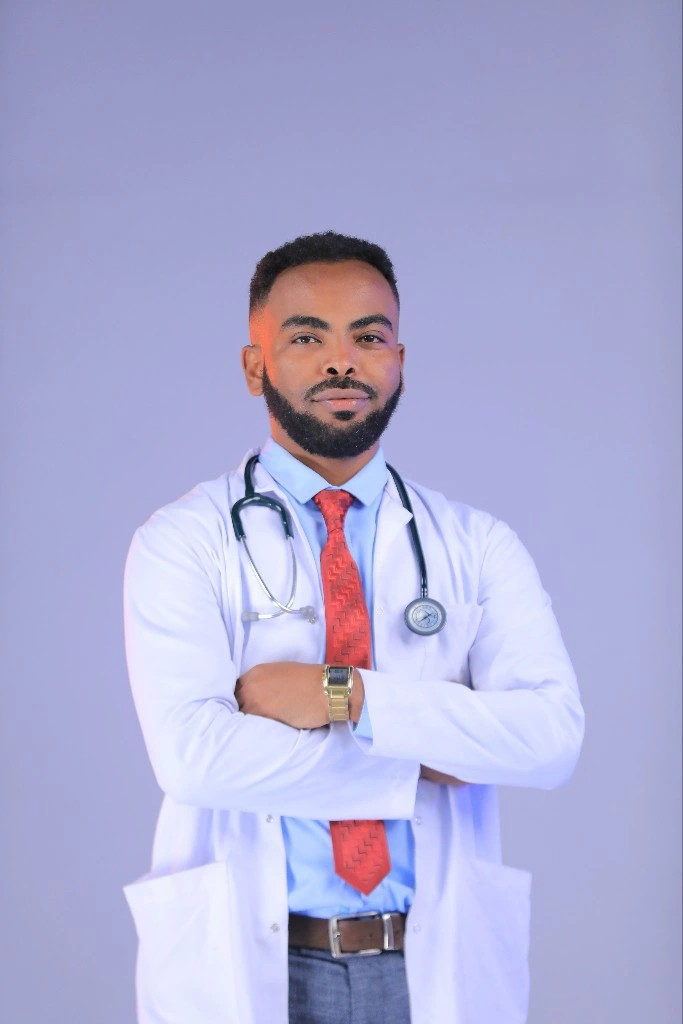
By Dr. Melaku Kebede
Clinical Radiology Resident
Ethiopia
By the same Author on PEAH:see HERE
Shadows and Light
Navigating the Radiology Frontier in Ethiopia
The story of radiology in Ethiopia is one of incredible resilience and rapid evolution. Not long ago, the landscape was dominated by conventional film-screen X-rays and basic ultrasound. Today, we are witnessing a digital revolution.
The Changing Landscape: From Films to Pixels
For decades, Ethiopia faced a profound shortage of imaging specialists and advanced hardware. However, the last decade has seen a paradigm shift. With the expansion of residency programs across institutions like Addis Ababa University (Tikur Anbessa), St. Paul’s Hospital Millennium Medical College, and the universities of Gondar and Jimma, the number of practicing radiologists is finally on the rise.
We have moved beyond the “darkroom” era. Digital Radiography (DR) and Computed Tomography (CT) are becoming more accessible, even in regional centers. The introduction of 1.5T MRI and the burgeoning field of Interventional Radiology (IR) are now allowing us to not only diagnose but also treat conditions like hepatocellular carcinoma and vascular malformations through minimally invasive, image-guided procedures.
Yet, the “landscape” is still uneven. While private diagnostic centers in Addis Ababa boast state-of-the-art 128-slice CTs and 3T MRIs, our public sectors where the majority of the population seeks care often struggle with equipment downtime, a lack of spare parts, and the high cost of contrast media.
The Resident’s Perspective: A Day in the Life
Being a resident in this environment requires a unique brand of “clinical intuition.” Because we often work with limited resources, every scan counts.
My day usually begins with a stack of ultrasound requests—the workhorse of Ethiopian imaging. From detecting “millet-seed” patterns of miliary tuberculosis to diagnosing complex tropical diseases that are rare in the West, ultrasound is where we truly hone our skills. Unlike our colleagues in high-income countries who might rely heavily on CT for every abdominal pain, we must be masters of the transducer.
The workload is intense. It is not uncommon for a resident to report dozens of cross-sectional studies and perform thirty ultrasounds in a single shift, all while teaching medical students and consulting with surgeons on the next “emergency” case. But in this intensity lies an unparalleled learning opportunity. We see pathology in its most advanced stages—massive tumors, late-stage infections, and complex congenital anomalies—cases that would be “once-in-a-career” sightings elsewhere.
Looking Forward: AI and Sub-specialization
What excites me most about the future of Ethiopian radiology is the potential for sub-specialization. We are no longer content with being generalists. The need for dedicated neuroradiologists, pediatric radiologists, and musculoskeletal experts is clear.
Furthermore, the integration of Artificial Intelligence (AI) offers a beacon of hope. In a country where the radiologist-to-patient ratio remains low, AI-driven triage for chest X-rays (to detect TB or pneumonia) or head CTs (to identify intracranial bleeds) could be a game-changer, acting as a “force multiplier” for our overworked staff.
Final Thoughts
To be a radiologist in Ethiopia today is to be a pioneer. We are the generation that will bridge the gap between “basic” imaging and “precision” medicine. Despite the power outages, the equipment breakdowns, and the long nights, there is a profound sense of purpose when you spot that subtle sign on a scan that changes a patient’s life.
In the shadows of the gray-scale, we find the light that leads to healing.