News Flash 427: Weekly Snapshot of Public Health Challenges

News Flash Links, as part of the research project PEAH (Policies for Equitable Access to Health), aim to focus on the latest challenges by trade and governments rules to equitable access to health in resource-limited settings

News Flash 427

Weekly Snapshot of Public Health Challenges


World Health Day 2021: did I miss something?

Policy Cures Research: webinar registration G-FINDER Launch Apr 15, 2021 01:00 PM in London

Webinar registration: “How do the 3Gs coordinate their efforts to strengthen health systems? From Policy to Practice” Apr 19, 2021 02:00 PM in Amsterdam

Regional Security in Times of Health Crisis – A Look at the East African Community by Becky Adiele 

Coronavirus disease (COVID-19) Weekly Update

A WHO senior official is under investigation in Italy

Chile and Uruguay, from model to emergency 

AstraZeneca’s COVID-19 vaccine: EMA to provide further context on risk of very rare blood clots with low blood platelets 

COVID-19 Vaccine Janssen: assessment of very rare cases of unusual blood clots with low platelets continues 

South Africa halts J&J vaccine jabs; Europe rollout delayed 

Thrombotic Thrombocytopenia after ChAdOx1 nCov-19 Vaccination 

Changes in symptomatology, reinfection, and transmissibility associated with the SARS-CoV-2 variant B.1.1.7: an ecological study

2021 Public Forum (28 to 30 September) theme to be “Trade beyond COVID-19: Building Resilience”

Previous COVID-19 Infection Reduces Reinfection By 84%, Finds Lancet Study

Meeting highlights from the Pharmacovigilance Risk Assessment Committee (PRAC) 6-9 April 2021

Chinese vaccines’ effectiveness low, official admits

Battling ‘supply constraints’, COVAX May Only Deliver 20% Of Vaccine Target By June

COVAX: A global multistakeholder group that poses political and health risks to developing countries and multilateralism 

COVAX reaches over 100 economies, 42 days after first international delivery 

In Brief: Lift export barriers to boost global vaccine supply, Moderna says

Access to Covid 19 vaccination only for the rich 

Online event: Big pharma: Your profits, our lives Wed, Apr 21, 2021, 6:00 PM –Thu, Apr 22, 2021, 7:00 PM CEST 

COVID-19 vaccine hesitancy and resistance: Correlates in a nationally representative longitudinal survey of the Australian population 

Africa Plots Ambitious Vaccine Targets at Manufacturing Conference

HIV and TB Patients Face New Barriers To Accessing Services In COVID-19 Era

New WHO Global Compact to speed up action to tackle diabetes

MSF calls on WHO to prioritise supply of more quality-assured sources of insulin

Diabetes: Three dangerous myths that are hurting patients

Mali’s failure to ban FGM challenged in West Africa’s top court

Lo Stigma della siringa 

Shielding Corporate Interests, Europe Leaves NGOs Working in China by the Wayside 

Barilla Foundation Brings Health and Climate Together in New Double Pyramid 

NZ to launch world-first climate change rules

US envoy John Kerry woos China over climate

From 22-25 April 2021, the COP26 Coalition will host From the Ground Up: Taking Action, our second global gathering for climate justice


News Flash 426: Weekly Snapshot of Public Health Challenges

News Flash Links, as part of the research project PEAH (Policies for Equitable Access to Health), aim to focus on the latest challenges by trade and governments rules to equitable access to health in resource-limited settings

News Flash 426

Weekly Snapshot of Public Health Challenges


POLITICAL DECLARATION OF THE HEALTH WORKERS FOR ALL COALITION

Webinar registration: “How do the 3Gs coordinate their efforts to strengthen health systems? From Policy to Practice”

Investing In Evidence To Inform Practice: Reimagining The US Public Health System

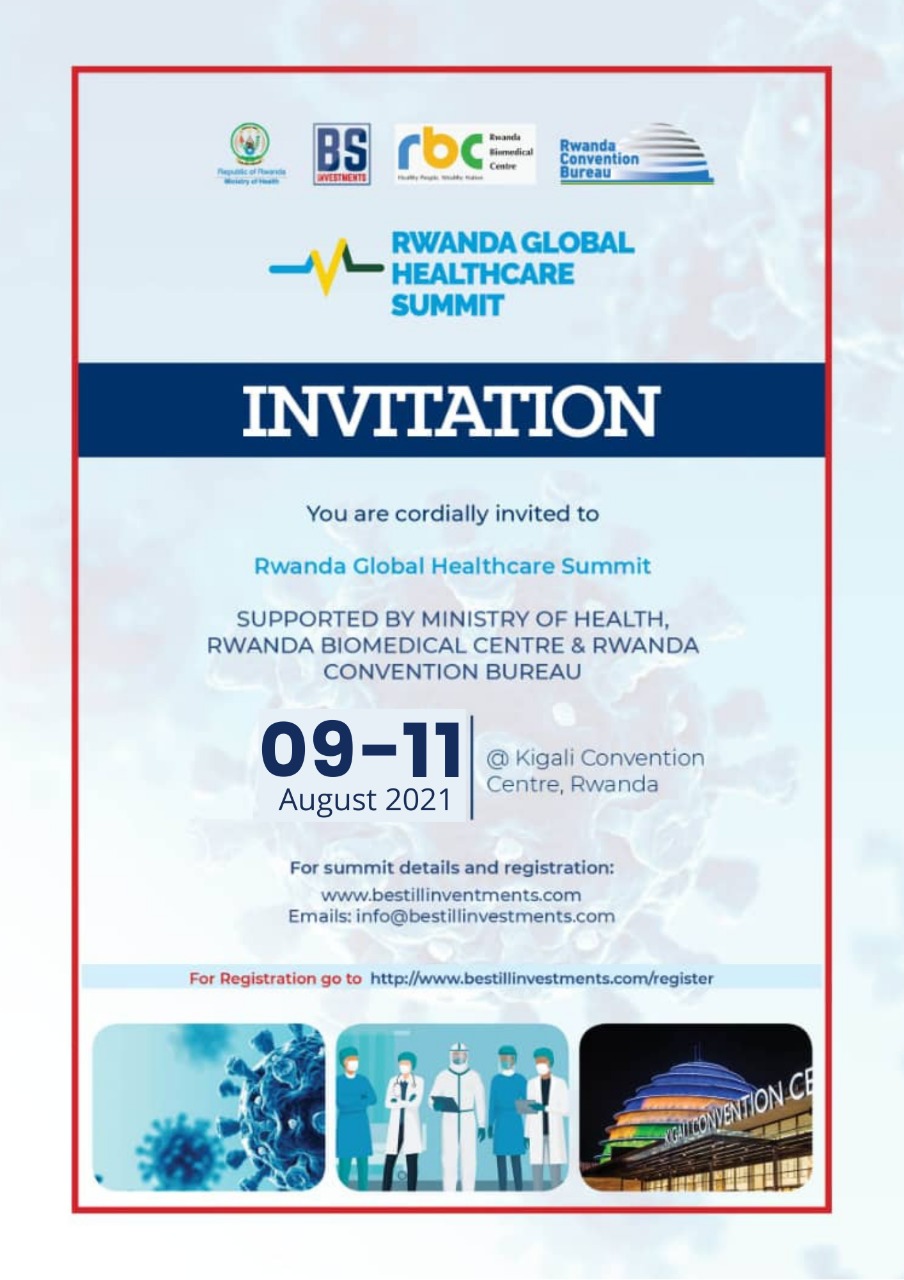
Rwanda Global Healthcare Summit: 9th to 11th August 2021 by Memory Usaman

Bundle of Joy or Cause for Shame? Just What Mothers in the Kenyan Informal Settlements Face. A Tale of Inequalities in Maternal Health Service Delivery by Reagun Andera Odhiambo 

Rohingyas, human rights and raising our voice

Promoting Women’s Economic Empowerment in the COVID-19 Context

Lessons for effective COVID-19 policy responses: a call for papers

How will COVID-19 transform global health post-pandemic? Defining research and investment opportunities and priorities

COVID-19, lies and statistics: corruption and the pandemic

Coronavirus disease (COVID-19) Weekly Update

AstraZeneca’s COVID-19 vaccine: EMA finds possible link to very rare cases of unusual blood clots with low blood platelets

Interim statement of the COVID-19 subcommittee of the WHO Global Advisory Committee on Vaccine Safety on AstraZeneca COVID-19 vaccine

Strong Link Between COVID-19 Infection & Mental Health Diagnoses – New Lancet Study

Brazil’s Supreme Court decision to amend national patent law could break lengthy monopolies on lifesaving medicines

WHO urges countries to build a fairer, healthier world post-COVID-19

U.S. puts J&J in charge of plant that botched COVID vaccine, removes AstraZeneca

Webinar registration: Conversation Series 2- Pandemics and Public Health: Learnings from the Past and Present April 16, 2021 Time: 06:30 PM – 08:30 PM IST 9:00 AM – 11:00 PM EDT

Vax-Covid. A passo di gambero

Haiti has no Covid vaccine doses as violence looms larger than pandemic

Uganda Green Lights Private Imports Of COVID-19 Vaccines – Kenya Nixes Similar Initiative

Kenya, expressing concern about counterfeit vaccines, blocks private imports of doses

Control of sexually transmitted infections and global elimination targets, South-East Asia Region

Eliminating mother-to-child transmission of human immunodeficiency virus, syphilis and hepatitis B in sub-Saharan Africa

The need for a new strategy for Ebola vaccination

Environmental burden of disease from unsafe and substandard housing, New Zealand, 2010–2017

The world report on hearing, 2021

A Healthy Indian Ocean Feeds, Protects, and Connects all South Asians

Indonesia’s Climate Villages Where Communities Work Together to Mitigate Climate Change

Impact of elevated air temperature and drought on pollen characteristics of major agricultural grass species

Ecological restoration of agricultural land can improve its contribution to economic development

‘Staggering’ scale of acute hunger in the Democratic Republic of the Congo


Rwanda Global Healthcare Summit: 9th to 11th August 2021

As per Memory Usaman (CEO at Be Still Investments)’ words “…The Rwanda Global Health Summit 2021 is perfectly launched at the start of a new decade during an unprecedented and uncertain time in global healthcare. This edition of the Summit will serve to highlight some of the most pressing contemporary global health challenges such as the coronavirus pandemic, Covid-19 national strategy, mental health ecosystems, and other pertinent topics in healthcare that are currently taking the back stage such as nutritional health, heart disease, diabetes, cancer, etc. The summit will also address topics such as healthcare quality, role of digital health in crisis management, Clinical trials in the New Health Economy, workforce shortages in healthcare, technological disruptions etc…”

By Memory Usaman

Founder & Chief Executive Officer at Be Still Investments-BSI organisers for Rwanda Global Healthcare Summit

Rwanda Global Healthcare 2021 Summit 

Theme: Global Health Delivery, Introduction Of New Ideas And Digital Innovation


About the event

Rwanda Global Healthcare Summit is an international three day event taking place in the beautiful & vibrant city of Kigali, Rwanda from 9th to 11th August 2021. The upcoming event is enriched with the combination of both realism in global healthcare delivery of today’s world & the opportunities the rapidly-evolving technologies bring to healthcare. Currently, the event is featuring more than 40 speakers from around the globe including Government delegates, healthcare industry experts, digital health experts, medical experts, pharma delegates & cultural icons who will address more than 1200 delegates in real time during the summit. There is a huge participation taking place from African sub-continent & from around the globe, where International hospitals, pharmaceutical companies, medical device companies, startups, NGOs’ to the biggest healthcare agencies are partnering so far from all over the world. We are committed to make it the biggest healthcare event in Africa for 2021.

The summit has already been endorsed by the Honorable Minister of Health in Rwanda, Dr. Daniel Ngamije and he will also inaugurate the summit which is supported by Rwanda Biomedical Centre, Rwanda Convention Bureau, FDA Rwanda and Rwanda Development board 

Be Still Investments Rwanda, the organisers of the Rwanda Global Healthcare Summit assures their respectable coming partners & sponsors, exhibitors, delegates and speakers to accept the assurance of the Ministry of Health’s highest consideration for the event. Our mission is to spark a global conversation on the healthcare of today, our pandemic preparedness and to raise the social consciousness of global health in 2021 and beyond. The summit will feature a range of pertinent topics that seek to empower and enable stakeholders to address the sustainable development goal of Health and Wellbeing for all.

Why This Is A Must-Attend Event of the Year in the African Sub-continent

  • Three-day conference aims to focus on the leadership challenges nations are facing in healthcare today.
  • A forum to widen and enrich the healthcare delivery and discuss the latest innovations in the sector.
  • Create opportunities for health experts from a range of disciplines and geographies to share their research ideas.
  • Engage with specialists in the domain of Pharmaceutical Sciences and Drug Manufacturing.
  • Increase knowledge by exploring the presentations of new techniques, novel approaches, unpublished data under one platform.
  • Advocate for areas of action in healthcare to achieve better outcomes and plan for future changes.
  • Develop tangible outcomes (e.g., strategic direction, policy papers, blueprint for action) to improve health care systems, delivery and digital technologies.
  • Creating great networking and business opportunities for the delegates, sponsors & participants.
  • Attracting hundreds of diverse exhibitors, from established fortune 500 companies to start-ups.

Why Rwanda

Rwanda has proven itself to be an extraordinary African success story & a pioneer in digital health in Africa. Emerged as East Africa’s investment gateway, it’s a market of over 12 million people with a rapidly growing middle class. Rwanda is a hub for rapidly integrating Africa, located centrally in the region and is part of East African Community (EAC) Common Market and Customers Union with a market potential of over 132 million people. It is also signatory to the 2018 Kigali African Continental Free Trade Area Agreement (ACFTA) currently being implemented under the African Union. Rwanda is showing the world how they can sustainably tackle the challenges in healthcare, and make it accessible and affordable for all at the same time.” The nation has made significant strides to enhance healthcare delivery to its population of 12 million people as it keeps demonstrating its appetite to undertake ambitious new approaches to addressing its challenges. Rwanda is internationally recognized for its success in offering universal access to healthcare. With over 84% of Rwandans insured by the mutuelle de santé, Rwanda has ensured that her citizens have access to primary health care. Rwanda plans to expand the provision of better health care and develop medical tourism through the attraction of state-of-the-art and specialized medical facilities. Technology is a big focus for Rwanda, so let’s come together to support & advance the progress towards the country’s long-term development goals.

The Rwanda Global Healthcare Summit is divided into:

The Conference

The conference is open for the abstracts for oral, poster presentations and symposia with the theme “Global health delivery, introduction of new ideas and digital Innovations”. All the original research abstracts and innovations are invited.

The Exhibition

With over 1,200 delegates this event is a perfect platform for all the companies to gain visibility in the growing African Healthcare, ICT Service Solution Providers, Pharmaceutical & Supplements, Medical Equipment & Devices, Surgical Sundries, Instruments, Reagents etc. market.

We are conducting Business to Business sessions, where Business owners & Decision Makers get time to give short presentations on what their esteemed organisations are doing or have achieved. Sponsorships will make your brand accessible & visible to the opinion makers, potential buyers & customers. It’s the best place for product launch, networking, workable business deals & winning more customers, all under one roof. We have more than 100 booths for the exhibitors in the Kigali Convention Center for three days to showcase the products & services.

What are we covering

The Rwanda Global Health Summit 2021 is perfectly launched at the start of a new decade during an unprecedented and uncertain time in global healthcare. This edition of the Summit will serve to highlight some of the most pressing contemporary global health challenges such as the coronavirus pandemic, Covid-19 national strategy, mental health ecosystems, and other pertinent topics in healthcare that are currently taking the back stage such as nutritional health, heart disease, diabetes, cancer, etc. The summit will also address topics such as healthcare quality, role of digital health in crisis management, Clinical trials in the New Health Economy, workforce shortages in healthcare, technological disruptions etc.

The power packed 3 days event consists of 11 featured tracks & 52 sub-tracks:

  1. Covid-19
  2. Clinical
  3. Public Health
  4. Digital Health
  5. Lifestyle
  6. Social determinants of Health
  7. Nursing and Midwifery Care
  8. Communicable Diseases
  9. Healthcare Quality & Patient safety
  10. Healthcare as Entrepreneurship
  11. Pharma & Life Sciences

Who should attend

The Rwanda global Healthcare Summit provides an excellent forum for entire healthcare fraternity, National & International Healthcare & social agencies, Private & Public healthcare providers, Medical Doctors, Nursing, Other Healthcare Frontlines,  Regulatory Bodies, Policy makers, Government Heads & Officials, Directors & Deans, Academia, Paramedics, Medical Devices Manufacturers, Suppliers, Entrepreneurs, R&D, Midwives, NGOs, Medical University students, Health Experts, Health Informaticians, Computer scientists, Public health experts, Epidemic intelligence systems providers, IT/SM industry, Pharmaceutical manufacturers & suppliers, Block-chain Specialists, Big Data Scientists, Bio-Medical Technologists, Bioinformatics, Sports medicine, Physiotherapists, Environmentalists, Health Insurance companies, Training Institutes, Healthcare quality professionals, Patient safety expert, Design thinking experts, Human Factors Expert, Patient Advocates, Technologists, Pharma Distributors, Economists, Biotech, Med-tech, Life-sciences, Diagnostics, Digital Health Specialists, AI Companies, Startups & more.

Some of our esteemed partners so far

Rwanda Ministry of Health, Rwanda Biomenidal Centre, Rwanda Convention Bureau, FDA Rwanda, Rwanda Developments Board, WHO, WaterAid, UNICEF USAID, SAFAIDS, Partners In Health, Nuralogix, MedAditus, Healthinnovationtoolbox, Zipline, Babyl Rwanda, Kipharma, Cedars Sinai, Rwanda Youth Impact, Sanitas Hospitals, Digital Machina, Turkey Green Crescent, Rwandair, Kenya Airways, THC, Africa Medical Suppliers, Novartis, Pyramid Pharma, Manorama SMAC, Legacy Speciality Clinic & many more.

Our invite

Rwanda Global Healthcare Summit 2021, Conference & Exhibition is the most distinct & can not-miss healthcare event of the year in the Africa Sub-continent, where healthcare stakeholders from around the global healthcare ecosystem are going to connect for addressing complex health and social issues, digital innovations & cross ecosystem collaboration. With a bid to become an international investment hub for the budding East African Community as well as International investors, we invite every healthcare stakeholder globally to partner in this event as we collaboratively focus on building agreement around the barriers in healthcare and discussing solutions to overcome them through cross-sector panels, action-oriented discussion, and networking opportunities. By shedding light on the strengths and challenges of different groups, we believe we can make real progress together to achieve our vision to improve healthcare globally.


For further information, please visit: www.bestillinvestments.com


Bundle of Joy or Cause for Shame? Just What Mothers in Kenyan Informal Settlements Face

Informal settlement areas with their numerous challenges (high insecurity, insufficient clean water supplies, food shortages, poor maternity services, poor housing and poor waste disposal/ hygiene etc.) remain to be homes for many underprivileged women in Kenya. It is however more disturbing to realize that most of these women live with other serious conditions and risks which further makes them vulnerable by diminishing their control over their health and that of their newborns

By Reagun Andera Odhiambo

Population & Reproductive Health Expert

Nairobi, Kenya

Bundle of Joy or Cause for Shame?

Just What Mothers in the Kenyan Informal Settlements Face

A Tale of Inequalities in Maternal Health Service Delivery


Motherhood in the African context

For most African cultures, motherhood remains the primary source of women’s self-esteem and public status leave alone personal fulfilment. Culturally, having children and nurturing them into responsible adults is the primary index of the worth of women. The inability of a woman to give birth to and raise children therefore deprives her of the pride that comes with being a mother and may imply that she does not meet her life-long purpose. This should not be the case especially bearing in mind that some factors leading to such outcomes are out of control of the woman.

Culture aside, having a healthy baby is one of the biggest joys of life. Ideally, babies should bring hope, happiness and purpose to parents. This is however not the case always owing to the fact that some parents lose their babies from preventable causes related to pregnancy and its management, diseases or accidental causes. The grief of losing a baby is a heartbreaking and immeasurable encounter. When your baby dies from a miscarriage, stillbirth or at/after birth, your hope of being a parent dies too. The dreams you had of holding your baby and watch them grow fade leaving an empty space inside you; this may take a long time to heal.

The death of a mother for reasons related to pregnancy and childbirth is not any better. This is because a mother’s love being irreplaceable, losing her to a preventable death is an extremely painful and unforgettable experience.

The Kenyan informal settlements situation

The risk of a woman dying from complications of pregnancy and childbirth over the cause of her lifetime in Sub-Saharan Africa stands at 1 in 160 See. The same risk stands at 1 in 3,700 in high income countries. Over the years, downward trends in childhood mortality in slums have been witnessed across Africa. This has been solely attributed to intra-urban disparities in health, environmental factors as well as social conditions.

In Kenya for instance, rapid growth of urban populations in a context marked by inadequate urban planning and limited service provision has led to mushrooming of shanty towns and slums (Mukuru, Kibera, Mathare, Kawangware, Lang’ata, Ngando etc.) See. Typically, such areas have poor housing conditions, inadequate water supplies and sanitation infrastructure, poor livelihood opportunities and limited education, health and other fundamental social services. Rapid slum population growth points to the likelihood that maternal and newborn health indicators in the Kenyan slums are likely to determine the respective national health indicators.

Often, health facility delivery is a proxy for skilled birth attendance; an important intervention in reducing maternal and neonatal mortality. Sadly though, most expectant women living in the Kenyan slum areas (Mathare, Mukuru, Kibera, Kawangware, Ngando etc.) still do not utilize facility based maternity services right from prenatal care. For most of them, lack of essential newborn care items such as baby clothes, soap, comfortable newborn beds etc. presents an immediate and more serious hurdle which blinds them from an even more serious impending danger presented by out of facility delivery.

Parenting for such women remains to be a challenging and painful experience which leaves them with depressive thoughts, stigma and feelings of being failures. On a broad spectrum, parenting involves taking responsibility in nurturing children and relating to them in a manner that prepares them to attain their full potential in life. Parenting makes great emotional demands and thus requires exceptional interpersonal skills. Supporting a child right from birth through to adulthood while looking into their physical, emotional, social and intellectual well-being is a demanding task which often goes unrewarded.

Majorities of women living in the Kenyan slums do not complete at least four of the recommended eight ANC visits during pregnancy. Worse even, a large proportion still delivers at home with the help of unqualified and unskilled birth attendants. The main reason for this high risk behavior is the fear of judgement, discrimination and stigmatization presented to underprivileged women in health facilities for reasons of lacking basic newborn care essentials (baby clothes, towels, blanket/shawl etc). These women shun from facility-based care for the fear of being tormented by nurses and birth attendants something which leaves deep scars of regrets, shame and guilt. The reality that such women cannot offer the recommended basic care to their newborns causes them to feel less important and failures in nurturing children. The truth of the matter is that such women live with bitterness and regret giving birth because it is the newborns that bring the unanticipated shame and hopelessness.

Special risk groups of women living in slums

Informal settlement areas with their numerous challenges (high insecurity, insufficient clean water supplies, food shortages, poor maternity services, poor housing and poor waste disposal/ hygiene etc.) remain to be homes for many underprivileged women in Kenya. It is however more disturbing to realize that most of these women live with other serious conditions and risks which further makes them vulnerable by diminishing their control over their health and that of their newborns.

Teen mothers

Teenage motherhood remains to be a serious problem in Kenya mostly rooted with urban slums and contributing significantly to the maternal and newborn mortality estimates. The problem manifests at teenage which is a crucial phase of growth and development during which young people make choices that define their health and well-being for life. In Kenya, the problem poses a significant obstacle to the attainment of a number of key SDGs, (goal 3 on healthy lives and well-being for all at all ages, goal 4 on equitable quality education for all and goal 5 on gender equality and empowering women and girls). This is because it denies the girls the right to enjoy quality life with the minimum possible health risks and vulnerabilities. The problem imposes huge costs on the lives of the young people and ultimately affects their future reproductive health life.

For slum dwelling teens, motherhood presents every possible pain and stress which to some can only be dealt with through abortion, suicide or abandoning the newborn- all of which are wrong and seriously detrimental choices. The lack of newborn care essentials, leave alone food and appropriate shelter is a serious burden which cannot be handled by a teen mom owing to her young age and limited knowledge.

Expectant women and mothers living with HIV/ AIDS

Living with HIV/AIDS as an expectant mother can be challenging and full of uncertainties. Living in a slum with all these uncertainties can be unbearable and a reason for hopelessness and desolation. Women living with HIV need specialized care, proper diet, protection as well as love and affection. These are often lacking in informal settlements which on the contrary are full of social crimes and insecurity, poor housing/ living conditions, poor sanitation and worse of all inaccessibility to quality healthcare including emergency obstetric care. Newborns to these infected women may be at an increased risk for infection and may lack proper nutrition right from birth. They may also lack affection, something that contributes greatly to their development.

Mothers living with chronic conditions/ Non-Communicable Diseases (NCDs)

With the current high incidences of Non-Communicable Diseases, many women living in slum areas are becoming victims of these life-long and detrimental conditions (cancers, high blood pressure, diabetes, chronic heart disease etc.). The management of such conditions requires huge sums of money and the adoption of healthy lifestyles all of which are almost impossible for slum dwellers owing to their low incomes and few health options. Being pregnant or a nursing mom only adds up to the devastation of such women causing them to feel inadequate and incapable of satisfying their societal and personal obligations.

Expectant women and mothers living with disability

Being disabled in one way or the other and living in a slum can be challenging. Expecting a newborn in such an environment only adds up to the many challenges and worries of a woman. A disabled mother needs care and support to carry out her normal activities, having a newborn increases this need and makes the mother and her newborn vulnerable to both individual and external factors.

Homeless expectant women/ mothers

Owing to many reasons (mostly economic), some women may find themselves without homes within informal settlements. They have no shelters/place to sleep and thus keep shifting positions within congested streets hoping for a better day. Having a baby for such a woman is a troubling encounter which cannot be described enough. The circumstances surrounding the lives of such women and their newborns can prompt life-long social and psychological effects which can be hard to rectify.

Why Facility-based care is a lesser option

For many slum dwellers, facility based maternal care is a lesser option – a reason for the high maternal and child mortalities in such areas. Among the reasons for the low uptake of available health services include; high costs and service fees which makes it unaffordable, fear of judgement and stigmatization for lack of birth preparedness, negative perception of the importance of ANC, fear of being diagnosed with other serious ailments (which would mean extra treatment costs) and view of pregnancy/ childbirth as a normal risk-free process.

Conclusion

Expectant women and newborns living in slums have various special needs ranging from safety and protection, need for clean water, sufficient food supplies, emergency obstetric services and quality maternity care, proper housing and most importantly male involvement and support. In addition to this, they require dignified care with zero tolerance to discrimination and stigmatization. All efforts should be geared towards mass education on the importance of ANC and facility delivery. Heath service delivery systems should be strengthened to ensure each individual has access to quality and affordable care tailored to their specific needs. Also, economic empowerment and poverty eradication strategies should be focused on informal settlements as this would curb the main underlying drivers of poor maternal and newborn health outcomes in such areas.

News Flash 425: Weekly Snapshot of Public Health Challenges

News Flash Links, as part of the research project PEAH (Policies for Equitable Access to Health), aim to focus on the latest challenges by trade and governments rules to equitable access to health in resource-limited settings

News Flash 425

Weekly Snapshot of Public Health Challenges


Webinar registration ‘Health cooperation in the digital age — Transformative policies – transformative practice’ Tuesday, 27 April 2021, 15.00-18.00 hrs CEST

Webinar registration Health cooperation in times of the climate emergency – Transformative policies – transformative practice Thursday, 29 April 2021, 15.00-18.00 hrs CEST

Webinar registration The Energy Charter Treaty: how ‘shadow’ courts threaten Europe’s climate goals – A conversation with Investigate Europe Apr 8, 2021 01:00 PM in Amsterdam

DNDi Strategic Plan 2021-2028

Why the NPT Review Conference Matters

Commission welcomes entry into force of EU4Health programme 

Who’s in the running for the top UN humanitarian job?

Calls for UN convention on older people’s rights amid pandemic ageism 

Causes of Maternal Death during Childbirth

Diversionary Measures for Children in Conflict with the Law by Philip J Gover 

Women at a breaking point: gender equality in the workplace 

The 2021 UN Food System Summit – a game-changing opportunity for food systems and health?

Bangladesh Welcomes a New High Yielding Biofortified Zinc Rice

UNHRC says food injustice widely present before pandemic

How Do Development Agencies Support Climate Action?

Principles for Paris-Alignment and Climate Finance in Development 

Greener farm reform ‘still possible’, EU’s Timmermans says after meeting climate activists

Developing Countries COVID-19 Debt Crisis Could Put SDGs & Climate Agreement Completely Out of Reach

Audio Interview: What Earlier Epidemics Teach Us about Covid-19 

It’s time to consider a patent reprieve for COVID vaccines

Opinion: Beyond COVID-19 — what global health security will look like 

Global treaty needed to protect states from pandemics, say world leaders 

COVID-19 in France: challenges and opportunities

‘All Hypotheses Open’ Says WHO Director General Of SARS-CoV2 Origins Investigation

Coronavirus disease (COVID-19) Weekly Update 

WTO Director-General plans event on COVID-19 vaccine scarcity

AstraZeneca COVID-19 vaccine: review of very rare cases of unusual blood clots continues

Increase in vaccine manufacturing capacity and supply for COVID-19 vaccines from AstraZeneca, BioNTech/Pfizer and Moderna

Greed is the problem, not the solution, for vaccine woes

COVAX Needs ‘Urgent’ Donation Of 10 Million Vaccine Doses For Last 20 Countries In Global Queue – After Indian Supply Suspended

TDR eNewsletter 24 March 2021 

Dutch Health Care Institute Says No to Medicines Pirate


Diversionary Measures for Children in Conflict with the Law

In recent years, the Cambodian Government has ramped up its crackdown on a perceived “drugs problem”.  Within this context, many children and young people, from varying backgrounds have been caught up and sentenced long prison for non violent and/or misdemeanor type infractions.

A community development and dialogue driven NGO based in Cambodia, This Life believes that sentencing children and young people to long, disproportionate sentences in prison is wrong in the light of the harm that this has on childhood and adulthood.

This Life advocates for the development and delivery of Diversion Programs, which are community-based programs of action, that are used as development pathways for children, and which are adopted as alternative prison sentences

By Philip J Gover BA MA MPH

Impact, Learning & Effectiveness Lead – This Life


Diversionary Measures for Children in Conflict with the Law

 A Public Health Response

A Community Development Action Research Project

 Links to the Full Report at the end


This Life is an NGO, based in Siem Reap, Cambodia.  This Life is a community development driven NGO, that places dialogue at the forefront of development.  Using these development tools, This Life discovered a depth of community concern, that related to young people who were in conflict with the law.

In Cambodia, it is not uncommon for young people to spend disproportionately long sentences in prison, for nonviolent and/or misdemeanor type infractions.

12 years ago, This Life was talking with communities, about children who found themselves in conflict with the law.  This happens everywhere, we know.  However, from our conversations, we discovered that communities thought that the ways in which children were punished, was both inappropriate and wrong.

From discussions, we realised that many young people faced long sentences, in overcrowded prisons, for minor, non-violent misdemeanor type offences.  We also learned of other things, that spending long periods of time in prison, effectively ruined their chances of establishing and developing their education.  We learned of health problems and other explicit risks, which to be frank, children and young people really shouldn’t have to face, in any setting, in the 21st Century!

In time, this conversation developed further, so, This Life conducted a primary research project.  The project attempted to perception test the value of diversion – which refers to community-based programs of action, that are used as development pathways for children, and used as alternative sentences to prison.  It’s worth noting that we are talking about children and young people who commit minor, non-violent offences.

We thought that the research might reveal a lot of objections to this concept, but no.  There was really no resistance to this at all.

From our research we recognised the drivers of crime.  Drugs (recreational drug use and addiction related) were a primary root cause.  Theft was often opportunistic and linked to drug related addiction.  Theft was also linked to poverty, with crimes of personal desperation also acting as a root cause.   Upon assessment, we noted that majority of child convictions were for non-violent offences, mostly drug related, and theft.  In 64% of cases, children said their drug use had led them to commit crimes.  In summary, we noted that young people, from poorer families and whom already had an incomplete education of some sort, were extremely vulnerable to conviction.

In Cambodia, the law on Juvenile Justice came into force in 2017.  Indeed, the law does state that detention before or after conviction, should be a last resort for children.  Unfortunately, since then, things having quite evolved in quite the same spirit.  In fact, we have seen a tripling of children and young people entering prison.

There are a number of ways to explain this, but for now, let me explain it like this.  It’s difficult to see change unfold on a daily basis, but over time it becomes clear.  Perhaps clearer in those eyes of a foreign witness like me.

Cambodian urban centers have grown and rural districts have dwindled.  New housing developments and consumption patterns are promoted daily, through new forms of mass media.  The nation is entertained via a thousand global digital channels.  Machines of convenience and consumer goods are visible and available.  Under the eyes of abundance, alcohol remains cheap and consumption has risen exponentially, in line with multi-million-dollar advertising campaigns that target young people across every conceivable sensory landscape. In line with modest increases in disposable income, recreational drug use is now common, although viewed and abridged alongside drug injecting addiction.  Young people’s lifestyles and aspirations have also changed – especially amongst the urban dwellers.  Cambodian customs and tradition remain strong in the mind’s eye of young people, but they also know how to play Grand Theft Auto!

At the same time, and set against all of this, is that volume of poverty, that eclipses middle-class neighborhoods.  Cambodia is still characterized by some of the poorest communities in SE Asia – and ironically, these communities sit cheek and jowl across Cambodia’s skyscraper capital.  In this environment, multiple deprivation is raw, real and often obscene.

In recent years, the Cambodian Government has ramped up its crackdown on a perceived “drugs problem”.  Within this context, many children and young people, from varying backgrounds have been caught up and convicted within the same net.  So now, it would appear that the system has the capability to displace one problem with another.

There is an abundance of evidence that illustrates the heightened risk(s), that being in prison has on an individual’s life – both in the short, medium and long term.  This needs no defense.  This is largely because we know of those toxic elements that co-exist within prison settings, and which are at complete odds with a core principle of justice – law and order, or loss of liberty and rehabilitation.  The following is just a simple list of common risks that we know exist and are associated with prison settings:

  • Extreme overcrowding of prison cells – contribute to mental health risks
  • Poor nutrition and lack of exercise – contribute to physical health risks
  • Poor hygiene – contributes to fast-track transmission of preventable disease
  • Person to person bullying and sexual assault
  • Illicit drug abuse
  • Gang and criminal association
  • Increased criminal awareness amongst prisoners
  • Limited education and development opportunities
  • Identity loss and stigma ownership – contributing to broken family and social relations
  • Future employment barriers

Collectively, these are risks that are supplementary to the loss of liberty and pursuit of rehabilitation.

From our research we recognised the drivers of crime.  Drugs (recreational drug use and addiction related) were a primary root cause.  Theft was often linked to drug related addiction.  Theft was also linked to poverty, with crimes of personal desperation also acting as root cause.

This Life believes that sentencing children and young people to long, disproportionate sentences in prison is wrong.  We recognise the harm that this has on childhood and adulthood.

As a community development and dialogue driven NGO, we advocate for the development and delivery of Diversion Programs, which are community-based programs of action, that are used as development pathways for children, and which are adopted as alternative prison sentences.

Summary of the Research Project

Objectives

  • To perception test the value of Diversion, as development pathways for children, and which can be used as alternative sentences to prison.
  • To identify the status of implementation of the Cambodian Law on Juvenile Justice, including the main progress and gaps in implementation.
  • To understand why progress towards reform has been slow despite the adoption of the Law in 2017.
  • To gather the views and experiences of children in conflict with the law, community representatives, police and judicial officials.
  • To determine how best NGOs can support initiatives towards building a child-friendly justice system in Cambodia.

Method

  • Desk research involving discussions with relevant local and international actors, and an analysis of the situation of children in Cambodian prisons based on existing literature, This Life’s own research and relevant international standards.
  • Surveys with 76 children, including 11 girls, currently held in Siem Reap prison accused or convicted of misdemeanor crimes
  • Interviews with 13 children in Siem Reap prison, including three girls and interviews with seven children who have been released from prison.
  • Surveys with 77 community members and interviews with members of Commune Committees for Women and Children.
  • Interviews with regional police representatives, judges at Siem Reap Court, and members of the local Department of Social Affairs, Veterans and Youth Rehabilitation (DoSAVY).

Results

  • The majority of child convictions were for non-violent offences, mostly drug use, drug trafficking and theft. 64% of children said that their drug-use had led them to commit crimes.
  • Siem Reap has a significantly higher rate of child prisoners than any other province.
  • 89% of children surveyed had never been to prison before. The majority had enough stability and security in their lives to support diversion and community-based alternatives to prison.
  • 58% of community members thought that prison was bad for children and only 13% thought that children who commit non-violent crimes should be sent to prison. The majority thought that education or vocational training would be the best alternative to prison for children.
  • Officials are supportive of the law and are keen to begin implementation as soon as possible.
  • Stakeholders agree that NGOs can play a key role in helping authorities implement alternatives to prison for children.

Conclusions

The main impediments to implementing the law are not resistance towards and misperception about alternative measures, but a lack of effective coordination and commitment amongst all stakeholders, and a lack of clear directives and budgetary allocation from authorities. Without the support of local NGOs, it could be a very long time before there is a significant decrease in the numbers of children being sent to prison

Recommendations

  • This Life to work closely with children, families, communities and authorities to assist implementation of the Law.
  • This Life to offer individual, tailored support to children diverted from the criminal justice system.
  • The focus of juvenile justice reform should be crime prevention and diversionary measures.
  • Reform initiatives to be closely monitored to ensure they are in the best interests of the child.

Final Word

This Life is currently in the process of developing an exciting prospectus of new community action research projects, that will seek to amplify the value and importance of community driven dialogue.  We will seek funding to conduct this research, and act on the evidence that it delivers.  We will use the evidence base as a means to influence and invigorate ill-advised juvenile justice practice, and represent the long-term interests of children and young people.

This Life is pleased to announce that at the time of writing, resources have been made available, that will enable This Life to deliver Cambodia’s first Youth Diversion Project.  This will occur in Siem Reap Province, during 2021.

Clicklink:  No Place for a Child – This Life Full Report English

Billy Gorter will be presenting this research online, at the International Society for Prevention of Child Abuse and Neglect Conference, Milan, June 7-11, 2021.


Biography

Billy Gorter – Executive Director – This Life

Billy is a passionate activist and advocate for change, bringing more than 20 years of experience tackling conservation, social and human rights and educational issues in Australia and Cambodia to his role as Executive Director of This Life. Billy launched This Life Cambodia in 2007 based on his founding principles of listening to, engaging with and advocating alongside communities. This development philosophy achieves high-impact outcomes and sets best practice for international development. Billy is internationally sought after as a speaker and is passionately committed to addressing the rights of children through education, juvenile justice and advocacy.

Contact:   billy@thislifecambodia.org   www.thislife.ngo


Philip J Gover – Impact, Learning & Effectiveness Lead – This Life

Philip is a graduate from Durham University Business School (UK), with an MA (Business Enterprise Management), MPH (Public Health) from the University of Northumbria and a BA Hons’ in Community Development from Durham University. As a Fellow of the Royal Society for Public Health and Chartered Management Institute, Philip has worked in developing countries in East Africa, South East Asia and various youth settings across Europe. Following 3 years’ involvement with Northumbria University Sustainable Cities Institute, he spent 12 years working as a Senior Public Health Manager with the UK NHS, and as a Director of a Social Housing Association and Citizens Advice Bureau.

Contact:   philip@thislifecambodia.org   www.thislife.ngo


News Flash 424: Weekly Snapshot of Public Health Challenges

News Flash Links, as part of the research project PEAH (Policies for Equitable Access to Health), aim to focus on the latest challenges by trade and governments rules to equitable access to health in resource-limited settings

News Flash 424

Weekly Snapshot of Public Health Challenges


Health PhD Scholarship: Mapping privatised healthcare markets  

Course at the University of Groningen, a Sustainable Health Summer School 

AFEW: Vacancy programmes coordinator 

Campaign Coordinator, People’s Vaccine Alliance, JOB ADVERT Deadline for applications is 1600 CET Wednesday 24th March 

Webinar registration: Social Movement, Healthcare Access, and Equity 

Workshop registration: Campaign Activation Workshop: Making the 2030 Agenda accountable: What is the role for civil society? Mar 25, 2021 04:30 PM in Amsterdam, Berlin, Rome, Stockholm, Vienna  

Commentary on ‘More for The World Organisation for Animal Health (OIE) – Impakter’ by George Lueddeke

We must better protect wildlife to prevent future pandemics 

Coronavirus disease (COVID-19) Weekly Update 

Latest Covid-19 Statistics from African Countries 

Global Health Diplomacy Failures in the COVID-19 Era: Surviving Denialism and Corruption in Sub-Saharan Africa 

 Free licensing of vaccines to end the COVID-19 crisis  

Rich Countries Signed Away a Chance to Vaccinate the World 

Antibody Responses after a Single Dose of SARS-CoV-2 mRNA Vaccine  

EMA public stakeholder virtual meeting: approval, safety monitoring and impact of COVID-19 vaccines in the EU – Date: 26/03/2021    

EMA advises against use of ivermectin for the prevention or treatment of COVID-19 outside randomised clinical trials 

COVID-19 highlights urgent need to reboot global effort to end tuberculosis 

COVID-19 Reduced TB Treatment By 21% In 2020 – 1.4 Million Fewer People Received Care 

1 million people undiagnosed, untreated for tuberculosis in 2020 

Incidence and prevalence of tuberculosis in incarcerated populations: a systematic review and meta-analysis 

Community-based active case-finding interventions for tuberculosis: a systematic review 

Effectiveness and cost-effectiveness of a health systems intervention for latent tuberculosis infection management (ACT4): a cluster-randomised trial 

In Brief: Community resistance plagues new Ebola outbreaks 

Turkey quits landmark Istanbul Convention protecting women from violence  

UN Agencies Call for Action Against Ageism  

Incentivising Quality of Care in Indian health systems: towards both financial and non-financial incentive programmes?  

The COVID Pandemic As “X-Ray” – Zeroing In On Urban Water & Sanitation Gaps 

Why Water & Sanitation Systems are Vital for the Economy 

The UN Food Systems Summit: How Not to Respond to the Urgency of Reform 

UN agencies call for urgent action to avert famine risk in 20 ‘hunger hotspots’ 

EU countries dig in heels over 55% climate target for 2030 


Commentary on ‘More for The World Organisation for Animal Health (OIE) – Impakter’

A meaningful commentary here – in the light of a timely OIE article  making clear world global priorities – whereby ‘...bolstering the resources of the UN generally and OIE in particular as well as veterinary and human public health systems needs to become a top global priority, including placing a huge emphasis on preventive measures and providing the infrastructure necessary to sustain human and all other life -especially in low and moderate income nations.’

By George Lueddeke PhD MEd Dipl.Aves (Hon.)

Programme Lead, International One Health for One Planet Education Initiative

Research Associate, Centre for the Study of Resilience, University of Pretoria

Advisor in Higher, Medical and One Health Education

Southampton, United Kingdom


Commentary on

More for The World Organisation for Animal Health (OIE) – Impakter

Co-authored by Dr. Bruce Kaplan, co-founder, One Health Initiative and Dr. Richard Seifman, Board Member, United Nations Association, Washington Area


This timely and informative article makes clear where global priorities lie. There are over 8.7 million animal and plant species on Earth (“vast majority are animal”) with most remaining unidentified and ‘cataloguing them all could take more than 1,000 years‘.

We – homo sapiens–  are but one of these – unquestionably responsible for the on-going sixth extinction phase (last one wiped out the dinosaurs 66 million years ago) and, as underscored in Survival: One Health, One Planet, One Future , all 7.8 billion of us and with numbers rising exponentially – are paying a steep price  for placing most of our faith and values  on technology and scientific progress while ignoring, even tolerating, on economic  grounds, known human rights abuses and the criticality of social harmony and peace to ensure sustainability of the planet and species.

Mirrored throughout  human history, divisive ideologies (ism’s), ruthless ambitions and basically human greed continue to characterise a globe in 2021 where only about 6 per cent of all nations are now categorised as fully democratic: governments freely elected by and  for the people at a time when climate change, the biosphere and zoonotic pandemics  – which cross all boundaries- remain our biggest threats. Without a moral compass to guide us, we appear to be heading toward a scenario where  data runs the world, not humanity and compassion for those disenfranchised or most in need, where truth is subordinated to disinformation and where military use of force to deny freedoms and extremist “thuggery and disorder”  have become all too commonplace.

The yearly funding allocations assigned by  the UN World Health Organisation (WHO) and the Food and Agriculture Organisation (FAO) clearly  favour human- centrism over eco-centrism  as USD $5.6  billion (2020/2021 budget ) are allocated to the WHO; $2.8 billion, to the FAO ; but only c. $36 million, to the World Organisation for Animal Health (OIE).

In sharp contrast, global military expenditures in 2020 amounted to roughly $1.9 trillion (one trillion = 1,000 billions).  Given the devastating impact of Covid-19 on economies and society generally, bolstering the resources of the UN generally and OIE in particular as well as veterinary and human public health systems needs to become a top global priority, including placing a huge emphasis on preventive measures and providing the infrastructure necessary to sustain human and all other life -especially in low and moderate income nations.

Underscored in Survival, public health  presently receives only about 5 per cent  of global / national health budgets while most funding (c. 95 per cent)  is  allocated to treatment or clinical health -mostly in high income nations and certainly not to preventive measures related to infectious diseases originating from animals (c.75 per cent) or conditions (environmental degradation) caused directly by us that undermine the sustainability of the planet – causing climate change and destruction of the biosphere  and impacting mostly on those living  in poverty (in poor and rich nations!).

The return on investment (pay-off) from “robust veterinary and human public health systems” and reduction of pandemic risk was estimated at a 11:1 ratio in a 2014 report. This data was based on a severe pandemic costing c. USD $3.6 trillion (4.8 % of GDP). However, largely because of  a “cycle of panic and neglect” since 2014 (e.g., prioritising military security over health security), the cost of Covid-19 to Oct 2020 was already  USD $11 trillion (rich countries) and c $42 billion (low income) with likely trillions to follow in 2021 and perhaps more in 2022.  While the root cause is the spread of the coronavirus with 124,389,117  cases and  2,737,666 deaths (23.03.2021),    the world is learning that it is  very much a social class crisis and should be a wake-up call for those ignoring or oblivious to this reality.

Education, formal and non-formal, remains our best route toward sustaining the world we inhabit. New knowledge and competencies are required to tackle global, regional, and national risks, including poverty, inequality, racism / social exclusion, corruption and, in the immediate, undoing the damage done by Covid-19.  As we prepare for a “new” normal, our most important challenge is re-shaping global belief systems that depend on competition rather than on collaboration and seek to divide rather than unify. The younger generation has the most to lose if things don’t change now but most to gain when they do.

Supporting the aim of ‘delivering an education to all’, the international One Health for One Planet  Education initiative (1 HOPE) focuses on recognising the interconnections of humans, animals, plants, in a shared environment with a view to underpinning the UN-2030 Sustainable Development Goals (SDGs). In the final analysis, building trust, compassion and resilience among the global community while nurturing respect for the whole Earth are the essence of achieving planet sustainability. Sadly, however, many lessons have not yet been learned by decision-makers – political and corporate – as human progress – to our peril- continues to be seen in economic, competitive  and  expansionary terms rather than through the UN-2030  Transformative Vision – economic, social and environmental.

In light of the timely OIE article, let’s hope we are not sleep-walking to dystopia but give the animal world the opportunity to thrive as without it – and plants of course – we would all surely disappear as have 99.9 percent of the species that have lived on this planet previously. Time to stop, think and do?

Comments welcomed


News Flash 423: Weekly Snapshot of Public Health Challenges

News Flash Links, as part of the research project PEAH (Policies for Equitable Access to Health), aim to focus on the latest challenges by trade and governments rules to equitable access to health in resource-limited settings

News Flash 423

Weekly Snapshot of Public Health Challenges


German Rosa-Luxemburg-Foundation new office in Geneva: recruting a global health program manager for 20 h, deadline 4. April  

UN: 2020-21 Executive Training Course for Policymakers on the 2030 Agenda and the SDGs 22-26 March 2021 

Webinar registration: Conversation Series 1- Pandemics and Public Health: Learnings from the Past and Present March 30, 2021 

DNDi webinar registration: Medicines for the People: what will the next decade look like? Mar 30, 2021 04:30 PM in Amsterdam, Berlin, Rome, Stockholm, Vienna 

WHO Watch (WHA 74- May 2021): Call for Participation 

Webinar registration: Getting Involved in the Global One Health Education Movement Sat, Mar 27, 2021 2:00 PM – 4:00 PM CET  

Webinar registration: G-FINDER launch Apr 15, 2021 01:00 PM in London 

The Discussion of the Uyghur Genocide Time: Mar 19, 2021 11:00 AM Pacific Time (US and Canada) Join Zoom Meeting  Meeting ID: 998 9590 6998

Toward universal health coverage in the post-COVID-19 era 

Hindsight is 2020? Lessons in global health governance one year into the pandemic  

Pakistan Threatens Health Workers: Get the Chinese-donated vaccine or get fired!  

Coronavirus disease (COVID-19) Weekly Update 

WHO Solidarity Fund Raises over $242 million From Global Community  

Covid-19: A call for global vaccine equity 

Global Rally for a People’s Vaccine 

Commission supports Member States in tackling coronavirus hotspots with offer of four million additional doses of BioNTech-Pfizer vaccine to be delivered this month 

EU Ambassador Says Europe Supports COVAX, Not TRIPS Waiver 

Is COVAX part of the problem or the solution? 

Novavax Vaccine Shows Less Efficacy Against COVID Variants – Sputnik Vaccine to Be Produced In Italy 

In Brief: Novavax says COVID-19 vaccine has 89.7% efficacy  

The Traffic Light Approach: Indicators and Algorithms to Identify Covid-19 Epidemic Risk Across Italian Regions  

Nowcasting epidemics of novel pathogens: lessons from COVID-19 

A dangerous measles future looms beyond the COVID-19 pandemic 

Tomorrow’s biggest microbial threats 

Governments deaf to hearing loss, says WHO 

Haitian court orders UN peacekeeper to pay child support in landmark case ‘The verdict marks an important first step towards justice.’ 

Covid-19 disruptions killed 228,000 children in South Asia, says UN report 

New research highlights risks of separating newborns from mothers during COVID-19 pandemic 

African farmers say they must be trained for Farm to Fork 

Only Small Percentage of COVID-19 Recovery Allocated to Green Initiatives 

Countries adopt landmark framework that transforms ‘value’ of nature 


News Flash 422: Weekly Snapshot of Public Health Challenges

News Flash Links, as part of the research project PEAH (Policies for Equitable Access to Health), aim to focus on the latest challenges by trade and governments rules to equitable access to health in resource-limited settings

News Flash 422

Weekly Snapshot of Public Health Challenges


What Africa Expects of New WTO Chief Dr. Ngozi Okonjo-Iweala 

7 April 2021: marking People’s Health Day 

Click to apply: Course Announcement- IPHU Barcelona: How to Transform our Healthcare Systems (May to June 2021) 

Coronavirus disease (COVID-19) Weekly Update  

Public Health Answers: Digital Technology and the COVID-19 Pandemic 

Unleashing the True Potential of Data – COVID-19 and Beyond by Brian Johnston

Prioritise Pandemic Relief, Recovery: No Time for Debt Buybacks 

Understanding the impact of COVID-19 on the private health sector in Africa 

EMA starts rolling review of Eli Lilly antibodies bamlanivimab and etesemivab for COVID-19  

COVID-19 Vaccine AstraZeneca: PRAC preliminary view suggests no specific issue with batch used in Austria 

Webinar registration: Quality, Speed & Equity: Delivering COVID-19 Vaccines to the World Mar 15, 2021 10:30 AM in Eastern Time (US and Canada)  

EMA recommends COVID-19 Vaccine Janssen for authorisation in the EU  

Chinese Sinovac Vaccine Shows Reduced Efficacy Against SARS-CoV2 Variant Identified In Brazil – But AstraZeneca’s Holds Up Well – Early Data 

European Medicines Agency Urges EU Member States To Postpone National Rollouts Of Russian Sputnik V Vaccine 

Russia’s Sputnik V could be made in Europe for first time after Italy deal signed 

In Brief: US COVAX pledge is ‘down payment on a larger strategy’ 

Covid-19, trust, and Wellcome: how charity’s pharma investments overlap with its research efforts  

EMA: Monthly safety updates for Comirnaty and Moderna  

Calls intensify for Big Pharma to break monopolies on Covid-19 vaccines 

Open Letter: Justifying Emergency Measures to Tackle Covid-19 Crisis in Europe by Raymond Saner

Research Synthesis: Compulsory Licensing 

TRIPS waiver tripped up in WTO by ‘third way’  

Countries must stop blocking and move toward formal negotiations on pandemic monopoly waiver at WTO 

Open letter to governments blocking the proposal to 19 medical tools during the pandemic 

Study Finds Low Awareness of PrEP, the Highly Effective Medication That Protects Individuals from HIV 

Requests for Brand Name Over Generic Prescription Drugs Cost the Medicare Program an Additional $1.7 Billion in a Single Year, Study Finds 

TDR: Celebrating Women in Science on International Women’s Day 

What does it mean to be a woman during Covid-19?  

Devastatingly pervasive: 1 in 3 women globally experience violence  

2021 Global Health 50/50 Report – Gender equality: Flying blind in a time of crisis   

Gender Inequality Regimes of Global Health Organizations in the COVID-19 Era 

US envoy promotes climate alignment with Europe