Expanding Access to Rights Documentation: Tools for Marginalized Groups in Myanmar

This article explores how nonprofit Asia Catalyst implemented a rights-training program for community-based organizations (CBOs) in Myanmar and the positive outcomes of these collaborations. The three CBO partners discussed represent heavily marginalized groups in Myanmar: people who use drugs, people living with HIV, and sex workers.  Through this program, Asia Catalyst taught rights-driven approaches to gathering data in interviews, which has helped the groups sharpen and enhance their advocacy skills, which in turn has enabled them to effectuate positive change

 By Julia K. Klein, J.D.

Duke University School of Law, J.D.

Vanderbilt University, B.A., cum laude

julia.k.klein@duke.edu

Duke Law International Human Rights Clinic

Expanding Access to Rights Documentation: Tools for Marginalized Groups in Myanmar


Asia Catalyst is a nonprofit organization empowering community-based organizations (CBOs) with tools and resources to help them become more effective in human rights documentation and advocacy, which strengthens organizations’ ability to function democratically, sustainably, and more effectively cater to the needs of their communities. We have worked domestically, nationally, and internationally to empower hundreds of civil society groups across Asia, primarily in China and Southeast Asia, since 2006.  We began working concertedly in Myanmar in 2015 with our Regional Rights Training (RRT) program, which also included Viet Nam, Cambodia, and China.  The RRT program focused on strengthening CBOs through workshops on topics such as a rights-driven approach to data collection and documentation, regional coalition-building of like-minded organizations, publications of comprehensive reports highlighting findings and policy recommendations, and customized advocacy support to assist in implementation of rights-based advocacy projects for each of the participating groups.   In 2017, Asia Catalyst established a country program in Myanmar to focus on continued rights training demand from local CBOs following our successful RRT engagement. Through this new Human Rights Documentation and Advocacy Project in Myanmar, CBOs are guided through the rights framework and identify priority issues to document and create an evidence base for policy advocacy and coalition building.

Myanmar has undergone widespread changes in government and expansion of civil liberties since November 2010, when the long-ruling military junta was replaced by a military-backed civilian government.[1]  Accompanying changes such as the revival of democracy, the installation of a human rights commission, and the advent of legalized demonstrations in Myanmar are the collective efforts of government, nongovernmental organizations (NGOs), intergovernmental organizations (IGOs), and international nongovernmental organizations (INGOs) to improve access to healthcare for marginalized groups, such as people who use drugs and people living with HIV.  Focus in Myanmar on these areas is crucial.  Myanmar has the second highest HIV prevalence in Southeast Asia after Thailand,[2] with an estimated prevalence of 0.7% of adults living with HIV.[3] Myanmar is one of 35 countries accounting for 90% of new cases of HIV.  Illicit drug use is pervasive, with an estimated 83,000 people using opium or heroin in Myanmar.  HIV prevalence among people who inject drugs is 34.9%.  Among sex workers, another stigmatized group, 5.4% have acquired HIV.[4]  Given these alarming statistics, and in line with global health and development goals, in 2017, Myanmar pledged to end HIV as a public health threat by 2030 through a robust educational program and universal access to prevention, treatment, and care.[5]  The Myanmar government also plans to achieve ambitious 90-90-90 targets.[6] The 90-90-90 target means 90% of people living with HIV know their status, 90% of people who know they are living with HIV have access to treatment, and 90% of people in treatment have successfully suppressed viral loads.[7] Myanmar aims to complete the 90-90-90 plan by 2020.[8]

Accurate data on people living with or at high risk of HIV is essential for governments in order to address epidemics, yet criminalized groups are frequently denied, ignored, or invisible in national statistics and data collection efforts. Understanding HIV among key populations,[9] such as people who use drugs and sex workers, is essential for the appropriate design of and access to effective prevention and treatment programs.

To promote vital data collection by and for communities and to promote effective government advocacy from findings, we implemented workshops designed to expand the ability of CBOs to document rights abuses, contribute to the local evidence base, and advocate for their rights more effectively. This article highlights two recent examples from our program. The first describes documentation and advocacy by women living with HIV and sex workers, on access to healthcare including sexual and reproductive services. The second describes community-led data collection by people who use drugs on the impact of recent closures of harm reduction[10] drop-in centers (DICs) in Yangon, Myanmar’s largest city.

Rights-Based Data Collection on Accessing Reproductive Healthcare for Women Living with HIV and Sex Workers and Subsequent Advocacy

A core component of our rights training program includes building documentation skills to generate local evidence for advocacy. We worked with Myanmar Positive Women’s Network (MPWN) and Right to Health Action Myanmar (RHAM) to design and implement research on their communities’ priority concerns. For RHAM, this was access to sexual and reproductive health services for sex workers. For MPWN, this was collecting rights-focused data about sex workers’ experiences accessing health services at government healthcare facilities in Yangon. MPWN is a country-wide organization dedicated to empowering women living with HIV through training them to advocate for themselves to meet health, economic, and social needs.  RHAM is a Yangon-based CBO focused on improving access to sexual and reproductive health services for sex workers as well as fighting for improvement of policies that lead to discrimination and violence against sex workers.  It is imperative to address the issues facing these groups because 5.4% of sex workers[11] and 0.7% of women aged 15 and over are currently living with HIV.[12]

Overall, women living with HIV reported negative experiences in accessing treatment because of harassment from medical professionals and staff, public exposure of their HIV status, and addition of unnecessary treatment costs. In general, the interviewees reported feeling comfortable accessing healthcare at National Aids Program treatment centers. Interviewees reported easy access to condoms, but some sex workers stated access was harder due to discrimination from doctors and fear that their occupation would be disclosed to their families and neighbors. However, interviewees reported having very little information about preventing HIV transmission during pregnancy and childbirth.  Some women reported being shamed by healthcare workers for getting pregnant, and they were not provided meaningful education on how to have a healthy pregnancy with HIV. One interviewee reported forced sterilization.  Some reported further stigmatization because they were also sex workers. Stigmatization sometimes took the form of having to pay additional fees, such as cleaning costs and additional bedsheets, when non-sex workers did not have to.  Many respondents reported emotional distress when medical providers or staff disclosed their HIV status publicly. One interviewee stated that she “was traumatized mentally. Because of them, my family knows that I am HIV-positive and I faced a lot of family problems. The lab technician told my result to my mother-in-law.  My mother-in-law shouted at me in front of others, ‘you are a prostitute. That’s why you got HIV. You deserve this.’”

The data gleaned from these interviews helped the CBOs construct recommendations to township-level National AIDS Program team leaders about the needs and requests of sex workers in Myanmar. It also enabled the development of recommendations, such as nondiscrimination training of medical staff and doctors, by women living with HIV to the National Aids Program, INGOs, IGOs, NGOs, and the Ministry of Health and Sports.

Community-Oriented Data Collection on the Impact of Drop-in Centers for and Their Closures for People Who Use Drugs

We worked with five CBOs of people who use drugs in Myanmar to understand their human rights and document barriers to evidence-based harm reduction services.  It is crucial to work with this population because the Myanmar government chooses to address the epidemic, an estimated 83,000 people who inject drugs, through prison sentences and other punitive approaches by which numerous rights are violated.[13]

The example below provides results from documentation by Youth Empowerment Team (YET),  a Yangon-based organization run by young people who have drug use experience.  YET focuses on harm reduction programs and is dispelling the notion that harm reduction is equivalent to encouraging drug use.  Below, we report on community research methodology and findings as reported by YET.

YET trained four peer educators who interviewed 27 people who use drugs about access to harm reduction drop-in centers, where participants receive services such as methadone therapy, condoms, harm reduction techniques, clean injecting equipment, and referrals to methadone treatment centers and places where they could receive naloxone, which is administered to reverse opioid overdose. Interviewees reported feeling comfortable and welcomed at DICs, perhaps because they are partially run by peer drug users and did not experience as much shaming. They emphasized how crucial methadone is to their recovery and well-being.  One interviewee stated “because of methadone therapy I can concentrate more on my work.”

By October 2017, many of these DICs were forced to close due to a lack of funding. This was devasting for people who use drugs in the Yangon area. They reported difficulties in accessing methadone therapy and overdose treatments.  DICs were also important social settings for drug users.  One interviewee described how the DICs provided him with psychological benefits he can no longer access, stating “it was difficult to get counseling, which I really needed.” They felt comfortable meeting friends and counselors with similar struggles.  One interviewee shared that he “lost a place to rest.” Based on these findings, closure of DICs has been devastating for people who use drugs in Myanmar.  One interviewee stated I don’t get needles anymore, so I share with others. I don’t know where to [get] blood testing. I am worried that I could be infected by blood-borne diseases. I can’t control my desire to use drugs.”

However, inspired by needs articulated in interviews, YET has developed a plan to create its own harm reduction program with wide-ranging services such as clean needle distribution, risk-reduction education, and testing for sexually transmitted infections (STIs) including HIV.  YET encourages donors and the government to make efforts to reopen centers like DICs for the crucial medical, psychological, educational and social benefits they provided to vulnerable people who use drugs in need.  Notably however, CBOs such as YET engaging in outreach programs face the possibility of arrest and harassment by police.  For the most meaningful change to occur in reduction of drug-use-related harms including HIV and overdose, draconian laws against drug use must be reformed and people who use drugs should be decriminalized.

Looking Ahead

Myanmar has made significant strides in the post-military junta era in addressing healthcare, such as establishing Universal Health Care, which includes a Basic Essential Access to Health Services Package.[14]  It has also committed to addressing the HIV crisis through programs such as comprehensive sex education for Myanmar’s youth population[15] and a five-year strategic plan aimed to end HIV as a public health threat by 2030.[16]  However, data from interviewees confirm that key populations still face significant barriers to universal access to HIV services and other rights.  On April 29th, 2019, President Win Myint’s spokesperson, U Zaw Htay, stated that Myanmar’s drug policy would be to rehabilitate and reintegrate people who use drugs into society.  Reflecting a rehabilitative approach, Htay noted that people who use drugs need assistance instead of punishment.[17]  Gains are being made regarding HIV law and policy as well.  A bill designed to help people living with HIV, prevent new cases of HIV, eliminate discrimination on the basis of HIV status, and increase access to healthcare for people living with HIV, which has been in the drafting process since 2014, is about to be finalized.[18]  The political transition, the passage of progressive and transformative bills, and the introduction of new bills can help create more robust civil society, improved public health, and expand access to rights for all in Myanmar.

The grassroots groups we supported through our Human Rights Documentation and Advocacy Project continue to reap benefits from the training provided.  Based on recent feedback from interviewees, RHAM is distributing condoms to sex workers in Yangon. It is also engaging in an outreach program to interview more sex workers about their experiences accessing healthcare for the prevention and treatment of HIV and STIs.  MPWN has worked closely with local service providers from the Myanmar Ministry of Health and Sports.  MPWN representatives presented their interview findings, developed a regional strategy plan for improved access to healthcare, and discussed how the Ministry and CBOs can coordinate further in the future to meet the needs of women living with HIV. MPWN also advocated to medical service providers to end mistreatment of people living with HIV by medical personnel and establish mechanisms to ensure appropriate interactions. YET has been providing clean needles to people who use drugs and advocating to local team leaders in the Ministry of Health and Sports for the need to reopen spaces where people who use drugs are treated with dignity and can avail themselves of evidence-based harm reduction interventions without discrimination. In addition to advocacy at the local level, YET also presented its interview findings at a National Harm Reduction forum in December 2018.

Despite these critical lifesaving advancements, without investment in groups like MPWN, RHAM, and YET, Myanmar’s traction and gains for its civil society will wither, goals will not be met, and its people will unnecessarily and unjustly suffer. Given the success of our rights training programs, more groups than ever are requesting to take part. We plan to expand our capacity to respond to increasing demands for our training programs through staffing up and investing more in local leadership and coalition-building to improve sustainable civil society advocacy.   For more information on how to help these groups continue to perform their crucial work, please visit www.asiacatalyst.org or contact info@asiacatalyst.org.


References and Quotations

[1] “Timeline: Reforms in Myanmar.” BBC News. July 08, 2015. Accessed June 19, 2019. https://www.bbc.com/news/world-asia-16546688

[2] “HIV and AIDS in Myanmar.” AVERT. January 18, 2019. Accessed June 19, 2019. https://www.avert.org/professionals/hiv-around-world/asia-pacific/myanmar.

[3] Ibid.

[4] “Myanmar.” UNAIDS. June 14, 2019. Accessed June 19, 2019. https://www.unaids.org/en/regionscountries/countries/myanmar.

[5] Unaids.org. “Myanmar Launches New HIV Strategic Plan.” UNAIDS. May 19, 2017. Accessed June 19, 2019. https://www.unaids.org/en/resources/presscentre/featurestories/2017/may/20170519_myanmar.

[6] Ibid.

[7] Ibid.

[8] Ibid.

[9] UNAIDS defines key populations as “gay men and other men who have sex with men, sex workers and their clients, transgender people, people who inject drugs and prisoners and other incarcerated people as the main key population groups. These populations often suffer from punitive laws or stigmatizing policies, and they are among the most likely to be exposed to HIV. Their engagement is critical to a successful HIV response everywhere—they are key to the epidemic and key to the response. Countries should define the specific populations that are key to their epidemic and response based on the epidemiological and social context. The term key populations at higher risk also may be used more broadly, referring to additional populations that are most at risk of acquiring or transmitting HIV, regardless of the legal and policy environment.”  UNAIDS Terminology Guidelines.” UNAIDS. 2015. Accessed June 19, 2019. https://www.unaids.org/sites/default/files/media_asset/2015_terminology_guidelines_en.pdf.

[10] UNAIDS describes harm reduction as “a comprehensive package of policies, programmes and approaches that seeks to reduce the harmful health, social and economic consequences associated with the use of psychoactive substances. The elements in the package are as follows: needle and syringe programmes; opioid substitution therapy; HIV testing and counselling; HIV care and antiretroviral therapy for people who inject drugs; prevention of sexual transmission; outreach (information, education and communication for people who inject drugs and their sexual partners); viral hepatitis diagnosis, treatment and vaccination (where applicable); and tuberculosis prevention, diagnosis and treatment. For example, people who inject drugs are vulnerable to bloodborne infections (such as HIV) if they use non-sterile injecting equipment. Therefore, ensuring adequate supplies of sterile needles and syringes is a harm reduction measure that helps to reduce the risk of blood-borne infections.”  Ibid.

[11] “Myanmar.” UNAIDS. June 14, 2019. Accessed June 19, 2019. https://www.unaids.org/en/regionscountries/countries/myanmar.

[12] Ibid.

[13] More information about drug laws in Myanmar can be found at: Frontier. “Myanmar’s Zero-tolerance Drug Policy Is Doomed to Fail.” Frontier Myanmar. January 28, 2019. Accessed June 19, 2019. https://frontiermyanmar.net/en/myanmars-zero-tolerance-drug-policy-is-doomed-to-fail.

[14] Tea Circle Oxford, Elliot Brennan. “Myanmar’s Public Health System and Policy: Improving but Inequality Still Looms Large.” Tea Circle. August 30, 2017. Accessed June 19, 2019. https://teacircleoxford.com/2017/08/30/myanmars-public-health-system-and-policy-improving-but-inequality-still-looms-large-2/.

[15] Unaids.org. “Positive Health, Education and Gender Equality Outcomes for Myanmar Youth.” UNAIDS. June 14, 2019. Accessed June 19, 2019. https://www.unaids.org/en/resources/presscentre/featurestories/2019/june/20190614_myanmar-youth.

[16] Unaids.org. “Myanmar Launches New HIV Strategic Plan.” UNAIDS. May 19, 2017. Accessed June 19, 2019. https://www.unaids.org/en/resources/presscentre/featurestories/2017/may/20170519_myanmar.

[17] Htut, Pars Yi. The Myanmar Times. April 26, 2019. Accessed June 19, 2019. https://myanmar.mmtimes.com/news/122549.html.

[18] This update has not been publicized yet.  It was provided to us by our partner, Community Network Consortium (CNC).  CNC is a Myanmar national consortium of nine community-based networks representing people living with HIV and key populations. Its members have been involved in consultations with government officials for current law reform processes.  CNC members have been co-authors of the new HIV bill titled Law related to People living with HIV and Affected Populations.


—————————————————————–

About the author

Julia K. Klein, J.D. is a research fellow at Asia Catalyst.  Klein is interested in international human rights law and public interest law.  Klein has worked on matters such as health justice for low-income populations in the United States, legal strategies for implementation of sex workers’ rights in Cambodia, and legal strategies for fighting human trafficking in the Mediterranean.  Klein received her Juris Doctor from Duke University School of Law in 2018 and is currently awaiting admission to the New York Bar.


Health Breaking News 339

Health Breaking News Links, as part of the research project PEAH (Policies for Equitable Access to Health), aim to focus on the latest challenges by trade and governments rules to equitable access to health in resource-limited settings

Health Breaking News 339


UN’s Development Goals Remain Largely Elusive 

Salute globale. Nasce Mach, il polo di eccellenza che unisce la Statale di Milano e il Ca Granda. In autunno il primo master 

MACH – Centre for Multidisciplinary Research in Health Science 

Draft UHC Declaration Strong On R&D Transparency, Weak On R&D Incentives Reform 

Four Recommendations to Accelerate Global Access to Quality, Affordable Health Products 

Poor countries pay up to 30 times more for medicines 

Zolgensma: A Remarkable New Treatment, An ICER Analysis, And A Poorly Justified Price 

Charity and NIH funding related to Zolgensma 

New Resource Gateway Launched On Innovation & Access To Medicines 

KNOWLEDGE PORTAL on innovation and access to medicines 

New Drug Transparency Observatory Launched In France 

Call for sanctions as data shows hundreds of UK clinical trials (and over 39,000 medical studies worldwide) still fail to register 

Tackling the Triple Transition in Global Health Procurement 

In the face of slow progress, WHO offers a new tool and sets a target to accelerate action against antimicrobial resistance 

WHO: Statement on the meeting of the International Health Regulations (2005) Emergency Committee for Ebola virus disease in the Democratic Republic of the Congo 

Merck to make more Ebola vaccine, WHO declines to declare global emergency 

WHO under pressure over Ebola response 

DRC Ebola: latest numbers as of 17 June 2019 

Becoming malaria free by 2020 

UK announces $215 million food, water and medical help for Afghanistan 

Rising Population Trends Threaten UN’s Development Goals in Asia & Africa 

Italy adopts decree that could fine migrant rescuers up to €50,000 

Human Rights Reader 485 

Women Deliver: time and place 

Reflections on Women Deliver 2019: It’s time to move beyond individualistic gender empowerment 

Eurodad Annual Report 2018 

WFP accused of negligence over Uganda food aid deaths 

Drones deployed to monitor Brazil forest growth 

National energy and climate plans will not meet targets, EU warns 

Desertification ‘More Dangerous and More Insidious than Wars’ 

Health Breaking News 338

Health Breaking News Links, as part of the research project PEAH (Policies for Equitable Access to Health), aim to focus on the latest challenges by trade and governments rules to equitable access to health in resource-limited settings

Health Breaking News 338


Universal Health Coverage: Moving Together, Stronger Together

Universal health coverage and primary care, Thailand 

Myth Buster: why European economic governance is a key policy for health? 

CONCORD Annual Report 2018 – Fifteen years of collective actions 

Watered-down Tobin tax could enter into force in 2021 

Realigning Incentives To Optimize Generic And Biosimilar Prescribing 

Government policy interventions to reduce human antimicrobial use: A systematic review and evidence map 

Tech solutions to fight fake medicines 

Beyond Band-Aids: For a Funder Collaborative Taking on Global Poverty, It’s All About Changing Systems 

Measles kills 1,500 in Congo: Epidemic declared as health workers struggle to contain Ebola and cholera 

Second Ebola victim dies in Uganda as disease spreads 

Confirmation of case of ebola virus disease in Uganda 

DRC Ebola: latest numbers as of 12 June 2019 

Estimating undetected Ebola spillovers 

OPINION: Ebola patients are human beings not biosecurity threats 

Seasonal Influenza Vaccination: A Tool To Advance Epidemic And Pandemic Preparedness In Low- and Middle-Income Countries 

New Gavi Partnership: Deploying Biometric Technology To Expand Child Vaccine Coverage 

Interview With Seth Berkley, CEO Of Gavi, The Vaccine Alliance 

HIV project in Eshowe, South Africa reaches 90-90-90 target one year ahead of 2020 deadline 

Science tikkun: A framework embracing the right of access to innovation and translational medicine on a global scale 

In Peru, Baby Formula Reps Target Doctors In Low-Income Community Despite Decades-Old Ban 

Britain’s NIHR launches new clinical trial policies – but some other research funders still drag their feet 

PEAH Interviews ATTAC – Aim to Terminate Tobacco and Cancer – Society 

To Bolster Access to Water and Sanitation, These Funders Are Betting on a Systems Approach 

Snakebite testimonials – in Agok, South Sudan 

Food safety is everyone’s business 

Drought in Africa leaves 45 million in need across 14 countries 

Poor nations could be future ‘guardians’ of agrobiodiversity 

Scotland and Wales place hopes in battery power 

Climate change: UK government to commit to 2050 target 

EU fossil gas investments undermine bloc’s climate goals, campaigners say 

PEAH Interviews ATTAC – Aim to Terminate Tobacco And Cancer – Society

PEAH is pleased to interview Dr. Sumedha Kushwaha and Dr. Dikha De, as the Founder and, respectively, the Head - Strategy and Operations, of India based not for profit ATTAC - Aim to Terminate Tobacco and Cancer - Society. 

Dr Sumedha also serves as Head - Public Health, UE LifeSciences India Pvt. Ltd


 Dr. Sumedha Kushwaha  Founder


 Dr. Dikha De Head – Strategy and Operation

 ATTAC – Aim to Terminate Tobacco and Cancer – Society


 What will save the most lives in the next 50 years is the daily service of people—people like you, imaginatively deployed to prevent human suffering. Volunteer health workers who travel across muddy roads to deliver health care to their communities. Nurses and doctors effectively delivering the right level of care, not the type of care that pays them the most money. The volunteer on the end of the phone, talking to someone who feels desperate. It will be human kindness, brilliantly channelled, that will continue to improve the health of millions over the next 50 years.

Rebecca Hope, Director of Programs and Co-Founder, YLabs

Interview


Dr. Sumedha, when and why did you start ATTAC?

It all started with a young 13-year old boy unaware of a pre-cancerous lesion in his oral cavity. Asked about his habit, he told us that he has been chewing tobacco in the form of Gutka sold in loose flashy packet easily available just outside his school gates in the nearby village. After he was informed about the lesion and its consequences, he replied

I knew it was a bad thing but I didn’t know it would take away my life.

This was it. As if a switch clicked inside me, fuelled by the apathy, I started on my social work journey and volunteered for more than 6 organizations learning about the ways of social work and altruism.

And in mid-August 2014 I as a 2nd year postgraduate student in Public Health Dentistry with my college batchmates opened a not for profit society called ATTAC – Aim To Terminate Tobacco And Cancer in 2014

What have been your major accomplishments?

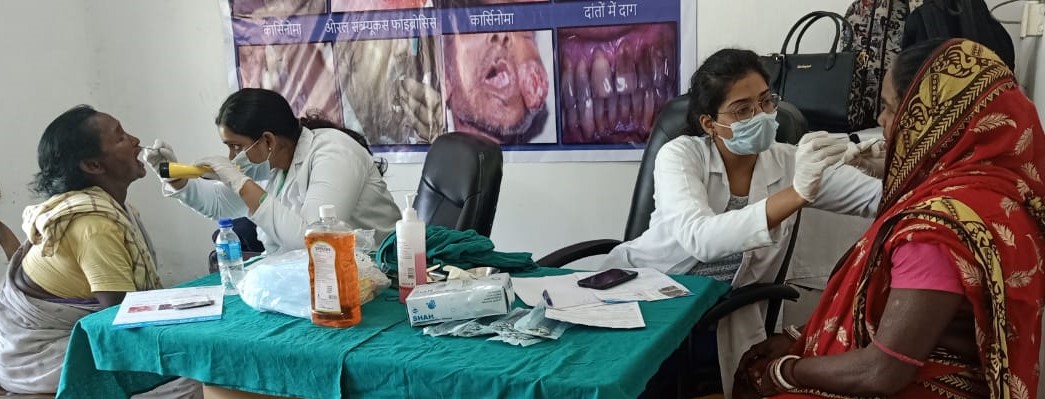
Since 2014, ATTAC’s team ably helped by 100+ dedicated volunteers over the globe, has made more than 30,000 patients aware of such an unregulated, low priced, conveniently attainable cancer-causing substance. Apart from providing 11,000+ patients with a basic health check-up we have screened 7,000+ patients for oral cancer and the females with breast cancer screening too.

Those with positive habit history of tobacco usage are provided short one-on-one counselling on methods to quit, steps to quit and remain tobacco-free. Those with pre-cancerous lesions are counselled with emphasis on cessation and referred for further tests.

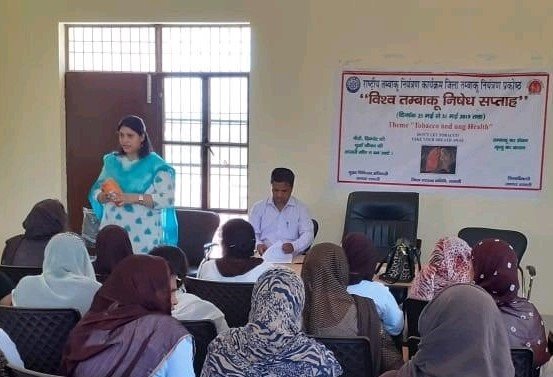
We’ve collaborated with similar not-for-profits to cover wider areas and provided training sessions for law enforcement officers, primary health-care workers, educational institutions and the Uttar Pradesh State Tobacco Control Cell.
We have also opened a facility for low cost diagnostic tests and tied up with various health care facilities for subsidized treatment along with running 3 cessation centres with no fees.

Our focus is majorly prevention and early diagnosis of diseases because we understand that if diseases are detected at their initial stages, the per capita expenditure is reduced grossly. Therefore, unburdening the Indian health care system.

What are the challenges you faced?

Tobacco use in India has deep cultural and historical roots; people take a puff of Hookah to get relief from stomach problems or they might fill tobacco in their teeth cavities to get pain relief. Along with this attractive packaging, little information on contents, various and newer methods of intake, advertisements and media portrayal have made it harder to break through. But they don’t realize that even a one-time contact with this poison is addictive enough to create a vicious cycle.

Although pan chewing and associated tobacco use began among the nobility, it soon spread to the common folk, and its importance as an obligatory social custom was established at all levels of society. By 1617, Smokeless tobacco use had become so popular among all classes that Jahangir, who came to the throne after Akbar, issued a decree identifying tobacco’s potential harms and forbidding its use.
 Smokeless Tobacco and Public Health in India, MoHFW, Govt. Of India

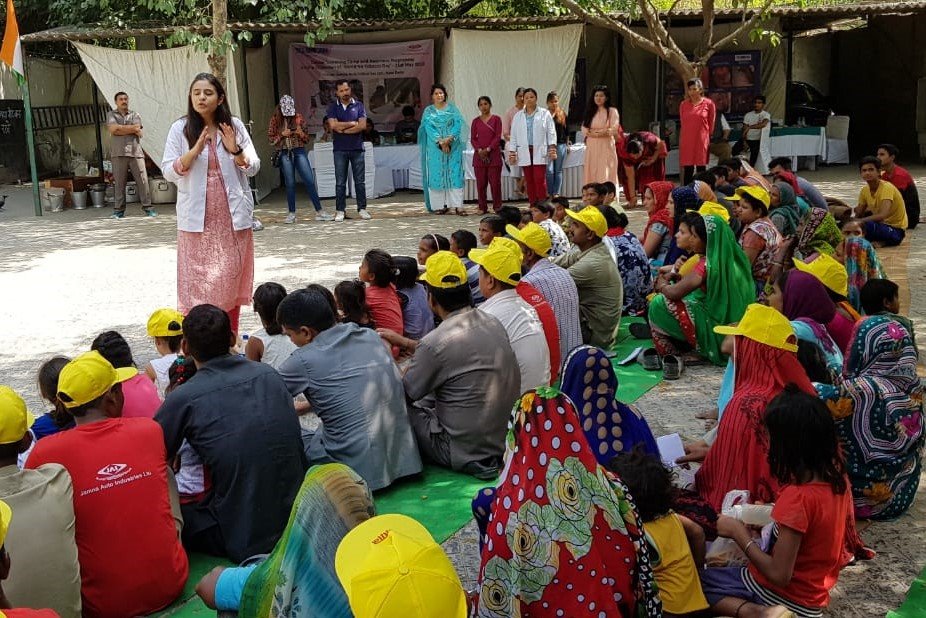
To change the mindset and break some centuries-old myths, ATTAC has travelled to several rural, semi-urban and urban areas to create awareness, prevent, screen, provisionally diagnose and provide referral for treatment. These little steps to create a tobacco and cancer free society matter a great deal when a patient understands and relates to our mission, through either the public health talks or the individualised screening sessions. But sometimes one session is not enough. Its human nature to follow the path of least resistance and resisting change is easy because people tend to focus on what they have to give up. We make them realize what all they could gain, but bringing along change is a gradual, time-consuming and laborious process. Many patients are lost in follow ups and further assistance cannot be provided due to logistics or finances.

Since 2014, we’ve only been able to open up three cessation centres. Our major logistical limitation is acquiring adequate manpower and budgeting to expand our reach pan India and open up at least a 100 more tobacco cessation centres by next year. But that can only happen if we collaborate with local doctors/dentists and similar not-for-profits.

How do you plan to solve them?

Like I said, to reach more areas, we need to lessen the distance between interested public and specialists who can provide help and for that to be feasible, technology might be an enabler.
Nowadays technology is what brings us closer, be it accessing healthcare information, finding a suitable doctor, getting online consultations to even finding online support groups.

Tobacco cessation counselling is a metaphorical handheld guidance to direct the patient into changing their toxic habit to a healthy one. It’s not imposition of your values or writing prescriptions but a soft skill to help the patient detoxify years of physiological and psychological effects of nicotine, a combined persistent effort tailored to their dependence and usage to achieve a quit phase.

We at ATTAC, along with a multidisciplinary advisory board from both healthcare and technological divisions, aim to innovate a novel mHealth idea to help the healthcare professionals provide a standardised, evidence-based, session-wise therapy easily delivered in a healthcare setup. This will not only help to reduce the burden on the overall healthcare system but also in treating non communicable disease load of the society by simply increasing the information flow from practitioner to client i.e. making him aware.

We aim to objectify the entire cessation protocol but the same time acknowledge the fact that quitting is a personalized journey. The basics of counselling coupled with the knowledge of the practitioner in a user-friendly tool with access to newer material regularly is what we envision. Currently in its development phase, we are taking inputs on user-interface designing and content by various leaders in their specialities.

Dr. Dikha, do you believe technology can solve the problems of the developing world?

We have many visionaries of different sectors working relentlessly to solve public health problems, especially in war zones of Palestine and Iraq, and technology is the supreme carrier. If not solve them completely, technology can definitely help aid us in bridging the doctor-patient gap.

“To improve health and reduce health inequalities, rigorous evaluation of eHealth is necessary to generate evidence and promote the appropriate integration and use of technologies.” WHO

Yes, there are issues of data encryption and multiple bug fixes, but sustainable change takes time to grow roots and while technology might be fast, but it is slow to achieve a steady level and gain trust with its users. Apart from using technology as an adjunct, our main focus will remain on soft skills focus because the we might have robots in the future, but the world will still need people to pick up the phone and talk on the Quit line.

Dr. Dikha, what’s the plan for the future?

ATTAC’s goal is to increase the number of people we can reach out to, be it – wider area of reach by arranging health camps and public health talks or setting up of Tobacco Cessation Centres in each district easily accessible by the patient.

Our first and foremost plan is to expand our network. Rope in healthcare leaders, advisors and similar minded people to tackle the problem in a multi-disciplinary fashion and launch our mHealth cessation app for validation tests.

We will also be working closely with the Uttar Pradesh State Government on ensuring awareness in the younger age groups with their school programmes and helping the ASHA (Accredited Social Health Activists) and ANM’s (Auxiliary Nurse Midwife) get trained in tobacco cessation counselling, since they are India’s doorstep health workers.

Thank you Dr. Sumedha and Dr. Dikha for your enlightening answers and highly commendable engagement

Health Breaking News 337

Health Breaking News Links, as part of the research project PEAH (Policies for Equitable Access to Health), aim to focus on the latest challenges by trade and governments rules to equitable access to health in resource-limited settings

Health Breaking News 337


WHO: public health round up 

Artificial Intelligence: Wild Card To Address Global Health Issues 

Almost 2,000 Ebola cases confirmed in DR Congo as crisis worsens 

DRC Ebola: latest numbers as of 5 June 2019 

Large Ebola outbreaks new normal, says WHO 

Genetically modified fungus hailed as malaria breakthrough 

The case for robust tobacco control: strengthening tobacco tax and trade policy 

Heated tobacco products – No smoke without fire? 

Tobacco as an ‘offensive interest’ in trade talks? The role of rules of origin 

European Union Review of Pharmaceutical Incentives: Suggestions for Change 

Comparison of essential medicines lists in 137 countries 

Dept. of Fine Print: Who Benefits Most When Pharmaceutical Companies Donate Product? 

The Nagoya protocol and research on emerging infectious diseases 

Otto Cars: reacting to antimicrobial resistance 

More than 1 million new curable sexually transmitted infections every day 

Water, sanitation and hygiene: measuring gender equality and empowerment 

Delivering human rights and the SDGs: Does IMF Conditionality pass muster? 

Human Rights Reader 484 

‘Socialism for the rich’: the evils of bad economics 

To Address Disparities, Health Services Research Students Must Understand Inequity, Not Just Inequality 

Not one single country set to achieve gender equality by 2030 

Women Deliver Conference On Gender Equality Grabs Global Attention 

‘Catastrophic’ healthcare costs put mothers and newborns at risk 

Crisis In Care: Year Two Impact of Trump’s Global Gag Rule 

Celebration of World Food Safety Day 

Climate becomes top priority in EU’s 2020 budget 

Mobilisation Needed for Climate-Related Disasters 

Climate Change Could Cost Business Almost $1 Trillion 

We Must do More to Speed up Ending Fossil Fuel Subsidies 

Behind a Search for Breakthrough Ideas to Capture River Plastic Before It Reaches the Ocean 

Health Breaking News 336

Health Breaking News Links, as part of the research project PEAH (Policies for Equitable Access to Health), aim to focus on the latest challenges by trade and governments rules to equitable access to health in resource-limited settings

Health Breaking News 336


World Health Assembly Approves Milestone Resolution On Price Transparency 

WHO Resolution 28 May 2019: Improving the transparency of markets for medicines, vaccines, and other health products 

Negotiators Agree On Game-Changing WHA Resolution For Medicine Price Disclosure 

The growing gap between what the public had been told R&D costs are, and the actual costs 

Does the political will exist to bring quality assured and affordable drugs to low- and middle income countries? 

‘You disappointed us’: Why is Canada opposing more transparency in drug prices? 

MPP Statement at the 72nd session of the World Health Assembly 

Reporting a clinical trial result on the European registry: My nightmare journey 

AMR incentives could be next big EU opportunity, pharma boss says 

Linking Vaccines And Quality: A Public Health Imperative In A Value-Based Era 

Major cholera vaccination campaign begins in North Kivu in the Democratic Republic of the Congo 

Following 110 years of neglect, an official day for Chagas disease is declared 

New Plan For Ebola Outbreak Response To Ensure Safety Of Respondents 

Aid group: Most new Ebola cases were not known contacts 

DRC Ebola: latest numbers as of 27 May 2019 

Big tobacco, global health, and the limits of shared value 

WHO: World No Tobacco Day 31 May 2019 

Poor people struggle to access cancer medicines in India 

India: extreme inequality in numbers 

As the World Health Assembly Convenes, Let’s Elevate Use of Economic Evidence on the UHC Agenda 

Budget Cuts May Undercut the U.N.’s Human Rights Committees 

Human Rights Reader 483 

The Time is Now: End Sexual and Gender-Based Violence 

For Lack of Will: Child Hunger in Africa 

‘Pick the Odd One Out: Sugar, Salt, Animal Fat, Climate Change: What Are We Teaching?’ by David Patterson 

Nobel Laureate: UN Reform Needed to Stop Climate Rule Fights 

European cities target net-zero carbon buildings by 2050 

Fossil fuel subsidies are wrecking the world, says U.N. chief 

Four energy storage projects that could transform Europe 

Water Research & Education Needs to Flow Towards Developing World 

Pick the Odd One Out: Sugar, Salt, Animal Fat, Climate Change

We can and must tackle global health and environmental challenges holistically, thus benefiting from double and triple duty actions.

Food and beverage corporations are unlikely to adopt environmentally sustainable approaches without strong government regulation. (In fact, they may vigorously oppose them.)

In democratic societies at least, governments will most likely require broad civil society support to legislate to sustainably transform the food and beverage sector. (In undemocratic countries and in countries transitioning to democracy, there is an even greater risk that corruption will weaken government resolve.)

By David Patterson

Health, Law and Development Consultants

 dpatterson@healthlawdc.com

Disclosure: From 2009 – 2018 David Patterson was senior legal expert, health, for the International Development Law Organization (IDLO). He is now a consultant with IDLO and other health, law and development organizations


 Pick the Odd One Out: Sugar, Salt, Animal Fat, Climate Change

 What Are We Teaching?


 At a recent dinner party in The Hague, my friends’ 14-year-old son told us how at school the kids mapped how much of the Netherlands will be flooded if there is inadequate action on climate change over the next few years.[1] The adult conversation faltered… and moved on. But the child’s implicit plea haunts me. In fifty years, much of this country may well not be habitable.

This year two reports from The Lancet linked food, health and climate change and offered part of the solution. The reports ‘Food in the Anthropocene: the EAT-Lancet Commission on healthy diets from sustainable food systems’ (‘EAT Commission report’) and ‘The Global Syndemic of Obesity, Undernutrition and Climate Change: The Lancet Commission report’ (‘Global Syndemic report’) between them recommend a fully or largely plant-based diet for most of us to improve global health and also reduce the green-house gas emissions associated with the meat industry. Importantly, the reports address the impact of current, unsustainable food systems and climate change on low- and middle-income countries. Droughts, floods and desertification caused by climate change drive up food prices and increase both under-nutrition and obesity as people shift to less nutritious, often calorie-dense foods.

The reports also identify some culprits and systemic barriers, and hence some opportunities. Crucially, the Global Syndemic report notes that many countries have failed to include environmental sustainability principles within their dietary guidelines due to pressure from strong food industry lobbies, especially the beef, dairy, sugar, and ultra-processed food and beverage industry sectors.

Yet these lobbies are corporations. Corporations are, by definition, created by law. They can be controlled, taxed, and dissolved by law. But governments won’t adequately regulate these industries without strong civil society support for tight legislative control.

Among other suggestions, the Global Syndemic report proposes an approach based on international human rights law. This move reflects the increasingly multi-disciplinary nature of the teams convened to tackle global health challenges. Similarly, a recent WHO Bulletin special issue on noncommunicable diseases (NCDs) included an article on legal capacities required in NCDs prevention and control. In April 2019 The Lancet published the report of the Lancet–O’Neill Institute Commission on Global Health and Law titled ‘The legal determinants of health: harnessing the power of law for global health and sustainable development’ (‘Global health and law report’).  Most importantly, the report is replete with observations about the essential role of civil society in advocating for government action on law reform for global health.

Drawing together the threads of these four reports from these two authoritative journals, it emerges that

  • We can and must tackle global health and environmental challenges holistically, thus benefiting from double and triple duty actions.
  • Food and beverage corporations are unlikely to adopt environmentally sustainable approaches without strong government regulation. (In fact, they may vigorously oppose them.)
  • In democratic societies at least, governments will most likely require broad civil society support to legislate to sustainably transform the food and beverage sector. (In undemocratic countries and in countries transitioning to democracy, there is an even greater risk that corruption will weaken government resolve.)

Hence we need national and global civil society movements that are informed, resourced, courageous and free to advocate for sustainable food policies, including access to accurate, accessible information to inform food choices. (For example, in many countries, industries lobby hard against ‘traffic-light labelling’ that helps people identify healthier processed food.)

The internet provides a powerful platform for social organization and advocacy, but also an almost unregulated medium to market junk food, and trace and censor dissent more effectively.

So what do we say to a 14-year-old who is questioning why he should study Latin if, in 30 years’ time, he may be a climate refugee? In November 1969, the educator Neil Postman delivered a lecture in Washington D.C. at the National Convention for the Teachers of English. He called it ‘Bullshit and the Art of  Crap-Detection.’ Postman reckoned that ‘…the best things schools can do for kids is to help them learn how to distinguish useful talk from bullshit.’

Fair advice. So, let’s stop pretending we can address climate change without transforming our diets. Let’s be straight about the profit motives of corporations, and the need for government capacity and political will to regulate them for the common good. And let’s use the common language of human rights to draw together all the civil society movements implicated in the struggle for global health, including the women’s, children’s, labour, faith, disability, indigenous, people of colour, LGBT and other groups. Above all, let’s share our vision of human and planetary health with young people over the dinner table – keeping in mind Postman’s advice!


——————————-

[1] For example, Delta Programme 2019, measures to adapt the Netherlands to climate change in time available at https://english.deltacommissaris.nl/news/news/2018/09/18/delta-programme-2019-measures-to-adapt-the-netherlands-to-climate-change-in-time [accessed 27 May 2019]

Health Breaking News 335

Health Breaking News Links, as part of the research project PEAH (Policies for Equitable Access to Health), aim to focus on the latest challenges by trade and governments rules to equitable access to health in resource-limited settings

Health Breaking News 335


WHA72: Watch Live 

WHA72: Documents 

G7 Countries Prioritise Primary Health Care At Health Ministers’ Meeting In Paris 

WHO Launches Health Product Profile Directory To Stimulate New Drug Research 

Future Of Drug Pricing Resolution Hangs In Balance At World Health Assembly 

MSF response to World Health Assembly Medicine Price Transparency Resolution negotiations 

Dimitri Eynikel: Transparency Matters 

How transparency of the costs of clinical trials will improve policy making 

House Passes Legislation To Strengthen the ACA 

We Asked, You Answered: Reflections on the First Round of MVAC Feedback 

What’s in a…‘Debossed Code’? 

Allergopharma-Nexter’s transparency case in Poland deserves infographic. Who else is not afraid of transparency?

Regulatory barriers to life-saving and affordable HCV medicines can be overcome 

DRC Ebola: latest numbers as of 22 May 2019 

DRC Ebola: Still a Horrifically High Level of Nosocomial Infections by Garance Upham  

United Nations strengthens Ebola response in Democratic Republic of the Congo 

Three Big Lessons for The Next Pandemic Response 

Tackling malaria hotspots in the Amazon jungle 

Argentina and Algeria stamp out malaria in ‘historic achievement’ 

‘Unprecedented’ HIV outbreak infects hundreds of young children in Pakistan 

Schoolchildren in Cambodia fight dengue using guppy fish 

Venezuela struggles to halt measles epidemic 

Meet the champions who are moving the needle on patient and Health Care Worker Safety 

Why we are troubled by elitist inequality review 

Human Rights Reader 482 

UNAIDS Calls On Countries To Change Laws That Hinder Access To Health For LGBTI People 

Chasing Financial Health: A Top Bank’s Latest Investment in Underserved Communities 

Why Don’t Venture Capital Firms and Government Funders Co-Invest in Healthcare Technology More Often? by Dhevi Kumar 

Green Light For First-Ever WHO Strategy On Health, Environment And Climate Change 

Climate change efforts set for disappointing EU summit in June 

Microplastic pollution adds to oceans’ problems 

Why Don’t Venture Capital Firms and Government Funders Co-Invest in Healthcare Technology More Often?

Here are a few thoughts  on why venture capital firms and government funders could co-invest (and why they don't) in healthcare technology more often   

By Dhevi Kumar,  MA, MHS

Dhevi Kumar is interested in private and public sector investment in the global health space. She’s worked on public private partnerships throughout Eastern African and Haiti. She’s currently based in Seattle, Washington USA. The views expressed below are solely those of the Author

Why Don’t Venture Capital Firms and Government Funders Co-Invest in Healthcare Technology More Often?


Health tech has seen significant investment from the venture capital (VC) space as well as multi-million dollar government sponsored cooperative agreements. In 2018, VCs invested nearly $10.6 billion in healthcare startups. Government funded Cooperative Agreements typically issue five year awards of almost $100 million to support a host of treatment and preventive care services. Investors and funders both appear aligned in their support of emerging technologies that have the potential to make money and save lives.

And yet, venture capital firms and government funders tend not to collaborate on their investments in the healthcare technology space. In my own experience in the public-private intersection of digital health and data initiatives, I’ve often wondered why this is the case. The push towards standing up sustainable investments (products that will actually make their own money beyond their initial seed funding) aligns with both VC and philanthropic interests.

Given the shared goal of getting the most bang for the buck, it seems like entities on opposite ends of the funding spectrum would try to meet each other half way more often. Whether combined investments from public agencies and industry, or a philanthropic grant with matched investments from companies, start-ups, or even private individuals (different variations of public-private partnerships, or PPPs), the motivation to stretch a dollar/euro to get to a result faster seems like a no-brainer.

The pros of such collaborations revolve primarily around shared opportunities:

1) Mutual interest in leveraging data to improve health outcomes. Government entities hold critical access to vast datasets that startups can leverage for breakthroughs in the machine learning and artificial intelligence space.

2) Shared vision of fueling cutting edge research with an agile approach via an influx of capital; including rapid design, testing, iteration and refinement.

3) Shared investment also equals shared risk so no one entity shoulders the burden of success or failure – especially in a space where the consequences of failure could mean lives lost or threatened.

However there are also potential blockers that can threaten the success of these initiatives:

1) Government funding agencies and VC firms often have opposing timelines and metrics of success. VCs look for rapid ROI, while Government contracts look for alignment with complex policy mandates that are sometimes decades in the making.

2) Regulatory environment for healthcare technology doesn’t coincide with VC’s expectations to see ROI (return on investment) yesterday. Government grants are not typically focused on moving incubation stage ideas into go to market/commercialization phase, thus their lack of concern about sitting in stage gate approval purgatory.

3) Cultural clash. Allbirds sporting Silicon Valley players are typically not hanging out in the same circles as badge-wearing government policy wonks.  Staying in separate sandboxes leads to missed opportunities to align on goals, share resources, and just play together!

Based on my experience in the health care PPP space, my conclusion is that as a collective industry we need more venues to bring together disparate groups of investors to deliberate meaningfully on co-investment. There may be a fleeting moment where say, an MD from an established VC finds herself on the same panel as the PPP lead from USAID. It’s very likely that some shared, good intentions will be thoughtfully discussed. They may even have some overlapping examples of investments in similar geographies or technologies. But those good intentions of actually figuring out a plan to get past the known blockers to make both private and public dollars go farther fizzles out by the time each panelist is on their respective flights back to San Jose and Washington DC.

We need both VCs and federal agencies to align their funding priorities and strategies prior to fund distribution. A coordinated funding approach could lead to some great ideas getting a longer runway to try, fail, improve and actually get it right. The outcomes could mean dollars saved and increased money earned for investors in both public and private arenas.

Who’s up for talking about these potential collaborations further? I’m proposing a working group with VCs in the healthcare tech space and public sector funders to have some targeted, coordinated conversations to strategize next steps. Please reach out to me at Dhevi.Kumar@gmail.com if interested.

DRC EBOLA: Still a Horrifically High Level of Nosocomial Infections

Nosocomial transmission of Ebola still unacceptably high in the Democratic Republic of Congo, says WHO Emergency Health DG Dr Michael Ryan. 

Aware of the importance of infection prevention and control, (IPC), the WHO has decided to place IPC as a tripartite AMR - UHC - EH priority, said Ryan at a public event in Geneva.

Ryan stressed that armed attacks come from outside terror groups and that the population welcomed the international teams as shown by the high rate of vaccine acceptance 70%!

A large number of anthropologists have studied the approach of the authorities (such as the Army death camps in Sierra Leone) and question the top down approach, pointing out that better outcome in Ebola control are achieved when people are equipped with home care: bleach, boots and gloves 

By Garance Fannie Upham

Vice-President, ACdeBMR / WAAAR World Alliance Against Antibiotic Resistance
co-Editor in Chief, AMR Control 2015, 2016 and 2017
AMR Control 2018 or full book 2018
Chief Editor AMR-Times E-journal and subscription E_newsletter 

EBOLA in the Congo: Still a Horrifically High Level of Nosocomial Infections, Reports WHO HE Director

Infection Prevention and Control: Top for AMR-UHC-Health Emergencies Agenda!

The views expressed below are those of the Author and do not engage her Board or the WAAAR


The World Health Organization has now placed Infection Prevention and Control (IPC) as a tripartite priority which brings together the Departments of Antimicrobial Resistance (AMR), that of Universal Health Coverage (UHC) and of Health Emergencies (HE), stated Dr Mike Ryan, WHO Director for Health Emergencies, in a public event on Ebola, at the Graduate Institute on May 13th.

WHO needs be congratulated on an initiative which could save millions of babies and women every year!

We had anticipated this move by the WHO, with the choice in the creation of an ADG (Assistant Director General) for Antimicrobial Resistance, and the nomination of the fierce Dr Hanan Balkhy, a world authority on IPC and leader in her country’s fight against MERS cov, this Middle East Respiratory Syndrom coronavirus, being a major nosocomial threat, not just in Saudi Arabia but also in South Korea, the later having spent several hundred million dollars in IPC to stop the MERS outbreaks.

We could only wish international donors had spent a few millions on IPC in West Africa after the Ebola outbreak, instead of leaving the three Western States Health systems even more desolate after the 2014-15 Ebola than they were before!

Dr Ryan had shaken the WHO Executive Board (EB) with his revelations last January 28 that “86 % of Ebola cases in the town of Beni, DR Congo, were acquired nosocomially”.

Last fall, Dr Peter Salama, previous ADG HE and now moved to the UHC Department, had first spoken from Congo’s Ebola centers on the fact that poorly kept health centers were “spreading” that hemorrhagic fever disease.

We also noted with interest the coming of ECDC (European Centre for Disease Prevention and Control)’s Dr Alessandro Cassini to the WHO IPC group (under Dr Allegranzi), as Dr Cassini had been lead author of the Lancet ID article last fall pointing out that even in the EU/ Euro zone, 426 000 AMR infections were Hospital Acquired Infections.

At the Graduate Institute

The Graduate Global Health Center event, organized and chaired by the Director Michaela Told, was remarkably thought provoking.

Basically the event addressed all the right questions: what is the best way to approach a population affected with a dangerous pathogen outbreak? What are the dangers of a militarized approach? How not to play electoral politics in an epidemic situation (preventing Ebola region populations from voting, for example), if you don’t want a dangerous disease to spread further? How to engage with local populations and start from their capacities instead of sweeping down on them? Can home care work?

What can be the role of Imams and local chiefs? How the terror striking health care workers is commanded from the outside (by whom? Who provides the weapons and why?): an unanswered question.

The event started with the London School of Hygiene and Tropical Disease, Pr Susannah Mayhew, Dept for Global Health and Development; Principal Investigator, ‘Ebola Gbalo Research Project’ (conducted on the lessons to be drawn from the 2014-15 Sierra Leone Ebola outbreak). And she was accompanied with Mrs Esther Mukowa, researcher, from the Njala University of Sierra Leone and the Wageningen University (in the Netherlands).

Pr Mayhew explained how her team had mapped two districts and sought to learn from frontline responders. It was pointed out in the conversation that the first to respond are local folks, and that is also true for the RCRC, the Red Cross and Red Crescent Organisation, represented on the podium by Emanuele Capobianco, Dir. Health and Care, IFRCRCS.

Speaking of bad actions to avoid at all costs in future outbreaks, Pr Mayhew spoke of the reaction in Sierra Leone in June when, faced with a large outbreak of Ebola then, the army was sent in, set up a quarantine militarized camp and rounded up any and all person suspected of having Ebola into that death camp without any form of care, while relatives and families could deposit food and drink at the door! This made people very afraid of interventions, and made people hide the sick! While the local Chief had OKed the military move, it was clearly counter to proper behavior…”You don’t treat disease with guns!”

A rapid mobilization elsewhere with chlorine and gloves, as occurred in some places, would have been much more productive!

Recently an MSF “Rethink”, to which people referred to on the podium, also proposed a shift to more home care today in the DRC. Mrs Mukowa elaborated on that point: “Involve families, otherwise people will suspect a hidden agenda”.

Pr Michela Told, as Chair & Moderator, underlined the need to combat misinformation and violence and how the second follows the former.

The panel also referred to the sensation press, more inclined to make headlines on violence than help build information.

Pr Capobianco, as for him, focussed on the needed emphasis on “preparedness”, and outlined how different initiatives had arisen since the West Africa outbreak of 2014-15, citing the WHO World Bank Global Monitoring, headed by former WHO DG Gro H Bruntland.

He noted (and later Dr Ryan reiterated the fact) that the proof the populations are welcoming the intervening teams and not fighting them, was the high rate of Ebola vaccine acceptance, around 70%. So far 150 000 people have been vaccinated, the response has been quick, even if the number of Ebola cases is going up still.

The Red Cross, he said , intervenes mostly through the local branches and tries to include families. However, the number of Ebola cases continues to climb with the spilling into neighboring countries a near certainty, he said.
As the Ebola Gbalo group before him, Capobianco stressed that one had to move “from Community Acceptance to Community Ownership”.

Knowledge in the community is critical, and the nosocomial Ebola cases among children is an important issue, he said. Alarm bells are ringing, he added as there is a dramatic shortage of cash.

Dr Mike Ryan, just back from the airport, stressed the importance of holding the State, the government accountable. As a former director of Global Alerts for many years, he said, he had come back from the Middle East to face Ebola, and he could testify how there were no investments made (from donors or there) in the aftermath of the West African Ebola outbreak, which meant the area was as vulnerable as before. Ryan mentioned the Mozambique disaster, stressing that the majority of lives saved are achieved by first line local folks not by international teams, and it is the same whether it’s an earthquake, a hurricane or an epidemic. Which doesn’t mean we should forget that 80% of infectious diseases affects the poor of the world, which comprises 60% of child mortality. UHC is about facing that.

The need is to serve vulnerable communities.

North Kivu has the rain forest on three sides, and an enormous level of natural and forced migrations, and a really high density population.

The key word, he said, is “resilience”. “I would hate to see Geneva with 8 centers for Ebola!!  We could learn a lesson from African community resilience they could teach us.”

“In some of these places, Kinshasa, the capital appears as far as New York City!! We stopped in Beni …”

“Armed insurgents, not communities, are authors of violence. Last week, we lost 4 days. Yet the acceptance of the Ebola vaccine is higher than that of measles in the US”. Meanwhile, “election gaming needs to stop (The Kinshasa gov’t pretexted the Ebola epidemics for forbidding the affected regions from going to vote while the later are in the opposition – Author’s note), while reporting the important – he said – Prime Minister’s initiative to create a committee with all the religious entities”.

“Soon, a new vaccine will also be introduced. While there has been some cases of Ebola with the first vaccine, the clinical cases were less severe. We have piloted home care as well…We have 900 people in the field, and we do better than NGOs because of preparedness”.

During the Q&A, I asked Ryan a question: at the EB, you shook people with the very high rates of Ebola contracted in health care, what of your plan , as you  had told me then in January, to re-institute IPC into the HE cluster?

Then Ryan said: “There is still a horrifically high level of nosocomial infections, people get infected by Ebola in Health care centers.”

He spoke of the tripartite plan (AMR+UHC+HE) on IPC, and went on to say that “nosocomial Ebola is still unacceptably high in the DRC. Among pregnant women, Ebola is 70% nosocomial ! So health centers are part of the problem.”

Both Ryan and the Red Cross director stressed that there remained a big problem of preparedness, not very appealing to donors. There was a little pick on the anthropology studies, saying that if there were many an anthropologist on sites, the interpretations would be systematically further away.

The announcement of this WHO  tripartite priority initiative on IPC is especially timely and comes amidst several signs and campaigns including on the part of NGOs.

In The Economist AMR event this past month, Dr Marc Sprenger, insisted on IPC as a key answer to AMR spread, perhaps even more than in the interview we had conducted last year for AMR Control.

In an outstanding policy document, REACT and the Dag Hammarskjöld Foundation started outright:

“• Antibiotics have become a substitute for good quality health care. We must raise standards in basic infection prevention. (…) • Health insurance companies frequently fund activities related to better exercise and diet because these investments save money over time. The same should apply to AMR: insurance companies should demand high standards of drug stewardship and infection prevention and control.”


With G2H2 and the World Alliance Against Antibiotic Resistance, last year’s pre World Health Assembly event had focused on the need for IPC with a round table featuring AMR WHO leaders, Dr Marc Sprenger, and Dr Awa Aidara Kane, along with REACT Africa leader and Ecumenical Pharmaceutical lead Dr Mirfin Purdue and WAAAR President Dr Jean Carlet, with economist Mireille Martini (Finance Watch and Stiglitz Commission). 

And three years earlier, in 2015, “From Ebola to AMR: The need for IPC” was the title of a 2015 WHA UN event organized by the WAAAR Geneva group with EB member and AFRO group leader the Republic of South Africa, the DG of Health Services, Mrs Precious Matsoso, head of delegation, and the USA WHA’s delegate representative, Dr Mitchell Wolfe (now at CDC Washington and then Deputy Assistant Secretary for Global Health).


References & Background

From Ebola to Antimicrobial Resistance, by Garance F Upham

http://www.peah.it/2019/02/6374/

WHO Places Emphasis on IPC, AMR and UHC, by Garance F Upham

http://www.peah.it/2019/03/6479/

Ebola Experts Say It’s Time For A Radical Rethink Of Strategies In Congo: Goats and Soda https://www.npr.org/sections/goatsandsoda/2019/05/10/721020887/threats-by-text-a-mob-outside-the-door-what-health-workers-face-in-the-ebola-zon

For coverage of last year’s G2H2 AMR Round Table: http://amr-times.info/

For Past and Current AMR Control (and Dr Sprenger’s interview in 2018 edition) see www.amrcontrol.info

The Economist (we could not find a report back on the web, the information on Dr Sprenger’s talk came to me from one of the attendees).

https://www.youtube.com/watch?v=9IXa7FujV5E