News Flash 685: Weekly Snapshot of Public Health Challenges

News Flash Links, as part of the research project PEAH (Policies for Equitable Access to Health), aim to focus on the latest challenges by trade and governments rules to equitable access to health in resource-limited settings

San Fruttuoso beach, Liguria, Italy

News Flash 685 

Weekly Snapshot of Public Health Challenges


Call for abstracts: ICIC27 Tallinn, Estonia – 10-12 May 2027 International Conference on Integrated Care

Everyone agrees, little moves: The consensus of Universal Health Coverage

Prison health-care governance and public health: a call for research

From Crisis to Resilience: a One Health Architecture for Equitable Health Security in Zambia and Africa  by Kalolo Charles Chitembo 

Beyond Good Intentions: Why Quality Improvement Struggles in South Africa’s Public Health Facilities  by Florence Muvirimi 

Integrated Supportive Supervision at Primary Health Care: Co-designing Stronger Referral and Counter-Referral Pathways  by Ebenezer Bolaji 

Lula’s Victory and the Possibility of Change from the Global South: Economic Injustice, Health Inequity and the Search for a New Ethics of Sustainable Human Development  by Juan Garay 

Reform or rebrand? An interview series on the WHO process to reform the global health architecture: Amitabha Sarkar

Beyond Clinical Care: How Financial Management Strengthens Private Maternal Health Services in Lagos, Nigeria by Olasunmbo Makinde

AI’s ‘opportunity divide’ could deepen global inequality, UN official warns

What keeps a Sahelian network going: AFRAFRA as relational infrastructure

Equity with Accountability: What the UN Political Declaration on Pandemic Preparedness Leaves Unresolved

Message by the Director of the Department of Immunization, Vaccines and Biologicals at WHO – October 2026

African health manufacturers need reliable buyers, not just investment

From the Heart of a Doctor: Why Must We End Polio Now

AMA and EMA issue joint guidance on Ebola vaccine development

Nigeria Tracks Scores of Contacts After Confirming Ebola Case

Ebola spread prompts call for coordinated African response

Kenya becomes first African country to join the Dengue Alliance

Quality of antibiotics purchased on Bioko Island and four mainland districts of Equatorial Guinea: a crosssectional medicine-quality survey

HRR840. THE CASE OF ‘CHOICE-LESS DEMOCRACIES’ (Saeed Husaini)

The Eradication of Extreme Poverty by 2030: a Key UN goal will be a Missed Target

Webinar registration 3 November 2026: The impact of mining in the Democratic Republic of Congo

Donors Weren’t Spending a Lot on Evidence. It’s Now Going Off a Cliff

Funding mutual aid groups in Sudan: routes, losses and what needs to change

US, EU and 30 countries warn of famine risk in Sudan, call for aid

Menopause in Nigeria: Evidence Gaps and the Case for Research  by Hadiza Magaji Mahmoud 

Webinar 5 November 2026 registration: Who is Financing Factory Farming in Africa

Fundraising to protect oceans, forests and other key nature sites falling short ahead of UN summit

Five Facts You Need To Know From The U.N.’s Major Emissions Gap Report

Ford Foundation donates $158.5 million to protect indigenous communities and ancestral forests across the world, which they call home


Beyond Clinical Care: How Financial Management Strengthens Private Maternal Health Services in Lagos, Nigeria

IN A NUTSHELL
Author's Note 

Project Aisha demonstrated that financial resilience and clinical quality are inseparable. By equipping 11 private maternal health facilities in Lagos with structured financial management systems, targeted mentorship, and peer learning, the project achieved a 50% reduction in facility-based maternal mortality — evidence that strengthening the business foundations of private facilities is a high-impact strategy for saving lives. For Nigerian states and other low-and middle-income settings grappling with fragmented private health sectors, this model offers a replicable, evidence-based pathway. The question is not whether private providers can deliver quality maternal care — it is whether health systems are willing to invest in the financial and operational foundations that make it possible

Global Health Leader/ Health Systems Strengthening/ MNCH Advisor/ Improvement Science

Nigeria

Beyond Clinical Care

How Financial Management Strengthens Private Maternal Health Services in Lagos, Nigeria


Full Content HERE

  Executive Summary 

Despite investments in clinical training, maternal health outcomes in private health facilities are frequently undermined by fragile, business-driven models and weak financial oversight. In many low- and middle-income settings, private health facilities suffer from informal financial management and high out-of-pocket dependency, leading to erratic procurement of life-saving commodities and high staff turnover. When financial systems fail, the ‘clinical gain’ evaporates, leaving private health facilities unable to maintain 24/7 emergency readiness, including the blood bank supplies essential for managing obstetric emergencies.

Project Aisha, a maternal health initiative, demonstrated that financial management is an effective and underutilized approach to improving the quality of maternal health services, especially in the private sector. Implemented in Ifako-Ijaiye LGA, Lagos, the initiative targeted single-doctor-led private hospitals that serve as first-contact providers for most pregnant women.

Using an adapted Financial Management Assessment Tool (FinMAT), Project Aisha identified critical gaps in financial record-keeping, governance and staffing, internal controls, budgeting and planning, and reporting among private maternal care providers. Facilities were stratified by financial risk, enabling tailored mentorship intensity. Through structured training, continuous mentorship, supportive supervision, and integration of quality improvement principles, providers strengthened financial systems directly linked to maternal health service delivery.

Results were substantial. Average financial management scores increased from 38% at baseline to 66% at endline, with the greatest improvements observed in financial documentation, governance, and internal controls—foundational systems essential for service continuity. Strengthened financial practices were associated with fewer service disruptions, improved availability of essential maternal health commodities, better staff retention, and enhanced readiness for obstetric emergencies.

Project Aisha demonstrated that strengthened financial management is a frontline quality-of-care intervention. When private providers gain control over their finances, they are better positioned to safeguard the quality of care. Integrating financial management mentorship into maternal health quality improvement approaches offers a scalable, high-impact strategy to sustain safe motherhood gains, reduce preventable maternal deaths, and build resilient private health systems across Nigeria and sub-Saharan Africa.


Integrated Supportive Supervision at Primary Health Care: Co-designing Stronger Referral and Counter-Referral Pathways

IN A NUTSHELL
Author's Note 

…a functioning referral system depends on more than knowing when to send a patient elsewhere. It also depends on whether the patient reaches the next level of care, whether relevant information returns to the PHC and whether follow-up happens.

Integrated supportive supervision provides an existing opportunity to examine this journey with the people who understand its different parts. By reviewing a small number of cases, co-designing workable tools, measuring progress and escalating barriers that facilities cannot solve alone, supervisory teams can help turn a documented referral into a more connected process of care.

Ultimately, the value of a referral system lies not in the number of referrals recorded, but in whether patients receive the care they need and whether the health system can support their journey across levels of care.

By Ebenezer Bolaji, MD

Rapid Responder Epidemiologist with the Africa CDC

Head of the Primary Health Care Research Unit at the National Primary Health Care Development Agency (NPHCDA)

Nigeria

 By the same Author on PEAH: HERE

Integrated Supportive Supervision at Primary Health Care

Co-designing Stronger Referral and Counter-Referral Pathways


“I understand referral, but could you explain what you mean by counter-referral?”

A community health worker asked me this question during a supportive supervision visit to a primary health care (PHC) facility. It was a simple question, but it exposed a challenge that can be overlooked when supervision focuses mainly on whether services are available and registers are complete: do health workers share an understanding of what should happen after a patient is referred to another facility?

The question stayed with me because referral is not complete simply because a patient has been directed elsewhere. The receiving facility needs to provide appropriate care, relevant information needs to return to the referring PHC, and any recommended follow-up needs to happen. Without these links, a patient’s journey through the health system can become fragmented.

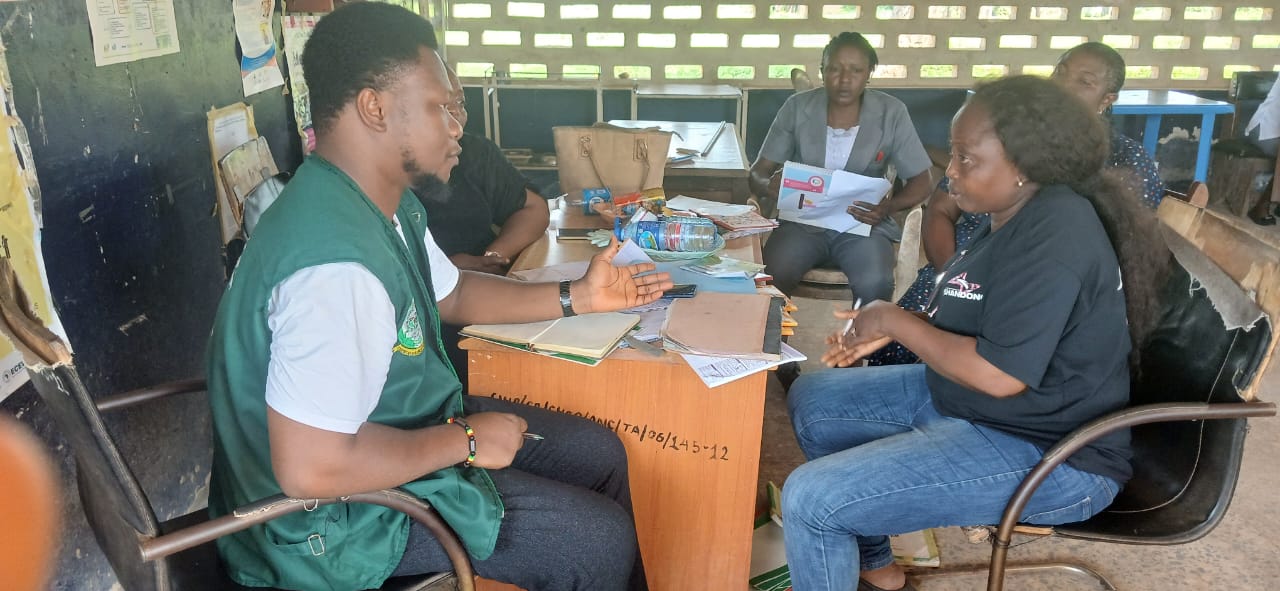
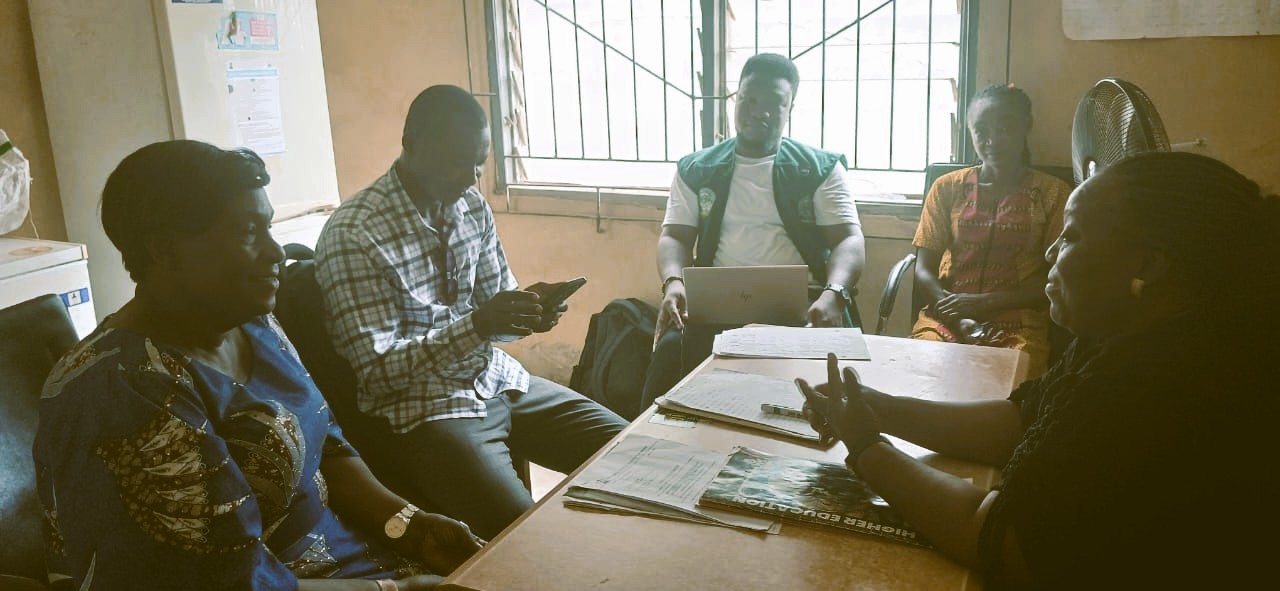
This perspective draws on a field visit in Nigeria’s PHC system, where frontline primary care facilities work within a broader network of local government, state and referral-level services. During the visit, I reviewed a facility referral register covering the preceding quarter and discussed referral processes with frontline personnel. The register contained entries for referrals made, but counter-referral and follow-up were not documented in the material reviewed. I did not record a verified referral count that can responsibly be reported here.


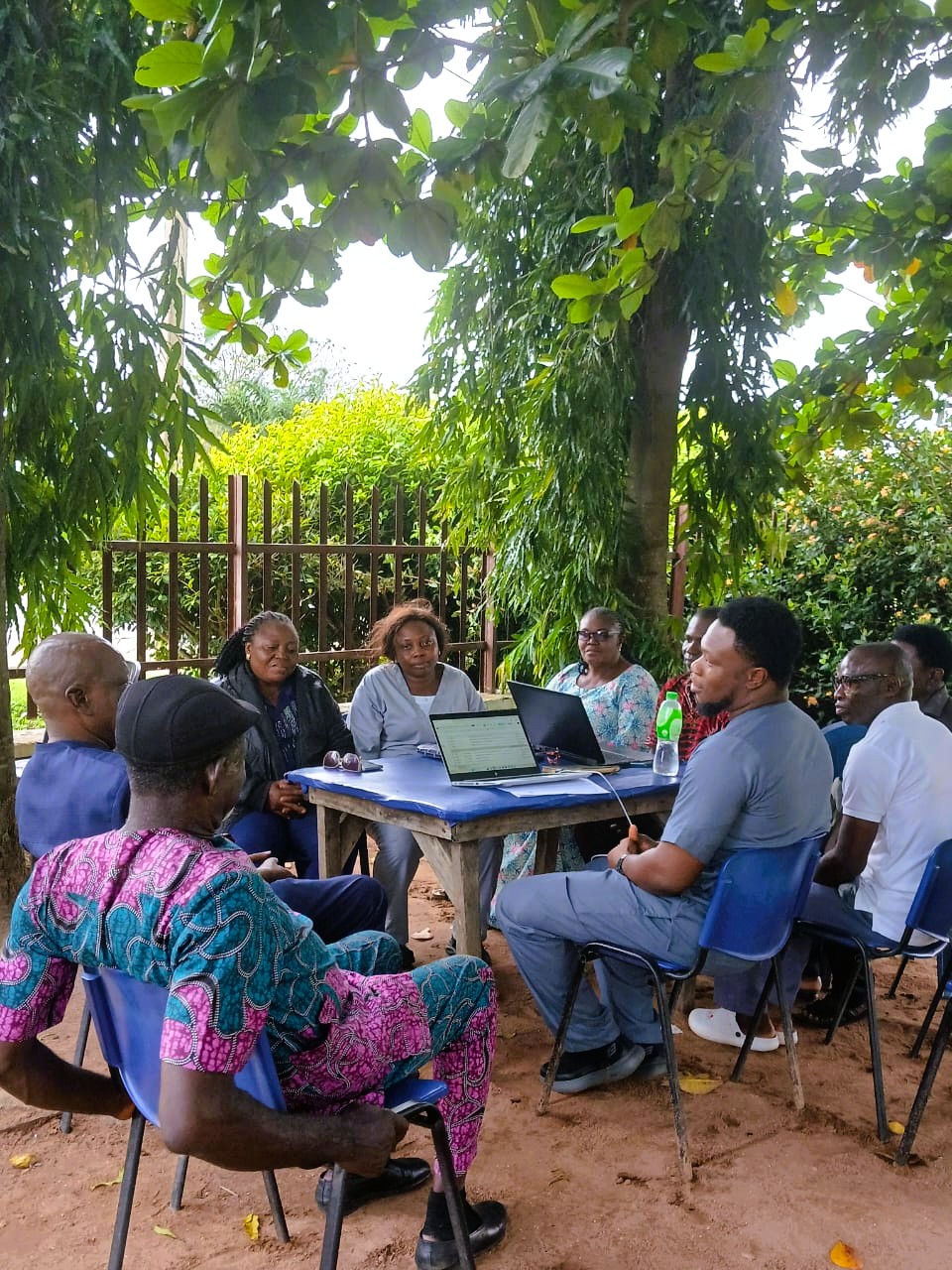
 Images from the field


This is a practice-based perspective, not a research study or a representative assessment of Nigerian PHC facilities. It describes an observation from one field exercise; it cannot establish how common the gap is or why it occurred. Its value is in identifying a practical question that health teams can explore during routine supervision.

1. Why integrated supportive supervision?

Supportive supervision is often treated as a way to check service availability, review records and identify performance gaps. It can also provide a structured opportunity for health workers and supervisors to solve problems together. WHO guidance on community health worker programmes emphasises supportive approaches, including coaching, quality assurance and problem-solving, while acknowledging that evidence comparing specific supervision models remains limited [1]. A review of supervision approaches in low- and middle-income countries similarly found that useful approaches often draw on routine data and continuous quality improvement, although many successful models have not been tested at scale or sustained over time [2].

Integrated supportive supervision brings several service areas into a coordinated visit. Depending on the context, a team may review maternal and newborn health, immunisation, laboratory services, emergency arrangements, community health activities and quality improvement. Integration can reduce the burden of separate visits and help teams see how the different parts of service delivery work together.

Referral pathways are particularly suited to this approach. A PHC can initiate a referral, but successful completion may depend on transport, costs, the availability of services at the receiving facility, communication between facilities and the patient’s ability to navigate the system.

Supervision cannot resolve every barrier, but it can help teams identify where a pathway breaks down, determine who can act and follow up on agreed improvements.

The evidence should be interpreted carefully. A Cochrane review found that studies of supervision in PHC had mixed results and that the overall certainty of evidence was low or very low [3]. The case for integrated supportive supervision is therefore not that every supervisory visit will automatically improve outcomes. Rather, supervision is an existing health-system process that can be made more useful when it supports evidence-informed problem-solving and tracks whether agreed changes work.

2. Referral, counter-referral and continuity of care are different

The question from the community health worker created an opportunity to clarify three connected concepts:

  1. Referral completion: did the patient reach the facility to which they were referred?
  2. Counter-referral: did the receiving facility communicate relevant information back to the referring PHC, including findings, treatment provided and recommendations?
  3. Continuity of care: was the patient subsequently followed up and managed in line with the care plan?

These are related, but they are not interchangeable. A patient may be referred and never arrive. A patient may reach the receiving facility and receive treatment, but the PHC may receive no feedback. Even where feedback is provided, the patient may not complete recommended follow-up. Each is a different point at which care can become disconnected.

A recent scoping review of referral systems within a primary health care approach highlighted the importance of clear referral protocols, communication between initiating and receiving facilities, counter-referral processes and monitoring [4]. These functions are not merely administrative. They help clinicians make informed decisions about ongoing care and support a more connected patient journey.

A practical starting point is a shared, plain-language explanation of the pathway. Health workers, community health workers and supervisors should understand what information must accompany a referral, what the receiving facility is expected to return, how unresolved referrals are followed up and who is responsible at each stage.

3. Use supervision to co-design workable solutions

The field register showed that the facility had made an effort to record outward referrals. The gap in the records reviewed was the return journey: whether patients reached the next level of care, what care they received and whether the PHC obtained information to guide subsequent management. This observation should not be read as evidence of poor commitment by frontline staff. It may also reflect a process or register designed mainly to document the initial referral.

Co-design offers a way to investigate the gap without starting from blame. Facility in-charges and health workers understand the demands of service delivery. Community health workers may know the practical barriers patients face in reaching care and returning for follow-up. Local government and state teams understand referral arrangements and service availability. Receiving facilities can clarify what information they need and what feedback they can reasonably provide.

During a supervisory visit, these actors can review a small number of de-identified referral records and map the patient journey. Where did the process work? Where was information missing? Was the receiving facility known and reachable? Was transport available? Did anyone follow up when the outcome was unknown? What change would be feasible within the current workflow?

This approach is consistent with evidence that problem-solving between supervisors and health workers may strengthen the effectiveness of supervision. In a secondary analysis of 81 studies from 36 countries, routine supervision was associated with a median improvement of 10.7 percentage points in professional health workers’ practices compared with controls. The analysis also found that supervisor involvement in problem-solving was associated with greater mean effectiveness, although the authors rated the evidence quality as low because of limitations including risk of bias [5]. These findings support the direction of travel, not a guarantee that the same effect will occur in every setting.

Co-design should complement, not replace, supervision’s role in monitoring standards and accountability. Its purpose is to combine assessment with a structured opportunity to understand operational problems, agree on corrective action and learn from implementation.

4. Practical actions within an existing supervision cycle

A small number of steps can be tested within an existing supervision cycle and adapted to local conditions.

Agree on a minimum referral and counter-referral log. Review the existing register with the people who use it. A minimum dataset could include a unique patient identifier, date and reason for referral, initiating and receiving facilities, referral focal person, whether arrival was confirmed, care received, feedback returned and follow-up required. The final fields should align with existing reporting requirements and protect patient confidentiality. Avoid creating a parallel tool unless the current one cannot be adapted.

Introduce a referral slip with a return section. The receiving facility could document key findings, care provided and recommendations for continued management. Information might return through the patient or through an agreed, secure communication channel between facilities. The method should reflect local realities and safeguard confidential clinical information.

Maintain a directory of receiving facilities. Local teams can periodically update facility locations, services available, operating hours, referral contacts and emergency arrangements. A directory is only useful if it is accurate and accessible to frontline staff.

Review a few cases during each visit. As a starting point, the supervisory team could review two or three documented referrals where feasible. The discussion should establish whether the patient reached the receiving facility, whether feedback returned, whether follow-up was completed and what barriers remain. The number and duration of reviews should be adjusted to workload and case complexity.

Escalate barriers that the facility cannot solve alone. Better documentation will not overcome a lack of transport, unaffordable care, insecurity or an unavailable service. Supervision findings should distinguish actions that can be taken at facility level from issues requiring local government, state or higher-level support. Community health workers can contribute to follow-up within their defined roles, but should not replace clinical communication between facilities.

A limited pilot can test whether the proposed log and return slip are understandable, feasible and useful before any wider adoption. Frontline users should be able to recommend changes based on actual use, rather than being asked only to comply with a tool designed elsewhere.

5. Measure whether the pathway is improving

Introducing a register or referral slip is not, by itself, evidence of a stronger referral system. Teams need a small set of indicators with clear definitions, denominators, reporting periods and sources of information.

Possible indicators include: (1) completeness of referral documentation among records reviewed; (2) the proportion of referred patients confirmed to have reached the receiving facility; (3) the proportion of completed referrals for which relevant counter-referral feedback is received by the PHC; and (4) the proportion of patients who require follow-up and complete it within the agreed period.

The interpretation matters as much as the calculation. Referral outcomes that cannot be established should be recorded as unknown, not automatically classified as completed or failed. Low completion may reflect transport or financial barriers, insecurity, service availability or communication problems, rather than the performance of the initiating PHC alone. Data should help the team understand the pathway, not create incentives to conceal difficult cases.

Every significant gap should lead to an agreed action, a named responsible person or level of the system, and a timeline for review. At the next supervisory visit, the team can check whether the action was completed and whether the process improved. This closes the loop between observation, action and learning.

6. Digital tools should support a functioning process

Electronic community health information systems (eCHIS) and other digital platforms may eventually support referral tracking, reminders and communication between community-based workers and facilities. But digitisation cannot compensate for unclear responsibilities, unreliable contact arrangements or a receiving facility that cannot provide the required service.

Before introducing digital functions, teams should agree on the workflow and minimum information required, assess whether existing systems can support it, and address interoperability, connectivity, workforce capacity, privacy and data protection. Digital tools should reduce avoidable duplication rather than create parallel reporting burdens. Paper-based processes may remain appropriate where connectivity or infrastructure is limited.

The immediate priority is a referral pathway that frontline workers understand and can use consistently. Technology should be introduced where it offers a practical advantage and can be maintained within existing arrangements.

7. Policy recommendations

Policy makers can build on existing supervisory structures by taking five practical steps:

  1. Include referral review in supportive supervision tools. Review referral completion, counter-referral feedback and follow-up, not only the presence of referral records.
  2. Adapt and pilot simple referral tools. Co-design logs and return slips with frontline users, test them in selected facilities and revise them before wider use.
  3. Strengthen local referral coordination. Maintain updated directories, clarify focal persons and connect referral arrangements with emergency transport and other relevant support mechanisms.
  4. Orient health workers and community health workers. Establish a shared understanding of referral, counter-referral, follow-up and each person’s responsibilities.
  5. Link findings to action and accountability. Assign responsibilities and timelines, escalate system-level barriers and review progress during subsequent supervision and routine performance discussions.

These steps can use existing structures, but they are not cost-free. They require staff time, practical tools, appropriate training and support from the levels of the health system responsible for resolving barriers beyond the facility.

Conclusion

The community health worker’s question was a reminder that a functioning referral system depends on more than knowing when to send a patient elsewhere. It also depends on whether the patient reaches the next level of care, whether relevant information returns to the PHC and whether follow-up happens.

Integrated supportive supervision provides an existing opportunity to examine this journey with the people who understand its different parts. By reviewing a small number of cases, co-designing workable tools, measuring progress and escalating barriers that facilities cannot solve alone, supervisory teams can help turn a documented referral into a more connected process of care.

Ultimately, the value of a referral system lies not in the number of referrals recorded, but in whether patients receive the care they need and whether the health system can support their journey across levels of care.

References

  1. World Health Organization. WHO guideline on health policy and system support to optimize community health worker programmes. Geneva: World Health Organization; 2018. Available from: https://www.who.int/publications/i/item/9789241550369
  2. Rowe SY, Peters DH, Holloway KA, Chalker J, Ross-Degnan D, Rowe AK. A systematic review of the effectiveness of strategies to improve health worker performance in low- and middle-income countries. (See also: systematic review of performance-enhancing health worker supervision approaches in low- and middle-income countries). Hum Resour Health. 2021;19:2. Available from: https://pmc.ncbi.nlm.nih.gov/articles/PMC8733429/
  3. Bosch-Capblanch X, Liaqat S, Garner P. Managerial supervision to improve primary health care in low- and middle-income countries. Cochrane Database Syst Rev. 2011;(9):CD006413. doi:10.1002/14651858.CD006413.pub2.
  4. Optimizing people’s movement across the health system: a scoping review of referral systems within a primary health care approach. Primary Health Care Research & Development. 2025. Available from: https://pmc.ncbi.nlm.nih.gov/articles/PMC12646189/
  5. The effectiveness of supervision strategies to improve health care provider practices in low- and middle-income countries: secondary analysis of a systematic review. Health Policy Plan. 2022. Available from: https://pmc.ncbi.nlm.nih.gov/articles/PMC8734232/
  6. World Health Organization. Primary health care systems (PRIMASYS): case study from [country-specific case studies and resources]. Geneva: World Health Organization. Available from: https://www.who.int/teams/primary-health-care
  7. World Health Organization. Framework on integrated, people-centred health services. Report by the Secretariat. Geneva: World Health Organization; 2016. Available from: https://apps.who.int/gb/ebwha/pdf_files/WHA69/A69_39-en.pdf

Lula’s Victory and the Possibility of Change from the Global South: Economic Injustice, Health Inequity and the Search for a New Ethics of Sustainable Human Development

IN A NUTSHELL
Author's note
The re-election of Luiz Inácio Lula da Silva as President of Brazil on 25 October 2026 provides an opportunity to reconsider whether political and intellectual renewal towards greater economic justice, health equity and ecological sustainability might emerge from the Global South. This article examines the structural connections between wealth concentration, unequal access to the determinants of health, ecological overshoot and the concentration of financial, military and digital power. Drawing on international evidence and the conceptual contributions of the Sustainable Health Equity Movement (SHEM), particularly its approaches to Wellbeing in Sustainable Equity (WiSE) and Sustainable Health Equity (SHE), it argues that conventional indicators of economic growth and national development are insufficient and even fall in contradiction, to evaluate human progress. A more comprehensive framework should assess how societies transform available resources into dignified, healthy and environmentally sustainable lives, both within and between countries and across generations. The article proposes a political and ethical agenda that transcends the conventional left–right divide without disregarding the distributional consequences of public policy. It also explores the potential contribution of the Global South to reforming international institutions, advancing a universal right to live in harmony with nature, and developing cooperative alternatives to extractive economic models. Lula’s victory is interpreted not as evidence that such a transformation has occurred, but as a possible opening for broader democratic and transnational action

By Juan Garay  

Co-Chair, Sustainable Health Equity Movement (SHEM)

Professor and Researcher in Health Equity, Ethics and Metrics

Founder, Valyter Ecovillage

By the same Author on PEAH: HERE

Lula’s Victory and the Possibility of Change from the Global South

Economic Injustice, Health Inequity and the Search for a New Ethics of Sustainable Human Development


1. Introduction: Can change come from the Global South?

On 25 October 2026, Luiz Inácio Lula da Silva was re-elected President of Brazil with 51.79% of valid votes, against 48.21% for Flávio Bolsonaro. The result followed a closely contested election in a deeply divided society and marked an important moment in Brazil’s democratic and political trajectory (Tribunal Superior Eleitoral, 2026).

The significance of this result extends beyond Brazil’s borders. In a world facing widening economic disparities, democratic tensions, geopolitical conflict and accelerating ecological disruption, it raises a broader question: could the Global South become an important source of political, intellectual and social renewal in the pursuit of a more equitable and sustainable model of human development?

This possibility should not be confused with a prediction or an endorsement of any particular government. Electoral victories do not automatically translate into structural transformations, and countries of the Global South are neither politically homogeneous nor immune to inequality, extractivism, authoritarianism or the concentration of wealth. Brazil itself faces the challenge of reconciling social protection, economic development, environmental conservation and democratic coexistence.

Nevertheless, the election provides an opportunity to examine a fundamental contradiction in the contemporary world order. A primary source if inequity is the artificial divide of countries and the inequity of biocapacity, wealth amd GDP (financial and other excahnge flows). Even countries and communities with substantial natural resources, human capacities and cultural knowledge may continue to experience preventable illness, premature mortality and deprivation, while economic and technological systems concentrate the benefits of production in relatively small populations.

This contradiction cannot be understood exclusively through the traditional division between left and right. It requires an analysis of how resources, opportunities, risks and decision-making power are distributed, and of how these arrangements influence the health of populations and the ecological conditions on which human life depends.

The Sustainable Health Equity Movement (SHEM) has developed a framework for examining these relationships. Its work on Wellbeing in Sustainable Equity (WiSE), Sustainable Health Equity (SHE), global health metrics, financial speculation, digital power and community-based alternatives seeks to connect health outcomes with the broader economic, political and ecological structures that shape them.

This article develops that perspective around three questions:

  1. How does economic injustice contribute to inequities in health and premature mortality?
  2. Why are conventional models of development and political classification insufficient to address the combined challenges of social inequality and ecological limits?
  3. What role could the Global South, working with movements and communities worldwide, play in advancing a new ethic of sustainable human development?

2. Economic inequality and the unequal distribution of health

2.1. Wealth concentration in an unequal world

Economic inequality remains one of the defining characteristics of the global economy. According to the World Inequality Report 2026, the richest 10% of the global population own approximately three-quarters of total wealth, while the bottom 50% own only about 2%. The poorest half of the population receives less than 10% of global income (World Inequality Lab, 2026) and below the dignity threshold that ensures the right to health /best feasible level (see SHEM articles and webinars on the geographical distribution of injustice).

These figures describe more than differences in consumption or personal income. Wealth confers unequal capacities to influence political decisions, access education and healthcare, withstand economic crises, avoid environmental hazards and shape the distribution of future opportunities.

The accumulation of financial and productive assets can support innovation and investment towards global public goods. However, when ownership becomes highly concentrated and the returns to capital are persistently distributed more unequally than the opportunities to participate in economic life, wealth concentration can reproduce itself across usable and direct human might and genius to the benefit of a few.

This matters for health because the resources that protect people from illness are unequally distributed. Adequate nutrition, safe housing, education, clean water, sanitation, secure employment, social protection and timely access to healthcare depend partly on household resources, but also on public investment, labour relations, social institutions and the distribution of political power.

Economic inequality is therefore not simply a background characteristic of societies. It can influence the conditions under which people are born, grow, work, age and die. (Seee Michael Marmot work on health equity and the WHO report and WHA resolution on the social determinants of health, 2010).

2.2. The magnitude of health inequities

The World Health Organization’s 2025 review of social determinants of health reports that the difference in life expectancy between countries with the highest and lowest levels can reach 33 years. It also estimates that eliminating wealth-related inequalities within low- and middle-income countries could potentially save 1.8 million children’s lives each year (WHO, 2025). SHEM estimates that excess mortality caused by international inequity has remained for some 30 years above 16 million annual deaths.

These estimates illustrate the scale of avoidable differences in health. They also demonstrate why national averages can be misleading. A country’s overall life expectancy or health expenditure may improve while large differences persist between social groups, territories, ethnic communities and income categories.

The relationship between economic resources and health is complex. Income influences individual opportunities, while taxation, social protection, public services, environmental regulation and labour-market institutions shape the extent to which those opportunities are shared. Political instability, conflict, discrimination, geography and the capacity of health systems also affect outcomes.

Consequently, the relationship should not be reduced to a simple claim that every difference in health results directly from income inequality. Rather, economic inequality interacts with social and institutional mechanisms that determine exposure to health risks and access to protection.

A central implication follows: the assessment of development must consider not only how much wealth a society generates, but how effectively and fairly it converts available resources into healthy lives.

2.3. From unequal resources to preventable mortality

Health systems are essential, but healthcare alone cannot compensate for all the disadvantages generated by unequal living conditions. Medical treatment may reduce the consequences of disease, yet it cannot independently eliminate inadequate housing, food insecurity, hazardous work, polluted environments, educational exclusion or the loss of livelihoods caused by ecological disruption.

Nor is the availability of medical knowledge sufficient to ensure that its benefits are distributed fairly. Scientific discoveries, vaccines, medicines and digital technologies can improve population health, but access depends on affordability, production capacity, intellectual property arrangements, public financing, infrastructure and political priorities.

SHEM’s work approaches these issues through the relationship between available resources, the capacity to transform them into human wellbeing, and the sustainability of the resulting outcomes. This perspective encourages researchers to examine not only health expenditure or service coverage, but also the distribution of health outcomes relative to the resources and opportunities available.

Such an approach can help distinguish between scarcity that is genuinely unavoidable and deprivation that reflects institutional choices, unequal bargaining power or an inadequate allocation of collective resources.

It also places preventable mortality within a broader ethical and political discussion. When effective interventions and sufficient resources exist, avoidable deaths raise questions about social priorities, the organisation of institutions and the distribution of responsibilities across countries.

Estimating the precise number of deaths attributable to global economic injustice nevertheless requires explicit counterfactual assumptions, transparent methods and careful separation of direct causation from statistical association. The ethical importance of the issue does not remove the need for methodological rigour. If and when achieved, the burden of health inequity may become the most revealing barometer of social justice and act as a compass towards sustainable equity.

3. Ecological injustice and the unequal conditions for healthy life

Economic and health inequities cannot be separated from the ecological foundations of human wellbeing.

Climate change, air pollution, biodiversity loss, soil degradation, water insecurity and the disruption of food systems affect health through multiple pathways. They influence infectious disease patterns, heat-related mortality, nutrition, respiratory and cardiovascular disease, mental wellbeing, displacement and the resilience of health services.

These effects are distributed unequally. People with fewer resources often have less capacity to avoid environmental hazards, relocate from dangerous areas, protect their livelihoods or obtain timely treatment. At the same time, the benefits of environmentally damaging production and consumption may accrue disproportionately to groups with greater purchasing power and ownership of capital.

The United Nations Environment Programme’s Emissions Gap Report 2025 estimated that warming over this century could reach approximately 2.8°C under policies then in place. Even full implementation of national climate pledges was projected to leave warming substantially above the Paris Agreement’s temperature goals (UNEP, 2025). These are model-based projections, not certainties, and subsequent policy developments can change the trajectory. Their significance lies in the scale of the gap between existing commitments and the reductions required. Such trend may mean excess mortality of over 210 million during the century, mainly in populations with low carbon and ecological footprint (see Garay, PEAH, Climate chnge : third world war with no guns).

The problem is not consumption as such. Adequate food, housing, energy, mobility and healthcare are indispensable to human dignity. The challenge is to distinguish consumption that meets essential needs from resource-intensive consumption that adds relatively little to wellbeing while imposing substantial ecological costs.

Likewise, economic growth cannot be evaluated independently of its distribution and environmental consequences. Growth that improves nutrition, sanitation, education and access to essential services may support health equity. Growth that depends on destructive extraction, hazardous working conditions or the depletion of resources essential to future generations may generate benefits that are unequally shared while transferring costs to other populations and periods.

This suggests the need for a combined assessment of social sufficiency and ecological limits: ensuring that everyone has access to the material foundations of a dignified life while reducing unnecessary resource use and environmental damage.

SHEM’s approach to sustainable health equity seeks to place these objectives within a common framework. A society cannot be considered fully equitable if its current wellbeing depends on systematically undermining the health and life opportunities of other populations or future generations. Hence the SHEM index of wellbeing in sustainable equity.

4. The concentration of financial, military and digital power

4.1. Debt, speculation and the distribution of public resources

Public borrowing can finance essential infrastructure, healthcare, education and climate adaptation. Private credit can support productive investment and household security. Financial markets can facilitate the allocation of capital and the management of risk.

However, the consequences of debt depend on its terms, purpose, distribution and governance. When debt-service obligations absorb a large share of public revenue, governments may face difficult choices about healthcare, education, social protection and ecological investment. When financial returns are prioritised over social outcomes, economic activity can become increasingly disconnected from the needs of populations.

The issue is therefore not debt or finance in themselves, but the conditions under which financial claims are created, distributed and enforced.

PEAH article, Debt, Financial Speculation and Artificial Intelligence: The Emerging Architecture of Inequity,  examines how debt, speculative finance and algorithmic systems can interact to reshape the distribution of wealth, power and opportunity. The analysis argues for evaluating these systems according to their contribution to human dignity, sustainable wellbeing and planetary health (Garay, 2026a).

From a health-equity perspective, this implies examining the opportunity costs of financial arrangements: what resources remain available for primary healthcare, nutrition, sanitation, social protection and climate resilience after debt obligations and other competing claims have been met?

It also implies greater transparency in financial governance, fairer taxation, international cooperation against illicit financial flows and a stronger capacity for governments to protect essential social investment.

4.2. Military expenditure, conflict and health

Armed conflict produces immediate mortality, injuries, displacement and the destruction of healthcare infrastructure. Its longer-term effects include interrupted vaccination, food insecurity, psychological trauma, reduced access to education and the deterioration of the social determinants of health.

Military expenditure also raises questions about competing public priorities. Yet it would be misleading to assume that every unit of military spending could automatically be redirected to health or that all security expenditure has identical consequences. Countries face different security conditions, and the effects of reallocating resources depend on context.

A more useful approach is to examine whether security policies reduce threats to human life or intensify the conditions that produce insecurity. Human security should encompass not only protection from armed violence, but also access to essential services, freedom from extreme deprivation and the preservation of the environmental systems on which societies depend.

This broader understanding is consistent with SHEM’s efforts to connect peace, global justice and sustainable health equity.

4.3. Digital technology and artificial intelligence

Artificial intelligence and digital infrastructure can improve diagnosis, disease surveillance, scientific research, logistics and the allocation of health resources. They can also reproduce discrimination, concentrate informational power and increase dependence on private providers when ownership, access and accountability are inadequately governed.

The central question is not whether technology is inherently beneficial or harmful. It is who controls it, whose interests it serves, who can scrutinise its decisions, and how its benefits and risks are distributed.

When a small number of companies control critical digital infrastructures, data and computational resources, their decisions can influence public institutions and essential services. Where automated systems are used to determine eligibility, allocate resources or assess risk, insufficient transparency and weak accountability may reinforce existing social inequalities.

A sustainable health-equity agenda therefore requires public-interest research, independent evaluation, meaningful human oversight, data protection, equitable access to digital infrastructure and democratic accountability.

These concerns also reinforce the wider argument: the distribution of power is itself a determinant of health. Economic, political, military and digital power should be assessed not only by their capacity to generate returns or increase national influence, but by their effects on human capabilities, health and ecological integrity.

5. Beyond the conventional left–right divide

The traditional distinction between left and right remains relevant to understanding political traditions, electoral competition and policy choices. Parties differ in their approaches to taxation, public services, labour regulation, markets, migration, environmental protection and the role of the state.

However, ideological labels alone are insufficient to evaluate whether a political system advances sustainable health equity. Governments that describe themselves as progressive can continue extractive practices, tolerate excessive wealth concentration or fail to protect ecosystems. Governments that describe themselves as conservative can adopt policies that strengthen public health, social cohesion or environmental stewardship.

The relevant task is not to erase political differences, but to assess concrete policies and their consequences.

A comparative framework should examine, among other dimensions:

  • The progressivity and effectiveness of taxation.
  • The distribution of public expenditure on healthcare, education, housing and social protection.
  • Access to essential services and differences in health outcomes between social groups.
  • Labour rights, income security and the distribution of economic power.
  • The ecological footprint of production and consumption.
  • The protection of civil liberties and democratic accountability.
  • The concentration of financial and digital ownership.
  • The treatment of migrants and minorities.
  • The distribution of environmental risks between populations and generations.

Such an approach would permit comparison across governments without assuming that political identity determines policy outcomes in advance.

The objective would be to identify which institutional arrangements and policy combinations are associated with greater equity, improved health and lower ecological damage, while recognising the influence of national income, history, demographics, productive structure and international constraints.

A new political ethic would begin by asking whether economic and political institutions enable people to live healthy, dignified lives within ecological limits. It would not require agreement on every aspect of economic organisation. It would require a shared commitment to reducing avoidable deprivation, limiting the conversion of private wealth into unaccountable power, and protecting the conditions necessary for life.

6. The contribution of SHEM: WiSE and Sustainable Health Equity

The Sustainable Health Equity Movement seeks to broaden the understanding and measurement of equity by connecting human wellbeing with the fair and sustainable use of available resources.

Its work on Wellbeing in Sustainable Equity (WiSE) and Sustainable Health Equity (SHE) proposes that development should be evaluated not only by economic output, average income or the availability of services, but also by the capacity of societies to transform territorial resources, human capabilities, institutions and shared global public goods into healthy and sustainable lives.

In Sustainable Health Equity: A Scientific Framework for Strengthening Human Development Drawing on Cuba’s Experience and Contemporary Challenges, a framework that considers three interconnected dimensions: resource endowment, transformation capacity and sustainable wellbeing is proposed (Garay, 2026b).

This framework raises several questions relevant to international comparison:

  1. What resources and capabilities are available to a society?
  2. How effectively and equitably are these resources converted into health, education, social protection and human development?
  3. Are the resulting outcomes environmentally sustainable and replicable for future generations?

The distinction between resource availability and transformation capacity is important. Two societies with comparable resources may achieve different health outcomes because of differences in public institutions, social organisation, access to knowledge, economic distribution and political priorities.

Conversely, a society with limited financial resources may achieve important health gains through preventive care, education, community participation and the effective use of public goods. Such outcomes do not eliminate material constraints, but they demonstrate why income alone is an incomplete measure of development.

SHEM’s approach also highlights the need to examine the sustainability of these achievements. Human wellbeing cannot be considered secure if it depends on ecological depletion, externalising environmental costs or denying other populations access to essential resources.

The framework should be understood as a contribution to ongoing scientific discussion rather than as a fully validated universal index. Its indicators, thresholds, weighting methods and comparative applications require transparent specification, empirical testing and independent assessment.

The Global Health Equity Atlas and related SHEM initiatives offer a basis for further work on the distribution of health opportunities and the avoidable consequences of inequity. Their scientific value will depend on the clarity of their methods, the traceability of their data, the treatment of uncertainty and the reproducibility of their results.

A central research objective is to develop indicators capable of distinguishing between three situations: insufficient resources, unequal distribution of available resources, and institutional limitations in converting resources into sustainable wellbeing. These conditions may overlap, but they require different responses.

7. Can the Global South open a new horizon?

The Global South is not a single political or economic entity. While most countries have gone through Western colonization, the Global South includes countries with different levels of income, political systems, social institutions and international interests. Some have achieved significant improvements in health and education; others face severe deprivation, inequality or environmental destruction. Many experience both progress and persistent structural limitations.

Nevertheless, countries of the Global South occupy an important position in debates about international justice. Their experiences expose the limitations of development models that treat high consumption as a universal aspiration while overlooking ecological constraints, unequal access to resources and the historical distribution of economic power.

The potential of the Global South should not be understood as replacing one hegemony with another. Nor should the South be idealised as inherently more equitable or sustainable. The opportunity lies in building alliances across countries, communities and political traditions around shared principles of human dignity, health equity, democratic participation and ecological responsibility.

Brazil provides a particularly relevant context for this discussion because of its scale, social diversity, scientific capacity, public-health experience and ecological importance. The Amazon and other Brazilian ecosystems have global significance, while the country’s social inequalities make the relationship between economic development, environmental protection and public wellbeing especially consequential.

Lula’s re-election could create political space for initiatives that prioritise social protection, public health, international cooperation and ecological stewardship. Whether this potential becomes reality will depend on policy choices, institutional constraints, democratic negotiation and measurable outcomes. An election result cannot substitute for that assessment.

The wider opportunity is to develop cooperation among countries of the Global South, alongside partners in the North, around practical questions: how to expand access to essential medicines and technologies; how to reduce the fiscal constraints that undermine public services; how to protect forests and biodiversity while improving local livelihoods; how to strengthen climate adaptation; and how to ensure that scientific knowledge serves populations rather than only those who can pay for it.

The Global South may also contribute to a more plural conception of development. Diverse cultural traditions, indigenous knowledge, community-based resource management and experiences of collective provision can inform alternatives to the assumption that wellbeing depends on continuously increasing material consumption.

Such contributions should be assessed critically and respectfully. Local traditions are not automatically equitable, and community autonomy does not remove the need for universal rights, public accountability or protection against discrimination. The aim is to combine diverse forms of knowledge with scientific evidence and democratic principles.

The possible turning point, therefore, is not simply a change in the geographical centre of political power. It is a change in the criteria by which power and development are judged.

8. Towards a universal ethic of intergenerational equity

The pursuit of sustainable health equity requires an ethical framework that connects the rights and needs of present populations with the conditions of life available to future generations.

Several philosophical traditions offer resources for this task. John Rawls’s theory of justice raises the question of fair institutions and obligations between generations. Hans Jonas emphasises responsibility for the long-term consequences of human action. Aldo Leopold’s land ethic expands moral concern to the wider community of life. Elinor Ostrom demonstrates the importance of institutional arrangements through which communities can govern shared resources. Kate Raworth’s doughnut economics connects a social foundation for human wellbeing with an ecological ceiling.

These approaches differ in their assumptions and methods, but each helps challenge the idea that economic performance can be evaluated independently of social justice and ecological limits.

A related ethical question concerns the relationship between human dignity and nature. The right to health is inseparable from access to clean air, safe water, adequate food, secure housing and a habitable environment. Protecting these conditions requires more than individual responsibility: it requires collective institutions capable of regulating economic activity, preventing environmental harm and distributing resources fairly.

A possible contribution would be the development of an international declaration recognising the right of present and future generations to live in harmony with nature, understood as a community of life that includes human beings. This would build on existing international human-rights and environmental frameworks rather than imply that such a comprehensive, autonomous right is already universally recognised in international law.

Such a declaration could establish principles including:

  • Universal access to the material conditions of a dignified and healthy life.
  • Protection of ecosystems and biodiversity as foundations of present and future wellbeing.
  • Fair distribution of the benefits and burdens of economic activity.
  • Responsibility for the long-term and transboundary consequences of public and private decisions.
  • Democratic and transparent accountability for concentrated economic, financial, military and digital power.
  • Protection against discrimination, forced displacement and avoidable deprivation.
  • International cooperation in the research, discovery and equitable provision of essential public goods.
  • Respect for cultural diversity, local autonomy and universal human rights.

The United Nations could provide an essential forum for advancing this agenda. However, institutional reform would need to address both representation and accountability. Greater representation for underrepresented regions, abolishment of the anachronic and antidemocratic vetonpower of a few, stronger mechanisms for protecting future generations, improved international tax cooperation and more effective oversight of transnational risks could help strengthen global governance.

Reform should not create an unaccountable central authority. Global institutions should operate through democratic, transparent and multilevel arrangements that preserve local participation while addressing problems that no country can resolve independently.

The question of borders requires similar care. National institutions continue to play important roles in democratic accountability, social protection and the provision of public services. Yet the unequal circumstances of birth, restrictive migration systems and the uneven distribution of global opportunities raise profound questions of justice.

A gradual approach could strengthen the protection of migrants’ rights, expand safe and regular migration pathways, reduce arbitrary exclusion from essential services and develop international arrangements that share responsibility more fairly. The long-term aspiration would be a world in which borders dilute and birthplace imposes fewer to none unjustified constraints on access to dignity, health and opportunity, while cultural diversity and democratic self-government remain protected. In a way, universal rights are not compatible with artificial national borders restricting or filtering the natural flow of people, knowledge, goods and means.

9. From principles to measurable change

Ethical commitments need to be translated into indicators, policies and institutions capable of demonstrating whether progress is occurring.

A research agenda informed by SHEM could develop a Sustainable Intergenerational Equity framework that assesses the relationship between resource availability, distribution, health outcomes and ecological sustainability.

Such a framework might include the following domains:

Economic justice: income and wealth concentration, tax progressivity, public revenue, debt-service burdens and access to essential goods.

Health equity: life expectancy, healthy life expectancy, avoidable mortality, child mortality, financial protection and differences in outcomes between socioeconomic groups.

Social foundations: nutrition, housing, education, water, sanitation, social protection and secure employment.

Ecological sustainability: greenhouse-gas emissions, material consumption, ecological footprint, air quality, biodiversity protection and exposure to climate risks.

Democratic and institutional conditions: civil liberties, public accountability, participation, corruption controls and the concentration of financial and digital power.

Intergenerational responsibility: public investment in future capabilities, ecological liabilities, long-term health risks and the distribution of benefits and costs between generations.

The purpose would not be to compress every dimension of human development into a single score without adequate justification. Composite indices as the burden of health inequity and the wellbeing in sustainable equity index can be useful for communication and comparison, but they may conceal important trade-offs, methodological assumptions and inequalities within countries.

A robust framework should therefore publish its indicators and data sources, explain the treatment of missing information, test the sensitivity of results to alternative weighting methods, and present disaggregated findings alongside any composite measure.

Comparative research could examine whether countries that reduce economic inequality, strengthen public services and protect ecosystems achieve better health outcomes relative to their available resources. It should account for differences in income, demographics, productive structure, conflict exposure, institutional history and external economic constraints.

Longitudinal analysis would help distinguish correlation from causal effects. Where possible, researchers should evaluate specific policy changes, compare relevant populations and test whether improvements in health are accompanied by reductions in ecological pressure.

The framework could also be applied at community level. Initiatives involving food sovereignty, preventive health, shared resources, renewable energy, care networks and participatory governance may offer practical settings in which to test how different social arrangements contribute to sustainable wellbeing.

Such experiments cannot replace public institutions or universal social protection. They can, however, generate knowledge about complementary forms of cooperation and demonstrate how ethical principles can be translated into everyday practices.

The ultimate purpose is to make sustainable equity empirically assessable: to determine not merely whether societies become wealthier, but whether their resources produce healthier lives, whether the benefits are fairly shared, and whether these achievements can be maintained without undermining the conditions of life elsewhere or in the future.

10. Conclusion: A possible turning point, not a predetermined future

Lula’s re-election creates an opportunity to reconsider the contribution that Brazil and other countries of the Global South might make to international debates on economic justice, health equity and ecological sustainability. It does not establish that a new global direction has begun, nor does it guarantee that Brazil’s policies will resolve the structural contradictions discussed here.

The significance of the moment lies in the questions it makes possible. Can economic resources be directed more effectively towards health, education and social protection? Can financial and technological innovation be governed in the public interest? Can development improve material conditions without reproducing ecological destruction? Can international institutions distribute responsibilities and decision-making power more fairly? And can political movements build cooperation beyond established ideological divisions without abandoning democratic accountability or the analysis of inequality?

The Sustainable Health Equity Movement offers one framework for addressing these questions. By connecting the availability of resources, the capacity to transform them into human wellbeing, the distribution of health outcomes and the ecological sustainability of development, SHEM seeks to broaden the criteria by which societies assess progress.

The challenge is not to replace one political or geographical hegemony with another. It is to create institutions and social arrangements that limit the concentration of unaccountable power, ensure universal access to the conditions of a dignified life and protect the ecological foundations of health for present and future generations.

The Global South could contribute significantly to this transformation, not by claiming moral superiority, but by helping to build alliances grounded in shared evidence, plural knowledge, democratic participation and practical cooperation. The same responsibility applies to societies in the Global North and to movements, institutions and communities everywhere.

A new ethic of human development would begin with a simple but demanding principle: the prosperity of one population should not depend on avoidable deprivation elsewhere, and the wellbeing of the present generation should not be secured by destroying the possibilities of life for those who come after us.

The decisive change will therefore be measured not only by elections or declarations, but by whether people live longer and healthier lives, whether inequalities in opportunity and avoidable mortality decline, whether ecological damage is reduced, and whether power becomes more accountable to the communities whose lives it shapes.

Lula’s victory may be one opening among many. Whether it becomes part of a broader turning point will depend on the capacity of people, institutions and movements across the world to turn the principles of sustainable equity into measurable and enduring change.

References

Garay, J. (2026a). Debt, Financial Speculation and Artificial Intelligence: The Emerging Architecture of Inequity. PEAH – Policies for Equitable Access to Health. https://www.peah.it/2026/10/debt-financial-speculation-and-artificial-intelligence-the-emerging-architecture-of-inequity/

Garay, J. (2026b). Sustainable Health Equity: A Scientific Framework for Strengthening Human Development Drawing on Cuba’s Experience and Contemporary Challenges. PEAH – Policies for Equitable Access to Health. https://www.peah.it/2026/07/

Garay, J. (2026c). A New Horizon: From Broken Systems to Living Communities. PEAH – Policies for Equitable Access to Health. https://www.peah.it/2026/05/a-new-horizon-from-broken-systems-to-living-communities/

Garay, J. (2026d). The Health, Equity, Peace, and Planetary Value of “Unplugging”: Cortisol Dysregulation as a Biological “Plug-Indicator” of Immersion in Extractive Systems. PEAH – Policies for Equitable Access to Health. https://www.peah.it/2026/05/16138/

Garay, J. (2026e). The Progressive Power of Data and Algorithms, and Their Effect on Human Life Loss Due to Geopolitical Tensions, Military Spending, and Global Injustice. PEAH – Policies for Equitable Access to Health. See the author’s 2026 publications at https://www.peah.it/

Jonas, H. (1984). The Imperative of Responsibility: In Search of an Ethics for the Technological Age. University of Chicago Press. (Original work published in German in 1979)

Leopold, A. (1949). A Sand County Almanac, and Sketches Here and There. Oxford University Press.

Ostrom, E. (1990). Governing the Commons: The Evolution of Institutions for Collective Action. Cambridge University Press.

Rawls, J. (1971). A Theory of Justice. Harvard University Press.

Raworth, K. (2017). Doughnut Economics: Seven Ways to Think Like a 21st-Century Economist. Chelsea Green Publishing.

Tribunal Superior Eleitoral. (2026, October 26). Presidente do TSE anuncia reeleição de Lula e faz balanço do 2º turno das Eleições 2026. https://www.tse.jus.br/comunicacao/noticias/2026/Outubro/presidente-do-tse-anuncia-reeleicao-de-lula-e-faz-balanco-do-2o-turno-das-eleicoes-2026

United Nations Environment Programme. (2025). Emissions Gap Report 2025: Off Target—Continued Collective Inaction Puts Global Temperature Goal at Risk. Nairobi: UNEP. https://www.unep.org/resources/emissions-gap-report-2025

World Inequality Lab. (2026). World Inequality Report 2026. https://wir2026.wid.world/insight/executive-summary/

World Health Organization. (2025). Social determinants of health. https://www.who.int/news-room/fact-sheets/detail/social-determinants-of-health

World Health Organization. (2025). World Report on Social Determinants of Health Equity. https://www.who.int/teams/social-determinants-of-health/equity-and-health/world-report-on-social-determinants-of-health-equity


Menopause in Nigeria: Evidence Gaps and the Case for Research

IN A NUTSHELL
Author's Note


This review summarises what Nigerian studies have established about menopause in Nigeria, identifies where the evidence is thin or missing, and proposes a research agenda. It gives particular attention to two areas that matter for service and labour planning but have received little study: the readiness of the clinicians who see menopausal women, and the experience of women who work

By Dr Hadiza Magaji Mahmoud

MBBS BUK, MRH BUK, MSc Public Health LSHTM, FRSPH

Nigeria

By the same Author on PEAH: HERE

 Menopause in Nigeria

Evidence Gaps and the Case for Research


Introduction

Natural menopause is deemed to have occurred after 12 consecutive months without menstruation for which there is no other obvious physiological or pathological cause and in the absence of clinical intervention. [1]. Most women experience menopause between the ages of 45 and 55 years as a natural part of biological ageing. [1] Menopause can also be a consequence of surgical or medical procedures and is caused by the loss of ovarian follicular function and a decline in circulating blood oestrogen levels. [1] Menopausal transition can be gradual, usually beginning with changes in the menstrual cycle. [1]

Perimenopause refers to the period from when these signs are first observed and ends one year after the final menstrual period. Perimenopause can last several years and can affect physical, emotional, mental and social well-being. [1] A variety of non-hormonal and hormonal interventions can help alleviate perimenopausal symptoms. [1]

The regularity and length of the menstrual cycle varies across a woman’s reproductive life span, but the age at which natural menopause occurs is generally between 45 and 55 years for women worldwide. [1] Some women experience menopause earlier (before 40 years of age). This premature menopause may be because of certain chromosomal abnormalities, autoimmune disorders or other unknown causes. [1]

Demographic projections suggest that by 2030 the world population of menopausal and postmenopausal women will reach 1.2 billion, with 47 million new entrants each year [2]. Many are in paid work: of the 657 million women aged 45 to 59 worldwide, around half contribute to the labour force during their menopausal years, and their experience is shaped by the workplace environment as well as by symptoms [3]. The World Health Organization notes that menopause is often not discussed within families, communities, workplaces or health-care settings [1].

Menopause affects every woman who lives long enough to reach it, yet in Nigeria it receives little attention in research, clinical training and workplace policy. Women pass through menopause during years that are often professionally productive, and the clinicians they first consult may be insufficiently prepared to help.

The evidence base for Nigeria is thin. A national survey of gynaecologists published in 2009 described a dearth of information on menopause in the country, and noted that because few women presented to hospital with menopausal symptoms it had long been assumed that Nigerian women did not develop them or that they were mild [4]. In 2026, advocates meeting at Menopause Matters Nigeria in Abuja described menopause as largely absent from public discourse and workplace policy, with limited attention in healthcare training, and called for expanded training of health workers, supportive workplace policies and increased research funding [5].

This review summarises what Nigerian studies have established, identifies where the evidence is thin or missing, and proposes a research agenda. It gives particular attention to two areas that matter for service and labour planning but have received little study: the readiness of the clinicians who see menopausal women, and the experience of women who work.

Age at menopause

Clinic-based studies report mean ages at menopause of about 48 to 49 years. A survey of menopausal women in Enugu and neighbouring south-eastern cities found a mean of 49.4 years (SD 3) and a median of 49 years [6]. A survey of 400 postmenopausal women at a private specialist clinic in Enugu reported a mean of 48.4 years (SD 5.2), with a range of 38 to 52 years [7]. Both samples were drawn from women attending health facilities, so they may not represent the general population, and age at menopause was established by recall.

Symptom burden

Symptoms are common. In a community-based survey of 1,189 women aged 40 to 60 years in an urban area of Ibadan, 84.5% reported at least one menopausal symptom in the preceding four weeks, measured with a standardised Menopause Rating Scale. Joint and muscular discomfort was the most frequent (59.0%), followed by physical and mental exhaustion (43.0%), sexual problems (40.4%) and hot flushes (39.0%); occupation was the only predictor of the psychological subscale score [8]. In 385 women with natural menopause in Ilorin, Kwara State, the mean total Menopause Rating Scale score was 14.02 out of a maximum of 44, which the authors interpreted as a generally mild perception. Joint pain was the most perceived symptom and social support was the only independent determinant of severity [9]. In a general outpatient department in Port Harcourt, severe, moderate and mild symptoms were reported by 28.25%, 49.84% and 21.9% of menopausal women respectively, with loss of libido, muscle pain, joint pain and tiredness the most prevalent complaints [10].

These studies show that the experience is not confined to vasomotor symptoms, and that musculoskeletal, psychological and sexual complaints are prominent. They also show that symptom definitions, instruments and sampling frames differ, which limits comparison between sites.

Awareness, help-seeking and access to treatment

Awareness of menopause is high but anticipation of its effects and knowledge of treatment appear limited. In a family medicine clinic at University College Hospital, Ibadan, 86.4% of 352 women over 40 who had not yet reached menopause had heard of it, but only 36.1% anticipated associated symptoms [11]. In Enugu, about half of 400 postmenopausal women had heard of hormone treatment and 37% had sought treatment in hospital, which the authors read as a trend towards greater awareness [7].

Help is often sought outside the formal health system. In the Port Harcourt outpatient clinic, women with menopausal symptoms most often consulted patent medicine dealers (51.4%), followed by health workers (44.7%), while traditional healers were little used [10]. In Ibadan, friends and peers (45.7%) were the most common source of information about menopause and health care providers accounted for 17.0%; only 17 of the 352 women (4.8%) reported having been offered treatment options by a health care provider [11].

Clinician readiness

The only national evidence on clinician practice is a survey of 126 gynaecologists drawn from the six health zones of Nigeria [4]. They reported seeing, on average, one patient with menopausal symptoms every three months. The symptoms most often encountered were hot flushes (88%), insomnia (75.4%), depression (58.0%), irritability (56.3%) and night sweats (55.6%). The treatments ever offered for severe symptoms were reassurance (90.5%), anxiolytics (68.3%), analgesics (14.3%), hormone replacement therapy (7.9%), vitamins (4%), beta-blockers (3.2%) and danazol (2.4%). The author concluded that treatments reflected institutional tradition rather than evidence, and recommended mandatory continuing medical education for physicians. The paper also notes that results of the Women’s Health Initiative, which linked long-term hormone therapy with increased risks of breast cancer, stroke and pulmonary embolism, shaped attitudes to hormone therapy [4].

This study is important but limited. It surveyed specialists rather than the general clinicians who may be the first point of contact in outpatient departments, and it recorded reported treatments rather than testing knowledge or clinical reasoning. Patient-side findings from general outpatient settings are consistent with a care gap, since few women reported being offered treatment [11] and many consulted patent medicine dealers first [10]. In the sources retrieved, however, no study measured knowledge, vignette-based diagnostic competence and reported practice among general outpatient clinicians themselves.

Menopause and work

Research on menopause in the Nigerian workplace is very limited. Hence, the need for more research.

A descriptive cross-sectional study of working women aged 45 to 60 years at Ekiti State University used a questionnaire adapted from the Greene Climacteric Scale and the Work Ability Index to examine perceived work ability, and its authors noted a paucity of data on the question. Most women reported at least one symptom, and the abstract concluded that symptoms did not negatively influence perceived work ability, although it also describes a positive correlation between symptom and work-ability scores [12].

Two further sources are indirect. In the Ibadan community survey, occupation was the only predictor of psychological symptom scores [8], which suggests that work context matters. In a survey of 466 menopausal women in Kwara State, adjustment strategies did not differ significantly by religion or job type [13].

International studies show what Nigerian research could measure. Among 94 Italian nurses, menopausal symptoms were significantly associated with emotional exhaustion, and depersonalisation was affected only in nurses reporting low social support, optimism and resilience [14]. No comparable Nigerian data on nurses or other health workers were identified. At the policy level, advocates in Abuja urged employers to recognise menopause as a workplace issue rather than a private matter [5], and an international consensus statement recommends that workplace health policies incorporate menopausal health and create an open, supportive culture [3].

Evidence gaps

The Article points to nine main gaps.

  1. No representative national data. All nine studies are single-site or regional. Age at menopause, symptom prevalence, premature and surgical menopause and care-seeking have not been estimated at national or zonal level.
  2. Non-standardised measurement. Studies used the Menopause Rating Scale [8,9], a modified version of it [10], the Greene Climacteric Scale with the Work Ability Index [12] and locally designed questionnaires. Results cannot be pooled or compared reliably.
  3. Under-representation of northern Nigeria. Apart from the national gynaecologist survey [4], none of the studies was set in the north-west or north-east, and Hausa women were 3 of 385 participants (0.8%) in the Ilorin sample [9]. How menopause is understood, discussed and treated in northern settings is largely undocumented.
  4. Clinician competence in general outpatient care. The only clinician survey covers gynaecologists [4]. Knowledge, diagnostic reasoning and practice among general outpatient and primary-care clinicians have not been measured, although patient-side data point to a care gap [10,11].
  5. Treatment access and use. Hormone therapy was offered by few gynaecologists [4], but there is little current information on availability, cost, prescribing barriers, non-hormonal options or the use of traditional remedies.
  6. Workplace impact. The available findings are inconclusive [3,12]. There are no data on absenteeism, presenteeism or career decisions, on employer awareness and policy, or on occupational groups such as nurses, teachers, civil servants and informal-sector workers.
  7. Modifiable determinants. Social support [9] and occupation [8] were associated with symptom severity, but whether support at home, in the community or at work can be strengthened to reduce burden has not been tested.
  8. Evaluated interventions. No trial or pre-post evaluation of clinician training, patient education or workplace programmes was identified, so calls for training and policy [4,5] cannot yet be translated into tested models.
  9. Economic cost. No Nigerian estimate of the productivity or health-system cost of unmanaged menopause was identified.

A research agenda

The priorities below build on each other, from describing the problem to testing solutions.

Priority Suggested approach Key outcomes
Population burden Multi-zone community surveys with a validated symptom scale and common definitions Age at menopause, symptom prevalence and severity, premature and surgical menopause, care-seeking
Clinician readiness Cross-sectional studies of general outpatient, primary-care and specialist clinicians using knowledge tests and clinical vignettes Knowledge, diagnostic competence, reported prescribing and referral practice, training needs
Workplace impact Surveys and mixed-methods studies in health care, education, civil service and informal work Work ability, absenteeism, presenteeism, career decisions, stigma, employer policy
Northern and rural contexts Qualitative and mixed-methods work in Hausa-speaking and other northern settings Local concepts and language, religious and family influences, preferred sources of help
Intervention evidence Pilot and quasi-experimental evaluations of training, toolkits and workplace programmes Change in knowledge and practice, patient-reported outcomes, feasibility and cost
Economic evaluation Cost studies linked to the surveys above Productivity loss, out-of-pocket cost, cost-effectiveness of care models

Studies should use common definitions and validated instruments, report symptoms by severity, include women outside tertiary hospitals, and involve policymakers and employers from the outset so that findings feed into practice.

Implications for policy and practice

Continuing professional development for physicians should include menopause, as recommended for gynaecologists in 2009 [4]. Outpatient services need simple assessment tools and referral pathways. Employers, particularly in health care, education and the public service, should be encouraged to treat menopause as a workplace health issue, consistent with international consensus guidance [3] and the recommendations made in Abuja [5]. Because many women turn first to friends, peers and patent medicine dealers [10,11], public education and service design should aim to reach these sources of advice as well as clinicians.

Strengths and limitations

The strengths of this article are its focus on clinician readiness and the workplace, two areas central to health-system and labour planning, and its restriction to sources whose bibliographic details and findings could be verified. Most included studies are cross-sectional, hospital-based and from southern Nigeria, which limits generalisability to overall Nigerian context.

Conclusion

Menopause affects every Nigerian woman who lives long enough to experience it, yet the evidence needed to plan care is fragmentary, largely hospital-based and doesn’t include other community members. Clinician readiness in general outpatient care and the workplace experience of menopausal women are almost unstudied. A coordinated agenda of population surveys, clinician assessment, workplace studies and evaluated interventions, with deliberate inclusion of northern Nigeria, would provide the evidence on which training, services and policy can be built.


References

  1. World Health Organization. Menopause [Internet]. Geneva: World Health Organization; 2024 Oct 16 [cited 2026 Oct 24]. Available from: https://www.who.int/news-room/fact-sheets/detail/menopause
  2. Hill, K. (1996) The Demography of Menopause. Maturitas, 23, 113-127.
    http://dx.doi.org/10.1016/0378-5122(95)00968-X
  3. Rees M, Bitzer J, Cano A, Ceausu I, Chedraui P, Durmusoglu F, et al. Global consensus recommendations on menopause in the workplace: A European Menopause and Andropause Society (EMAS) position statement. Maturitas. 2021;151:55-62. doi:10.1016/j.maturitas.2021.06.006. PMID: 34274202
  4. Nkwo PO. Suboptimal management of severe menopausal symptoms by Nigerian gynaecologists: a call for mandatory continuing medical education for physicians. BMC Womens Health. 2009 Oct 23;9:30. https://doi.org/10.1186/1472-6874-9-30
  5. Business Day. Menopause takes centre stage as advocates push for policy action in Nigeria [Internet]. Business Day; [2026]; cited 2026 Oct 24]. Available from: https://businessday.ng/news/article/menopause-takes-centre-stage-as-advocates-push-for-policy-action-in-nigeria/
  6. Ozumba BC, Obi SN, Obikili E, Waboso P. Age, symptoms and perception of menopause among Nigerian women. J Obstet Gynaecol India. 2004 Nov-Dec:575-8 [cited 2026 Oct 24]. https://www.researchgate.net/publication/304498128_Age_symptoms_and_perception_of_menopause_Among_Nigerion_women
  7. Ezeome IV, Ezugworie JO, Nwankwo TO. Attitude of postmenopausal women toward the menopause and hormone treatment in Enugu, Southeast Nigeria. Int J Womens Health Reprod Sci. 2019;7(2):263-8. DOI:10.15296/ijwhr.2019.44
  8. Olaolorun FM, Lawoyin TO. Experience of menopausal symptoms by women in an urban community in Ibadan, Nigeria. Menopause 16(4):p 822-830, July-August 2009 DOI:10.1097/gme.0b013e318198d6e7
  9. Olarinoye JK, Olagbaye BA, Olarinoye AO, Makanjuola AB. Psychosocial correlates of menopausal symptoms among women in Ilorin, Nigeria. Med J Zambia. 2019;46(4):335-42. doi:10.55320/mjz.46.4.243
  10. Dienye PO, Judah F, Ndukwu G. Frequency of symptoms and health seeking behaviours of menopausal women in an out-patient clinic in Port Harcourt, Nigeria. Glob J Health Sci. 2013;5(4):39. doi:10.5539/gjhs.v5n4p39
  11. Bello FA, Daramola OO. Attitude to the menopause and sex amongst middle-aged women in a family medicine clinic in Ibadan, Nigeria. Obstet Gynecol Int. 2016;2016:2031056. doi:10.1155/2016/2031056
  12. Olajubu A, Amujo DO. Influence of menopausal symptoms on perceived work ability among women in Ekiti State, Nigeria. Climacteric 2017 Dec;20(6):558-563 PMID: 28933968 DOI: 10.1080/13697137.2017.1373336
  13. Adegboyega LO, Oniye AO, Odebode AA, Ajiboye SK. Adjustment strategies toward menopause-related problems employed by menopausal women in Kwara State, Nigeria: implications for counselling. Port Harcourt: Faculty of Education, University of Port Harcourt; 2014 [cited 2026 Oct 24]. Available from: https://uilspace.unilorin.edu.ng/handle/20.500.12484/6071
  14. Converso D, Viotti S, Sottimano I, Loera B, Molinengo G, Guidetti G. The relationship between menopausal symptoms and burnout. A cross-sectional study among nurses. BMC Womens Health. 2019;19(1):148. doi:10.1186/s12905-019-0847-6. PMID: 31775724


From Crisis to Resilience: a One Health Architecture for Equitable Health Security in Zambia and Africa

IN A NUTSHELL
Author's Note


Climate change, emerging infectious diseases, environmental degradation, and unequal access to essential health services create interconnected risks that conventional, sector-specific health policies struggle to address. Although One Health has gained international recognition, its practical integration into national decision-making, emergency-care delivery, and health financing remains a critical implementation challenge. We propose a One Health architecture for Zambia and other African countries that connects climate intelligence, multisectoral surveillance, emergency-care readiness, equitable service delivery, and accountable financing. The framework's original contribution is to position these components as a single governance pathway, linking early warning to clinical action and measurable health-system performance. Rather than creating additional institutional structures, countries should strengthen coordination among existing institutions, define decision-making responsibilities, and establish indicators that measure both preparedness and equitable access to care. Zambia offers a relevant setting in which to examine this approach through research linking climate variability, disease patterns, and institutional response. The framework requires empirical testing, local stakeholder validation, and alignment with national priorities. Its central proposition is that health security and health equity are mutually reinforcing foundations of resilient African health systems

By Dr Kalolo Charles Chitembo

Crisis Expert/ Emergency Medicine Specialist/ Health Economist/ Global Health Advocate/ Climate and ONE HEALTH Researcher

University of Lusaka, Zambia

From Crisis to Resilience: a One Health Architecture for Equitable Health Security in Zambia and Africa


By the same Author on PEAH: HERE


The resilience gap

The central challenge facing health systems is not simply the emergence of new threats, but the difficulty of managing risks that cross institutional and disciplinary boundaries. Climate-sensitive disease transmission, ecological disruption, population mobility, and health-system vulnerability interact in ways that cannot be adequately addressed through isolated programmes.

The World Health Summit 2026, held in Berlin under the theme From Crisis to Resilience: Innovating for Health, provides a timely context for reconsidering how global commitments can translate into national capability. However, international declarations and preparedness investments do not automatically produce coordinated action at the point where risks emerge or patients require care.

Recent global assessments of pandemic preparedness have highlighted the need for sustained investment, stronger coordination, and more effective accountability. Meanwhile, the Lancet Countdown’s emerging Africa initiative emphasises the importance of locally relevant evidence and the integration of climate-related health risks into policy and essential services. These developments reinforce a fundamental question: how can African countries connect environmental intelligence, disease surveillance, clinical response, and equitable access within a coherent national system?

We argue that health-system resilience should be designed as an integrated governance function, rather than treated as a collection of separate preparedness programmes.

One Health as an operational architecture

The Lancet One Health Commission provides a substantive foundation for understanding the interdependence of human, animal, and environmental health, while emphasising the need for equitable and sustainable socioecological systems. The policy challenge is to translate this understanding into operational arrangements that influence decisions, resource allocation, and service delivery.

We propose a One Health architecture comprising five interconnected functions.

First, climate and environmental intelligence should identify changes relevant to disease risk and health-service demand. Meteorological observations, environmental indicators, and appropriate geographical information systems can inform risk assessments, provided that their limitations and uncertainty are acknowledged.

Second, integrated surveillance should connect human health information with relevant veterinary and environmental data. The objective is not indiscriminate data aggregation, but the timely exchange of information needed to assess specific risks and determine appropriate action.

Third, emergency-care readiness should translate verified warnings into clinical preparedness. Emergency departments, district hospitals, referral networks, and public-health teams require clear escalation pathways, appropriate staffing, essential supplies, and reliable communication arrangements.

Fourth, equitable service delivery should ensure that early warning and response capacity reach populations facing the greatest barriers to care. Rural communities, underserved districts, and households with limited financial resources must not remain systematically disadvantaged by the distribution of preparedness investments.

Fifth, accountable financing and governance should connect responsibilities and resources to measurable outcomes. Institutions need agreed decision rights, defined response thresholds, costed plans, and mechanisms for reviewing performance after an alert or emergency.

These functions form a proposed architecture, not an established or validated intervention. Their value lies in making the relationships between surveillance, decision-making, clinical response, equity, and financing explicit and testable.

Why Zambia matters

Zambia provides a relevant setting for examining this architecture because climate variability, infectious-disease risks, livelihoods, and access to health services intersect across different ecological and socioeconomic contexts.

My proposed doctoral research, The Impact of Climate Change on Zoonotic and Vector-Borne Disease Transmission in Zambia: A One Health Approach, offers a potential empirical pathway for investigating these relationships. Analysis of temperature, rainfall, humidity, and relevant disease records could identify associations requiring further epidemiological investigation. Interviews with public-health officials, veterinary personnel, environmental experts, and affected communities could then explore how institutions interpret risk and coordinate responses.

The distinction between association and causation is essential. Climate–disease relationships can be influenced by land use, population movement, vector ecology, diagnostic access, reporting practices, and other contextual factors. A robust research programme must account for these influences rather than assume that climatic change alone explains observed disease patterns.

The policy contribution would extend beyond identifying disease associations. It would examine whether relevant information reaches decision-makers, whether institutional responsibilities are clear, and whether health services can respond when risks increase.

This approach could support the development of geographically targeted preparedness priorities and practical indicators for evaluating the performance of existing systems. It would also help identify where additional investment is justified and where better coordination may improve the use of existing resources.

Equity is a condition of resilience

Health-system resilience is often discussed in terms of continuity, preparedness, and the capacity to recover after disruption. These are important measures, but they do not establish whether a system protects populations fairly.

A service may remain operational while rural patients face prolonged referral delays, low-income households cannot afford transport, or vulnerable communities receive warnings without access to effective care.

Research and policy on strengthening primary healthcare in a changing climate support the need to integrate climate adaptation into the systems responsible for delivering essential services. For African health systems, this means connecting preparedness with primary care, community engagement, referral capacity, and financial protection.

An equitable One Health architecture should therefore measure not only whether warnings are generated and responses initiated, but also who receives timely information, who reaches appropriate care, and which populations continue to experience preventable barriers.

This perspective changes the policy objective. Equity is not an additional benefit to be pursued after resilience has been achieved; it is one of the conditions by which resilience should be judged.

From architecture to implementation

The proposed framework generates three immediate priorities for policymakers.

First, map existing institutional responsibilities and information flows. National authorities should identify how health, veterinary, environmental, meteorological, and disaster-management institutions currently exchange information and make decisions. The priority is to identify operational gaps before establishing additional structures.

Second, link preparedness investments to measurable outcomes. Countries should develop costed plans that connect surveillance, emergency-care readiness, workforce capacity, and essential services. Indicators could include alert-verification time, facility readiness, referral performance, continuity of essential services, and differences in access across population groups. Indicator selection should be guided by available baseline data and local priorities.

Third, establish a research-to-policy feedback loop. Surveillance findings, implementation evaluations, and community experience should inform periodic revisions to preparedness plans. African research institutions and policymakers should lead this process, supported by equitable regional and international collaboration.

Implementation should proceed through stakeholder consultation, assessment of existing capacity, and staged evaluation. Research involving human participants or identifiable health records must obtain the relevant ethical and regulatory approvals. Any proposed national framework should also align with existing policies and institutional mandates.

Conclusion

The transition from crisis response to resilience requires more than new technologies or additional preparedness expenditure. It requires governance arrangements that connect early warning to timely action, ensure that frontline services can respond, and distribute the benefits of preparedness equitably.

A One Health architecture offers a framework for examining and strengthening these connections in Zambia and across Africa. Its contribution is to bring climate intelligence, multisectoral surveillance, emergency medicine, health equity, and accountable financing into a single operational model.

The next step is empirical: to determine which institutional arrangements work, which investments produce measurable improvements, and whether these improvements reach the populations most exposed to risk.

A resilient health system should not merely detect threats earlier. It should convert that knowledge into timely, effective, and equitable protection for the people it serves.


Disclaimer: The proposed architecture represents the author's policy analysis and has not been presented as an officially adopted framework of the Government of Zambia, WHO, or the World Health Summit.

Beyond Good Intentions: Why Quality Improvement Struggles in South Africa’s Public Health Facilities

IN A NUTSHELL
Author's note
Drawing on research conducted in Johannesburg District and practical experience in health systems strengthening, this article examines the barriers to implementing Quality Improvement (QI) in South Africa’s public health facilities and explores what is needed to translate improvement plans into meaningful gains in patient care. It argues that the challenge is not simply to convince healthcare professionals of the value of QI, but to create the leadership, systems, resources and supportive environments that enable them to turn improvement intentions into sustained action

By Florence Muvirimi

Quality Improvement Advisor

South Africa

Beyond Good Intentions: Why Quality Improvement Struggles in South Africa’s Public Health Facilities


Quality Improvement (QI) offers a valuable approach to strengthening healthcare delivery, improving patient outcomes and making more effective use of limited resources. Yet, despite its potential, implementing and sustaining QI initiatives in South Africa’s public health facilities remains challenging.

Although healthcare workers and managers may recognise the importance of improving the quality of care, translating this commitment into meaningful and sustained action is not always straightforward. Staff shortages, competing service delivery demands, limited QI knowledge and skills, low motivation and inadequate management support can undermine improvement efforts and prevent initiatives from achieving their intended outcomes.

Quality Improvement in Healthcare 

Quality Improvement (QI) helps healthcare teams move beyond identifying recurring service delivery gaps to understanding their underlying causes, testing potential solutions and determining what changes can lead to better outcomes. It promotes the systematic use of data, collaboration, experimentation and continuous learning to improve healthcare processes and the quality of care.

Given the complexity of health systems, successful improvement requires active involvement of everyone at every level. Frontline healthcare workers need the knowledge, skills and opportunities to identify problems, develop and test changes in their daily practice. Managers, in turn, must provide leadership, guidance and practical support while addressing the organisational and resource-related barriers that may hinder progress. Improvement is most likely to succeed when frontline teams and managers work together towards shared goals.

When effectively implemented, QI can foster a culture of continuous improvement in which healthcare teams routinely assess their performance, learn from experience and use evidence to guide changes in practice. Rather than treating service delivery problems as isolated incidents, teams develop the capacity to identify patterns, address underlying causes and sustain improvements over time.

Why is Quality Improvement difficult to implement? 

Research on healthcare Quality Improvement (QI), particularly in resource-constrained settings, shows that improvement tools and frameworks alone are insufficient. Successful implementation also requires adequate staff capacity, committed leadership, time, resources and a supportive organisational culture.

1.  Staff shortages and competing priorities 

Healthcare facilities often operate under considerable pressure to deliver services, often with fewer staff than they need. In these circumstances, immediate clinical and administrative responsibilities understandably take priority over activities intended to improve service delivery

QI activities such as analysing performance data, conducting root cause analysis, testing changes and monitoring results all require time and staff involvement. When facilities are understaffed, these activities may be postponed or abandoned altogether.

My professional experience supporting health programmes has reinforced the importance of recognising these competing demands when designing and implementing QI initiatives. Asking already stretched teams to undertake additional activities without considering their existing responsibilities can make consistent implementation difficult.

2.  Limited knowledge and practical QI skills

 I have supported QI capacity-building through training, mentorship and coaching for healthcare teams and managers. This experience has made me understand that training can introduce staff to improvement methods, but it does not automatically equip them to implement and sustain changes. Teams need opportunities to apply their learning to actual service delivery problems.

Without practical guidance and continued support, QI risks becoming an exercise in completing templates and improvement plans rather than a meaningful process for improving patient care. QI training should therefore go beyond introducing concepts.

3.  Limited time for improvement activities 

Time constraints affect both facility teams and the managers responsible for supporting them. Competing demands, including multiple reporting requirements, meetings and other programme responsibilities, leave limited time for QI implementation and supportive supervision. Even when teams identify a problem and agree on an improvement idea, progress may stall because they lack time to test the change, review the results and decide what to do next.

This creates a gap between planning for improvement, testing and implementing it. Improvement plans may be developed, but the changes needed to achieve the intended results are not consistently tested or followed through.

4.  Low motivation and difficulty sustaining improvements 

Staff motivation is intricately linked to the conditions in which healthcare professionals work. Staff commitment can weaken when workloads remain high and persistent challenges go unresolved. When management does not respond to concerns raised by frontline teams, staff may feel that their efforts make little difference. Recognition of achievements is important, but sustained motivation also depends on practical support, staff involvement in decision-making and visible progress in addressing identified problems.

5.  Inadequate management support 

Frontline teams cannot resolve every challenge independently. Some challenges require management decisions, additional resources or coordination across departments and levels of the health system. Supportive supervision should therefore go beyond monitoring performance to identifying barriers, providing practical guidance, following up on agreed actions and escalating issues that teams cannot resolve themselves. Sustainable QI requires shared responsibility from everyone.

What can be done to make Quality Improvement work? 

Quality Improvement has a significant role to play in strengthening South Africa’s public health system. However, its potential cannot be realised through training, tools and improvement plans alone. Sustainable improvement requires practical approaches that recognise the realities of healthcare facilities while addressing the organisational and system level barriers that hinder progress.

Healthcare teams need the time, skills and support to apply QI in practice. Managers must provide ongoing coaching, supportive supervision and follow-up, while senior leaders must address resource constraints and system-level barriers beyond the control of individual facilities. Making QI work therefore requires more than encouraging healthcare professionals to improve care, it requires creating the conditions that enable them to succeed.

When QI becomes part of everyday practice, teams can move beyond repeatedly identifying problems to testing solutions, learning from results and sustaining changes that improve patient care. Ultimately, the goal is a health system that prevents avoidable deaths, reduces unnecessary pain and suffering, protects the dignity of patients and healthcare workers, minimises harmful delays and waste and ensures that no one is left behind. Achieving this vision requires sustained commitment and shared responsibility across all levels of the health system, from frontline healthcare workers to senior leadership.


References 

Endalamaw, A., Khatri, R.B., Mengistu, T.S., Erku, D., Wolka, E., Zewdie, A. and Assefa, Y. (2024). A scoping review of continuous quality improvement in healthcare system: conceptualization, models and tools, barriers and facilitators, and impact. BMC Health Services Research, 24, 487. https://doi.org/10.1186/s12913-024-10828-0

Jones, B., Kwong, E. and Warburton, W. (2021). Quality Improvement Made Simple: What Everyone Should Know About Health Care Quality Improvement. 3rd ed. The Health Foundation. Read the publication online.

Leatherman, S., Ferris, T.G., Berwick, D., Omaswa, F. and Crisp, N. (2010). The role of quality improvement in strengthening health systems in developing countries. International Journal for Quality in Health Care, 22(4), pp. 237–243. https://doi.org/10.1093/intqhc/mzq028

Mensah Abrampah, N., Syed, S.B., Hirschhorn, L.R., Nambiar, B., Iqbal, U., Garcia-Elorrio, E., Chattu, V.K., Devnani, M. and Kelley, E. (2018). Quality improvement and emerging global health priorities. International Journal for Quality in Health Care, 30(Suppl. 1), pp. 5–9. https://doi.org/10.1093/intqhc/mzy007

Weiner, B.J., Shortell, S.M. and Alexander, J. (1997). Promoting clinical involvement in hospital quality improvement efforts: the effects of top management, board, and physician leadership. Health Services Research, 32(4), pp. 491–510. Read the full article.

News Flash 684: Weekly Snapshot of Public Health Challenges

News Flash Links, as part of the research project PEAH (Policies for Equitable Access to Health), aim to focus on the latest challenges by trade and governments rules to equitable access to health in resource-limited settings

Bogue (Boops boops)

 News Flash 684

Weekly Snapshot of Public Health Challenges


Making AI work in healthcare

INTERPOL and WHO sign agreement to strengthen global health and security protection

TRAFFICKING IN MEDICAL PRODUCTS IN CENTRAL AFRICA

Kratom Products Are Everywhere. Here’s What to Know About Them

In the belly of the beast: reflections from the World Health Summit 2026

Women’s health takes center stage at WHS2026 but without the women at the center

First Annual Conference on Strengthening the Women’s Agenda (CSWA) | Webinars | 25 October 2026

New global framework launched to track increasing health risks of extreme heat for pregnant women, newborns and children

Ebola Spread Raises Fresh Urgency for Africa’s Domestic Health Funding

Kenya reports ninth Ebola case as Nigeria confirms first

Children are being left behind in the current Ebola disease outbreak response

HRR839. THE CHALLENGE OF THE DAY IS NOT ABOUT GETTING INVOLVED IN MORE MODELS FOR THE WORLD; THE NEED IS FOR A NEW MODEL ALTOGETHER. (Kofi Annan)

Debt, Financial Speculation and Artificial Intelligence: The Emerging Architecture of Inequity  by Juan Garay 

How Can UN Carbon Credits Finance Development?

The lessons and warnings of PEPFAR

MPP at AHMTEC 2026 26–28 October 2026 | Addis Ababa, Ethiopia

Funding shortages force World Food Programme to cut aid to Gaza

TOWARDS PARITY October 2026 | The GEDSI Brief: Kenya · Africa · The World

Sign by 22 October: Stand with communities in Mato grosso: CALL ON THE IFC TO REJECT THE ALVORADA INVESTMENT ORGANIZATIONAL SIGN-ON

Criminal networks threaten the Amazon. Indigenous leaders want the UN to act

Registration: Launching Webinar of the LAI27 Centennial Commemoration event – October 29, 2026

Advocates for the Future SIGN-ON: An open letter on ISDS and climate action ahead of COP31

Beyond the humanitarian reset: Learning from pastoralists to rethink aid

Nigeria’s Hunger Crisis Takes Toll on Caregivers #WorldFoodDay

Four years ago countries made a historic deal to save nature. Is it dead in the water?

International Day of Climate Action 2026

Bangladesh’s Hidden Climate Bill: How Much Are We Losing Without Counting It?

Most Major Carbon Emitters Barely Mention Health in Their Climate Plans

Global deforestation falls, but 2030 goal off track

Five ways El Niño is affecting the weather around the world

The urgent role for health professionals in accelerating mitigation and adaptation to climate change


Debt, Financial Speculation and Artificial Intelligence: The Emerging Architecture of Inequity

IN A NUTSHELL
Author's note
Public and private debt, financial speculation and artificial intelligence are converging to reshape the global distribution of wealth, power and opportunity. Debt creates contractual claims on future income; financial markets transform these claims into tradable assets; and increasingly sophisticated algorithms enable capital to be analysed, allocated and mobilised at unprecedented speed and scale. These mechanisms can finance productive investment and improve economic coordination. Yet, when governed primarily by private returns rather than social needs, they can also reinforce wealth concentration, amplify systemic risk and constrain the resources available for health, social protection and ecological transition.

Building on Karl Marx’s analysis of public debt, Thomas Piketty’s work on wealth concentration, contemporary research on financial stability, and Juan Garay’s previous publications on WiSE, algorithmic power, Palantir, “unplugging” and living communities, this article examines the mechanisms connecting debt, speculation and AI-driven decision-making. It argues that the central challenge is not technological progress or borrowing per se, but the concentration of control over financial and informational infrastructures and the unequal distribution of their benefits and risks.

From the perspective of the Sustainable Health Equity Movement (SHEM), the article proposes a framework for assessing financial and technological systems according to their contribution to human dignity, sustainable wellbeing and planetary health. It concludes by exploring how democratic financial governance, fair taxation, shared knowledge and interconnected communities can challenge structural dependency and build alternatives grounded in solidarity, sufficiency and ecological responsibility.

By Juan Garay  *

Co-Chair, Sustainable Health Equity Movement (SHEM)

Professor and Researcher in Health Equity, Ethics and Metrics

Founder, Valyter Ecovillage

Debt, Financial Speculation and Artificial Intelligence: The Emerging Architecture of Inequity


1.   Introduction: Three forces, one structural challenge

Debt, financial speculation and artificial intelligence are often discussed separately. Debt is treated as a fiscal or macroeconomic problem, speculation as a feature of financial markets, and AI as a technological revolution. Yet their interaction deserves much greater attention.

Debt creates obligations to transfer future income to creditors. Financial markets allow those obligations and other claims on future income to be traded, aggregated and used as collateral. Artificial intelligence increasingly supports the analysis of these assets, the assessment of risks and the automation of investment decisions.

Together, these processes can increase the capacity to mobilise capital. They can also strengthen the position of actors who already control large financial resources, privileged access to information and the technological infrastructure through which decisions are made.

The result is not necessarily a coordinated conspiracy or an inevitable outcome of technological progress. It is a structural possibility arising from the interaction of incentives, ownership, market concentration and unequal bargaining power.

The central question is therefore not simply how much debt exists or how powerful AI becomes. It is who controls these systems, whose interests they serve, who captures their benefits and who bears their costs.

This question is particularly important for the Sustainable Health Equity Movement (SHEM). In Achieving Sustainable Health Equity, Castro, Marmot, Garay, de Negri and Buss (2022) connect health inequities to the unequal distribution of power and resources, environmental damage and political conflict. Their analysis suggests that the consequences of financial and technological arrangements must ultimately be evaluated against their effects on people’s opportunities to live healthy and dignified lives.

2.   Debt: A liability for one party, an asset for another

Debt is not merely a number on a government’s balance sheet. It is a relationship between a borrower and a creditor, governed by contractual obligations and unequal economic circumstances.

For the borrower, debt means a commitment to make future payments. For the creditor, it represents a financial asset that may generate interest, be sold to another investor or serve as collateral for additional borrowing.

This dual character is essential to understanding the political economy of debt.

Public borrowing can finance hospitals, education, transport, renewable energy and infrastructure whose benefits extend across generations. Private borrowing can help households secure housing and enable companies to invest in productive capacity. Credit is indispensable to many modern economies.

The problem arises when borrowing becomes unsustainable, when its benefits are distributed unequally, or when repayment obligations undermine essential social functions.

Karl Marx examined this historical relationship in Capital, Volume I, Chapter 31, describing public credit as “one of the most powerful levers of primitive accumulation” (Marx, 1867, ch. 31).

His argument connected public borrowing to taxation, colonial expansion and the historical concentration of capital. The contemporary relevance lies not in assuming that every modern debt instrument reproduces the conditions of nineteenth-century capitalism, but in recognising that financial contracts operate within wider structures of ownership and political power.

A government can borrow to improve collective wellbeing. It can also borrow under conditions that transfer a substantial share of public revenue to creditors while limiting its capacity to provide essential services.

These outcomes are not equivalent.

Nor should all creditors be treated as a homogeneous group. Government bonds may be held by pension funds, insurance companies, central banks, investment funds and individual savers. Understanding the distributional consequences of public debt requires examining the actual ownership of financial assets, the terms of borrowing, the tax system and the public expenditure displaced by debt service.

The essential questions are:

  • Who receives the proceeds of borrowing?
  • Who owns the resulting financial claims?
  • What interest and repayment conditions apply?
  • Who pays the taxes or bears the spending reductions needed to service the debt?
  • Does the borrowing expand society’s long-term capacity to provide dignified lives?

Debt should be assessed not only through its financial sustainability but also through its social purpose and distributional consequences.

3.   From borrowing to speculation: When future income becomes a financial asset

Financial markets enable investors to buy and sell claims on future income. Government bonds, corporate debt, mortgages and other financial instruments can be traded in secondary markets or incorporated into more complex investment strategies.

This capacity can improve liquidity, distribute risk and help allocate capital. But it can also create incentives for financial activity increasingly detached from the production of goods and services or the provision of essential needs.

Leverage is particularly important. By borrowing to purchase assets, investors can increase the potential return on their own capital. When prices rise, the gains may be amplified. When prices fall, losses can also multiply, potentially forcing investors to sell assets, reduce lending or seek additional liquidity.

A reinforcing cycle can emerge:

  1. Credit finances the purchase of
  2. Rising asset prices increase the value of
  3. Stronger collateral enables additional
  4. New borrowing increases demand for
  5. Expectations of continued appreciation encourage further

This process may support productive investment for a time. However, if valuations and borrowing rise faster than the underlying capacity to generate sustainable income, the system becomes vulnerable to a reversal.

The same mechanism can affect public finance. When governments face rising borrowing costs, refinancing becomes more expensive. Countries with large external debts, limited access to foreign currency or weak fiscal capacity may find their policy choices increasingly constrained.

Debt does not automatically produce speculation, and speculation does not always create instability. The risk emerges when leverage, concentrated ownership, short-term incentives and interconnected financial institutions reinforce one another.

The critical distinction is between finance that supports productive and socially useful activity and financial expansion that increasingly depends on rising asset prices, refinancing and expectations of future returns.

4.   Inequality and the distribution of financial returns

The distributional consequences of debt depend on the relative positions of borrowers and creditors.

Households with limited income may need to borrow to obtain housing, cover emergencies or meet essential expenses. Their ability to negotiate interest rates and repayment conditions may be limited.

By contrast, institutions and individuals with substantial financial assets may have access to diversified portfolios, professional advice and cheaper sources of credit. They can earn interest, receive dividends, collect rents and benefit from capital gains.

This does not mean that every debtor is poor or every creditor wealthy. It means that unequal initial access to assets and credit can produce unequal opportunities to benefit from the financial system.

Thomas Piketty’s Capital in the Twenty-First Century (2014) draws attention to the capacity of accumulated wealth to reinforce inequality across generations. His well-known relationship between the return on capital and economic growth, expressed as (r>g), highlights one mechanism through which wealth concentration can persist.

Piketty does not present this relationship as an unconditional law. Its effects depend on institutions, taxation, inheritance, economic growth and political choices. Nevertheless, where wealth generates returns that persistently exceed the growth of ordinary incomes, the relative position of asset owners may strengthen over time.

Financialisation can intensify this divergence when returns from asset ownership grow faster than wages or public resources available for essential services.

The result is a potentially self-reinforcing cycle: concentrated wealth provides access to capital, access to capital creates additional investment opportunities, and investment returns expand the capacity to acquire further assets and influence economic decisions.

The issue is not merely the amount of wealth in society, but the concentration of ownership and the ability to convert financial resources into lasting economic and political power.

5.   Artificial intelligence: The acceleration of financial decision-making

Artificial intelligence is changing how financial institutions process information, evaluate risks and allocate capital.

Algorithms can analyse large datasets, model scenarios, detect patterns, estimate creditworthiness and support trading or portfolio management. These tools can improve efficiency and help institutions respond to complex conditions.

BlackRock’s Aladdin platform, for example, provides investment and risk-management technology used to analyse portfolios and market exposures. It illustrates the growing importance of digital infrastructure in the management of financial assets.

The existence of such systems does not mean that a single institution controls the global financial system or that all investment decisions are automated. It does demonstrate that advanced information technology has become an important component of financial power.

Juan Garay’s article, The Progressive Power of Data and Algorithms, and Their Effect on Human Life Loss Due to Geopolitical Tensions, Military Spending, and Global Injustice (2026a), examines the growing interaction between algorithmic infrastructures, financial concentration, military systems and global inequity. It argues that unequal access to data-processing and predictive capabilities can strengthen existing asymmetries of power.

The underlying concern is broader than any single platform. When a relatively small number of institutions control essential financial and technological infrastructures, they can acquire advantages in information, speed, scale and influence.

These advantages may improve investment decisions, but they can also make markets more dependent on concentrated providers and less transparent to regulators, workers and citizens.

The risks include:

  • Opacity: complex models may make decisions difficult to explain or challenge
  • Concentration: the costs of advanced computing and data infrastructure can favour large institutions.
  • Common-model risk: similar algorithms may react to the same signals, amplifying market movements.
  • Unequal access: institutions with better data and computing capacity may gain advantages over smaller participants.
  • Accountability gaps: responsibility may become difficult to establish when human decisions are mediated by automated systems.

AI does not need to possess intentions or independently seek domination to contribute to these outcomes. The relevant question is how its design, ownership and deployment interact with the incentives of the institutions using it.

6.   The feedback loop between debt, speculation and AI

The interaction between debt, financial speculation and AI can create a feedback loop that amplifies both growth and instability.

First, credit expands investment capacity. Borrowers use debt to purchase assets, develop businesses or finance technological infrastructure.

Second, expectations shape asset valuations. Investors assess the future income and potential appreciation associated with those assets. Optimistic expectations can increase demand and raise prices.

Third, algorithms accelerate analysis and transactions. Automated systems process information and respond to market signals at scales and speeds that can exceed conventional human decision-making.

Fourth, rising valuations support additional borrowing. Higher asset prices may increase collateral values, enabling further credit and additional investment.

Fifth, a change in expectations can reverse the process. Falling prices weaken collateral, increase refinancing difficulties and trigger sales. If many institutions react simultaneously, liquidity can deteriorate and losses can spread through interconnected markets.

The outcome depends on leverage, market structure, liquidity, regulatory safeguards and the quality of the underlying assets. It is not inevitable that AI will amplify a crisis.

Well-designed systems and effective oversight may improve risk detection.

Nevertheless, algorithmic speed can become a source of fragility when multiple institutions rely on similar signals, pursue comparable strategies or attempt to reduce exposure at the same time.

This is particularly relevant to investments associated with AI itself. Technological innovation can create substantial productive value, but expectations about future returns may also become excessive. If investment, valuations and borrowing grow faster than the revenue and productivity that eventually materialise, a correction can affect investors, lenders and the wider economy.

The International Monetary Fund’s work on AI and financial stability provides a useful framework for assessing these risks. Its Global Financial Stability Report and research on AI adoption should be read alongside national regulatory assessments and evidence on actual market exposures.

The central issue is not whether AI investment is good or bad. It is whether the financial commitments built around it remain sustainable under less optimistic conditions.

7.   Algorithmic power, surveillance and the Palantir question

Financial AI is only one dimension of a wider transformation in the relationship between data, technology and power.

In The Revolution of Harmony Against the Palantir Manifesto: Digital Control, Permanent Warfare, and the Defense of Human Freedom, Garay (2026b) examines the convergence of algorithmic systems, military applications, surveillance and political authority.

The article contrasts technologies that support human autonomy with systems that may strengthen surveillance, militarisation and centralised control. It argues for a different technological orientation, grounded in cooperation, ecological responsibility and the protection of human dignity.

This perspective matters to the debt debate because financial and informational power are increasingly interconnected. Large financial institutions use data to allocate capital and evaluate risk. Governments use digital systems to manage public administration and security. Technology companies provide infrastructure used in both civilian and military settings.

These systems have different purposes and governance arrangements; they should not be treated as interchangeable. Nor does their coexistence prove that they operate as a single coordinated system.

But their interactions raise legitimate questions about the concentration of decision-making power.

Who controls the data used to determine credit access, insurance costs, employment opportunities or public resource allocation? Who can challenge an algorithmic decision? What happens when critical infrastructure is owned by a small number of private providers? How can democratic institutions retain effective oversight when technical systems become increasingly complex?

The answer should not be technological rejection. It should be transparent governance, independent scrutiny, meaningful human accountability and the development of public-interest technological capabilities.

The same principle applies to financial AI: the more consequential a system’s decisions, the stronger the requirements for transparency, oversight and redress.

8.   From financial inequality to health inequity

For SHEM, the ultimate significance of these mechanisms lies in their consequences for human wellbeing.

Debt-service obligations can constrain public budgets. Financial instability can reduce employment, household security and access to credit. Wealth concentration can influence political priorities and the distribution of essential resources. Technological inequalities can determine who benefits from innovation and who remains excluded.

These mechanisms may affect health through several pathways.

Fiscal displacement

When governments devote increasing resources to servicing unsustainable debt, they may have less fiscal space for primary healthcare, education, housing, nutrition and social protection. The impact depends on national circumstances and policy decisions, but the opportunity cost can be substantial.

Household insecurity

High borrowing costs, housing debt and insecure income can increase financial stress and reduce households’ ability to afford nutritious food, healthcare and adequate living conditions.

Unequal technological access

AI may improve diagnosis, health surveillance, research and resource allocation. But where access to computing, data, infrastructure and skilled personnel is unequal, the benefits may accrue disproportionately to wealthier populations and countries.

Ecological harm

Financial incentives that favour environmentally destructive activities can contribute to pollution, biodiversity loss and climate disruption. The resulting health costs may be borne by populations that receive little of the financial benefit.

Political and military expenditure

Financial and technological systems also influence how resources are mobilised for defence and security. Military spending can serve legitimate public purposes, but its scale and allocation should be assessed alongside unmet health, social and ecological needs.

Castro et al. (2022) provide a relevant foundation for this analysis by linking sustainable health equity to the distribution of power and resources and to environmental and political conditions.

From this perspective, financial performance cannot be the sole measure of economic success. A system that generates substantial returns while worsening preventable mortality, undermining public services or accelerating ecological destruction must be evaluated against those social costs.

9.   The opportunity cost of financial and technological priorities

Every allocation of resources has an opportunity cost. Capital, energy, skilled labour, public revenue and institutional capacity used for one purpose cannot simultaneously be used for another.

Some financial activities create substantial social value. Others primarily redistribute existing claims, increase leverage or pursue short-term price movements. Similarly, AI can support scientific research, public health and environmental monitoring, or it can be deployed in ways that intensify surveillance, excessive consumption and financial concentration.

The distinction is not always straightforward, and financial markets cannot be reduced to a simple opposition between productive and unproductive activity. Liquidity, risk management and investment are necessary functions.

Nevertheless, society should ask whether its financial and technological capabilities are aligned with its most urgent needs.

What if more investment and technological expertise were directed towards strengthening primary healthcare, developing affordable medicines, restoring ecosystems, improving energy efficiency, supporting regenerative agriculture and ensuring access to clean water?

Such a reorientation would not happen automatically. It would require public investment, appropriate incentives, effective regulation and institutions capable of identifying and supporting activities with high social value.

The central problem is a possible divergence between private profitability and collective benefit. An activity may be highly profitable without meeting an urgent social need, while another may generate enormous public benefits without offering investors an attractive financial return.

Public policy must address this divergence rather than assuming that market prices alone will determine the most socially desirable allocation of resources.

10.   From financial accumulation to Wellbeing in Sustainable Equity (WiSE)

Garay’s earlier work on Wellbeing in Sustainable Equity (WiSE) offers a normative framework for addressing this challenge.

In Towards a WISE – Wellbeing in Sustainable Equity – New Paradigm for Humanity (2023), Garay proposes that economic and political arrangements should be assessed according to their capacity to support dignified, healthy lives while respecting ecological limits and intergenerational responsibilities.

This framework challenges the assumption that growth in monetary output is sufficient evidence of social progress. It instead asks whether resources are distributed fairly, whether people can attain good health and wellbeing, and whether present consumption undermines the opportunities of future generations.

The Sustainable Wellbeing Equity Index (Garay, 2025) develops this direction through an ethical approach to wellbeing that considers both individual flourishing and the consequences of excessive accumulation for others and for the natural world.

Applied to debt and AI, WiSE suggests three complementary tests.

The dignity test: Does a financial or technological arrangement expand access to the material and social conditions necessary for a dignified life?

The equity test: Who benefits, who bears the risks and costs, and does the arrangement reduce or reinforce unjust inequalities?

The sustainability test: Are the activity’s ecological consequences compatible with the long-term conditions for human and planetary health?

These tests do not replace conventional financial analysis. They complement it by making explicit the social and ecological consequences that market prices may fail to capture.

They also provide a basis for developing indicators that compare debt service with essential public expenditure, assess the distribution of financial returns and examine who benefits from AI-driven productivity gains.

11.  “Unplugging”: Reducing dependence on extractive systems

In The Health, Equity, Peace, and Planetary Value of “Unplugging” (Garay, 2026c), the concept of unplugging is presented as more than a personal lifestyle choice. It is a potential strategy for reducing dependence on systems characterised by hyperconnectivity, surveillance, financial concentration, ecological extraction and excessive consumption.

The argument is not that people should abandon technology or withdraw from society. It is that individuals and communities can strengthen autonomy by reducing unnecessary dependence on systems that intensify stress, compulsive consumption and social fragmentation.

The concept has an economic dimension. Communities that cultivate food, share tools, repair equipment, generate renewable energy and exchange knowledge can reduce some of their dependence on distant markets and concentrated suppliers.

These practices cannot eliminate the need for national institutions, specialised healthcare, international trade or sophisticated technological infrastructure. Nor should responsibility for structural inequality be transferred to individuals expected to solve it through personal choices alone.

Their value lies in complementing institutional reform with practical alternatives.

Unplugging can mean reducing dependence on systems whose incentives are misaligned with wellbeing while reconnecting economic activity to ecological limits, social relationships and meaningful work.

In this sense, community autonomy and global cooperation are not opposites. Local resilience can reduce vulnerability, while wider networks provide access to knowledge, specialised resources and solidarity that individual communities cannot generate independently.

12.   From individual resilience to networks of ecovillages and flotillas

Reducing dependence on global markets can begin at the individual level, through choices that strengthen self-reliance, sufficiency and mutual aid. People can reduce unnecessary consumption, cultivate food where possible, repair and share goods, use local services, develop practical skills and participate in cooperative forms of production and exchange. These actions do not imply isolation from the wider economy; rather, they can reduce vulnerability to volatile prices, debt, monopolistic suppliers and extractive consumption patterns.

At the community level, the same principle can become institutional. Ecovillages, cooperatives, community land trusts, local energy systems, seed networks, repair workshops, shared transport and solidarity economies can retain more value locally while strengthening social relationships and ecological stewardship. Such communities can experiment with forms of governance in which essential resources are treated as commons rather than merely as commodities.

The objective is not to romanticise localism or suggest that every community can meet all its needs independently. Modern societies require specialised knowledge, healthcare, infrastructure and forms of international cooperation. The aim is instead to build a diversified network of local capacities that reduces excessive dependence on distant and concentrated systems while remaining open to reciprocal exchange.

At the national level, governments can support this transition through public procurement from cooperatives and local producers, decentralised renewable energy, regional food systems, public digital infrastructure, universal basic services, fair taxation and investment in resilient transport, health and education. National policy can also reduce exposure to volatile global markets by strengthening domestic productive capacity and democratic control over essential resources.

Progress towards a network of ecovillages can therefore be understood as a gradual rebalancing between local autonomy and wider solidarity. Connected communities could exchange knowledge, technologies, seeds, medicines, educational resources and emergency support without reproducing the logic of financial dependency. Digital tools, when governed as public-interest infrastructure, could help coordinate these networks while protecting privacy and democratic accountability.

The idea of flotillas extends this vision to the maritime and international sphere. Cooperative flotillas could support ecological restoration, humanitarian assistance, scientific research, sustainable fisheries, ocean monitoring and peaceful cultural exchange. They could connect coastal communities and island societies in networks based on mutual aid rather than military competition or extractive trade. Their purpose would be to demonstrate that mobility, technology and international connection can serve life, peace and ecological care.

Such networks could also challenge the political economy of arms trade and war. By redirecting public attention and resources towards health, climate adaptation, food security, ecological restoration and human development, ecovillages and flotillas could expose the opportunity costs of militarisation. They could create visible forms of transnational cooperation that contest the assumption that security depends primarily on weapons, permanent military expansion and geopolitical domination.

This does not mean that local communities or civil society networks can end wars by themselves. Arms production, military alliances and geopolitical conflicts require national and international political action. However, networks of autonomous and cooperative communities can strengthen peace constituencies, document the human and ecological costs of militarisation, support affected populations and advocate for arms-control agreements, demilitarisation and the conversion of military industries towards socially useful production.

The broader ambition is to move from dependence on global markets organised around debt, speculation and arms competition towards interdependent networks organised around sufficiency, cooperation and shared wellbeing. At the individual, community and national levels, reducing dependency should not mean withdrawing from humanity; it should mean creating the capacities needed to participate in global solidarity on more equal and peaceful terms.

13.   Policy directions: Governing debt, finance and AI for the common good

The preceding analysis suggests a set of practical priorities.

13.1.   Make debt transparent and socially accountable

Public borrowing should be evaluated not only through repayment capacity but also through its purpose, distributional effects and long-term contribution to collective wellbeing.

Governments should disclose relevant borrowing conditions, guarantees and risks, while protecting legitimate confidentiality. Where debt becomes unsustainable, restructuring should be timely and fair, with safeguards against disproportionate harm to essential public services.

13.2.   Strengthen fair taxation and reduce excessive concentration

Progressive taxation, effective action against tax evasion and illicit financial flows, and the review of unjustified fiscal privileges can help finance public goods and reduce the political influence associated with extreme wealth concentration.

The objective is not to discourage all saving or productive investment. It is to ensure that the benefits of economic activity contribute fairly to the societies that make it possible.

13.3.   Monitor systemic financial risk

Regulators should assess leverage, interconnected exposures, liquidity risks and the effects of common algorithmic strategies across financial institutions.

Oversight must extend to relevant activities outside traditional banking where these can generate systemic vulnerabilities. Stress testing should consider not only conventional financial shocks but also sudden changes in AI-related valuations and the concentration of critical technological infrastructure.

13.4.   Require accountability for consequential AI

Financial and public-sector AI systems should be subject to appropriate risk assessment, independent scrutiny, meaningful human oversight and accessible mechanisms for challenging harmful decisions.

Institutions should disclose sufficient information about the purpose and limitations of consequential systems to enable effective supervision without compromising legitimate security or privacy protections.

13.5.   Share the gains from automation

Where AI and automation increase productivity, institutions should consider how the benefits can support better wages, shorter working hours, skills development, social protection and improved public services.

Productivity gains should not automatically accrue to capital owners while workers face insecurity and communities absorb the social costs of economic restructuring.

13.6.   Finance global public goods

Primary healthcare, disease prevention, education, climate adaptation, ecological restoration and scientific research generate benefits that often extend beyond national borders and cannot be adequately financed through private returns alone.

Public finance and international cooperation remain essential to ensuring that these benefits reach populations with the greatest needs and the least purchasing power.

13.7.   Support local and cooperative resilience

National and international policy should support ecovillages, cooperatives, community land trusts, local renewable energy, regenerative agriculture, repair and reuse systems, and other initiatives that reduce unnecessary dependence on volatile global markets.

Funding mechanisms should favour community ownership, open knowledge and democratic governance rather than concentrating infrastructure and data in a small number of private actors. Public procurement, technical assistance and fair access to credit can help local networks become viable without imposing unrealistic expectations of complete self-sufficiency.

13.8.   Redirect resources from militarisation towards peace and wellbeing

Governments and international institutions should assess military expenditure alongside unmet health, social and ecological needs. Greater transparency in arms production and trade, stronger controls on arms transfers, support for conflict prevention and the conversion of military industries towards renewable energy, public transport, health technologies and ecological restoration can help reduce the structural drivers of war.

Civil-society networks, ecovillages and flotillas can complement these measures by building peaceful cooperation, supporting affected communities and demonstrating practical alternatives to militarised security.

13.9.   Measure what matters

Financial indicators should be complemented by measures of health, wellbeing, distribution and ecological sustainability.

Within the SHEM framework, this could include tracking the relationship between debt service and essential public spending, the distribution of financial ownership, access to AI infrastructure, the allocation of productivity gains and the effects of economic policy on preventable mortality and environmental health.

Measurement alone cannot resolve political conflict. But transparent evidence can clarify trade-offs, expose avoidable deprivation and strengthen democratic accountability.

14.   Conclusion: From financial dependency to living communities

Debt, financial speculation and artificial intelligence are not inherently destructive. Each can contribute to productive investment, scientific progress and the coordination of complex societies. Their consequences, however, depend on who controls them, whose interests they serve and how their benefits, risks and costs are distributed.

When debt finances essential capabilities, it can expand collective freedom. When public revenues are increasingly committed to servicing debt held by financial institutions and investors, while essential needs remain unmet, debt can become a mechanism through which taxpayers transfer resources to asset owners. When speculation and leverage reward short-term financial returns over long-term social and ecological value, the result can be greater inequality, instability and environmental destruction. And when AI accelerates these processes without democratic accountability, it risks concentrating economic and informational power even further.

The challenge is therefore not simply to regulate individual financial instruments or technological platforms. It is to reconsider the purpose of the economic system itself.

Who should benefit from humanity’s productive capacity, accumulated knowledge and technological intelligence? Should these resources primarily serve the multiplication of financial assets, or should they guarantee the conditions for dignified lives, equitable wellbeing and the protection of the living world?

The Sustainable Health Equity Movement (SHEM) and its WiSE framework offer an ethical basis for answering this question. Economic progress should be assessed by its contribution to health, dignity and sustainable equity, rather than by monetary growth alone. Valyter, through its commitment to courage and tenderness, ecological regeneration, shared learning and community autonomy, seeks to put these principles into practice.

Communities as a practical challenge to extractive globalisation

In A New Horizon: From Broken Systems to Living Communities, Garay (2026d) develops the vision of a global network of ecovillages, permaculture initiatives and solidarity flotillas. These are not proposed as isolated refuges from the world, but as connected, self-governing communities that can demonstrate different ways of producing, sharing and caring for life.

Such communities can challenge the assumption that wellbeing requires ever-expanding global trade, unnecessary consumption and the constant movement of people and goods over long distances. International exchange remains essential for scientific cooperation, cultural encounter, specialised knowledge and the equitable sharing of resources. The challenge is to distinguish trade that meets genuine needs from trade driven primarily by artificial demand, planned obsolescence, speculative opportunities and the externalisation of environmental costs.

A sustainable economy would encourage durable goods, repair and reuse, local and regional food systems, renewable energy, shared transport and meaningful human mobility. It would reduce unnecessary travel and resource-intensive consumption without restricting people’s freedom to explore, migrate, learn or maintain relationships across borders. The objective is not isolation, but greater autonomy, less waste and more purposeful interdependence.

Communities can also challenge the privatisation of knowledge and resources that should serve as global public goods. Essential medicines, publicly funded research, life-saving technologies, seeds, scientific knowledge and tools needed for ecological restoration raise fundamental questions about the limits of patents and exclusive ownership. Intellectual property can support innovation, but it should not become an absolute barrier to essential goods or prevent humanity from responding collectively to health emergencies and ecological crises. Open science, knowledge commons, fair licensing and technology transfer can help ensure that innovation serves human needs rather than only purchasing power.

The question of taxation and perpetual debt service

A further challenge concerns the use of public taxation. Taxes are essential to finance healthcare, education, social protection, infrastructure and the institutions that make collective life possible. But the legitimacy of taxation is undermined when governments repeatedly ask citizens to contribute while a substantial share of public revenue is committed to debt service, financial rescues or obligations whose benefits are disproportionately captured by creditors and asset owners.

The issue is not that all debt service is illegitimate, or that every creditor represents speculative capital. Public debt is held by diverse institutions and individuals, and borrowing can serve essential social purposes. The ethical question is whether the terms, ownership and consequences of debt are compatible with democratic accountability and the common good.

When unsustainable debt obligations restrict public investment in essential services, while financial returns accrue disproportionately to those who already own wealth, fiscal policy can reproduce the very inequalities it should correct. When capital continues to finance extractive activities whose environmental and health costs are transferred to society, taxpayers and future generations effectively bear costs that are not reflected in private returns.

This calls for transparent public debt, fair taxation, action against tax avoidance and illicit financial flows, timely and equitable debt restructuring where necessary, and scrutiny of the social opportunity costs of debt service. It also requires redirecting public and private finance towards healthcare, education, ecological regeneration, renewable energy, sustainable food systems and other global public goods.

From local autonomy to global solidarity

No ecovillage can solve global inequality alone. Communities cannot replace universal healthcare, international climate agreements, democratic institutions or the political action needed to reform financial markets and prevent war. Nor should local autonomy become an excuse for governments to abandon their responsibilities.

The value of communities lies instead in their capacity to demonstrate, learn and connect. Ecovillages can regenerate ecosystems, share seeds and knowledge, reduce dependence on concentrated suppliers and practise forms of governance based on cooperation. Cooperatives and local commons can retain more value within communities. Solidarity flotillas can connect territories and peoples through humanitarian assistance, scientific exchange, cultural encounter and peaceful resistance to injustice.

Linked through networks of reciprocal support, these initiatives can help create a different relationship between local autonomy and global cooperation. Digital technology, when developed as accountable public-interest infrastructure, can support this network without making it dependent on surveillance, proprietary platforms or the concentration of data and decision-making power.

Such a transformation also challenges the logic of permanent militarisation. Resources devoted to arms races, warfare and geopolitical domination have opportunity costs in lives, health, social development and planetary integrity. Communities and transnational solidarity networks cannot end war by themselves, but they can strengthen peace movements, support affected populations and demonstrate that security can also be built through cooperation, resilience and the protection of essential needs.

The transition must take place at several levels: individuals choosing sufficiency over compulsive consumption; communities building shared capacities and ecological resilience; nations protecting public goods and reforming taxation and debt governance; and international networks ensuring that knowledge, technology and essential resources are shared more equitably.

The ultimate ambition is not to disconnect humanity from the world, but to unplug from systems of dependency and extraction in order to reconnect with one another and with the living planet.

Debt should finance capabilities, not dependency. Finance should serve society, not govern it. Artificial intelligence should expand human autonomy, not concentrate power over our lives. Trade should meet human needs without exceeding planetary limits.

Knowledge should advance the common good, and taxation should sustain collective wellbeing rather than perpetuate unjust financial arrangements.

The measure of economic progress must ultimately be whether humanity can use its knowledge, resources and collective intelligence to prevent avoidable suffering, restore the natural world and ensure that every person has a fair opportunity to flourish.

The horizon is not a world without exchange, technology or institutions. It is a world in which these serve life; where financial systems are accountable to society, global cooperation respects planetary boundaries, and living communities offer practical foundations for a more equitable and peaceful future.

The real alternative to broken systems is not withdrawal from humanity. It is the construction of living communities, connected in solidarity, capable of challenging financial dependency and demonstrating that another way of living together is possible.


References

Foundational works and international research

Bank for International Settlements (BIS). (2024). The intelligent financial system: How AI is transforming finance. BIS Working Papers. See BIS publications on AI, financial innovation and stability. https://www.bis.org/

BlackRock. Aladdin: Investment and risk management technology.

https://www.blackrock.com/aladdin

Castro, A., Marmot, M., Garay, J., de Negri, A., & Buss, P. (2022). Achieving sustainable health equity. Bulletin of the World Health Organization, 100(1), 81–83. https://doi.org/10.2471/BLT.21.286523

International Monetary Fund (IMF). (2024). Gen-AI: Artificial Intelligence and the Future of Work. Staff Discussion Note. https://www.imf.org/en/Publications/Staff-Discussion-Notes/Issues/2024/01/14/Gen-AI-Artificial-Intelligence-and-the-Future-of-Work-542379

International Monetary Fund (IMF). Global Financial Stability Report. See current editions and chapters on leverage, financial stability and technological risks. https://www.imf.org/en/Publications/GFSR

Marx, K. (1867). Capital: A Critique of Political Economy, Volume I. Chapter 31, “Genesis of the Industrial Capitalist.” https://www.marxists.org/archive/marx/works/1867-c1/ch31.htm

Piketty, T. (2014). Capital in the Twenty-First Century. Harvard University Press.

Piketty, T. (2015). Putting distribution back at the center of economics: Reflections on Capital in the Twenty-First Century. Journal of Economic Perspectives, 29(1), 67–88. https://doi.org/10.1257/jep.29.1.67

Juan Garay’s related publications in PEAH

These articles develop the ethical, political and practical arguments that underpin the present paper.

Garay, J. (2023). Towards a WISE – Wellbeing in Sustainable Equity – New Paradigm for Humanity. PEAH – Policies for Equitable Access to Health. Introduces the WiSE paradigm as an alternative framework for global wellbeing, equity and ecological sustainability.

https://www.peah.it/2023/12/12800/

Garay, J. (2025). The Sustainable Wellbeing Equity Index: An Ethical Reference to Wellbeing while Respecting Other Lives. PEAH. Develops an ethical approach to assessing wellbeing, inequality, excessive accumulation and ecological responsibility. https://www.peah.it/2025/01/14273/

Garay, J. (2025). Beyond Green Complacency: WISE, SHEM and the Case for Radical Sharing. PEAH. Critiques ecological approaches that leave structural inequality and excessive consumption unchallenged, proposing sufficiency, sharing and common resources.

https://www.peah.it/2025/10/15206/

Garay, J. (2026a). The Progressive Power of Data and Algorithms, and Their Effect on Human Life Loss Due to Geopolitical Tensions, Military Spending, and Global Injustice. PEAH. Examines the interaction between algorithmic infrastructures, financial concentration, military power and global inequity. https://www.peah.it/2026/04/the-progressive-power-of-data-and-algorithms-and-their-effect-on-human-life-loss-due-to-geopolitical-tensions-military-spending-and-global-injustice/

Garay, J. (2026b). The Revolution of Harmony Against the Palantir Manifesto: Digital Control, Permanent Warfare, and the Defense of Human Freedom. PEAH. Explores the relationship between AI, surveillance, militarisation, centralised power and the defence of human autonomy.

https://www.peah.it/2026/05/16031/

Garay, J. (2026c). The Health, Equity, Peace, and Planetary Value of “Unplugging”: Cortisol Dysregulation as a Biological “Plug-Indicator” of Immersion in Extractive Systems. PEAH. Connects hyperconnectivity, financial concentration, chronic stress, planetary health and community resilience.

https://www.peah.it/2026/05/16138/

Garay, J. (2026d). A New Horizon: From Broken Systems to Living Communities. PEAH. Develops a vision of interconnected ecovillages, permaculture and solidarity flotillas as practical alternatives to financial extraction, ecological destruction and systems of concentrated power.

https://www.peah.it/2026/05/a-new-horizon-from-broken-systems-to-living-communities/

SHEM and Valyter resources

Sustainable Health Equity Movement (SHEM). Concept Note.

https://www.sustainablehealthequity.org/concept-note

SHEM. Concepts and Metrics of Sustainable Health Equity.

https://www.sustainablehealthequity.org/concept-and-metrics

SHEM. Webinar Series.

https://www.sustainablehealthequity.org/webnair

Valyter. Latest News and Publications.

https://www.valyter.es/ultimas-noticias

—————————

By the same Author on PEAH: HERE

*  MD, internal medicine, MSc Trop Med, MPH, independent researcher and co-founder of the Sustainable Health Equity Movement (SHEM) and Valyter Ecovillage, a community initiative promoting shared living, care for nature and sustainable development. He has worked for more than three decades in public health, health equity and international cooperation. He served as Coordinator of the European Union Cooperation Programme on Global Health and for Mexico (2013–2017) and Cuba (2017–2023). He is  Visiting Professor at the Latin American School of Medicine (ELAM), the Marta Abreu Central University of Las Villas (UCLV) and the Agrarian University of Havana (UNAH) in Cuba; the Autonomous University of Chiapas (UNACH) in Mexico; Fundação Oswaldo Cruz (Fiocruz) in Brazil; the National School of Public Health (ENS) in Spain; and the University of California, Berkeley, USA. His research focuses on Sustainable Health Equity, global health, human development, international cooperation and the governance of knowledge and global public goods for the common good.

News Flash 683: Weekly Snapshot of Public Health Challenges

News Flash Links, as part of the research project PEAH (Policies for Equitable Access to Health), aim to focus on the latest challenges by trade and governments rules to equitable access to health in resource-limited settings

Salema (Sarpa salpa)

News Flash 683

Weekly Snapshot of Public Health Challenges


Is the World Ending? A Lancet Commission Says Maybe

Policy Research At The National Institutes Of Health: An Imperative In Peril

The Global South needs reparations, not more loans

From failed ‘Billions to Trillions’ promise to debt crisis: New reports expose failures of World Bank and IMF finance models

WHO welcomes adoption of United Nations political declaration on pandemic prevention, preparedness and response

Kenya Ebola case exposes contact tracing failures, says Africa CDC chief

Webinar registration: Implementing Community-Enabled Integrated Care: Experiences from Singapore and Australia Oct 27, 2026

Africa CDC Introduces New Public Health Training Accreditation Framework

Global Health Matters Podcast LIVE | GHL 10a | WHS 2026

Capacity for national health policy modelling, Bahrain, Kuwait, Oman, Qatar, Saudi Arabia, United Arab Emirates

Zambia signs US health deal after disputes over data-sharing

Urgent health update: Consequences of war on Gaza, the West Bank/East Jerusalem, and Lebanon – October 10, 2026 

HRR838. THE HYPOCRITICAL NATURE OF DEVELOPMENT COOPERATION. (cooperation…?)

From Gaza to the Fishing Coasts: The FAO’s Director-General Turns His Back on Human Rights

States Must Choose: Human Rights or Corporate Impunity

Who cares for the carers? Malnutrition and its mental health toll

The family foundation spending itself out of existence to end FGM

Global Health Matters podcast/Realizing childhood cancer care without borders

Providing palliative care to women with cervical cancer

Achieving Better Hypertension Control in Low- and Middle-Income Settings

Demonstrating the Value of Value-Based Care

Improvements to pharmaceutical manufacturing capacity, Ethiopia

Hunger Can Be Eradicated: Latin America and the Caribbean Show How

Tigray faces a double catastrophe: War and worsening hunger

Reflections from the Micronutrient Forum’s 7th Global conference in Accra

Who Really Emits the Most? The Hidden Inequality of Carbon Emissions

Derna’s Flood Was a Climate and Health Warning for Libya  by Meftah Lahwel

Conflict, drought increasing risk of famine in Sudan: Monitor

Climate change is an HIV story. Here’s how to report it

Yemen Is a Climate Justice Test the International Community Is Failing