News Flash 687: Weekly Snapshot of Public Health Challenges

News Flash Links, as part of the research project PEAH (Policies for Equitable Access to Health), aim to focus on the latest challenges by trade and governments rules to equitable access to health in resource-limited settings

Red swamp crayfish (Procambarus clarkii)

News Flash 687

Weekly Snapshot of Public Health Challenges


Register for free: Join the Healthocide international online conference and flashmob! Thursday 10 December 2026

Webinar registration: Public Pharma: Our vision for public services and the right to health Dec 2, 2026

Webinar registration: WHO Director-General Candidates’ Debate Dec 8, 2026

Meeting registration: Civil society briefing with Member States on the GHA reform process Nov 18, 2026

Webinar registration: IFIC Canada Virtual Community: Equity-Promoting Integrated Care: Reach, Practice, and Measurement Dec 8, 2026

Event registration: Beyond Commitments: Making One Health Work in Food Systems Global Health Centre 26 November 2026

The least counted: Data poverty and the unseen gaps of Universal Health Coverage

WHO Issues First Guidelines on Type 1 Diabetes for Adults, Including in Humanitarian Settings

HIV Legal Network: With Love – 2025/26 Annual Report

Peer-country support for HIV/AIDS, tuberculosis and malaria programmes, Benin, Burkina Faso, Niger and Togo

Global Tuberculosis Burden Declining, but Five Years Behind Schedule

Children with TB cannot wait: MSF urges countries to roll out shorter treatment

The Mosquito Bite Gets Its Close-Up

Establishment of a One Health workforce for pandemic prevention, preparedness and response

More countries have antimicrobial resistance plans but patients still lack testing and treatment

Without Urgent Action, AMR Could Cause 39 million deaths by 2050

World AMR Awareness Week 2026

U.S. Officially Loses Measles Elimination Status as Outbreaks Continue

From Available to Achievable: The Missing Journey Between Healthcare and Better Health  by Edward Sseremba

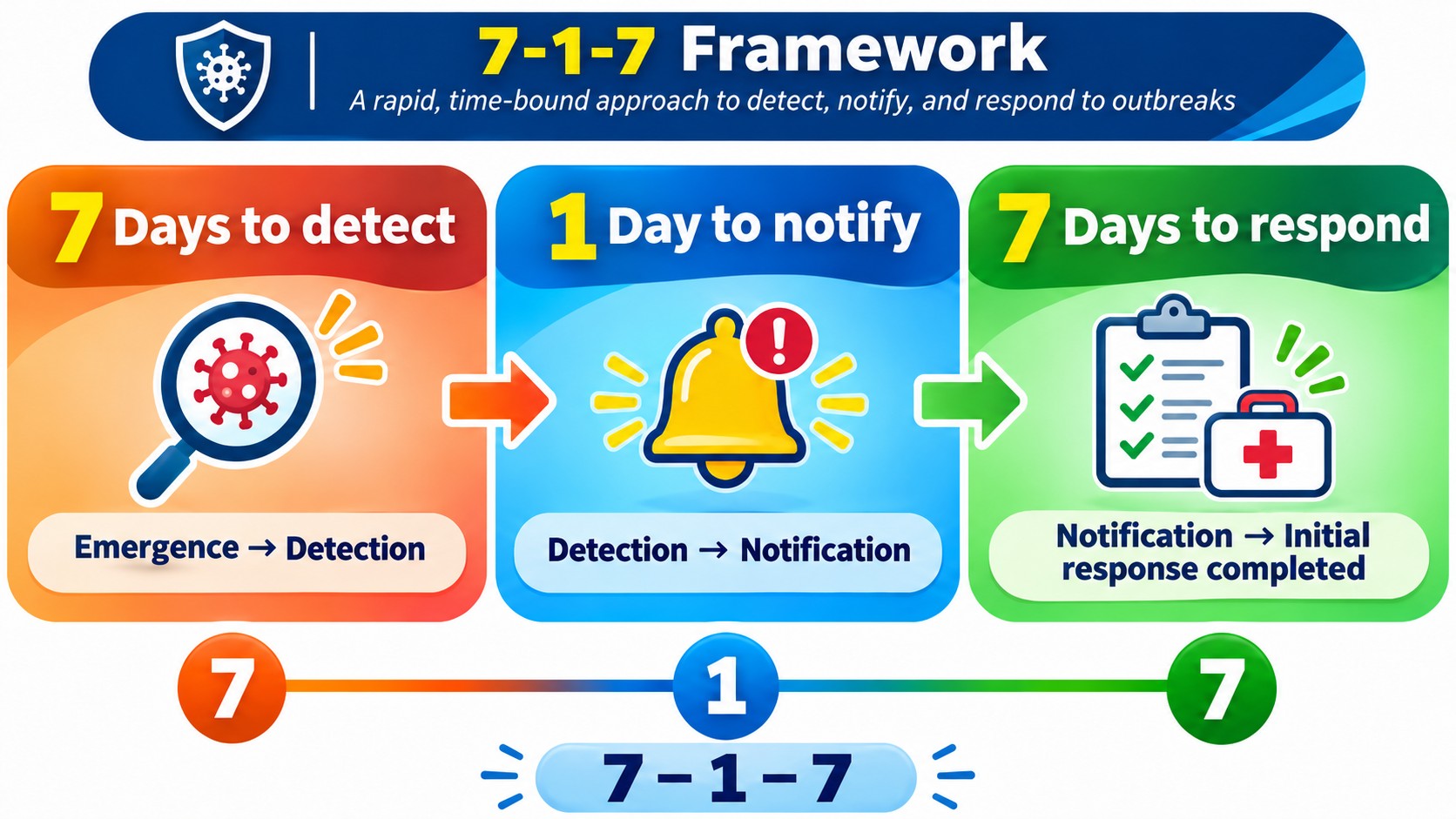
From Detection to Action: Implementing the 7-1-7 Framework to Strengthen Vietnam’s Epidemic Preparedness and Response  by Tham Chi Dung 

Aid is the ‘only hope’ for millions in Sudan, WFP chief warns, as funding cuts deepen hunger crisis

Meet the 6 candidates to lead the Food and Agriculture Organization

HRR843. BEING IMPARTIAL SIMPLY MEANS BELONGING TO THE PARTY IN POWER. (Guillermo Cabrera Infante)

India Has Reduced Poverty. The Question Is: By How Much?

Genocide Ruling Against Myanmar Sparks Rohingya Celebrations

Palestinians victims of a third of violations against children worldwide, Save the Children says

NGOs slam Russia, US snagging ‘killer robots’ talks

Special edition: COP31 enters final stretch with little progress on key climate issues

Carbon Emissions of Biggest U.S. Data Centers Already Rival Entire Countries, Study Reveals

What Is the True Cost of Climate Conferences? COP31 and the Failure to Challenge the Global Dynamics of Production and Consumption  by Juan Garay


What Is the True Cost of Climate Conferences? COP31 and the Failure to Challenge the Global Dynamics of Production and Consumption

IN A NUTSHELL
Author's note
The annual United Nations Climate Change Conferences have become the central arena for international climate diplomacy. Yet, after more than three decades of negotiations, greenhouse gas emissions remain at extraordinarily high levels, ecological degradation continues, and the inequalities underlying the climate crisis remain largely unchallenged. COP31, taking place in Antalya, Türkiye, from 9 to 20 November 2026, provides an opportunity not only to assess the effectiveness of climate negotiations but also to question the cost, scale and contradictions of the COP process itself.

This article examines the financial, environmental and political costs of these conferences, including international travel, large-scale organisation and the influence of powerful economic interests. It argues that the transition to renewable energy and circular economies, although essential, cannot by itself resolve a crisis rooted in excessive production, consumption, resource extraction, global trade and unequal distribution.

The article advances a universal ethical framework of 1.6 tonnes of CO₂ per person per year, including approximately 0.6 tonnes allocated to essential collective services and infrastructures. This would leave an indicative individual responsibility target of approximately one tonne per person per year. Such a framework must be understood not as a restriction on human dignity, but as a means of making dignity universally possible within planetary boundaries.

The article calls for a profound transformation towards simpler lives, local and regenerative economies, global collaboration, fairer distribution of resources and political leadership based on personal ecological responsibility

By Juan Garay  

Co-Chair, Sustainable Health Equity Movement (SHEM)

Professor and Researcher in Health Equity, Ethics and Metrics

Founder, Valyter Ecovillage

By the same Author on PEAH: HERE

What Is the True Cost of Climate Conferences? COP31 and the Failure to Challenge the Global Dynamics of Production and Consumption

Beyond renewable energy and circular economies: towards a universal ethical threshold, social and ecological justice, and a dignified simplicity of life


  1. COP31: another climate summit, or an opportunity to question the system?

The thirty-first Conference of the Parties to the United Nations Framework Convention on Climate Change (COP31) is taking place in Antalya, Türkiye, from 9 to 20 November 2026. These annual meetings bring together governments, international organisations, scientists, businesses, financial institutions and civil society to negotiate responses to the climate crisis.

Their historical importance should not be underestimated. The COP process has established a global framework for climate negotiations, helped develop scientific and political consensus, and produced agreements that would have been difficult to achieve through any other international mechanism. The Paris Agreement remains a landmark in this respect [1].

Nevertheless, the fundamental question is increasingly unavoidable: what is the true cost of these conferences, and what proportion of their enormous efforts is translating into the structural changes required to protect humanity and the planet? Previous analysis of the COP process has also questioned whether these conferences are capable of reversing the increasingly destructive trajectory of human activity [2].

COP31 has attracted approximately 92,000 registered participants, according to reporting during its first week, making it the largest climate summit to date [3]. The scale of this mobilisation raises legitimate questions about the resources required to organise the event, the emissions generated by participants travelling from around the world, and the effectiveness of a process that has become increasingly complex and expensive.

These questions are not arguments against international cooperation. On the contrary, global collaboration is indispensable. Climate change cannot be addressed by isolated national policies, and the countries and populations most vulnerable to its consequences must have a meaningful voice in decisions that affect their survival.

But cooperation should not be confused with the perpetuation of an institutional process that has become insufficiently accountable for its own environmental and political footprint.

The challenge is not simply to organise better climate conferences. It is to ensure that the conferences themselves contribute to changing the economic and social dynamics that make climate destruction possible.

  1. The financial and ecological cost of COPs

The financial cost of a COP is distributed across many budgets and institutions. It includes the host country’s infrastructure and security expenditure, the UNFCCC’s organisational costs, national delegations, accommodation, transport, catering, temporary installations, communications and the participation of thousands of organisations and businesses.

There is no single, consistently reported global accounting framework that captures the full financial and ecological cost of each conference. This absence is itself a governance problem.

A serious assessment should include:

  • Public expenditure by host governments and participating countries.
  • The cost of temporary buildings, installations, security and event infrastructure.
  • International and domestic air travel, accommodation and local transport.
  • The emissions associated with food, energy, materials, construction and waste.
  • The private-sector expenditure and financial interests represented at the event.
  • The opportunity cost of resources that could otherwise support climate adaptation, public health, ecological restoration and vulnerable communities.

The emissions footprint is particularly important. Thousands of people travelling internationally, often over considerable distances, inevitably generate emissions. Private aviation adds another dimension to the contradiction.

During COP31, reporting based on Oxfam analysis identified 94 private jet flights to Antalya during the period immediately preceding the conference, substantially above the usual level. This does not establish the complete footprint of the summit, but it illustrates why the travel and consumption patterns surrounding climate diplomacy deserve scrutiny.

A conference that asks humanity to reduce emissions must be prepared to measure and disclose its own.

The proposal advanced here is that every COP publish an independently audited financial and environmental account, including the emissions generated by its organisation and participants. This should be accompanied by a transparent assessment of the climate and social benefits achieved through the conference, rather than relying only on declarations, pledges and the number of participants.

The objective should be to make future conferences smaller, more efficient, more accessible to vulnerable countries and less carbon-intensive, while preserving the global dialogue that makes them necessary.

  1. The missing universal ethical threshold

One of the most important omissions in climate diplomacy is the absence of a sufficiently clear and universally applicable ethical reference for the emissions attributable to human activities.

The scientific community has established carbon budgets and temperature goals, particularly through the work of the Intergovernmental Panel on Climate Change. These provide essential guidance on the physical limits within which humanity must operate [4]. The UNEP Emissions Gap Report also highlights the distance between current national commitments and the emission reductions needed to meet global climate goals [5].

However, the scientific carbon budget and the ethical distribution of responsibility are not identical questions.

The first asks how much humanity can emit while limiting dangerous warming. The second asks how the remaining ecological space should be shared fairly between individuals, societies and generations.

This article advances a universal ethical reference of 1.6 metric tonnes of CO₂ per person per year, irrespective of nationality, income, social status or geographical location.

This proposed allocation includes approximately 0.6 tonnes per person attributable to essential collective services and infrastructures, such as healthcare, education, essential public transport and other basic services. The remaining approximately one tonne per person per year would constitute an indicative individual responsibility target.

These figures are a proposed ethical framework, not an officially adopted scientific or UN threshold. Their methodology, assumptions, accounting boundaries and periodic revision should be transparent and open to scientific and democratic scrutiny. In particular, the distinction between territorial and consumption-based emissions, the treatment of land-use change and the allocation of collective infrastructure emissions must be made explicit. Global emissions accounting and carbon-budget assessments provide important scientific foundations for this discussion [6].

The purpose is not to impose identical material conditions on everyone. It is to establish a shared ecological responsibility while recognising radically different starting points.

A person living in poverty, without access to adequate food, housing, healthcare, education or energy, cannot be expected to make the same choices as someone enjoying a highly carbon-intensive lifestyle. Nor should essential services be sacrificed to achieve an accounting target.

The ethical principle is precisely the opposite: every person should be able to live with dignity, while the collective and individual means of achieving that dignity remain within a fair share of ecological limits.

This requires a distinction between essential needs and excessive consumption, between public goods and private luxury, and between resources that enable human flourishing and those that primarily sustain accumulation.

The proposed threshold should therefore become part of a wider conversation about the distribution of ecological space, not merely another numerical target in climate negotiations.

  1. Political leadership must begin with personal responsibility

Climate agreements are ultimately implemented through decisions made by governments, institutions, businesses and individuals. Yet political leaders frequently ask populations to change their behaviour without demonstrating that they are prepared to apply comparable principles to their own lives.

The international climate process should establish a clear expectation that political representatives, ministers, negotiators and senior public officials know, measure and disclose their relevant carbon footprints.

This should include international travel, accommodation, housing, transport, consumption and other significant sources of emissions. It should also include a credible plan for progressively reducing their footprints.

This is not a proposal to exclude anyone from climate negotiations because their current emissions exceed an ethical reference. Such exclusion would be neither fair nor constructive. People and institutions must be able to participate in the process of transformation, including those whose starting point is far from the proposed target.

But participation should be accompanied by transparency and accountability.

Political leadership without personal ecological responsibility is an empty commitment.

If political leaders attending COP31 cannot demonstrate that they know their own carbon footprints, are committed to the proposed one-tonne individual responsibility target and are progressively reducing their emissions, how can they legitimately ask the rest of humanity to transform its way of life?

The same principle should apply to the institutions organising the conferences and to the economic actors seeking to influence their outcomes.

The objective is not moral perfection. It is consistency between public commitments and private conduct.

  1. Renewable energy and circular economies are necessary, but insufficient

The transition towards renewable energy is indispensable. Solar, wind and other renewable technologies can reduce dependence on fossil fuels, improve energy security and provide opportunities for more decentralised and equitable energy systems.

Circular economies can also reduce waste, extend the useful life of materials, improve repair and reuse, and limit the extraction of virgin resources.

However, neither renewable energy nor circularity automatically makes the present model of economic development sustainable.

A society can increase renewable electricity production while continuing to expand energy consumption, international transport, industrial agriculture, mineral extraction, digital infrastructure and unnecessary manufacturing.

A circular economy can still be an economy of excessive consumption if the total volume of materials and energy circulating through it continues to grow beyond ecological limits.

Efficiency gains can also be offset by increased consumption. More efficient vehicles, buildings and industrial processes do not necessarily reduce total emissions if the number of vehicles, buildings, products and journeys continues to increase.

This is why the climate debate must move beyond the question of how energy is produced and address the more fundamental question of how much energy and material humanity consumes, for what purposes, and who benefits.

A genuine transition requires:

  • Reducing unnecessary production and consumption.
  • Extending the lifespan of products and prioritising repair and reuse.
  • Replacing resource-intensive supply chains with more local and resilient systems wherever possible.
  • Supporting regenerative agriculture and food sovereignty.
  • Reducing unnecessary international transport and long-distance trade.
  • Protecting ecosystems and restoring biodiversity.
  • Ensuring universal access to essential services and dignified living conditions.

Renewable energy should support this transformation, not provide an excuse to perpetuate the same patterns of excessive consumption under a different technological label.

  1. Global trade, local resilience and the possibility of simpler lives

The global economy has developed a degree of interdependence that can be beneficial. International cooperation enables scientific exchange, access to medicines, the development of renewable technologies and the sharing of knowledge and resources.

But the expansion of global trade has also encouraged the movement of enormous quantities of goods over long distances, often when equivalent products could be produced closer to where they are consumed.

Food may travel across continents while local producers struggle to survive. Products may be manufactured through complex international supply chains, assembled, packaged, transported and marketed at substantial environmental and social cost. The financial price paid by consumers rarely reflects the full ecological damage or the conditions of workers involved in production.

The proposal advanced here is that the possibility of reducing the volume of unnecessary international trade by as much as 80% should be seriously examined as a long-term ethical and ecological objective.

This is a transformative proposal, not an established scientific optimum or an immediate across-the-board policy prescription. It would require detailed sectoral assessment, international cooperation and safeguards to protect food security, access to medicines, essential technologies, employment and the livelihoods of communities dependent on trade.

The principle is to distinguish between trade that genuinely contributes to human wellbeing and trade that exists primarily to sustain excessive consumption, financial accumulation and avoidable transport.

Local and regional economies should become more resilient, without turning into isolated or self-sufficient enclaves. Global collaboration remains essential, particularly in science, public health, climate adaptation, renewable-energy technologies and the protection of shared ecosystems.

The objective is not to close borders to knowledge or solidarity. It is to reduce unnecessary material movement while strengthening the exchange of what humanity genuinely needs.

Food sovereignty is an especially important example. Agroecological production, local distribution, seasonal diets, soil regeneration and community-based food systems can reduce dependence on long supply chains while improving biodiversity, livelihoods and access to healthy food.

Such a transformation would also reconnect human wellbeing with the natural cycles on which life depends.

  1. Social justice and ecological justice are inseparable

The climate crisis is not distributed equally. Those who have contributed least to global emissions often face the greatest consequences, while those who have benefited most from carbon-intensive development have greater financial and technological capacity to protect themselves.

The same inequalities are visible in access to healthcare, education, housing, water, food and other essential conditions for human dignity.

A climate strategy that reduces emissions while perpetuating extreme poverty and unequal access to resources cannot be considered sustainable. Equally, a strategy that promises universal prosperity through unlimited material growth is incompatible with planetary boundaries.

The challenge is to guarantee the conditions for a dignified life for everyone without reproducing the excessive consumption of the wealthiest societies.

Previous work published in PEAH has examined the relationship between emissions, human life-years lost and the ethical implications of unequal responsibility [7]. Further work has explored countries whose emissions exceed the proposed ethical threshold [8], as well as the distinction between basic dignity and excessive accumulation, including the implications of excess and hoarding thresholds for intergenerational equity [9].

The Sustainable Wellbeing Equity Index, developed in this wider field of research, seeks to contribute to the discussion by questioning conventional measures of development that rely heavily on national income and economic growth [10].

Gross Domestic Product can increase through activities that destroy ecosystems, generate pollution or create unnecessary consumption. It does not adequately distinguish between economic activity that improves human wellbeing and activity that undermines the conditions for life.

Nor does it sufficiently reflect the unequal distribution of resources or the consequences of excessive consumption for people living in economically disadvantaged countries.

The ethical question is therefore not simply how to create more wealth, but how to ensure that existing resources are distributed in ways that secure universal dignity while respecting ecological limits.

A fair climate transition must be redistributive as well as decarbonising.

  1. The cost of excess: from financial accumulation to ecological destruction

Excessive consumption is not simply a matter of individual lifestyle choices. It is embedded in economic structures that reward accumulation, encourage planned obsolescence, stimulate demand and treat continuous growth as an objective in itself.

Financial systems can further distance economic activity from the material and ecological consequences of investment decisions.

Large volumes of capital may be directed towards speculation, asset inflation and activities that generate financial returns without corresponding improvements in human wellbeing. At the same time, investment in essential public services, ecological restoration and basic infrastructure remains inadequate in many parts of the world.

Artificial intelligence may intensify these contradictions.

AI has enormous potential to support scientific research, improve healthcare, monitor ecosystems, optimise energy systems and expand access to knowledge. But its development is also associated with substantial energy and material demands, concentration of technological power, military applications and increasingly sophisticated financial speculation.

A previous analysis published in PEAH has examined the risks of AI when the global good is not the primary objective, particularly in relation to the concentration of power and financial speculation [11].

If AI is primarily developed to accelerate competition, maximise financial returns and concentrate control over resources, it risks reinforcing the inequalities that already undermine global sustainability.

The question is not whether technological progress should be rejected. It is whether technology should serve the global good or the accumulation of power and wealth by a small minority.

The ecological footprint of digital infrastructure, including data centres, computing equipment, water consumption and mineral extraction, should be measured and publicly disclosed. Its expansion should be assessed against its actual contribution to human wellbeing and environmental protection.

Technological innovation must be evaluated not only by its efficiency or profitability, but also by its distributional consequences and its compatibility with planetary boundaries.

  1. Simple living: an old idea with urgent contemporary relevance

The idea that human wellbeing does not require unlimited material accumulation is far from new.

In Plato’s Republic, the contrast between a city organised around basic needs and one transformed by luxury and expansion raises enduring questions about moderation, justice and the social consequences of excessive desire [12].

Epicurus associated a good life with the satisfaction of natural needs, friendship and freedom from unnecessary anxiety [13]. Laozi’s philosophy emphasised simplicity and harmony with the natural order [14].

Henry David Thoreau, in Walden, explored the possibility of a more deliberate life, questioning the assumption that material possessions and economic activity necessarily bring greater freedom [15].

Leo Tolstoy challenged the moral legitimacy of wealth and privilege while advocating simplicity, compassion and a closer relationship with ordinary human needs [16].

Mahatma Gandhi placed particular emphasis on self-restraint, village economies, nonviolence and the distinction between human needs and unlimited greed. His vision of self-sufficiency was not simply an economic model, but a political and ethical challenge to domination and excessive consumption [17].

E.F. Schumacher’s Small Is Beautiful later offered a critique of economic systems that measure progress primarily through scale, productivity and growth, rather than human wellbeing and ecological balance [18].

Tolkien’s The Lord of the Rings, through the contrast between the Shire and the destructive industrial ambitions of domination, offers another literary reflection on the value of modest living, community and respect for nature [19].

These traditions are not identical, and none provides a complete blueprint for contemporary global policy. Yet they converge on a fundamental insight: the quality of human life cannot be measured by the volume of material possessions or the speed of economic expansion.

Simple living should not be confused with poverty, deprivation or a romantic rejection of modern medicine, science and technology.

It means ensuring that everyone has access to the essentials of a dignified life while reducing unnecessary consumption, waste and dependence on systems that exploit people and nature.

It means valuing time, relationships, care, community, creativity and connection with the natural world.

A society in which people have enough, and in which everyone has the opportunity to live well, may be more sustainable and more humane than one in which a minority accumulates endlessly while others lack the means to meet basic needs.

  1. What civil society is telling the COP process

The criticism of the COP process is not confined to a small group of environmental activists. A wide range of civil society organisations and independent observers have raised concerns about the scale, transparency, influence and effectiveness of climate negotiations.

Greenpeace and other environmental organisations have repeatedly called for stronger action on fossil fuels and a transition that is not undermined by corporate influence [20].

Amnesty International has stressed the human rights implications of climate change and the importance of protecting communities affected by fossil fuel extraction and environmental destruction [21].

Human Rights Watch has highlighted the gap between climate commitments and the protection of people whose lives, health and livelihoods are threatened by environmental degradation [22].

Extinction Rebellion and other climate movements have challenged the political normalisation of ecological emergency and demanded that governments act in accordance with scientific evidence [23].

During COP31, these concerns have again been visible. Reporting by the Kick Big Polluters Out coalition identified more than 100 companies and industry associations linked to major polluting interests with delegations at the conference [24]. The Guardian reported that these included fossil fuel companies, financial institutions, industrial agriculture, technology businesses and other cross-sector organisations [25].

Transparency International has also raised concerns about the absence of sufficiently robust safeguards against conflicts of interest and undue influence in the COP process [26].

These reports do not demonstrate that every business representative or participant is acting improperly. Nor do they invalidate the role of businesses in developing and implementing climate solutions. They do, however, underline the importance of transparency, disclosure and independent oversight.

A climate conference cannot credibly negotiate the transformation of the global economy while leaving the influence of the most powerful economic interests insufficiently scrutinised.

The COP process must be open to civil society, indigenous peoples, local communities, independent science and vulnerable countries, with safeguards to ensure that participation does not translate into disproportionate power for those with the greatest financial resources.

  1. Global governance must serve humanity, not competing privileges

Climate change is a global problem requiring collective decisions. Yet international governance remains fragmented by national interests, geopolitical competition, economic privileges and unequal political power.

The consensus-based decision-making system of the COPs has helped preserve the participation of all countries, including small and vulnerable states. It also risks allowing a small number of governments to obstruct decisions supported by a much broader majority.

This dilemma should not be resolved by simply imposing the will of powerful countries on weaker ones. Any reform must protect the political equality and legitimate interests of small states and vulnerable populations.

But a system in which the interests of a few can repeatedly prevent collective action also requires reconsideration [27].

A more effective global governance framework should combine universal participation with transparent procedures, accountability and carefully designed decision-making mechanisms. It should protect the rights of vulnerable countries while making it more difficult for any government or powerful interest to block action essential to humanity’s common future.

The same principle applies to global public goods. Knowledge, scientific cooperation, essential medicines, climate information and technologies that support ecological sustainability should be treated as resources for humanity, not merely as instruments of geopolitical competition or private accumulation.

The climate crisis also exposes the contradiction between enormous military expenditure and the unmet needs of billions of people. Resources devoted to competition, weapons and geopolitical domination should be considered in relation to the investments required for health, education, food security, ecological restoration and climate adaptation.

A sustainable global order requires a shift from competition for privilege towards collaboration for shared wellbeing.

  1. Beyond the COP: a different set of priorities

If COP31 is to contribute to a meaningful transformation, its legacy should not be measured only by the number of declarations signed, the volume of financial pledges or the diplomatic language adopted.

It should be measured by whether it helps establish a new relationship between human wellbeing, economic activity and the natural world.

The following priorities are proposed for future climate conferences:

  1. Establish a universal ethical carbon framework.
    Recognise the proposed 1.6 tonnes of CO₂ per person per year, including approximately 0.6 tonnes allocated to essential collective services and infrastructures, as a basis for transparent discussion of fair individual and collective responsibility. Develop clear accounting methods and regular independent review.
  2. Require ecological accountability from political leaders.
    Encourage all ministers, negotiators and senior public representatives to measure, disclose and progressively reduce their carbon footprints, including the emissions associated with official travel and consumption.
  3. Publish the full financial and ecological cost of every COP.
    Include public expenditure, infrastructure, travel, accommodation, energy, materials, waste and emissions, alongside an assessment of the actual benefits achieved.
  4. Reduce the unnecessary scale and carbon intensity of international meetings.
    Use smaller delegations, regional preparatory meetings, remote participation where appropriate and more efficient organisation, while protecting the meaningful participation of vulnerable countries and civil society.
  5. Transform production and consumption.
    Move beyond technological substitution towards reductions in unnecessary material and energy use, longer product lifespans, repair, reuse, local production and regenerative economic systems.
  6. Strengthen local food sovereignty and community resilience.
    Support agroecology, sustainable land management, biodiversity, local distribution and access to healthy food, while ensuring that international cooperation protects essential food and medical supply chains.
  7. Put social justice at the centre of ecological transition.
    Guarantee access to essential services and dignified living conditions, address extreme inequalities in resources and consumption, and ensure that those who have contributed least to the crisis are not made to bear its greatest costs.
  8. Reform global governance and protect the public interest.
    Strengthen transparency, accountability and safeguards against conflicts of interest, while ensuring that the voices of vulnerable countries, indigenous peoples and local communities are not overshadowed by powerful governments and corporations.
  9. Direct technology and AI towards the global good.
    Assess their full ecological footprint and ensure that scientific innovation, digital infrastructure and financial systems contribute to health, equity, ecological restoration and shared knowledge rather than reinforcing concentration of wealth and power.

These priorities are not a substitute for the Paris Agreement or for the urgent need to reduce fossil fuel emissions. They are an attempt to address the deeper social and economic conditions that determine whether climate commitments can be achieved.

  1. The real measure of success

The COP process was created because humanity recognised that climate change cannot be solved by individual countries acting alone. That recognition remains valid and more urgent than ever.

But international cooperation must be judged by its capacity to transform reality, not by the continuity of its institutions.

The climate crisis is inseparable from the health crisis, the crisis of inequality, the loss of biodiversity, the depletion of natural resources and the concentration of economic and political power.

A world that continues to produce and consume without regard to ecological limits cannot be made sustainable simply by changing its energy sources. A world that tolerates extreme inequality cannot achieve a just ecological transition. And a global governance system that protects privileges more effectively than human dignity cannot provide the leadership required.

The proposed universal ethical threshold is an invitation to rethink responsibility, not to impose deprivation. Its purpose is to make it possible for everyone to live with dignity, with sufficient resources for health, education, food, shelter, mobility and participation in society, while respecting the ecological conditions on which all life depends.

This requires a different understanding of prosperity: less unnecessary consumption, more equitable access to essential resources, stronger communities, local resilience and global solidarity.

The true measure of climate diplomacy will not be how many people gather in a conference centre, how many declarations are signed, or how many investments are announced. It will be whether the lives of people and the health of ecosystems improve as a consequence of the decisions taken.

COP31 should therefore confront a question that reaches beyond the conference itself:

If the global climate process cannot establish a universal ethical responsibility, challenge excessive production and consumption, and demonstrate that political leaders are prepared to live by the principles they advocate, what kind of transformation is it actually asking humanity to undertake?

The alternative is not a return to poverty or technological stagnation. It is a future in which scientific progress, renewable energy, circular economies and global collaboration serve a more fundamental objective: enabling all people to live well, simply and with dignity, within the limits of a shared planet.

1.6 tonnes collectively, approximately one tonne of individual responsibility, dignity for all, and no exemption from ecological accountability for those who govern.


References

  1. United Nations Framework Convention on Climate Change (2015). The Paris Agreement.
    https://unfccc.int/process-and-meetings/the-paris-agreement
  2. Garay, J. (2025). COP30 Confirms the Near-Irreversible Path to Human Self-Destruction and Ecocide. PEAH – Policies for Equitable Access to Health.
    https://www.peah.it/2025/11/cop30-confirms-the-near-irreversible-path-to-human-self-destruction-and-ecocide/
  3. Earth.Org (2026). COP31: Week 1 Recap. 14 November 2026.
    https://earth.org/cop31-week-1-recap/
  4. IPCC (2023). Climate Change 2023: Synthesis Report. Intergovernmental Panel on Climate Change.
    https://www.ipcc.ch/report/ar6/syr/
  5. United Nations Environment Programme (2024). Emissions Gap Report 2024.
    https://www.unep.org/resources/emissions-gap-report-2024
  6. Global Carbon Project. Global Carbon Budget. Annual assessment of global carbon emissions and carbon sinks.
    https://globalcarbonproject.org/
  7. Garay, J. (2024). Human Ethical Threshold of CO₂ Emissions and Projected Life Lost by Excess Emissions. PEAH.
    https://www.peah.it/2024/07/13556/
  8. Garay, J. (2024). Homo Interitans: Countries that Escape, So Far, the Human Bio-Suicidal Trend. PEAH.
    https://www.peah.it/2024/09/13667/
  9. Garay, J. (2024). Enough is Enough, and More is Too Much: Between Basic Dignity and Excess/Hoarding Thresholds. PEAH.
    https://www.peah.it/2024/11/enough-is-enough-and-more-is-too-much-between-basic-dignity-and-excess-hoarding-thresholds/
  10. Garay, J. (2025). The Sustainable Wellbeing Equity Index. PEAH.
    https://www.peah.it/2025/01/14273/
  11. Garay, J. (2025). The Inequity Risks of AI When the Global Good Is Not the Goal. PEAH.
    https://www.peah.it/2025/09/15065/
  12. Plato. The Republic. Particularly Book II, on the emergence of the city, needs, luxury and justice.
  13. Epicurus. Letter to Menoeceus and Principal Doctrines.
  14. Laozi. Tao Te Ching.
  15. Thoreau, H. D. (1854). Walden; or, Life in the Woods.
  16. Tolstoy, L. (1886). What Then Must We Do?; and (1893) The Kingdom of God Is Within You.
  17. Gandhi, M. K. Sarvodaya and writings on self-restraint, village self-sufficiency and nonviolence.
  18. Schumacher, E. F. (1973). Small Is Beautiful: A Study of Economics as if People Mattered. Blond & Briggs.
  19. Tolkien, J. R. R. (1954–1955). The Lord of the Rings. George Allen & Unwin.
  20. Greenpeace International. Climate and Energy.
    https://www.greenpeace.org/international/
  21. Amnesty International. Climate Change and Human Rights.
    https://www.amnesty.org/en/what-we-do/climate-change/
  22. Human Rights Watch. Climate Change and Human Rights.
    https://www.hrw.org/topic/climate-change
  23. Extinction Rebellion. About Extinction Rebellion.
    https://rebellion.global/
  24. Kick Big Polluters Out (2026). Big Polluters at the COP31 Climate Talks. 13 November 2026.
    https://kickbigpollutersout.org/Big-Polluters-COP31
  25. Milman, O. (2026). More than 100 Companies and Groups Linked to Fossil Fuels Represented at COP31, Study Says. The Guardian, 13 November 2026.
    https://www.theguardian.com/environment/2026/nov/13/cop31-companies-and-groups-linked-to-fossil-fuels-delegations
  26. Transparency International (2026). COP31 Begins with Trust at Stake as Integrity Safeguards Remain Missing. 5 November 2026.
    https://www.transparency.org/en/press/cop31-begins-with-trust-at-stake-integrity-safeguards-remain-missing
  27. Mouterde, P. (2026). COP31: Can Global Climate Conferences Be Reformed? Le Monde, 8 November 2026.
    https://www.lemonde.fr/en/environment/article/2026/11/08/cop31-can-global-climate-conferences-be-reformed_6775144_114.html
Note on the ethical threshold: The 1.6-tonne total and its proposed allocation between essential collective services and individual responsibility are an ethical proposal advanced in this article. They should not be confused with an official UNFCCC or IPCC standard. Their application requires transparent accounting, scientific scrutiny and equitable treatment of different needs and circumstances.

From Available to Achievable: The Missing Journey Between Healthcare and Better Health

IN A NUTSHELL
Author's note
A treatment may exist without being reachable. A referral may be issued without the patient reaching the receiving facility. Health information may be distributed without being understood. A digital system may be introduced without the electricity, connectivity, trained personnel or workflows needed to make it useful.

These are not isolated inconveniences. They expose a fundamental challenge for health systems: the existence of a service does not mean that people can access it, use it appropriately or benefit from it.

Health systems invest in research, clinical guidelines, medicines, infrastructure, technology and workforce development. These investments matter. But an essential question sits between investment and impact: what happens between what a health system provides and what people actually gain from it?

The answer lies in a journey involving evidence, understanding, institutional readiness, implementation, access, trust and continuity. When the connections between these elements fail, the promise of healthcare can remain unrealised, even when individual components appear to be in place

By Edward Sseremba

Founder, Marvin Health Science Academy, Uganda

From Available to Achievable

The Missing Journey Between Healthcare and Better Health

Why Health Systems Must Look Beyond the Services They Provide to Understand Whether People Can Reach, Use and Benefit From Them


KEY POINTS

Health systems often measure what they provide, not what people are able to gain

The gap between availability and benefit is shaped by implementation, institutional capacity, access and continuity.

Patients, families and frontline workers may carry hidden work when services are fragmented

Equity requires examining who can benefit, who is left behind and what the system must change

The health benefit gap: when availability does not become benefit

Health systems commonly monitor activity: consultations held, medicines dispensed, people screened, health workers trained, referrals issued and facilities equipped. These indicators are necessary. They show what services and programmes have done. On their own, however, they cannot establish whether the intended population has received the expected benefit.

Consider a child living with sickle cell disease. Evidence-based guidance can inform diagnosis, prevention, monitoring and the management of complications. Yet the child’s health also depends on whether the family can attend follow-up appointments, obtain prescribed medicines, recognise warning signs, reach urgent care and maintain continuity between visits. A family may face transport costs, competing responsibilities, long waiting times, medicine stockouts, or difficulty knowing where and when to seek help. The clinical intervention may be known and the service may formally exist, while the practical conditions needed to benefit from it remain out of reach.

This is not an argument that every missed appointment or poor outcome is caused by a health-system failure. Outcomes are shaped by interacting clinical, household, community and institutional conditions. The distance between a service being available and a person being able to benefit from it is described in this article as the health benefit gap, an analytical term used to draw attention to that distance.

The issue is particularly important for sickle cell disease in sub-Saharan Africa. The World Health Organization’s 2026 guideline provides recommendations for the diagnosis, prevention and clinical management of sickle cell disease in children and adolescents. WHO has also highlighted the continuing burden of preventable childhood deaths and the need to expand access to appropriate, quality-assured and affordable care [1, 2].

A qualitative study at Mulago National Referral Hospital in Uganda explored barriers and facilitators to clinic attendance among children with sickle cell anaemia. Interviews with 10 caregivers and 10 healthcare workers identified interacting challenges: financial and geographical constraints, competing responsibilities, medicine supply problems, long waiting times, communication and appointment-coordination difficulties, and sociocultural factors [3]. The study offers valuable insight into one clinical setting and should not be mistaken for a national estimate. Its importance lies in showing that continuity of care is shaped by more than clinical recommendations alone.

The hidden work of getting care

One part of the health benefit gap is easy to overlook: the work that patients, families and frontline workers must perform to make fragmented systems function.

A caregiver may have to identify the right facility, arrange and pay for transport, interpret instructions, coordinate referrals, remember appointments and return for follow-up. When services do not connect reliably, families can become the people responsible for joining the pieces together.

Frontline health workers may carry additional work when they compensate for understaffing, unavailable medicines, incomplete records, weak referral links or unreliable equipment. The burden is not confined to patients; it can also be transferred to the staff trying to keep services functioning under difficult conditions.

Participation by patients and families is essential to good care. The problem is not that people have responsibilities. It is that avoidable complexity can shift excessive work onto those with the fewest resources to manage it.

A 2025 scoping review in Health Affairs Scholar identified 63 studies of patient-facing administrative burden in the United States. It described the non-clinical work patients undertake while seeking care, receiving services and following up to resolve problems. The authors noted that this work may be underestimated when administrative costs are measured mainly from the perspective of clinicians and organisations [4]. Because the review focused on US healthcare, its findings should not be taken as evidence of the scale of the problem in Uganda or other countries. It does, however, offer a useful lens for a broader question: how much of the work of accessing care is created by the way services are organised?

Repeated travel, complicated procedures, unclear instructions and multiple handoffs can make a nominally available service practically inaccessible. Access should not depend excessively on how much avoidable work a person can perform to obtain the care they need.

Understanding people without blaming them

In a recent encounter, I became concerned about a family caring for a critically ill child living with sickle cell disease. The caregiver had turned to herbal remedies and religious support while the child was not accessing formal medical care.

That observation cannot establish why the family was not accessing care, and it should not be generalised to other families. It does, however, raise questions that health professionals and health systems should be prepared to investigate. What had the family experienced during previous encounters with health services? Did they understand the seriousness of the child’s condition? Could they reach and afford care? Had they encountered delays, poor communication or difficulty obtaining medicines? What role did cultural beliefs, faith and community relationships play in their decisions?

These questions are not excuses for delaying necessary treatment. Herbal or religious practices must not replace or postpone urgent medical assessment, particularly when a child is critically ill. They are a reason to engage families respectfully, communicate clinical risks clearly and understand the circumstances shaping decisions.

Improving health-seeking behaviour requires more than telling people to use services. It also requires examining whether services are accessible, trusted, responsive and capable of meeting people’s needs. A health system should not wait until a patient reaches its doors to discover that access has failed.

Health literacy is also an institutional responsibility

Patients are encouraged to understand their conditions, follow treatment instructions, recognise warning signs and make informed decisions. These abilities matter. But healthcare organisations must also ask whether their own information, services and processes are understandable.

Can a caregiver easily identify where to seek help? Are instructions provided in a language and format people can understand? Can patients navigate referrals? Do facilities provide consistent information? Are services organised with the needs of people facing geographical, financial, disability-related or communication barriers in mind?

A technically accurate message is not effective communication if the intended audience cannot understand it or act on it. Counting educational sessions or materials distributed does not show whether people understood the information, could apply it or had the support needed to act safely.

Organisational health literacy places responsibility on institutions as well as individuals. A 2025 systematic review of 62 articles from 15 countries examined how healthcare organisations define, assess and implement health-literacy practices. It identified organisational approaches as important to accessibility and patient-centred care, while also noting barriers to implementation [5]. The practical implication is straightforward: health systems should make their pathways easier to understand, not merely expect patients to become better at navigating complexity.

Evidence must survive contact with reality

Scientific evidence is essential, but evidence does not implement itself. Translating knowledge into policy and practice is itself a recognised research priority [8].

A guideline may recommend an intervention that requires trained personnel, diagnostic equipment, reliable medicines, appropriate infrastructure and a functioning referral system. If these conditions are absent, implementation may be incomplete, inconsistent or unsustainable.

The same applies to technology. A digital health platform may improve data management and communication, but its usefulness depends on electricity, connectivity, equipment, staff training, data governance, interoperability and the ability of services to respond to the information generated.

Technology can strengthen health systems; it cannot independently repair every weakness in the systems into which it is introduced.

Implementation is therefore more than distributing guidelines, conducting training or purchasing equipment. It involves adapting evidence to local realities, preparing institutions, supporting health workers, engaging communities, monitoring performance and correcting problems.

The World Health Organization’s 2026 Health Reform Manual presents an eight-step approach to health-system reform, spanning the initiation of reform, assessment of system performance, diagnosis of underlying problems, selection of policy options, management of implementation and evaluation [6]. The manual reinforces an important principle: reform requires connected decisions and sustained implementation, not isolated technical fixes.

An intervention that works in a well-resourced hospital may require adaptation before it can work effectively in a rural health centre. Adaptation should preserve the intervention’s essential purpose while taking account of local resources, service organisation and population needs. Implementation must be both evidence-informed and context-responsive.

Equity is determined throughout the journey

Health equity is often discussed in terms of distributing facilities, medicines, services and information. Distribution matters, but equal distribution does not automatically create equal opportunity to benefit.

Two patients may receive the same referral, yet only one may be able to reach the receiving facility. Two families may receive identical health information, yet differ in their ability to understand it or act on it.

Two hospitals may receive the same guideline, yet have very different staffing, infrastructure and supply capacity to implement it.

“The intervention may be the same. The conditions for benefiting from it are not”

Inequity can emerge when evidence is translated into policy, when resources are allocated, when services are implemented, when people attempt to access care and when outcomes are measured. It should therefore be considered from the start of programme design, not added as a final evaluation question.

A 2026 scoping review of methods used to design, adapt and apply equity-focused implementation frameworks identified 40 relevant articles. Most originated in the United States, and only a small proportion described application in low- and middle-income country settings. The review highlighted the importance of community engagement and of tailoring methods to the ways of knowing and lived experiences of the communities concerned [7]. These findings do not mean that frameworks developed in high-income settings are automatically unsuitable elsewhere. They do underline the need to examine their assumptions and adapt them with, not merely for, the communities affected.

Equity is not achieved simply by offering everyone the same intervention. It requires understanding who can benefit under existing conditions, who cannot, and what changes are needed to make benefit more fairly achievable.

A practical pathway from evidence to benefit

How can health professionals, researchers and decision-makers examine the journey more systematically? One practical approach is to consider six connected stages. This pathway is an analytical synthesis proposed in this article. It is not a validated measurement instrument and should be adapted to the context in which it is used.

FIGURE 1 · The six-stage pathway from evidence to benefit

EVIDENCE – UNDERSTANDING – READINESS – IMPLEMENTATION – ACCESS & CONTINUITY – BENEFIT & EQUITY


1

Evidence

Is the knowledge reliable and relevant?

Does the intervention address a clearly identified need? Is it supported by appropriate evidence, and does that evidence reflect the population and setting in which it will be applied?


2

Understanding

Can people make sense of it?

Do professionals understand the recommendations? Can decision-makers interpret their implications? Can patients and communities understand the information that affects their choices?


3

Readiness

Can the system act?

Are workforce, infrastructure, equipment, medicines, financing, leadership and organisational arrangements in place to support delivery?


4

Implementation

Is the intervention actually delivered?

Does it reach the intended settings and populations? Is it delivered safely and consistently? Can the service sustain it?


5

Access and continuity

Can people obtain and continue receiving care?

Can patients reach services, afford associated costs, navigate the pathway, complete referrals and receive follow-up?


6

Benefit and equity

Are outcomes improving, and for whom?

Does the intervention produce the intended benefit? Who benefits least? Which groups remain excluded? What must change?

These stages are not a rigid sequence. They interact, and weakness in one can undermine the others. Communication cannot compensate for unavailable medicines. Infrastructure cannot guarantee continuity if referrals remain fragmented. Screening without confirmation and follow-up may identify a problem without ensuring that the person receives care.

Feedback from patients, families, communities and frontline workers should inform every stage. Their experiences are not simply stories to be collected after implementation; they are information that can help identify design failures, improve services and guide future decisions.

Five questions for an equity check

At every stage, decision-makers can ask five practical questions:

1 Who is being left behind?
2 What additional work must patients, families and health workers perform?
3 What resources are required to overcome the barriers?
4 Who is responsible when the pathway breaks down?
5 Does the system learn from the experiences of the people it serves?

These questions are intended to make the pathway usable across different services and settings. They are not a substitute for established implementation or equity frameworks. Rather, they provide a concise prompt for examining connections that can be missed when programmes are assessed one service or indicator at a time.

What should health systems measure differently?

Moving from availability to achievable benefit requires a broader approach to performance measurement. The objective is not to abandon conventional indicators, but to connect them to the outcomes and experiences they are intended to represent.

Programme What to Measure Beyond Activity
Screening programme Not only how many people were screened, but whether those with positive results receive confirmation, counselling, treatment and follow-up.
Referral system Not only how many referrals were issued, but whether patients reach the receiving facility and obtain the required care.
Health education Not only sessions held or materials distributed, but understanding, the ability to act on the information, and whether the intended service or behaviour becomes more achievable.
Sickle cell programme Not only hospital admissions, but early identification, continuity of care, preventive services, access to appropriate medicines, caregiver understanding and timely management of complications.
Technology programme Not only devices installed or records digitised, but whether digital tools improve decisions, coordination, access and continuity.

Where possible, results should be disaggregated by relevant factors such as geography, age, sex, disability and socioeconomic circumstances. Overall improvement can conceal persistent inequity if decision-makers cannot see who is benefiting and who remains excluded.

Rethinking sustainability

Sustainable healthcare is often framed in terms of maintaining facilities, financing services, adopting technology and keeping medicines in stock. All are important. But sustainability also depends on whether systems can consistently turn resources and knowledge into meaningful health improvement.

A digital system that cannot be maintained, a programme dependent on temporary funding, a referral pathway that repeatedly breaks down or a service that communities cannot afford may struggle to deliver lasting benefit.

Sustainability requires the workforce, governance, financing, infrastructure, information systems, community relationships and accountability needed to maintain effective services. It also requires recognising that healthcare does not operate separately from people’s lives. Transport, household income, education, housing, food security and other social conditions shape whether people can access and benefit from care.

A resilient health system is not simply one that continues operating under pressure. It is one that can identify who is being excluded, respond to changing needs, learn from failure and adapt without abandoning the people who depend on it.

Conclusion: the true measure of healthcare

Healthcare has advanced in scientific knowledge, clinical practice, technology and service delivery. The value of these achievements ultimately depends on whether they improve people’s lives.

A treatment may exist without being reachable. Information may be shared without being understood. A referral may be issued without being completed. A guideline may be adopted without the resources required to implement it. A service may be available without being affordable or sustainable.

When these gaps persist, patients and families are often left to navigate fragmented systems. Those with the fewest resources may also have the least capacity to overcome the barriers.

For health professionals, this means looking beyond the immediate clinical encounter to the conditions shaping outcomes. For researchers, it means examining not only whether interventions work, but how they are implemented, for whom they work and what prevents others from benefiting. For policymakers and health leaders, it means connecting commitments and funding to the realities of service delivery and people’s experiences. For communities, it means being recognised not merely as recipients of interventions, but as partners in shaping responsive and accountable systems.

Every health intervention should face a fundamental question: what must happen, and what must people overcome, before this intervention can genuinely improve their health?

The success of healthcare is not measured simply by what a system makes available. It is measured by what people can actually achieve with it, and whether that achievement is within reach of everyone who needs it.


 References

  1.  World Health Organization (2026). WHO consolidated guidelines for the management of common childhood illness: management of sickle-cell disease in children and adolescents. www.who.int/publications/i/item/9789240122666
  2. World Health Organization. (2026, 1 September). WHO moves to expand access to lifesaving sickle cell treatment and care for www.who.int/news/item/01-09-2026-who-moves-to-expand-access-to-lifesaving-sickle-cell-treatment-and-care-for-children3.
  3. Mwoko, , Kitimbo, J., Mupere, E., Geriga, F., & Ndeezi, G. (2026). Barriers and facilitators to adherence to clinic appointments among children with sickle cell anaemia attending Mulago National Referral Hospital, Uganda: A qualitative study. Student’s Journal of Health Research Africa, 7(3). doi.org/10.51168/56gzvs824.
  4. Kyle, A., Feng, K. Y., Wade, C. G., & Yaver, M. (2025). Patient administrative burden: A scoping review. Health Affairs Scholar, 3(11), qxaf216. doi.org/10.1093/haschl/qxaf2165.
  5. Defining, assessing, and implementing organizational health literacy: barriers, facilitators, and tools – a systematic review. (2025). BMC Health Services Research, 25, 599. org/10.1186/s12913-025-12775-w6.
  6. World Health Organization, Alliance for Health Policy and Systems (2026). Health reform manual: Eight practical steps. ahpsr.who.int/publications/i/item/health-reform-manual7.
  7. Kennedy, L. J., MacIntyre, G., Boulos, L., & Collins, S. E. (2026). Methods to design, adapt and apply equity-focused implementation science theories, models and frameworks in healthcare systems: A scoping review. Implementation Science Communications, 7, 94. doi.org/10.1186/s43058-026-00910-58.
  8. World Health Organization (2026, 11 March). Global research agenda on knowledge translation and evidence-informed policy-making: Prioritizing research for better decision-making. www.who.int/publications/i/item/9789240118867


ABOUT THE AUTHOR

Edward Sseremba is the founder of Marvin Health Science Academy (MHSA). He works at the intersection of clinical science, health communication and visual understanding, transforming complex health information into clear, actionable visuals without compromising scientific accuracy.

Connect with Edward on LinkedIn

From Detection to Action: Implementing the 7-1-7 Framework to Strengthen Vietnam’s Epidemic Preparedness and Response

IN A NUTSHELL
Author's note
The 7-1-7 framework is a practical approach for assessing and improving epidemic preparedness by targeting detection of a public health threat within seven days of emergence, notification to a responsible authority within one day, and completion of appropriate initial response actions within seven days of notification (WHO, 2023). 

Using an illustrative suspected rabies event in Ho Chi Minh city, this article shows how signals from communities, health facilities and veterinary services can trigger coordinated investigation, risk assessment, post-exposure prophylaxis and risk communication. The scenario is hypothetical and does not describe a documented outbreak. 

Drawing on WHO guidance and Vietnam's current surveillance regulation, the article proposes integrating 7-1-7 into existing event-based, indicator-based and community-based surveillance rather than establishing a parallel system (WHO, 2014; Vietnam MOH, 2026). Five priorities are recommended: national technical guidance and indicators; standardized event data and digital reporting; formalized human–animal–environment health coordination; implementation pilots in diverse provinces; and routine performance reviews. The One Health approach is particularly relevant for zoonotic threats (FAO et al., 2022). By identifying delays and enabling factors without assigning blame, 7-1-7 can help transform outbreak reporting into timely action and continuous system improvement. It should complement, not replace, legal reporting requirements or urgent clinical care

By Dr. Tham Chi Dung, MD., PhD.

Technical Expert for the Epidemic Preparedness and Response

Former Deputy Director, Research Institute of Health Sciences, Vietnam

From Detection to Action

Implementing the 7-1-7 Framework to Strengthen Vietnam’s Epidemic Preparedness and Response 

By the same Author on PEAH: HERE


  1. Applying the 7-1-7 Framework: An Illustrative One Health Rabies Scenario

In a community in Ho Chi Minh city in the Southern Vietnam, a dog suddenly develops unusual behavior and bites a resident. The family seeks prompt medical assessment, but the incident has not yet been recognized by the surveillance system as a potential community-wide public health threat. Two days later, veterinary authority’s investigators suspected rabies in the animal, which is subsequently laboratory-confirmed. The following day, the information reaches the provincial Center for Disease Control (CDC), triggering a coordinated response involving healthcare workers, veterinary officers, local authorities and community representatives. The scenario adapts the One Health rabies example which demonstrates the importance of early recognition, rapid information sharing and cross-sector coordination (FAO et al., 2022).

The 7-1-7 framework provides three measurable targets: detect a public health threat within seven days of its emergence, notify the responsible public health authority within one day of detection, and complete appropriate initial response actions within seven days of notification (WHO, 2023).

In this example, the event is first recognized on Day 2, notified on Day 3 and the initial response completed by Day 10. All three targets are achieved. However, achieving them requires more than recording dates; it requires a functioning surveillance and response system capable of transforming information into timely public health action (WHO, 2023).

The first step is collecting and documenting information. Community health workers, commune health stations, hospitals, laboratories and veterinary services should contribute to detecting unusual health events. Event-based surveillance (EBS), including community-based surveillance (CBS), can identify unusual signals, while indicator-based surveillance (IBS) monitors changes in disease patterns. The approaches complement one another (WHO, 2014).

For each event, health authorities document the date of emergence, first detection, first notification and completion of appropriate initial response activities. These dates allow the 7-1-7 intervals to be calculated and assessed. For endemic diseases such as dengue, emergence may be defined by exceeding a predetermined alert threshold; for a non-endemic disease, symptom onset in the first epidemiologically linked case may serve as the starting point (WHO, 2023).

The second step is rapid notification and coordinated action. Once the rabies event is detected, information must reach the competent health authority within one day. Veterinary and human health teams coordinate to identify exposed individuals, ensure timely post-exposure prophylaxis when indicated, investigate the incident and implement prevention measures. Crucially, immediate wound washing, clinical risk assessment and indicated prophylaxis must not be delayed pending animal testing or completion of 7-1-7 reporting (WHO, 2026).

The third step is completing the appropriate initial response. Actions may include field investigation, epidemiological analysis and risk assessment, laboratory confirmation, case management and infection prevention and control, community interventions, risk communication and interagency coordination. Not every event requires every intervention, but all response actions relevant to the specific event should be documented and completed as promptly as possible (WHO, 2023).

The fourth step begins during and after the initial response: learning from the event. Provincial CDC personnel and partner agencies review the timelines to identify what accelerated or delayed action. Was the warning recognized by the community? Was information transmitted rapidly? Were laboratory turnaround, transportation, staffing or cross-sector coordination barriers? These are the framework’s “bottlenecks” and “enablers” (WHO, 2023).

Finally, findings are translated into short- and long-term improvements. Immediate measures might include a shared Zalo communication group, the most popular social communication channel in Vietnam, clearer reporting responsibilities or refresher training. Longer-term solutions may include interoperable surveillance systems, workforce development, laboratory strengthening and dedicated financing. The purpose of 7-1-7 is not to penalize delays; it is to create a continuous learning process in which each event improves the response to the next (WHO, 2023).

  1. Five Priorities for Integrating 7-1-7 into Vietnam’s Health System

Vietnam has an established legal and operational framework for communicable disease surveillance and outbreak response. Circular No. 15/2026/TT-BYT, effective from 01 July 2026, includes provisions on surveillance, event-based information, risk assessment, alerts and outbreak response. The opportunity is therefore to embed 7-1-7 into existing reporting and response arrangements rather than introduce a parallel system (Vietnam MOH, 2026).

Five priority actions are recommended: (1) Develop national technical guidance and standardized indicators. The Ministry of Health, through the Vietnam Administration of Disease Prevention, should clarify milestone definitions, responsibilities across levels, data requirements and procedures for performance review. The 7-1-7 targets should supplement—not supersede—any shorter or otherwise legally required notification and response time limits (Vietnam MOH, 2026; WHO, 2023); (2) Integrate 7-1-7 into EBS, IBS and community surveillance. Provincial CDCs, commune health stations, healthcare facilities, laboratories and community collaborators should routinely capture key event dates. Digital tools, including Zalo mini-apps, web-based EBS platforms and standardized electronic forms, could support rapid reporting where feasible. Data should feed existing surveillance processes to minimize duplication and workload (WHO, 2014; Vietnam MOH, 2026); (3) Strengthen One Health coordination and accountability. Formal coordination arrangements should link human health, animal health and relevant environmental sectors. Designated contact points, rapid communication channels and joint risk assessment are particularly important for rabies, avian influenza and other zoonotic threats. Provincial authorities should periodically review performance in multisectoral meetings (FAO et al., 2022); (4) Pilot implementation before national expansion. Selected provinces and cities, including settings with ongoing EBS, IBS training and technical assistance, could test retrospective outbreak reviews, real-time tracking of new events, supportive supervision and documentation of lessons learned. Evidence from varied geographical settings should guide refinement of national implementation guidance (WHO, 2023); and (5) Institutionalize performance monitoring and continuous improvement. Each province should calculate the proportion of eligible events achieving each of the three milestones, identify recurrent bottlenecks and track corrective actions. Results can inform annual disease prevention plans, training, resource allocation and preparedness investment (WHO, 2023).

  1. Conclusion: Toward a Timelier and More Resilient Health System

The 7-1-7 framework offers Vietnam a practical opportunity to move from surveillance focused largely on reporting to a performance-oriented system connecting early warning with timely public health action. This direction is consistent with WHO guidance on early action reviews and its recommended integration of EBS and IBS (WHO, 2014; WHO, 2023).

Successful implementation will depend on national leadership, clear technical standards, stronger links between community and facility-based surveillance, effective One Health collaboration and appropriate digital reporting. Equally important is a supportive learning culture in which delays lead to system improvement rather than blame (WHO, 2023; FAO et al., 2022).

Ultimately, the value of 7-1-7 lies not merely in achieving three numerical targets but in ensuring that a warning signal identified in a village, hospital, laboratory or animal health facility rapidly leads to coordinated, proportionate action. By embedding this approach within existing systems and scaling it according to operational evidence, Vietnam could strengthen epidemic intelligence, preparedness and public health resilience.


References

Food and Agriculture Organization of the United Nations (FAO), United Nations Environment Programme (UNEP), World Health Organization (WHO) and World Organisation for Animal Health (WOAH) (2022) One Health Joint Plan of Action (2022–2026): Working together for the health of humans, animals, plants and the environment. Geneva: WHO. Available at: https://www.who.int/publications-detail-redirect/9789240059139/ (Accessed: 12 November 2026).

Ministry of Health of Viet Nam (2026) Circular No. 15/2026/TT-BYT dated 17 May 2026 detailing provisions of the Law on Disease Prevention. Official Government legal document portal. Available at: https://vanban.chinhphu.vn/?classid=1&docid=218141&orggroupid=4&pageid=27160 (Accessed: 12 November 2026).

World Health Organization (WHO) (2014) Early detection, assessment and response to acute public health events: Implementation of early warning and response with a focus on event-based surveillance. Geneva: WHO. Available at: https://www.who.int/publications/i/item/WHO-HSE-GCR-LYO-2014.4 (Accessed: 12 November 2026).

World Health Organization (WHO) (2023) Guidance and tools for conducting an early action review (EAR): Rapid performance improvement for outbreak detection and response. Geneva: WHO. Available at: https://www.who.int/publications/i/item/WHO-WPE-HSP-CER-2023.1 (Accessed: 12 November 2026).

World Health Organization (WHO) (2026) Rabies. WHO fact sheet, 17 September. Available at: https://www.who.int/news-room/fact-sheets/detail/rabies (Accessed: 12 November 2026).

—

Editor’s Note

On this topic on PEAH

Mobilizing Communities for Early Detection of Health Threats: A Conceptual Role for Community Health Workers in the 7-1-7 Framework  by Issa Barry 


News Flash 686: Weekly Snapshot of Public Health Challenges

News Flash Links, as part of the research project PEAH (Policies for Equitable Access to Health), aim to focus on the latest challenges by trade and governments rules to equitable access to health in resource-limited settings

Arch of San Felice, Gargano, Italy

News Flash 686

Weekly Snapshot of Public Health Challenges


Global Health Architecture Reform: From a Coordination Task to Structural Change

Meeting registration: Civil society briefing with Member States on the GHA reform process Nov 18, 2026

Meeting registration: JVP Health Advisory Council Webinar: “Repression and Resistance of Pro-Palestine Health Faculty and Professionals” Nov 22, 2026

What do the US midterm results mean for global development?

The Pitfalls of the So-Called Democratic System of the World’s Dominant Political, Economic and Military Power: The United States Through the Lens of Sustainable Health Equity  by Juan Garay 

From Climate Signals to Health Security: Operationalising One Health Governance in Zambia  by Kalolo Charles Chitembo 

Approved Abroad, Out of Reach at Home: Who Can Use India’s Personal Import Route for Medicines?  by Team NPP 

MSF Statement at the Open Plenary of the WHO Fair Pricing Forum 2026 

FDA Approves First Generic of HIV Prevention Drug, Lenacapavir

The Medicine Quality Monitoring Globe: A public health intelligence system for collecting and curating reports of substandard and falsified medical products from publicly available Internet news media 

DNDi eNews-November 2026 

Uneven and Fragile Progress Against Neglected Tropical Diseases – New WHO Report

Mobilizing Communities for Early Detection of Health Threats: A Conceptual Role for Community Health Workers in the 7-1-7 Framework  by Issa Barry 

Tobacco Taxes and Health Financing in the Eastern Mediterranean Region 

HRR842. PUBLIC HEALTH HAS LOST POLITICAL INFLUENCE, BECAUSE OF A MISMATCH BETWEEN KNOWLEDGE, MORAL AUTHORITY AND THE FORMS OF POWER THAT CURRENTLY SHAPE SOCIETY. (Jonathan Heller)

People’s Health Dispatch Bulletin #125: Health workers demand pharma overhaul and accountability for Israeli Medical Association

Israeli strike on Gaza hospital kills six Palestinians, health ministry says

Conference and Webinar 10 December 2026: Understanding and Fighting Healthocide

As Zimbabwe Expands Solar Power, Women No Longer Have to Give Birth by Candlelight 

UN elects five judges to International Court of Justice amid record cases

About the COP31 Conference

What We’re Watching at COP31

Guterres Targets Fossil Fuel Lobby as Leaders at COP31 Divide Over Debt, Finance and War

Brazil launches fossil fuel and forest road maps days before COP31

COP31: African Development Bank to Co-Lead Global Electrification Finance Initiative

Three-quarters of world’s displaced people face severe climate risks, UN says

Global benefits and costs of prioritized actions on climate change and health: technical report

John Kerry sees ‘turning point’ for climate after Democratic midterm wins

New Report Provides Roadmap for Weather-Smart Primary Care

AP Exclusive: Departing UN chief calls this ‘a moment of truth’ in fight to curb global warming


Mobilizing Communities for Early Detection of Health Threats: A Conceptual Role for Community Health Workers in the 7-1-7 Framework

IN A NUTSHELL
Author's note


Early detection is a critical determinant of effective public health emergency response. The 7-1-7 target provides a measurable performance framework: detect a public health threat within 7 days of emergence, notify the responsible public health authority within 1 day of detection, and complete seven early response actions within 7 days of notification. However, delays may occur before health threats reach formal surveillance structures.

This conceptual article argues that communities can provide an underused early observation layer for health threat detection and that community health workers (CHWs) can serve as an organized interface between community-level signals and formal surveillance systems. We propose a functional architecture in which CHWs recognize, minimally document, and rapidly communicate unusual health signals, while technical surveillance teams retain responsibility for triage, verification, epidemiological investigation, risk assessment, and response coordination.

The proposed architecture deliberately combines high sensitivity at the community interface with rapid downstream triage and progressively increasing specificity. It does not seek to turn CHWs into epidemiologists, decentralize diagnostic or epidemiological functions, or create a parallel surveillance system. Rather, its contribution is architectural: it connects community-based early warning to the temporal performance logic of 7-1-7 and seeks to reduce the distance between the emergence of a health threat and its recognition by the public health system. We conceptualize this arrangement as a « Community 7-1-7 Early Warning Function », integrated into existing surveillance structures and supported by simple operational definitions, training, supervision, reliable communication channels, feedback mechanisms, workload protection, and preparedness exercises.

Community proximity may represent an underused operational asset for health security. The proposed model provides a testable framework for integrating community-level signal detection with 7-1-7 performance improvement. Its effectiveness, feasibility, workload implications, and contribution to detection timeliness should be evaluated prospectively in different health-system and epidemiological contexts.

Mobilizing Communities for Early Detection of Health Threats

A Conceptual Role for Community Health Workers in the 7-1-7 Framework

By Issa Barry, MD, MPH

Public Health & Humanitarian Action

djambarry00@gmail.com

By the same Author on PEAH: HERE


Introduction

Public health emergencies begin in places where people live, work, travel, interact with animals, access health services, and experience changes in their environment. The first indication of a potential threat may therefore appear outside formal surveillance structures: a cluster of unusual illness, an unexpected death, an unexplained animal event, an unusual environmental change, or a community perception that something is different from usual. The capacity of health systems to recognize such signals rapidly is a fundamental component of health emergency preparedness.

The 7-1-7 target was developed to translate this principle into measurable performance objectives. It proposes that public health threats should be detected within 7 days of emergence, notified to an appropriate public health authority within 1 day of detection, and followed by completion of seven early response actions within 7 days of notification.[1,2] Importantly, 7-1-7 is not simply a set of retrospective indicators. It is intended as a performance improvement approach through which real-world events can reveal operational bottlenecks and inform corrective action.[1,2]

Evidence from multiple countries illustrates the scale of the challenge. In a retrospective assessment of 41 public health events in Brazil, Ethiopia, Liberia, Nigeria, and Uganda, 22 events (54%) met the 7-day detection target, 29 (71%) met the 1-day notification target, and 20 (49%) completed early response actions within 7 days. Only 11 events (27%) met all three targets.[3] Detection bottlenecks were frequently identified at the health-facility or community level, whereas notification and response bottlenecks were more often located at intermediate public health levels.[3] More recent implementation experience in Uganda similarly showed that only 10 of 42 assessed events (24%) met all three components of the target, while systematic use of 7-1-7 helped identify recurrent bottlenecks and inform preparedness and response improvement.[4]

These findings raise an important question: if delays can occur close to where health threats first become visible, could health systems strengthen their capacity to detect signals by systematically bringing the first point of observation closer to communities?

Community-based surveillance is not a new concept. The World Health Organization Regional Office for Africa has developed specific guidance and training materials for establishing community-based surveillance, including the identification of public health events at community level, simplified case definitions, reporting structures, communication mechanisms, supervision, and feedback.[5,6] Community health workers have subsequently contributed to surveillance and epidemic response in a wide range of low- and middle-income settings.[7]

A recent scoping review of evidence from 25 low- and middle-income countries found that CHWs contribute to surveillance through activities including data collection, screening, reporting, health education, community engagement, and other functions related to epidemic control.[7] At the same time, the review identified persistent constraints involving training, financial and material resources, logistics, infrastructure, workload, and community engagement.[7] Community-based surveillance should therefore not be regarded as inherently effective simply because it is community-based.

The proposition developed in this article is narrower and more specific. It is not that CHWs should simply be added to existing surveillance systems. Rather, their proximity to communities could be deliberately organized as an early observation layer within the 7-1-7 performance architecture.

This distinction is central to the proposed model. Decentralizing the first point of detection does not imply decentralizing diagnostic confirmation, epidemiological investigation, risk assessment, or response decision-making. The proposed approach instead seeks to reduce the distance between the emergence of an unusual event and its recognition by the formal public health system.

The contribution of this article is therefore architectural rather than role-definitional. The role of CHWs in surveillance is already documented. What is proposed here is a functional architecture that explicitly connects community-level signal detection to the temporal performance framework of 7-1-7.

Communities as an Early Observation Layer

Community participation in health security is often discussed in terms of engagement, trust, risk communication, acceptance of public health interventions, and resilience. These functions are essential, but communities can also contribute directly to the generation of information about emerging health threats.

The conceptual advantage of the community is proximity. People living within communities may be among the first to observe changes in patterns of illness, deaths, animal morbidity or mortality, environmental conditions, or social behaviors. This proximity does not mean that community members possess epidemiological expertise. Rather, it means that they occupy a position from which certain signals may become visible before they reach formal surveillance channels.

This principle is already embedded in community-based surveillance guidance. The WHO African Region’s guidance describes community-based surveillance as a mechanism through which trained community informants identify and report events of public health significance.[5] The accompanying training manual provides community-level case definitions, reporting procedures, communication structures, timelines, supervision, and feedback mechanisms.[6]

The existence of such guidance is important because it demonstrates that community-level observation is not a novel institutional concept. What remains less explicitly developed is its integration into a measurable performance framework for early detection.

The 7-1-7 approach creates an opportunity to make this connection. The 7-1-7 Digital Toolkit defines detection as the first recognition of a public health event by any source or system and explicitly allows this to occur within a community, health facility, laboratory, or surveillance system.[1] For event-based surveillance, the first recording of an event may, for example, be made by a community health worker or hotline operator.[1]

This has an important implication: the starting point of the 7-1-7 clock does not necessarily need to be located within a health facility or district surveillance office. It can begin where the signal first becomes visible.

The proposed model builds on this principle by treating the community not merely as an additional reporting source, but as a potentially organized first-mile detection interface.

From Community Engagement to Operational Early Warning

Community engagement is frequently intensified during outbreaks, when authorities need communities to adopt preventive measures, report suspected cases, support contact tracing, or accept public health interventions. However, engagement that begins only after an emergency has been recognized cannot fully address the earliest stage of detection.

Operational community participation therefore needs to be established before emergencies occur. Preparedness should include mechanisms through which communities understand what types of unusual events should be communicated, whom to contact, how information will be transmitted, and what feedback can be expected.

This approach is consistent with the broader evolution of health emergency preparedness. WHO’s health emergency preparedness, response and resilience architecture places collaborative surveillance and community protection among interconnected systems required to prevent, prepare for, detect, respond to, and recover from health emergencies.[8,9] The WHO framework on collaborative surveillance emphasizes the need to strengthen surveillance across diseases and threats, sectors, emergency cycles, and geographical levels, including the use of locally generated information for local decision-making.[9]

The implication is not that all surveillance should be transferred to communities. Rather, surveillance should become more connected across levels, allowing information to move rapidly in both directions.

The same principle is reflected in the WHO’s 2026 guidance on essential functions of community health workforces for public health emergency risk management. The guidance emphasizes that emergencies begin and end in communities and that local and community capacities are therefore critical to effective prevention, detection, and response.[10]

The recently published Emergency Ready Primary Health Care framework further reinforces this direction by positioning emergency readiness within routine primary health care systems and defining interconnected capacities to connect, detect, protect, and treat across national, subnational, facility, and community levels.[11]

Taken together, these developments support a shift from viewing communities solely as recipients of emergency interventions toward recognizing them as potential contributors to the information architecture required for health security.

Community Health Workers as an Interface Between Communities and Surveillance Systems

Community health workers occupy a particularly important position within this proposed architecture because they are embedded within communities while maintaining an operational relationship with the health system.

Their comparative advantage is not that they are better epidemiologists than surveillance officers. It is their proximity, accessibility, familiarity with local conditions, and capacity to communicate in ways that are socially and operationally acceptable within their communities. [7,10] These characteristics make them potentially valuable intermediaries for the rapid capture and transmission of early signals.

The role proposed here is deliberately limited and practical. CHWs would not be expected to diagnose unusual diseases, confirm outbreaks, conduct epidemiological investigations, or independently determine whether an event constitutes a public health emergency. Their role would be to recognize predefined or broadly described unusual signals, document a minimum set of information, and communicate those signals rapidly through an established channel.

This distinction is particularly important in settings where community health workers already carry substantial responsibilities. Evidence from Burkina Faso illustrates both the potential and the constraints of this model. Community-based health workers were expected to recognize suspected epidemic-prone diseases and unusual health events and report them to health professionals. However, their ability to perform these functions was affected by limitations involving training, reporting materials, financial incentives, transport, connectivity, workload, and the availability of personnel.[12]

Proximity alone therefore does not produce effective surveillance. A community-based early warning function requires a functioning interface with the technical surveillance system.

This is consistent with the broader literature on community-based surveillance. Guerra et al. found substantial heterogeneity in how community-based surveillance has been defined and implemented, highlighting the importance of clearly specifying the actors, events, reporting mechanisms, supervision arrangements, and relationships with the formal health system.[13]

The principle can therefore be stated simply: We do not need to make community health workers epidemiologists. We need to give them simple, practical tools that allow them to recognize and communicate potentially important signals.

Connecting Community Detection to the 7-1-7 Framework

The central proposition of this article is to connect community-based early warning explicitly to the temporal performance architecture of 7-1-7.

The proposed sequence is:

Community observation → signal recognition → minimal documentation → rapid alert → technical triage and verification → epidemiological assessment → risk assessment → response coordination.

Within this sequence, the community constitutes an early observation layer, CHWs act as the operational interface, and technical surveillance structures retain responsibility for functions requiring specialized expertise.

This distinction is central to the proposed model: decentralizing the first point of detection does not imply decentralizing diagnostic confirmation, epidemiological investigation, risk assessment, or response decision-making.

The potential contribution of this architecture is therefore to shorten the distance between the emergence of an unusual event and its recognition by the formal public health system.

This is particularly relevant because the 7-1-7 framework treats detection as the first measurable milestone in the response chain. If detection occurs only after an event has reached a health facility or conventional surveillance reporting pathway, the system may already have lost part of the available response time.

Bringing an organized observation function closer to communities could, in principle, reduce this initial delay. However, this remains a hypothesis that requires prospective evaluation.

The proposed architecture is also consistent with the concept of collaborative surveillance. WHO describes collaborative surveillance as a systematic strengthening of capacity and collaboration among diverse stakeholders to enhance public health intelligence and improve evidence for decision-making. [8,9] The proposed community interface can be understood as one component of such a multi-level surveillance architecture rather than as an alternative to it.

Sensitivity, Triage, and the Management of Uncertainty

A community-level early warning system necessarily operates under uncertainty. Signals generated close to the community may be incomplete, imprecise, or ultimately unrelated to a public health threat. This is an inherent characteristic of early warning rather than necessarily a failure of the system.

The key design question is therefore where specificity should be introduced.

At the community interface, the system should prioritize sensitivity: potentially important signals should not be missed simply because community observers lack the information required to make a definitive judgment. Downstream, technical surveillance teams can progressively increase specificity through verification, investigation, laboratory testing where appropriate, epidemiological analysis, and risk assessment.

The proposed architecture can therefore be summarized as:

The optimal threshold for community-level reporting should prioritize early signal capture, provided that downstream triage capacity is sufficiently rapid and robust to manage false-positive signals.

This is not an argument for indiscriminate reporting. Excessive signal generation can overwhelm surveillance teams, create alert fatigue, increase workload, and weaken the credibility of the reporting mechanism. The appropriate balance between sensitivity and specificity must therefore be determined according to the epidemiological context, available resources, communication infrastructure, and capacity of technical teams to process incoming signals.

Evidence from Côte d’Ivoire is particularly instructive in this regard. The country’s community-based surveillance experience demonstrated the feasibility of training CHWs to detect and immediately report priority diseases and unusual health events using a mobile communication platform. [14] At the same time, the experience illustrates why community-generated signals must be linked to mechanisms capable of reviewing and verifying incoming information rather than being treated as confirmed events.

The fundamental principle is therefore functional separation rather than simple decentralization. CHWs detect and communicate; technical teams assess and decide.

Operationalizing a Community 7-1-7 Early Warning Function

We conceptualize this arrangement as a Community 7-1-7 Early Warning Function. The term refers to a proposed operational function, not to an existing WHO or 7-1-7 Alliance institutional structure.

This distinction should remain explicit throughout implementation discussions. The proposal is not to establish a new institutional body competing with existing surveillance structures. Rather, it is to define a function that can be integrated into existing community-based and district surveillance systems.

The proposed function would include four interconnected components.

First, CHWs would receive simple and context-specific operational definitions of unusual signals. These definitions should be sufficiently clear to support recognition without requiring diagnostic expertise. Depending on the context, signals could include unusual clusters of illness, unexpected deaths, unusual neurological or hemorrhagic syndromes, unexplained animal deaths, or other locally relevant events.

Second, reporting channels should be simple, accessible, and reliable. Depending on the context, communication could use mobile applications, SMS, telephone calls, messaging platforms, or existing health-system reporting mechanisms. The technological solution should follow the operational requirement rather than become the objective.

This is particularly important in settings where digital systems are fragmented. Recent qualitative work in the Democratic Republic of the Congo documented the coexistence of formal digital platforms and informal communication tools, including messaging applications, alongside paper-digital double entry, connectivity constraints, infrastructure limitations, and institutional fragmentation. [15] These findings reinforce the importance of designing reporting mechanisms around actual workflows rather than assuming that a new digital platform will automatically improve surveillance.

Third, incoming signals should be connected to a defined technical triage mechanism. The surveillance team responsible should have clear procedures for acknowledging, reviewing, verifying, escalating, or closing signals. A reporting system without a functioning triage mechanism risk becoming a repository of alerts rather than an early warning system.

Fourth, the system should provide feedback to communities and CHWs. Feedback is not merely a motivational intervention. It closes the information loop, strengthens trust, improves learning, and allows reporting actors to understand how their information contributed to public health action.

The proposed function should therefore be embedded within existing district surveillance structures, emergency operations mechanisms, and relevant referral or investigation pathways wherever possible. Its purpose is to strengthen the first mile of detection rather than create another institutional layer.

Preparedness Requirements

A community-based early warning function cannot be improvised during an emergency. Its effectiveness depends on preparedness.

At district level, preparedness should begin with an assessment of existing surveillance capacities, communication channels, human resources, logistical constraints, coordination arrangements, and response resources. This assessment should identify where signals currently originate, how they move through the system, where delays occur, and which actors are responsible for each stage.

This approach is consistent with the 7-1-7 methodology, which emphasizes identifying bottlenecks and enabling factors across the detection, notification, and early response processes and translating these findings into corrective actions. [1,2]

Multidisciplinary teams should then define roles and communication pathways involving surveillance officers, health-care providers, CHWs, laboratories, emergency operations structures, and other relevant sectors. Regular simulation exercises can test whether information moves rapidly from the community to the appropriate technical level and whether the system can translate a signal into verification and action.

Training should extend beyond CHWs themselves. Technical surveillance personnel also need to understand how community-generated information should be interpreted and managed. Similarly, CHWs need to understand what happens after they submit a signal. This shared understanding is essential for creating an integrated system rather than two disconnected levels of surveillance.

Practical barriers must also be addressed. Evidence from Burkina Faso demonstrates that reporting materials, transport, connectivity, training, workload, incentives, and supervision can influence the ability of CHWs to perform surveillance functions effectively. [12] A community-based early warning function should therefore be accompanied by realistic workload assessment, supportive supervision, appropriate communication resources, and mechanisms for maintaining CHW motivation and retention.

Preparedness is not simply a training activity. It is the process of ensuring that people, information, communication channels, responsibilities, and response resources are sufficiently organized before an event occurs.

From Community Signals to Effective Detection

An important conceptual distinction must be made between signal generation and event confirmation.

A community signal should not automatically be equated with a detected outbreak. Instead, it should represent the earliest available indication that an event may warrant technical attention.

This distinction allows the proposed model to accommodate the uncertainty inherent in early warning.

For example, a CHW may observe several people in a community presenting with an unusual syndrome. The CHW does not need to determine whether the cluster represents an outbreak. The responsibility is to recognize that the occurrence differs from the expected pattern, document the available information, and transmit the signal.

The technical surveillance system then determines whether the signal is credible, whether further information is needed, whether an investigation should be initiated, and whether the event meets the criteria for escalation.

This functional separation also helps clarify the meaning of the 7-1-7 detection milestone. The objective is not necessarily to establish definitive diagnosis within seven days of emergence. Rather, the objective is to ensure that a potential public health threat is recognized sufficiently early for the health system to initiate appropriate action.

This interpretation is consistent with the 7-1-7 toolkit, which distinguishes detection from laboratory confirmation and recognizes that laboratory confirmation may itself form part of early response activities.[1]

The model therefore proposes a deliberate redistribution of surveillance effort:

  • At the community interface: maximize recognition and rapid transmission of potentially important signals.
  • At the technical level: maximize the quality, specificity, and interpretability of
  • At the response level: translate validated information into coordinated

The objective is not to make each level perform every function. It is to ensure that the functions are connected without unnecessary delay.

Relevance to African Health Systems

The proposed approach may be particularly relevant in settings where communities are geographically dispersed, access to formal health services is uneven, and health systems depend substantially on community-based health workforces.

The WHO African Region has long promoted community-based surveillance as part of the broader Integrated Disease Surveillance and Response architecture. [5,6] This provides an important institutional foundation for the proposed model.

The Côte d’Ivoire experience illustrates the feasibility of mobilizing CHWs for community-based surveillance. In a project implemented in districts along the Guinea border, CHWs were trained to detect and immediately report priority diseases and unusual health events through a text-messaging platform.[14] This demonstrates that community-level reporting can be operationalized within an existing health system, although it does not by itself establish that such an approach improves 7-1-7 performance.

The convergence between existing community-based surveillance capacity and the country’s recent adoption of 7-1-7 is therefore particularly relevant. In April 2025, the Institut National d’Hygiène Publique and the Ministry of Health formalized the adoption of the 7-1-7 approach in Côte d’Ivoire.[16] This creates a potentially favorable policy environment for testing whether community-based detection can be explicitly connected to 7-1-7 performance improvement.

The proposed model should nevertheless not be presented as uniquely applicable to Côte d’Ivoire. Its broader relevance lies in settings where community health workforces, district surveillance structures, and emergency preparedness systems already coexist but are not necessarily connected through an explicit early detection architecture.

African health systems should therefore seek to move beyond rhetorical commitments to community participation and define concrete functions through which communities contribute to preparedness, detection, response, and recovery.

The objective is not to transfer responsibility for health security to communities. It is to recognize and organize capacities that already exist within them.

Discussion

The central proposition of this article is that the first point of detection should be considered as a strategic design feature of health emergency surveillance systems.

Existing evidence already establishes that CHWs can contribute to surveillance and that community-based surveillance can generate information relevant to early warning. [5-7,12-14] The novelty proposed here therefore does not lie in assigning a surveillance role to CHWs.

It lies in connecting this role explicitly to the temporal performance logic of 7-1-7.

The proposed architecture creates a functional distinction between two layers. The first is a community layer designed to maximize the likelihood that potentially important signals are recognized and transmitted early. The second is a technical layer responsible for progressively increasing the specificity of the information and determining whether and how the health system should respond.

This distinction may help address a recurring tension in community surveillance: early warning systems need to be sensitive enough to avoid missing important events, but surveillance teams also need to avoid being overwhelmed by poorly structured signals.

Rather than attempting to solve this tension at a single level, the proposed model distributes it across the system.

The community interface prioritizes sensitivity. Technical surveillance provides triage and verification. Epidemiological and laboratory functions increase specificity as necessary. Risk assessment determines escalation. Response structures translate validated information into action.

Such architecture is compatible with the systems perspective underlying 7-1-7. The framework does not simply ask whether an outbreak was detected within seven days. It encourages analysis of where delays occurred, what enabled timely action, and which system-level changes could improve future performance. [1-4]

A community-level early warning function could therefore become one of the components assessed during 7-1-7 reviews.

Importantly, this model should not be interpreted as a justification for shifting surveillance responsibilities downward without corresponding resources. The effectiveness of community-based surveillance depends on supervision, training, communication infrastructure, workload protection, feedback, and integration with technical services. [7,12,13]

A poorly supported CHW reporting mechanism could generate additional workload without meaningfully improving health security.

The model also requires attention to trust. Community members are more likely to report unusual events when they understand the purpose of reporting, perceive the system as responsive, and receive appropriate feedback. Conversely, repeated reporting without acknowledgment or visible action could weaken participation over time.

The broader implication is that preparedness should begin before the emergency. Community engagement, reporting pathways, role clarification, supervision, simulation exercises, and technical triage mechanisms should be developed and tested in advance.

When an outbreak occurs, the system should not need to determine for the first time who should report, through which channel, to whom, and what should happen next.

Implications for Implementation

The proposed model has several practical implications for health systems seeking to strengthen early detection.

First, community-level surveillance should be designed as a function within the existing surveillance architecture, not as a parallel programme. Existing CHW structures should be mapped and supported with appropriate policy, training, supervision, and resources as necessary.

Second, signal definitions should be adapted to the epidemiological and social context. Excessively complex definitions may reduce sensitivity, whereas excessively broad definitions may generate an unmanageable number of signals. The appropriate balance should therefore be established locally and periodically reviewed.

Third, the technical triage function should be considered as a core component rather than an afterthought. A sensitive reporting mechanism without adequate verification capacity may increase workload without improving detection performance.

Fourth, feedback should be institutionalized. CHWs and communities should know whether a signal was reviewed, whether further information was required, and, when appropriate, whether action was taken.

Finally, 7-1-7 should be used not only to measure performance after an event but also to identify structural weaknesses during preparedness planning. If recurrent detection delays are associated with the distance between communities and formal surveillance structures, strengthening the first-mile interface could become a specific corrective action.

Implications for Research

The proposed model is testable. Future implementation studies should evaluate whether integrating an organized community-level early warning function into existing surveillance systems changes the timeliness and quality of detection.

A pragmatic evaluation could compare districts with and without such an intervention or compare performance before and after implementation.

Implementation research should also examine whether the value of community-level detection varies according to geographic accessibility, connectivity, health-system organization, and the maturity of district surveillance structures.

The model could also be tested across different epidemiological contexts. Appropriate community signal definitions and triage thresholds are unlikely to be identical for vaccine-preventable diseases, zoonotic events, viral hemorrhagic fevers, respiratory threats, environmental hazards, or chemical events.

A particularly important research question is whether the proposed architecture improves the first component of 7-1-7 without adversely affecting subsequent components. Earlier detection is only valuable if notification and response systems can act on the information received.

Limitations

The article has some limitations.

First, the proposed model is conceptual and has not yet been prospectively evaluated as an integrated component of a 7-1-7 system. Its potential contribution to detection timeliness therefore remains a hypothesis rather than an established effect.

Second, the feasibility of the proposed model will depend on national surveillance architecture, CHW mandates, communication infrastructure, supervision capacity, workload, and the availability of technical personnel able to process incoming signals.

Third, increasing sensitivity at the community level may increase the volume of signals requiring verification. The value of the model therefore depends on the availability of sufficiently rapid and appropriately resourced triage mechanisms. Without such capacity, a highly sensitive upstream system could create alert fatigue rather than improve preparedness.

Conclusion

Health threats do not begin at the surveillance office. They emerge within communities, households, health facilities, workplaces, ecosystems, and other environments where changes may first become visible.

The 7-1-7 framework provides a practical way to ask whether health systems recognize these threats quickly enough, notify the appropriate authorities rapidly enough, and initiate early response actions within the required timeframe.

Existing evidence suggests that important detection bottlenecks can occur close to the community and health-facility interface, while community-based surveillance demonstrates that CHWs can contribute to early warning when adequately supported.

This article proposes a conceptual bridge between these two bodies of work.

A Community 7-1-7 Early Warning Function would position CHWs as an organized interface between community-level observation and technical surveillance. It would prioritize sensitivity at the first point of detection while relying on rapid technical triage and progressively increasing specificity downstream.

It would not create a parallel surveillance system, transfer epidemiological responsibility to CHWs, or replace professional surveillance structures.

Its central proposition is to bring the first point of detection closer to where health threats emerge, while keeping technical verification and response decision-making where the necessary expertise resides.

The value of this proposition ultimately depends on implementation. If communities are equipped with simple tools, CHWs are trained and supported, reporting pathways are functional, technical teams can rapidly triage incoming signals, and feedback is maintained, community proximity may become an operational asset for health security rather than simply a contextual characteristic.

The 7-1-7 framework offers a practical way to test this proposition systematically.

Disclaimer

The proposed framework is conceptual and does not represent an officially endorsed component of the 7-1-7 framework or the position of any institution cited in this article.

References

  1. 7-1-7 7-1-7 Digital Toolkit: Adopt, Use & Advocate [Internet]. 7-1-7 Alliance; 2026 [cited 2026 Nov 7]. Available from: https://717alliance.org/digital-toolkit/
  2. World Health Guidance and tools for conducting an early action review (EAR): rapid performance improvement for outbreak detection and response. Geneva: World Health Organization; 2023. WHO reference number: WHO/WPE/HSP/CER/2023.1.
  3. Bochner AF, Makumbi I, Aderinola O, Abayneh A, Jetoh R, Yemanaberhan RL, et al. Implementation of the 7-1-7 target for detection, notification, and response to public health threats in five countries: a retrospective, observational study. Lancet Glob Health. 2023;11(6):e871-e879. doi:10.1016/S2214-109X(23)00133-X.
  4. Nakiire L, Bochner AF, Nabatanzi M, Kisakye Kisakye A, Kayiwa J, Lee C, et al. Implementing the 7-1-7 target to improve epidemic preparedness and response in BMJ Glob Health. 2025;10(7):e018207. doi:10.1136/bmjgh-2024-018207.
  5. World Health Organization Regional Office for Integrated disease surveillance and response in the African Region: a guide for establishing community-based surveillance. Brazzaville: World Health Organization Regional Office for Africa; 2014.
  6. World Health Organization Regional Office for Integrated Diseases Surveillance and Response in the African Region: Community-based Surveillance (CBS) Training Manual. Brazzaville: World Health Organization Regional Office for Africa; 2015. ISBN: 978-929023298-8.
  7. Alhassan JAK, Wills O. Public health surveillance through community health workers: a scoping review of evidence from 25 low-income and middle-income countries. BMJ Open. 2024;14(4):e079776. doi:10.1136/bmjopen-2023-079776.
  8. World Health Organization. Defining collaborative surveillance: a core concept for strengthening the global architecture for health emergency preparedness, response, and resilience (HEPR). Geneva: World Health Organization; 2023. ISBN: 978-92-4-007406-4.
  9. Archer BN, Abdelmalik P, Cognat S, Grand PE, Mott JA, Pavlin BI, et al. Defining collaborative surveillance to improve decision making for public health emergencies and beyond. Lancet. 2023;401(10391):1831-1834. doi:10.1016/S0140-6736(23)01009-7.
  10. World Health Organization Regional Office for South-East Asia. Essential functions of community health workforces for public health emergency risk management: consolidated guidance on suggested roles, tasks and competencies across the emergency risk management cycle. New Delhi: World Health Organization Regional Office for South-East Asia; 2026. ISBN: 978-92-9-280013-0.
  11. World Health Organization; Resolve to Save Lives. Emergency ready primary health care framework. Geneva: World Health Organization; 2026. WHO reference number: B09750.
  12. Sanou H, Korbéogo G, Meyrowitsch DW, Samuelsen H. How community-based health workers fulfil their roles in epidemic disease surveillance: a case study from Burkina Faso. BMC Health Serv Res. 2024;24:1372. doi:10.1186/s12913-024-11853-9.
  13. Guerra J, Acharya P, Barnadas C. Community-based surveillance: a scoping PLoS One. 2019;14(4):e0215278. doi:10.1371/journal.pone.0215278.
  14. Clara A, Ndiaye SM, Joseph B, Nzogu MA, Coulibaly D, Alroy KA, et al. Community-Based Surveillance in Côte d’Ivoire. Health Secur. 2020;18(S1):S23-S33. doi:10.1089/hs.2019.0062.
  15. Basivikidi H, Lambuku L, Kayembe D, Benis A, Bompangue D. Operationalizing One Digital Health and FAIR Data Principles for Disease Surveillance in a Low-Medium Income Country in Africa: Qualitative Study in the Democratic Republic of the Congo. JMIR Med Inform. 2026;14:e93321. doi:10.2196/93321.
  16. Institut National d’Hygiène Publique, Côte d’Ivoire. Gestion de crise sanitaire selon l’approche Seven One Seven [Internet]. Abidjan: INHP; 2025 Apr 10 [cited 2026 Nov 7]. Available from: https://www.inhp.ci/actualites/gestion-de-crise-sanitaire-selon-lapproche-seven-one-seven

The Pitfalls of the So-Called Democratic System of the World’s Dominant Political, Economic and Military Power: The United States Through the Lens of Sustainable Health Equity

IN A NUTSHELL
Author's note
Democracy is commonly defined as a system of government based on popular sovereignty, political participation, free and fair elections, fundamental rights, the rule of law and public accountability. However, these institutional principles do not necessarily guarantee equal opportunities to influence political decisions, equitable access to the conditions required for human dignity, or accountability for the consequences of national power beyond territorial borders.

This article examines the United States, the world's dominant military power and one of its leading political, economic and financial actors, through the framework of Sustainable Health Equity. It analyses the contradictions between formal political equality and unequal effective influence arising from campaign financing, wealth concentration, party structures, access to candidacy, political communication and electoral participation. It then considers the relationship between economic inequality, healthcare expenditure and population health, using comparisons with Japan, Greece and Sri Lanka. Finally, it examines the international consequences of US power through military expenditure, the United Nations Security Council, economic sanctions, trade policy, the international role of the dollar and financial information infrastructures.

The article is situated in the aftermath of the November 2026 US midterm elections, in which Democrats gained control of both chambers of Congress. This outcome demonstrates the continuing capacity of electoral competition to impose political accountability. Nevertheless, alternation in legislative control does not necessarily transform the structural distribution of political and economic influence.

A central contribution of the article is the proposal of Sustainable Equity Democracy, grounded in ethical principles of equal human worth, justice, common good, minimum dignity, equitable participation, solidarity, accountability, intergenerational responsibility and respect for planetary boundaries. The philosophical discussion draws on Plato's conception of the common good, while recognising the historical limitations of his political model. Contemporary planetary science provides an additional ethical imperative: the 2026 Planetary Health Check reports that seven of the nine planetary boundaries have been transgressed.

The article argues that democracy cannot be adequately assessed solely through electoral procedures and constitutional rights. Its substantive legitimacy must also be evaluated according to how fairly power, resources, health opportunities and ecological responsibilities are distributed, and whether decisions protect the dignity and freedom of present and future generations

By Juan Garay  

Co-Chair, Sustainable Health Equity Movement (SHEM)

Professor and Researcher in Health Equity, Ethics and Metrics

Founder, Valyter Ecovillage

By the same Author on PEAH: HERE

The Pitfalls of the So-Called Democratic System of the World’s Dominant Political, Economic and Military Power

The United States Through the Lens of Sustainable Health Equity


1. Introduction: What should democracy mean in the twenty-first century?

Democracy is one of the most influential political ideals of modern societies. Its legitimacy rests on the principle that political authority derives from the people rather than from hereditary privilege, imposed rule or the arbitrary power of individuals and institutions.

In its contemporary constitutional form, democracy is generally associated with popular sovereignty, universal and equal suffrage, free and fair elections, political pluralism, freedom of expression and association, the rule of law, protection of fundamental rights and accountability of public authorities. These principles are indispensable. Without them, citizens’ capacity to exercise political agency, challenge authority and influence collective decisions is severely restricted.

However, an essential question remains: are these institutional guarantees sufficient to make a society genuinely democratic?

The principle of one person, one vote establishes formal political equality at the ballot box. It does not necessarily establish equality in the capacity to influence which candidates become available, which issues dominate public debate, which interests shape legislation or which groups benefit from public policies. Nor does it guarantee that all people possess the education, security, health, time, information and material resources needed to exercise their political rights meaningfully.

A person experiencing poverty, insecure employment, inadequate housing, poor health or limited access to reliable information -or the capacity to critically analyse unreliable information- may formally enjoy the same political rights as a billionaire, corporate executive or major political donor. Yet their practical capacity to influence public decisions can be profoundly different.

This distinction between formal equality and substantive equality is central to understanding the limitations of contemporary electoral democracy.

A further limitation emerges when democracy is considered only within national borders. Decisions taken by powerful governments can profoundly affect people living in other countries, who have no vote, representation or direct mechanism of accountability within the institutions making those decisions. Military interventions, economic sanctions, trade restrictions, financial policies and international institutional arrangements can influence the availability of food, medicines, employment, public revenue and essential services in societies whose populations have no direct political voice in the decisions concerned.

The democratic question therefore extends beyond the relationship between governments and their own citizens. It also concerns the accountability of powerful states and institutions to people affected by their actions internationally.

1.1. Towards a substantive and equitable definition of democracy

For the purposes of this article, democracy is understood as:

A system of collective self-government in which all people have equal political rights and meaningful opportunities to participate in, influence and hold accountable the decisions that affect their lives, within institutions that protect fundamental freedoms, ensure the equitable distribution of power and resources, and safeguard the social and ecological conditions necessary for present and future generations to live with dignity.

This is a normative definition proposed for analysis, rather than a claim that international law or existing democratic theory has adopted a single equivalent formulation.

It preserves the essential institutional foundations of democracy while extending its assessment to the conditions required for those foundations to become meaningful in practice.

Five interconnected dimensions follow from this definition:

  1. Political equality: equal rights to vote, stand for election, organise, express opinions and participate in public decision-making, without discrimination or undue barriers.
  2. Equity in effective influence: safeguards against the disproportionate conversion of wealth, institutional privilege, corporate power or control of communication into political influence.
  3. Equity in dignity and opportunity: access to the material, educational, social and health conditions that enable people to exercise their freedoms and participate as equal members of society.
  4. Accountability beyond borders: responsibility for the consequences of national and international decisions affecting populations who may not be represented in the institutions making them.
  5. Intergenerational and ecological responsibility: protection of the environmental systems and shared resources on which the health, freedom and dignity of present and future generations depend.

These dimensions do not imply that every person must have identical income, identical political opinions or identical social circumstances. They require that differences in wealth and status do not become instruments through which some people acquire disproportionate control over collective decisions or deprive others of the conditions necessary for a dignified life.

Democracy, in this broader understanding, is not simply the right to choose those who govern. It is also the capacity to influence what governments do, the equitable distribution of the benefits and burdens of public decisions, and the accountability of power to all those affected.

1.2. Why Sustainable Health Equity is central to democracy

Health equity provides a particularly relevant perspective from which to assess the substantive quality of democratic systems.

Health, the most cherished aspiration of all cultures and times, is not determined exclusively by medical services or individual behaviour. It is shaped by the conditions in which people are born, grow, learn, work, live and age, as well as by their access to power, money and resources. The World Health Organization’s work on social determinants of health equity reinforces the importance of these structural conditions in producing avoidable and unjust differences in health and life expectancy.

Political institutions influence these determinants through decisions about taxation, employment, education, housing, social protection, healthcare, food systems, environmental regulation, public investment and international relations.

Consequently, the distribution of political influence can become a determinant of the distribution of health.

The Sustainable Health Equity framework connects these relationships with a wider understanding of human development. It asks whether societies provide the resources and conditions necessary for every person to live with dignity, whether the benefits of development are distributed equitably, and whether excessive accumulation and consumption undermine the rights of others or the ecological foundations of life and should be therefore restricted.

This perspective challenges the assumption that economic growth, national wealth or military strength are sufficient indicators of social progress. A country may possess enormous financial and technological resources while maintaining substantial inequalities in access to healthcare, housing, education and political influence.

Similarly, a country may enjoy considerable international power while exercising that power in ways that constrain the economic choices, political autonomy or health opportunities of other populations.

Sustainable Health Equity therefore introduces an essential question into the assessment of democracy:

To what extent does the political system convert collective resources and decision-making power into equitable opportunities for health, dignity, participation and sustainable wellbeing?

1.3. The United States as a case study after the 2026 midterm elections

The United States is a particularly relevant case for this analysis.

It has a competitive electoral system, constitutional protections, a substantial civil society, powerful media institutions and mechanisms for public scrutiny and political contestation. These characteristics are important and should be recognised.

At the same time, the country is the world’s foremost military power, one of its largest economies, a central actor in international financial markets and a permanent member of the United Nations Security Council with veto power. Its domestic and international decisions therefore have consequences extending far beyond its national borders.

The November 3, 2026 midterm elections provide a timely context for examining these issues. The reported outcome was a substantial Democratic victory, with Democrats gaining control of both chambers of Congress. They won at least seven additional Senate seats and more than two dozen House districts, creating a new legislative counterweight to President Donald Trump’s administration.

The Associated Press reported that voter dissatisfaction with the cost of living, inflation, the Iran war and concerns about corruption contributed to the electoral climate. These factors should be treated as reported explanations and survey findings, not as a complete causal account of individual voting decisions.

Preliminary turnout estimates indicated approximately 124.3 million ballots cast, demonstrating substantial electoral mobilisation compared to previous years, yet only around 50% of adults with voting rights. Final certified turnout and some individual contest results remained subject to the normal counting and certification processes at the time of this manuscript’s preparation.

The elections demonstrate that electoral competition can provide an effective mechanism for citizens to express dissatisfaction and change the balance of institutional power. However, a change in legislative control does not necessarily transform the underlying inequalities in political financing, economic concentration, access to decision-makers or international power.

The central question is therefore not simply which party wins elections, but whether the institutions and policies that follow contribute to more equitable political participation, human dignity, health and ecological sustainability.

1.4. Aim and research questions

The article addresses five main questions:

  1. To what extent does the US electoral and party system provide equitable opportunities for citizens to influence political decisions?
  2. How do economic concentration and unequal access to political resources affect representation and public accountability?
  3. What do comparisons of healthcare expenditure and life expectancy reveal about the relationship between national wealth and population wellbeing?
  4. How does the international exercise of US political, military, economic and financial power affect the autonomy, development and health opportunities of other populations?
  5. What ethical principles and measurable dimensions would be required to assess and strengthen democracy through a Sustainable Health Equity framework?

The central hypothesis is that electoral democracy remains incomplete when formal political equality coexists with profound inequalities in effective influence, material dignity and the capacity to shape decisions affecting human and planetary wellbeing.

2. Ethical foundations of Sustainable Equity Democracy

A substantive conception of democracy requires an ethical foundation. Without explicit principles, equity can become a vague aspiration, while indicators can measure institutional performance without clarifying the values by which that performance should be judged.

The proposed framework of Sustainable Equity Democracy is grounded in eight mutually reinforcing ethical principles.

2.1. Equal moral worth and equal political consideration

Every human being possesses equal moral worth. Political institutions should therefore recognise every person as deserving equal consideration, protection and opportunities to participate in collective decisions.

This principle is not satisfied merely by granting formal voting rights. It requires institutions to prevent wealth, social status, gender, ethnicity, disability, educational opportunity or other circumstances from becoming unjust barriers to political voice.

Equal moral worth does not require identical outcomes in every dimension of life. It requires that inequalities should not deprive people of their fundamental rights or their capacity to participate as equals.

2.2. Justice and the common good: the contribution of Plato

The ethical foundations of democracy can be connected to classical philosophical discussions of justice.

In Book IV of The Republic, Plato presents an argument that the purpose of the just city should not be to make one particular group exceptionally happy, but to enable the city as a whole to flourish. In the translation by David Horan, Socrates explains that the city is being founded not to privilege one group but so that “the whole city may be as happy as it can possibly be” (Plato, Republic, 420b).

Plato also discusses the dangers of excessive wealth and poverty, arguing that both can undermine the cohesion and unity of the city (Republic, 421d–422a).

These arguments offer a valuable ethical starting point: the legitimacy of political organisation should be judged in relation to the wellbeing of the community as a whole, not merely the prosperity or power of a privileged minority.

However, Plato’s political philosophy was hierarchical and excluded many people from political citizenship, including a large share of slaves at the time. It should not be presented as an early formulation of contemporary democratic equality. The present framework draws on his concern for justice and the common good, while grounding equal political rights in modern principles of human dignity, universal citizenship and human rights.

The contemporary implication is that political and economic arrangements should be evaluated according to whether they contribute to the wellbeing of society as a whole, rather than allowing the interests of powerful groups to dominate collective priorities.

2.3. Minimum dignity and the equitable distribution of resources

Justice requires more than equal formal rights. It requires that every person has access to the minimum material and social conditions necessary for a dignified life.

These include adequate food, safe water, housing, sanitation, education, healthcare, energy, security and opportunities for meaningful participation.

The Sustainable Health Equity framework defines the economic equity space between a minimum dignity threshold and levels of excessive accumulation or consumption that may undermine the dignity and opportunities of others.

This principle is not an argument against all differences in income or wealth and towards egalitarism. It is an ethical argument against arrangements in which extreme deprivation coexists with excessive accumulation, while the resources and productive capacities necessary to secure basic dignity remain insufficiently distributed.

The principle of sufficiency is therefore combined with the principle of equity: societies should guarantee a dignified minimum for all while ensuring that the pursuit of additional wealth does not generate unjust deprivation or ecological damage.

2.4. Equity in effective political participation

A democratic system must protect the capacity of people to influence decisions, not simply their right to cast a ballot.

This requires fair access to candidacy, transparent campaign financing, accountable lobbying, pluralistic media, reliable public information and opportunities for participation between elections.

It also requires attention to the unequal resources that shape political communication and public debate.

The principle is one of effective political equality: no individual, corporation or organised interest should be able to convert economic power into disproportionate control over collective decisions without transparency and accountability.

2.5. Solidarity and responsibility beyond national borders

The consequences of political decisions frequently extend beyond the populations represented by the institutions making them.

Economic sanctions, military operations, trade restrictions, financial regulations and climate policies may affect the health, livelihoods and political autonomy of people in other countries.

An ethical conception of democracy must therefore include responsibility towards populations affected by national decisions, even when they do not possess citizenship or voting rights in the country concerned.

This principle requires international solidarity, transparent impact assessments and mechanisms through which affected populations can be heard and protected.

2.6. Intergenerational justice and responsibility for future life

Democratic decisions should not transfer avoidable social, financial or ecological burdens to future generations.

The interests of people who cannot yet vote must be considered in decisions about public debt, resource extraction, climate policy, biodiversity, infrastructure, technology and environmental protection.

Intergenerational justice requires institutions to consider long-term consequences rather than prioritising immediate political or economic benefits.

2.7. Ecological responsibility and planetary boundaries

Human societies depend on stable Earth systems. Climate regulation, freshwater availability, biodiversity, soil fertility, ocean chemistry and nutrient cycles are not external environmental concerns; they are foundations of human health, food systems, economic activity and social stability.

The Planetary Boundaries framework identifies nine major Earth-system processes that regulate the stability and resilience of the planet.

The 2026 Planetary Health Check reports that seven of the nine boundaries have been transgressed: climate change, biosphere integrity, land-system change, freshwater change, biogeochemical flows, novel entities and ocean acidification. Atmospheric aerosol loading and stratospheric ozone depletion remain within the global safe operating space, although important regional and continuing concerns remain.

This evidence makes ecological responsibility an ethical requirement of political legitimacy, not simply a technical matter for environmental policy.

Planetary boundaries are global Earth-system limits. They do not automatically specify how much each country or individual should consume or emit. The allocation of fair national and individual shares requires additional ethical and political principles, including historical responsibility, capacity to act, basic needs and the right to development.

2.8. Transparency, accountability and precaution

The exercise of political, economic, financial and technological power must be transparent and accountable.

Where decisions may generate serious or irreversible harm, institutions should apply precaution, independent assessment and public scrutiny.

This principle is especially relevant to artificial intelligence, financial modelling, digital political communication, surveillance technologies, economic sanctions and military decision-making.

The ethical legitimacy of a decision cannot depend exclusively on the authority of the institution making it. It must also depend on the evidence supporting it, the proportionality of the action, the transparency of its objectives and the mechanisms available to challenge its consequences.

3. Operational framework: dimensions of Sustainable Equity Democracy

The eight ethical principles can be translated into seven interconnected dimensions for research and policy assessment.

Dimension Ethical foundation Possible indicators
1. Political rights and participation Equal moral worth and political equality Electoral participation, registration barriers, access to candidacy, representation
2. Equitable influence Justice and non-domination Campaign-finance concentration, lobbying transparency, media concentration, public responsiveness
3. Minimum dignity and health Sufficiency and distributive justice Poverty, healthcare access, preventable mortality, housing, education, life expectancy
4. Fair distribution and limits to excess Common good and social equity Income and wealth concentration, access to essential resources, ecological consumption by income group
5. Global solidarity and accountability Responsibility beyond borders Health impact assessments, sanctions effects, trade impacts, international representation
6. Ecological sustainability Planetary stewardship and precaution Greenhouse-gas emissions, material footprint, biodiversity, water and land pressures
7. Intergenerational responsibility Justice across generations Long-term debt sustainability, climate commitments, ecosystem restoration, future-generation impact assessments

These dimensions should be assessed separately before any composite index is calculated. A single score could conceal serious failures in one dimension behind strong performance in another.

A proposed Index of Equitable Political Representation could form one component of the broader framework, while a Sustainable Equity Democracy assessment would incorporate the social, health, international and ecological dimensions.

The objective is not to create a universal ranking without adequate evidence. It is to make structural inequalities visible, comparable and open to public accountability.

4. Methodology and limitations

This article uses a multidisciplinary and comparative approach, drawing on electoral statistics, campaign-finance data, socioeconomic indicators, international health statistics, institutional reports, academic literature and Earth-system science.

The analysis is organised around four interconnected levels:

  1. Domestic political representation and participation.
  2. Domestic economic inequality and health consequences.
  3. International political, military, economic and financial power.
  4. Ecological inequality and the distribution of environmental responsibilities.

The United States is compared with Japan, Greece and Sri Lanka in selected economic and health indicators. These countries do not constitute a representative sample of the world but they are references to best health (Japan), best health under the equity space (Greece) and only economically replicable and ecologically sustainable national reference (Sri lanka). They are included to illustrate how differences in economic resources, health expenditure and social organisation may coexist with different population health outcomes.

Several limitations must be acknowledged.

Electoral participation statistics are not equivalent to measures of political influence. Campaign-finance categories may overlap. Comparable data on the wealth and social backgrounds of candidates, delegates and political office-holders remain incomplete.

Health indicators are influenced by multiple factors, including age structure, disease patterns, social protection, healthcare organisation, lifestyle and environmental conditions. Comparisons cannot establish simple causal relationships between health expenditure and life expectancy.

The international consequences of sanctions, military operations and trade restrictions are also difficult to isolate from other political and economic factors.

Finally, planetary boundaries describe global Earth-system processes. Translating them into national responsibilities requires explicit ethical assumptions concerning historical emissions, capacity, development needs and equitable resource use.

The article should therefore be understood as a critical framework for assessment and future empirical investigation, rather than as a definitive causal evaluation of every dimension of US political power.

5. Inequalities in political representation

5.1. Access to candidacy

The right to stand for public office is an essential component of democratic participation. However, legal eligibility does not guarantee equal practical access.

Candidates need time, financial resources, organisational support, public visibility and access to communication networks. These requirements disproportionately favour individuals with economic security, professional networks and established institutional connections.

Research on the socioeconomic backgrounds of members of the US Congress has identified the overrepresentation of individuals from affluent and highly educated backgrounds.

This does not mean that all elected representatives share identical interests or that social origin determines political behaviour. It does, however, raise questions about whether the composition of political institutions adequately reflects the socioeconomic diversity of the population.

A systematic assessment would require data on candidates’ family wealth, personal income, professional backgrounds, educational trajectories and sources of campaign support.

5.2. Campaign financing and the unequal influence of wealth

Campaign financing is one of the clearest points at which formal political equality encounters economic inequality.

During the 2023–2024 federal election cycle, the Federal Election Commission recorded billions of dollars in receipts and expenditure across presidential candidates, congressional candidates, party committees and political action committees. Independent expenditures alone amounted to several billion dollars.

These figures demonstrate the scale of financial resources mobilised in US federal elections. They do not, by themselves, establish that financial contributions determine electoral outcomes or that every contribution purchases political influence.

Nevertheless, the capacity to finance political communication, support candidates, organise lobbying and sustain long-term advocacy is unequally distributed.

The distinction between the formal equality of individual votes and the unequal capacity to influence the political environment is fundamental. A system may protect one-person-one-vote while allowing substantial inequalities in the resources used to shape the choices presented to voters.

The issue is not simply whether wealthy citizens have the right to participate. They do. The issue is whether the political system provides sufficient safeguards to prevent concentrated wealth from translating into disproportionate political influence.

5.3. Candidate selection and party delegates

Political parties play a decisive role in selecting candidates, defining programmes and determining which political alternatives become electorally viable.

Party conventions and delegate systems are therefore important stages in democratic representation. However, the socioeconomic characteristics of delegates, the distribution of influence among party structures and the role of institutional insiders are not consistently documented in comparable public datasets.

The number of delegates and their formal voting rights are insufficient measures of substantive representation. A fuller analysis would examine their wealth, professional backgrounds, geographical origins, relationships with donors and participation in party decision-making.

5.4. Primary elections and political participation

Primary elections provide opportunities for citizens to influence candidate selection before general elections. Yet participation is generally much lower than participation in presidential and congressional elections.

The preliminary 2026 figures indicated that primary participation remained substantially below general-election participation. This raises questions about the representativeness of the electorate that determines which candidates reach the final ballot.

Low participation does not necessarily invalidate the outcome of a primary. However, it can increase the relative influence of highly motivated voters, organised groups and established political networks.

A more equitable system would seek to reduce barriers to participation and ensure that candidate selection reflects a broader range of social experiences and political preferences.

5.5. Party identification and active political participation

Political identification is not the same as party membership or active participation.

Many US citizens identify as independent, while others identify with one of the major parties without participating in party structures or decision-making. This distinction matters because the political system is often described as a choice between two dominant parties, even though citizens’ political preferences are more diverse.

The existence of independent voters does not automatically imply the absence of meaningful political alternatives. However, the institutional and financial barriers facing smaller parties and independent candidates deserve attention.

The key question is whether the political system enables diverse social interests to achieve effective representation, rather than merely allowing them to express preferences at the ballot box.

5.6. General elections and the November 2026 midterms

The November 2026 midterm elections provide an important contemporary example of the vitality and limitations of electoral participation.

Preliminary estimates from the University of Florida Election Lab indicated approximately 124.3 million ballots cast, corresponding to approximately 49.4% of the estimated voting-eligible population. The estimates were provisional when reported, and should be replaced by final certified data when available.

The elections resulted in Democrats gaining control of both chambers of Congress. This outcome represents an important exercise of electoral accountability and a change in the institutional balance of power.

It demonstrates that voters can impose political costs on governing parties and alter the legislative environment. It also creates opportunities for congressional oversight and institutional checks and balances.

However, a change in party control does not automatically resolve structural inequalities in campaign financing, lobbying, media ownership, wealth concentration or political access. Nor does it guarantee that the resulting policies will reduce domestic or international health inequities.

The elections should therefore be interpreted as evidence of continuing electoral responsiveness, but not as proof that the political system has achieved substantive equality.

5.7. Political knowledge, education and communication

Effective political participation requires more than the formal ability to vote. It also requires access to reliable information, opportunities for political education and the capacity to assess competing claims.

Educational attainment is associated with differences in electoral participation in US Census Bureau data. However, education alone does not explain political behaviour, and it would be inappropriate to assume that people with less formal education lack political understanding.

The more important question concerns unequal access to the resources that support informed participation.

Political communication is increasingly shaped by digital platforms, targeted advertising, private data systems and algorithmic recommendation. These systems can expand access to information, but they may also fragment public debate, reinforce polarisation and create unequal opportunities to influence political attention.

The democratic implications of these developments require independent research, transparency and public accountability.

5.8. Electoral exclusion and non-citizen residents

The United States includes millions of residents who are not citizens and therefore cannot vote in federal elections. This includes permanent residents and other non-citizen populations.

The distinction between citizenship and residence is legally significant, and the right to vote in national elections is generally linked to citizenship. Nevertheless, many non-citizens contribute to the economy, pay taxes, work in essential sectors and are directly affected by public policies.

The democratic question is therefore broader than the legal right to vote: how can societies ensure that people who are substantially affected by public decisions have appropriate channels for representation, consultation and protection?

The same issue applies to people affected by US foreign policy. Populations abroad may experience the consequences of sanctions, trade restrictions or military decisions without having any direct mechanism to influence those decisions.

6. Economic inequality and its consequences for health

Political representation cannot be separated from the distribution of economic resources.

Economic inequality affects access to housing, education, nutrition, transport, healthcare, environmental quality and social security. These conditions influence health throughout the life course.

The United States combines exceptionally high economic output and healthcare expenditure with persistent inequalities in access to care and health outcomes.

6.1. Healthcare expenditure

In 2023, estimated current health expenditure per capita in purchasing-power-adjusted international dollars was approximately in the follwoing sleceted countries (Japan for best health, Greece for best health under equity curve, Costa Rica for best health under equity curve in the region and Sri Lanka for global reference of good health, economically replicable and ecologically sustainable levels):

Country or group Health expenditure per capita, 2023  
United States $13,473
Japan $5,365
Greece $3,454
Costa Rica $1,163
Sri Lanka $507
World average $1,891
Source: World Bank, World Development Indicators, based on the WHO Global Health Expenditure Database

The United States spent substantially more per person on healthcare than the other countries included in this comparison.

However, higher expenditure does not automatically translate into proportionately better population health. The organisation of healthcare, administrative costs, prices, access barriers, social determinants and distribution of services all matter.

The central equity question is therefore not only how much a country spends, but how effectively and fairly those resources are converted into health and wellbeing.

6.2. Life expectancy

Internationally harmonised estimates for 2023 indicate the following life expectancy at birth in the USA and the comparative countries listed above in the health expenditure discussion

Country all men women
United States 79.8 years 77.4 years 82.2 years
Japan 85.1 years 82.1 years 88.2 years
Greece 82.4 years 79.9 years 84.7 years
Costa Rica 79.8 years 76.8 years 82.8 years
Sri Lanka 78.0 years 74.9 years 81 years

These estimates use the Human Mortality Database and United Nations World Population Prospects 2024, processed by Our World in Data.

The comparison is informative. The United States has substantially higher health expenditure per capita than Japan and Greece, but lower life expectancy in the cited series.

Japan achieves particularly high life expectancy despite considerably lower healthcare expenditure per capita than the United States.

Greece, Costa Rica (borth with lower health expenditure and better health than the USA) and Sri Lanka (a globally replicable model with much lower health expenditure and very close levels illustrate that population health cannot be explained by national income or healthcare expenditure alone. Social organisation, public health, nutrition, education, family structures and other determinants also contribute.

Life expectancy is an important but incomplete indicator. It should be complemented by healthy life expectancy, preventable mortality, inequalities by income and education, access to healthcare and sex-disaggregated outcomes.

6.3. Interpretation: expenditure, distribution and outcomes

The comparison does not establish that the United States necessarily has a less effective healthcare system in every respect, nor that Japan, Greece, Costa Rica or Sri Lanka offer universally transferable models.

It does demonstrate that national wealth and healthcare expenditure alone are insufficient indicators of population wellbeing.

A health-equity assessment must consider:

  • Who receives healthcare and under what conditions.
  • The distribution of health expenditure across population groups.
  • The affordability of medicines and treatment.
  • The social determinants of health.
  • Preventable mortality and avoidable inequalities.
  • Differences in life expectancy by sex, income, education and geographical location.
  • The distribution of resources between prevention, treatment and public health.

The central concern is not simply the amount of wealth available, but the extent to which that wealth is converted into equitable opportunities for healthy and dignified lives.

7. The international dimensions of US political and economic power

The domestic political system of the United States cannot be understood independently of its international position.

Its influence operates through military capabilities, diplomatic institutions, trade policy, financial markets, economic sanctions, technological infrastructures and the international role of the dollar.

These mechanisms can affect the economic and political choices available to other countries, including those whose citizens have no direct representation in the US political system.

7.1. The United Nations Security Council and veto power

The United States is one of the five permanent members of the United Nations Security Council. Alongside China, France, Russia and the United Kingdom, it possesses the power to veto substantive resolutions.

This arrangement reflects the geopolitical settlement established after the Second World War. It does not represent an equal distribution of political authority among the world’s countries.

The veto can prevent collective action even when a majority of Security Council members support a proposal.

The issue is not that the United States alone possesses this privilege. All five permanent members do. The structural concern is that a small group of states retains a level of institutional authority unavailable to the vast majority of countries.

This raises fundamental questions about the democratic legitimacy and representativeness of global governance.

7.2. Military power and international coercion

The United States has the world’s largest military budget.

SIPRI estimated US military expenditure at approximately 997 billion US dollars in 2024, representing around 37% of global military expenditure.

Military power can serve multiple purposes, including defence, deterrence, alliance commitments and international security operations. However, it can also be used, as it most often does, to support coercive foreign policy, military intervention and strategic influence.

From a Sustainable Health Equity perspective, military expenditure must be assessed not only in relation to national security, but also in relation to its opportunity costs and its effects on human wellbeing.

The relevant questions include:

  • What proportion of public resources is allocated to military expenditure rather than health, education and social protection?
  • What are the human and health consequences of military operations?
  • How do arms transfers and military alliances affect conflict and population displacement?
  • What are the environmental costs of military infrastructure and operations?
  • Who bears the consequences of decisions made by powerful states?

These questions require careful empirical analysis, rather than assumptions that all military expenditure has identical consequences.

7.3. Economic sanctions and health consequences

Economic sanctions are frequently presented as alternatives to military intervention. They may be designed to influence governments, restrict access to resources or respond to violations of international law.

However, sanctions can also affect civilian populations through restrictions on trade, financial transactions, investment, access to medicines, food security and essential infrastructure.

A 2026 scoping review of research on US international economic sanctions identified 43 original studies, of which 42 reported health-related harms. Reported effects included mortality, reduced access to medicines, food insecurity and infectious disease consequences. The evidence was concentrated in a limited number of countries, particularly Iran, and the quality and attribution of studies varied.

These findings should not be interpreted as proof that every sanction produces the same effects or that sanctions are the sole cause of observed health outcomes.

They do, however, demonstrate the need for systematic health-impact assessments before, during and after the implementation of economic coercive measures.

An equity-based approach would require independent monitoring, humanitarian safeguards, transparent evaluation and effective mechanisms to protect civilian populations.

7.4. Trade policy and the distribution of global economic power

The United States occupies a central position in international trade and has considerable influence over the rules and conditions governing access to its market.

Changes in tariffs can affect exporters, consumers, supply chains and the economic stability of other countries.

UNCTAD analyses published in 2025 and 2026 documented substantial increases in US tariff barriers compared with the pre-2025 period. The exact effective rates vary according to product categories, exemptions and subsequent policy changes.

The wider issue is the asymmetry between countries with substantial economic leverage and those whose development depends heavily on access to external markets.

Trade policy should therefore be assessed in relation to its effects on employment, food security, medicine availability, productive capacity and the fiscal resources available for public services.

The principle of equitable development requires that international trade rules do not systematically disadvantage countries with less bargaining power.

7.5. The international role of the dollar

The US dollar remains the dominant international reserve currency.

IMF COFER data for the fourth quarter of 2025 placed the dollar’s share of disclosed global foreign-exchange reserves at approximately 56.8%, compared with around 20.3% for the euro.

Dollar dominance provides important benefits to the United States, including favourable financing conditions and considerable influence over international financial transactions.

It also creates structural dependencies for countries, companies and financial institutions that rely on dollar-denominated trade, debt and reserves.

Research on international sanctions and dollar dominance has examined how the central position of the dollar can increase the effectiveness of US financial sanctions while also creating incentives for some countries to diversify their financial arrangements.

The equity question concerns the extent to which one country’s monetary and financial position can influence the economic options available to others.

The international monetary system requires institutions that balance financial stability with the legitimate interests and development needs of all countries.

7.6. Financial information infrastructures and Aladdin

The growing role of large financial technology platforms introduces another dimension of global economic influence.

BlackRock’s Aladdin platform integrates investment management, portfolio analytics, risk management, trading, compliance and operational functions. It is used by a wide range of financial institutions, including asset managers, banks, insurers and pension funds.

The significance of such platforms should be analysed carefully.

Aladdin is not itself a speculative investment fund, nor is there sufficient evidence to claim that it directly controls global financial markets or dictates the decisions of every institution using it.

Its relevance lies in the increasing concentration of financial information infrastructure, analytical tools and risk-management capabilities within a small number of large private technology providers.

This raises important questions about transparency of financial models, accountability of risk-assessment systems, concentration of data and analytical capabilities, potential systemic dependence on shared technological infrastructure, and the capacity of regulators and public institutions to assess these systems independently.

The issue is not whether a particular platform is inherently harmful. It is whether financial systems of global importance should depend on infrastructures whose governance, models and operations are not fully transparent to the societies affected by their decisions.

8. Ecological inequality, planetary boundaries and the limits of the dominant development model

Political and economic inequality cannot be separated from ecological inequality.

The global distribution of environmental resources and responsibilities remains highly unequal. Countries and populations with the greatest historical and current ecological footprints have generally benefited from disproportionate resource consumption, while many of the populations most vulnerable to climate change have contributed comparatively little to the problem.

The United States has one of the world’s highest per-capita levels of resource consumption and greenhouse-gas emissions.

The ethical significance of this imbalance becomes clearer when considered alongside the planetary boundaries framework.

The framework identifies nine Earth-system processes that regulate the stability, resilience and life-support functions of the planet:

  1. Climate change.
  2. Biosphere integrity.
  3. Land-system change.
  4. Freshwater change.
  5. Biogeochemical flows, particularly nitrogen and phosphorus.
  6. Ocean acidification.
  7. Atmospheric aerosol loading.
  8. Stratospheric ozone depletion.
  9. Novel entities, including synthetic chemicals and other human-made substances.

The 2026 Planetary Health Check reports that seven of these nine boundaries have been transgressed. The two remaining global boundaries are atmospheric aerosol loading and stratospheric ozone depletion, although regional aerosol pressures remain significant.

This is not simply an environmental warning. It is evidence that the ecological conditions on which human health, food security, economic activity and social stability depend are being placed under increasing pressure.

Planetary boundaries describe global Earth-system limits; they do not by themselves determine how much each country should consume or emit. A fair allocation requires ethical consideration of historical responsibility, current capacity, basic needs, population size and legitimate development requirements.

This is where Sustainable Health Equity becomes essential.

A country cannot claim to advance sustainable human development if its prosperity depends on ecological consumption that undermines the health and dignity of populations elsewhere or transfers environmental costs to future generations.

The ethical question is not whether all countries should have identical ecological footprints. It is whether every person can attain a dignified standard of living while the global community remains within a safe operating space.

The Sustainable Health Equity framework has proposed an ethical reference of approximately 1.6 tonnes of CO₂-equivalent emissions and 1.5 Ha of ecological footprint (global average biocapacity) per person per year as a benchmark for exploring equitable ecological responsibility. The USA has levels of 14.2 tonnes of CO2 equivalent emissions per capita (8.9 times higher than the ethical threshold) and 10.6 Ha ecological footprint per capita (7 times higher). This should be understood as a normative reference for analysis, not as an internationally agreed legal threshold. Any comparison with national emissions must use compatible accounting boundaries and distinguish territorial from consumption-based emissions.

Military expenditure and environmental impact should also be considered together. Military operations, infrastructure, weapons production and global military networks require substantial material and energy resources. Their environmental consequences are not always fully reflected in national emissions reporting.

From a health-equity perspective, climate change and ecological degradation affect nutrition, infectious disease patterns, heat-related mortality, displacement, livelihoods and the resilience of health systems.

The author has previously described climate change and ecological destruction as a form of global conflict without conventional weapons, in which the consequences are distributed unequally across populations and generations.

A sustainable political system must therefore address not only the distribution of income and political influence, but also the distribution of ecological responsibilities and environmental harms.

9. Discussion: the contradictions of the so-called democratic model

The evidence examined in this article points to a central contradiction.

The United States has a competitive electoral system, constitutional protections, political pluralism, a substantial civil society and institutions capable of public scrutiny and contestation. These are important democratic characteristics and should not be dismissed.

The November 2026 midterm elections demonstrate that electoral competition can produce a significant change in legislative power and provide an institutional mechanism for voters to express dissatisfaction with government performance.

Yet electoral responsiveness is not equivalent to equitable political influence.

The capacity to finance campaigns, influence public communication, access decision-makers and shape economic policy is unequally distributed. The social composition of political institutions does not fully reflect the diversity of the population. Millions of residents are excluded from federal voting because they are not citizens, while populations abroad affected by US decisions have no direct political representation in the system responsible for those decisions.

The contradiction becomes more significant when domestic inequalities are considered alongside international power.

A country may defend democratic principles while retaining disproportionate influence over global institutions. It may promote market freedom while using economic sanctions and trade restrictions to influence other countries’ policy choices. It may advocate human rights while supporting military and economic arrangements whose consequences require more systematic evaluation.

These tensions are not unique to the United States. Other powerful states also exercise unequal international influence, and global institutions themselves reproduce historical inequalities.

However, the scale of US economic, military and financial power makes the consequences particularly important.

The central criticism is therefore not that the United States lacks democratic institutions, but that the concept of democracy remains incomplete when it is assessed without considering the distribution of effective power and the consequences of that power for other populations.

The philosophical foundations proposed here provide a way to move beyond a narrow procedural understanding.

Plato’s concern for the common good, modern principles of equal moral worth and human rights, the ethical requirement of minimum dignity, and the scientific evidence on planetary boundaries all point towards a broader criterion of political legitimacy: the wellbeing and freedom of the whole community, including those beyond national borders and future generations.

The 2026 planetary assessment makes the ecological dimension particularly urgent. Seven transgressed planetary boundaries mean that political and economic systems must be evaluated against the capacity of Earth systems to sustain life. A democratic majority cannot ethically justify policies that systematically undermine the basic conditions of life for other populations or future generations.

The concept of Sustainable Equity Democracy therefore extends the assessment of political legitimacy across three interconnected domains: the equitable distribution of power, the equitable distribution of the conditions for dignity and health, and the equitable distribution of ecological responsibilities.

10. Research agenda: towards an Index of Equitable Political Representation and a Sustainable Equity Democracy assessment

The evidence gaps identified in this article suggest the need for a systematic research programme.

An Index of Equitable Political Representation could complement conventional measures of democracy by examining not only electoral procedures but also the distribution of effective political influence.

Potential dimensions include:

  1. Access to political candidacy
  • Socioeconomic background of candidates.
  • Personal wealth and income distribution.
  • Educational and professional diversity.
  • Financial and organisational barriers to candidacy.
  1. Equity in campaign financing
  • Distribution of contributions by income and wealth groups.
  • Dependence on large donors and organised interests.
  • Public financing and campaign expenditure limits.
  • Transparency of independent expenditure and political advertising.
  1. Representation within political parties
  • Social composition of party members and delegates.
  • Participation in candidate selection.
  • Transparency of internal decision-making.
  • Representation of marginalised communities.
  1. Electoral participation
  • Turnout by income, education, age, sex and geographical area.
  • Registration and voting barriers.
  • Differences between primary and general elections.
  • Participation among people with disabilities and other groups facing structural barriers.
  1. Political information and public deliberation
  • Access to independent and reliable information.
  • Media concentration and ownership.
  • Transparency of digital political advertising.
  • Algorithmic accountability and political communication.
  1. Accountability and responsiveness
  • Relationship between public preferences and policy outcomes.
  • Transparency of lobbying.
  • Legislative responsiveness to different socioeconomic groups.
  • Mechanisms for public consultation and oversight.
  1. International democratic accountability
  • Distribution of decision-making power in international institutions.
  • Accountability for sanctions and military operations.
  • Participation of affected populations in international decisions.
  • Transparency of global economic and financial governance.
  1. Health and ecological consequences
  • Distributional health impact assessments of major policies.
  • Preventable mortality associated with economic and political decisions.
  • Distribution of ecological footprints and carbon responsibilities.
  • Effects of international policies on health equity in other countries.

A complementary Sustainable Equity Democracy assessment would include the ethical principles and seven dimensions described in Section 3.

The index would need to avoid reducing complex political systems to a single numerical score without adequate methodological transparency. Its purpose should be to identify inequalities, make them comparable where possible and support institutional reform.

Such work could be developed in collaboration with public health institutions, universities, international scientific networks and civil society organisations.

The World Federation of Public Health Associations, the InterAcademy Partnership and the Planetary Health Alliance offer relevant conceptual and scientific frameworks for connecting governance, health, equity and planetary sustainability. Their work is cited as a source of scientific and policy perspectives, not as institutional endorsement of the arguments presented in this article.

11. Conclusions: democracy must be measured by sustainable equity

The United States illustrates both the strengths and the structural limitations of contemporary electoral democracy.

Its institutions provide important mechanisms for political competition, representation and public accountability. The 2026 midterm elections demonstrate that voters can alter the balance of legislative power and impose political consequences on governing parties.

Nevertheless, the existence of these mechanisms does not ensure equal access to political influence or equitable outcomes.

The analysis identifies inequalities in access to candidacy, campaign financing, party participation, political communication and electoral representation. It also highlights the relationship between economic concentration and unequal opportunities for health and wellbeing.

The comparison with Japan, Greece, Costa Rica and Sri Lanka demonstrates that higher national income and greater healthcare expenditure do not automatically produce better population health. The distribution of resources, social protection, public health and other determinants are equally important.

At the international level, the concentration of military, economic, financial and institutional power raises questions about the democratic accountability of decisions affecting populations beyond national borders. The international role of the dollar, the use of economic sanctions, tariff policies and the distribution of authority within global institutions deserve scrutiny.

The ecological dimension reinforces the argument. The 2026 Planetary Health Check reports that seven of the nine planetary boundaries have been transgressed. This evidence establishes that the dominant development model cannot be assessed solely through economic growth, national wealth or political power. It must also be evaluated according to its contribution to the stability and resilience of the Earth systems that sustain life.

The ethical foundations proposed in this article bring together the common good, equal moral worth, minimum dignity, equitable participation, solidarity, accountability and intergenerational responsibility. They translate these principles into a framework for assessing the substantive quality of democratic systems.

The limitations identified in this article should not be used to dismiss the evidence of inequality. Rather, they should guide the development of more comprehensive indicators and stronger research. Where data are missing, the appropriate response is to improve transparency and measurement, not to assume that equality exists.

The central conclusion is that democracy should not be measured exclusively by the procedures through which governments are elected. It must also be assessed by the extent to which people can participate meaningfully in collective decisions, exercise their rights under conditions of dignity, influence the distribution of public resources and hold power accountable for its consequences.

Democracy without equitable political influence remains incomplete. Economic prosperity without equitable dignity remains incomplete. National power without international accountability remains incomplete. Development without ecological sustainability remains incomplete

Sustainable Equity Democracy offers a way to connect these dimensions. It does not diminish the importance of freedom, pluralism, elections or constitutional rights. It argues that their full value can only be realised when political institutions also protect equitable participation, health, human dignity and the ecological conditions of life.

The challenge is therefore not merely to improve the electoral system of the world’s dominant political, economic and military power. It is to move beyond a narrow understanding of democracy as the periodic selection of governments and towards a system in which the legitimacy of power is measured by its contribution to the wellbeing and freedom of all people, including those beyond national borders and those of future generations.

A genuinely democratic international order would require institutions in which power is more equitably distributed, decisions are transparent and accountable, the minimum conditions for a dignified life are secured for everyone, and the use of shared resources respects the limits of the planet.

The ultimate measure of democracy should not be how effectively a country concentrates and exercises power, but how equitably that power contributes to the freedom, dignity, health and sustainable wellbeing of humanity


References

Political philosophy, ethics and democracy

Plato. (2023). The Republic, Book IV, 419a–422a. Translation by David Horan. Original work composed approximately 375 BCE. https://www.platonicfoundation.org/media/2023/01/platos-republic-book-4-english-translation-by-david-horan-1.pdf

Internet Encyclopedia of Philosophy. (n.d.). Plato’s Republic. https://iep.utm.edu/republic/

Gilens, M., & Page, B. I. (2014). Testing theories of American politics: Elites, interest groups, and average citizens. Perspectives on Politics, 12(3), 564–581. https://doi.org/10.1017/S1537592714001595

Electoral participation and political finance

Federal Election Commission. (2025). Campaign finance data: 2023–2024 federal elections. Washington, DC.

McDonald, M. P. (2026). 2026 General Election Turnout. University of Florida Election Lab. Preliminary data, updated November 5, 2026.

Associated Press. (2026, November 4–5). Voters give Democrats control of Congress in rebuke to Trump. https://apnews.com/article/ef6199e25927a9ac9f4c18eae0e497cd

League of Women Voters. (2026, November 4). League of Women Voters celebrates historic voter participation in 2026 midterms. https://www.lwv.org/newsroom/press-releases/league-women-voters-celebrates-historic-voter-participation-2026-midterms

Thompson, D. M., Feigenbaum, J. J., Hall, A. B., & Yoder, J. (2019). Research on the socioeconomic backgrounds of US political candidates and office-holders. National Bureau of Economic Research.

Health equity and social determinants

World Health Organization. (2025). World report on social determinants of health equity. Geneva: WHO. (Michael Marmot et al)

World Bank. (2025). World Development Indicators: Current health expenditure per capita, PPP (current international dollars). Underlying data: WHO Global Health Expenditure Database. https://data.worldbank.org/indicator/SH.XPD.CHEX.PP.CD

Our World in Data. (2025). Life expectancy in 2023. Data from the Human Mortality Database and United Nations World Population Prospects 2024. https://ourworldindata.org/grapher/life-expectancy-hmd-unwpp

World Health Organization. (2025). Global Health Expenditure Database. Geneva: WHO.

International power, sanctions and global governance

International Monetary Fund. (2026). Currency Composition of Official Foreign Exchange Reserves (COFER), fourth quarter 2025. Washington, DC.

Stockholm International Peace Research Institute. (2025). Trends in World Military Expenditure, 2024. Stockholm: SIPRI. https://doi.org/10.55163/AVEC8366

United Nations Security Council. (2024–2025). Security Council veto records and voting data. New York: United Nations.

United Nations Conference on Trade and Development. (2025–2026). Reports and policy analyses on United States tariffs and their implications for international trade and development. Geneva: UNCTAD.

Bianchi, J., & Sosa-Padilla, C. (2025). International sanctions and dollar dominance. The Economic Journal, 135(672), 2567–2577. https://doi.org/10.1093/ej/ueaf019

BlackRock. (2025). Annual Report 2025. New York: BlackRock.

Planetary boundaries and planetary health

Sakschewski, B., et al. (2026). Planetary Health Check 2026: A Scientific Assessment of the State of the Planet. Potsdam Institute for Climate Impact Research. https://www.planetaryhealthcheck.org/

Richardson, K., et al. (2023). Earth beyond six of nine planetary boundaries. Science Advances, 9(37), eadh2458. https://doi.org/10.1126/sciadv.adh2458

Rockström, J., et al. (2024). Planetary Boundaries guide humanity’s future on Earth. Nature Reviews Earth & Environment, 5, 773–788. https://doi.org/10.1038/s43017-024-00597-z

Myers, S. S., et al. (2025). Connecting planetary boundaries and planetary health: A resilient and stable Earth system is crucial for human health. The Lancet, 406(10501), 315–319. https://doi.org/10.1016/S0140-6736(25)01256-5

InterAcademy Partnership. (2022). Health in the Climate Emergency: A Global Perspective. Trieste: IAP.

Planetary Health Alliance. (n.d.). Planetary Health: Definition and principles. Johns Hopkins University.

Public health and international scientific frameworks

Lomazzi, M. (2016). A global charter for the public’s health—the public health system: Role, functions, competencies and education requirements. European Journal of Public Health, 26(2), 210–212.

World Federation of Public Health Associations. (2016; revised 2024). Global Charter for the Public’s Health.

Previous publications by the author on Sustainable Health Equity

Author. (2018). Health and climate change: A third world war with no guns. PEAH – Policies for Equitable Access to Health. https://www.peah.it/2018/07/5498/

Author et al. (2021). Global health inequity 1960–2020: Equity vs equality, dignity vs poverty, equitable and sustainable wellbeing vs Human Development Index. PEAH – Policies for Equitable Access to Health. https://www.peah.it/2021/04/9658/

Author. (2023). Towards a WISE – Wellbeing in Sustainable Equity – New Paradigm for Humanity. PEAH – Policies for Equitable Access to Health. https://www.peah.it/2023/12/12800/

Author. (2024). Restoring Broken Human Deal. PEAH – Policies for Equitable Access to Health. https://www.peah.it/2024/04/13164/

Author. (2024). Enough is enough, and more is too much: Between basic dignity and excess/hoarding thresholds. PEAH – Policies for Equitable Access to Health. https://www.peah.it/2024/11/enough-is-enough-and-more-is-too-much-between-basic-dignity-and-excess-hoarding-thresholds/

Author. (2026). Cuba under economic siege: Evidence of the humanitarian and health consequences of United States coercive measures and arguments for an equity-based response. PEAH – Policies for Equitable Access to Health. https://www.peah.it/2026/09/16432/




Approved Abroad, Out of Reach at Home: Who Can Use India’s Personal Import Route for Medicines?

IN A NUTSHELL
Author's Note 
A cancer or rare disease medicine can be approved in the United States or Europe and still be unavailable in India for years. Sometimes the company never applies for approval here at all. When a patient's doctor believes that medicine is the right next step, this gap decides what treatment is possible.

Indian law lets a patient import a small quantity of a medicine that is not approved in India for their own use, on a doctor's prescription, with a free permit from the national drug regulator. The permit is the easy part. Cost, paperwork, distance from a port city and the cold chain decide who can actually use the route.

We are Team NPP-Named Patient Program (Ikris Pharma Network), and helping patients and doctors use this route is our daily work. That gives us an interest in the route working well, so we have tried to describe its limits as plainly as its strengths. Similar routes exist in many countries under names such as compassionate use, managed access or named patient supply, and the problems we describe are unlikely to be India's alone.

Key points
Rule 36 of India's Drugs and Cosmetics Rules,1945 allows a small quantity of an unapproved medicine to be imported for personal use, on a doctor's prescription.
       
The CDSCO permit (Form 12B) carries no fee and, according to the regulator, is issued "preferably in a day or two".
 
       In practice, a complete prescription, genuine sourcing, an unbroken cold chain and safety reporting decide how well the route works.

         Cost, distance from a port city and long treatment still leave many patients out.
 
        Clear guidance, one online process, a link to public financing, open permit data and shared standards for importers could make it fairer.

By Team NPP

Named Patient Program (Ikris Pharma Network)

Noida, India

Approved Abroad, Out of Reach at Home

Who Can Use India’s Personal Import Route for Medicines?


Why do approved medicines reach India late?

A medicine reaches Indian pharmacies only after the manufacturer applies to India’s regulator and the product is approved here. The regulator has made part of this easier. Under Rule 101 of the New Drugs and Clinical Trials Rules, 2019, an order dated 7 August 2024 named six jurisdictions whose approvals can be considered when deciding whether to waive local clinical trials:

  • the USA, the UK, Japan, Australia, Canada and the European Union.

The order covers specific categories, including:

  • orphan drugs for rare diseases;
  • gene and cellular therapies;
  • new drugs with a significant therapeutic advance over current treatment.

The waiver can shorten the path, but the regulator decides each case, and it helps only when a company applies. Whether and when a medicine is launched in India remains the manufacturer’s decision. Until then, the patient has to look elsewhere.

How does the personal import route work on paper?

Rule 36 of the Drugs and Cosmetics Rules, 1945 allows small quantities of a drug that is otherwise not permitted in India to be imported for personal use. The Central Drugs Standard Control Organisation (CDSCO) sets out the procedure in a public notice:

  • The applicant files Form 12A with a prescription from a registered medical practitioner.
  • The prescription shows the doctor’s registration number, the drug, the quantity and the duration of treatment.
  • If the licensing authority is satisfied that the quantity is reasonable, it grants a permit in Form 12B.
  • The notice says this is done on priority, “preferably in a day or two”, and that no fee is charged.

For a regulatory process, that is simple, free and quick, and it was written with the patient in mind. The notice itself says such drugs are sometimes needed “to save their lives”.

What does it involve in practice?

Getting a medicine safely from a foreign supplier to a patient’s home takes several more steps after the permit, and a family can get stuck at any of them.

A complete prescription

The CDSCO notice lists the minimum. In our experience a request moves faster when the prescription is on the hospital or clinic letterhead and shows:

  • the doctor’s full name, contact details and registration number;
  • the patient’s full name, date of birth and diagnosis;
  • the medicine’s name, strength and dosage form;
  • the dose, the length of treatment and the total quantity;
  • the date, and the doctor’s signature and stamp.

The doctor may be asked for a short clinical justification, and a medical summary with the treatment history often helps. If one of these details is missing, the request goes back to the doctor and the clock starts again. An oncologist at a large city hospital may have written such prescriptions many times. A doctor in a district hospital may never have seen one, and the family usually finds out about the gap only when the delay has already happened.

A genuine medicine

A medicine imported for one patient should come through authorised pharmaceutical channels, with documents that link the box in the patient’s hands to a known manufacturer and batch. Families searching online under pressure are sometimes offered stock from sources that cannot show this. A low price or a fast delivery promise says nothing about where a product came from, and a family has few ways to check that alone.

An unbroken cold chain

Many of these medicines must stay within a fixed temperature range:

  • room temperature: 15 to 25°C;
  • refrigerated: 2 to 8°C;
  • frozen: around -20°C.

A single shipment for one patient needs packaging chosen for that range and for the length of the journey, a temperature-monitoring device travelling with it, and a check of the temperature record on delivery. If the record shows the range was broken, the medicine may not be safe to use even when the box looks perfect. For a family that has already paid the full import price, finding this out at the bedside is the worst moment to find it out.

Someone responsible for side effects

A medicine imported for one person sits outside the usual commercial supply chain, but its side effects matter just as much. Someone has to record a suspected reaction with the medicine’s name, manufacturer, batch number and expiry date, and pass it to the manufacturer and the relevant safety authorities. Patients should tell their treating doctor first. When nobody is clearly responsible for this step, information about how a new medicine behaves in Indian patients can simply disappear.

One named patient, every time

The medicine is only for the personal treatment of the patient named in the prescription. It cannot be resold, shared or kept in stock by a hospital. The rule protects patients, but it also means every new patient starts from the beginning. A family member or carer can handle the paperwork with the patient’s consent, which matters when the patient is too unwell to do it.

Who does the route leave out?

People who cannot pay the import price

The permit is free. The medicine is not, and Rule 36 says nothing about who pays for it. Unless some scheme helps, the family pays the full import price. The main public support for this kind of cost is the National Policy for Rare Diseases, 2021. In a 2022 statement, the Health Ministry said the policy offers up to Rs 50 lakh to patients with rare diseases for treatment at one of its Centres of Excellence, of which eight had been identified at that time. That help is real, but it is tied to listed rare diseases and to specific centres. A patient whose doctor prescribes a new cancer medicine falls outside it, and so does a rare disease patient treated far from those centres. The legal route is open to everyone, but the medicine is affordable only for some.

People far from a port city

According to the CDSCO notice, permits come from the Drugs Controller General’s office in New Delhi and from CDSCO port offices at airports and seaports in Delhi, Mumbai, Navi Mumbai, Chennai, Kolkata, Hyderabad, Bengaluru, Ahmedabad and Kochi. A family in a smaller town has to work through one of these cities, and so does the shipment. For a refrigerated medicine, the road from the port city to the patient is one more stretch where the cold chain can fail.

People on long treatment

The rule talks about small quantities and allows larger amounts only in exceptional cases. Many patients who need these medicines are on treatment for months or years. For them, access becomes a cycle of repeat prescriptions, repeat applications and repeat shipments, and a delay in any one round can mean a gap in treatment.

What could make the route fairer?

Most of these ideas need better information and coordination between regulators, payers, manufacturers and importers rather than new law.

  1. A plain-language guide. A short guide from the regulator, in Indian languages, with a sample prescription that shows every detail needed, so doctors outside large centres get it right the first time.
  2. One online process. A single online way to file and track Form 12A that works the same at every port office, so that living near a major city stops mattering so much.
  3. A clear link to public financing. Families should know before they apply whether any central or state scheme can help pay for a medicine imported under Rule 36. The rare disease policy shows that targeted support is possible; the open question is how far it can reach.
  4. Published data on permits. Regular figures on how many Form 12B permits are issued, for which medicines and how long they take would show where unmet need is concentrated. Regulators could use them when weighing Rule 101 waivers, and manufacturers could see where an Indian launch is overdue.
  5. Shared minimum standards for importers. Authorised sourcing, a temperature record for every shipment and a named person for safety reporting, so that a family’s safety does not depend on which supplier they happened to find.

Personal import is meant for individual patients, and it should stay that way. It cannot replace timely approval and fair pricing. As long as the gap between global approval and Indian availability exists, though, the route should work as well for a family in a district town as it does for a family near a metro airport.


About the Author

Team NPP is the patient access team at Named Patient Program (NPP), part of Ikris Pharma Network, based in Noida, India. The team helps patients and doctors in India obtain medicines that are approved abroad but not yet available in India, through the legal personal import route. namedpatientprogram.com

From Climate Signals to Health Security: Operationalising One Health Governance in Zambia

IN A NUTSHELL
Author's Note


Climate change is reshaping environmental conditions relevant to infectious-disease transmission while increasing pressure on health systems. The 2026 Report of the Lancet Countdown on Health and Climate Change highlights escalating health impacts and the inadequacy of current responses. In Africa, translating climate and health evidence into locally appropriate policy remains a critical challenge.

Zambia has an opportunity to connect climate intelligence, disease surveillance and institutional preparedness through its 2026 Policy Framework for One Health Coordination and Advocacy. Existing research demonstrates that climate variability is relevant to malaria epidemiology in Zambia, while reviews of zoonotic pathogens identify the need to strengthen integrated surveillance and research. Nevertheless, epidemiological associations alone do not establish whether institutions can convert environmental information into timely, coordinated interventions.

This Commentary advances a climate-informed One Health governance architecture linking meteorological and environmental observations with disease-specific surveillance, locally validated risk assessment, defined institutional responsibilities, sustainable financing and measurable response outcomes. It proposes a research agenda integrating epidemiological analysis with implementation research.

Zambia's opportunity is to move beyond the recognition of climate-related health risks towards an evidence-driven system in which information supports accountable action. Locally led research can help establish which climate–disease relationships are relevant, which institutional barriers constrain preparedness, and which interventions are feasible within national health-system capacities

By Dr Kalolo Charles Chitembo

Crisis Expert/ Emergency Medicine Specialist/ Health Economist/ Global Health Advocate/ Climate and ONE HEALTH Researcher

University of Lusaka, Zambia

From Climate Signals to Health Security: Operationalising One Health Governance in Zambia

By the same Author on PEAH: HERE


  1. Introduction

Climate change is increasingly recognized as a determinant of population health, health-system resilience and economic security. The 2026 Report of the Lancet Countdown on Health and Climate Change documents escalating health impacts and argues that the pace of climate action remains insufficient to protect human health [1]. The report tracks 54 indicators through a collaboration involving 146 experts and 71 institutions, reinforcing the need to integrate health considerations into climate policy [1,2].

For African countries, the challenge extends beyond documenting exposure to climate hazards. Climate change interacts with existing disease burdens, environmental degradation, socioeconomic vulnerability and health-system capacity. These interacting pressures require locally grounded evidence and institutional arrangements capable of translating risk information into prevention and preparedness.

In Zambia, the relationship between climate variability and infectious disease is particularly relevant to malaria and selected zoonotic and vector-borne diseases. Climate conditions can influence vector ecology, pathogen development and patterns of exposure, although the direction and magnitude of these relationships vary by disease, location, season and intervention coverage. Climate change should therefore not be assumed to increase all infectious diseases uniformly.

Zambia’s Policy Framework for One Health Coordination and Advocacy, published in August 2026, provides a timely national policy context for strengthening coordination across human health, animal health, environmental management and other relevant sectors [3]. The framework identifies information sharing, joint planning, surveillance, preparedness, research and accountability as important components of coordinated health security.

This Commentary argues that Zambia should operationalize a climate-informed One Health governance architecture that connects environmental intelligence to disease-specific risk assessment, accountable decision-making and measurable preparedness outcomes. The central challenge is not merely whether climate and disease data exist, but whether institutions can interpret and act on them effectively.


  1. What the evidence establishes

2.1 Global climate–health evidence

The Lancet Countdown provides a comprehensive framework for tracking climate-related health impacts, adaptation, economics and policy responses [1,2]. Its findings support the integration of health protection into climate mitigation and adaptation. However, global indicators cannot independently determine which climate–disease relationships are most important in Zambia or which interventions are operationally feasible.

A 2024 review in The Lancet Planetary Health examined the interconnected threats posed by climate change, biodiversity loss and infectious diseases, highlighting the complex ecological pathways through which environmental change can influence disease risks [4]. These relationships support a One Health perspective but also demand methodological caution: ecological associations are not necessarily causal, and changes in disease suitability do not automatically translate into changes in observed incidence.

2.2 Evidence from African health systems

Evidence on health-system adaptation in sub-Saharan Africa remains limited relative to the scale of the challenge. Hounkpatin and colleagues’ scoping review identified 14 relevant papers and described adaptation measures across health-system strengthening, policy and planning, financing, information and capacity building, societal resilience, disaster preparedness and mitigation [5]. Their Benin case study also raised concerns that externally driven planning can produce policy priorities insufficiently responsive to local needs.

These findings support two implications for Zambia. First, climate adaptation must be integrated into routine health-system functions rather than treated solely as a separate environmental programme. Second, national priorities should be informed by local epidemiology, community perspectives, institutional mandates and implementation capacity.

The Lancet Countdown’s Africa-focused collaboration similarly emphasises locally led research, stronger regional capacity and the generation of policy-relevant data [6]. This is important because regional climate-and-health policy requires evidence that reflects African epidemiological conditions and institutional realities.

2.3 Zambia-specific evidence on climate and malaria

Zambia already has relevant empirical evidence demonstrating why climate variability should be considered in infectious-disease analysis.

A national geospatial study published in 2016 examined malaria parasite prevalence and vector-control coverage between 2006 and 2012. Its analysis suggested that climate variability contributed substantially to the increase in malaria prevalence observed between 2008 and 2010, alongside changes in insecticide-treated net coverage. The relative contribution of these factors varied geographically [7]. This finding illustrates the importance of accounting for climate variability when evaluating malaria-control performance.

More recently, Nzayisenga and colleagues analysed district-level malaria surveillance and meteorological and satellite-derived data from 2009 to 2023. Their 2026 study examined spatial and temporal patterns, climate associations and potential forecasting approaches, highlighting the importance of humidity and other climatic variables in Zambia’s changing malaria epidemiology [8]. The study provides a recent national example of the potential value of integrating meteorological information into disease surveillance.

These findings strengthen the rationale for climate-informed surveillance. They do not, however, establish that a single climate variable can predict malaria reliably in every district, nor that the same relationships apply to other infectious diseases. Their interpretation must account for vector-control interventions, diagnostic practices, population change, land use and other relevant determinants.

2.4 The One Health evidence gap

Mubemba and colleagues’ review of vector-borne zoonotic pathogens in Zambia identified the need to strengthen One Health research in response to emerging and re-emerging infectious-disease threats [9]. Research on pathogen diversity and potential zoonotic risks further illustrates the importance of integrating human, animal and environmental perspectives .

Taken together, the literature supports a specific research gap. Zambia has evidence that climate variability is relevant to malaria epidemiology and has identified the importance of zoonotic surveillance. What remains necessary is an integrated assessment of disease-specific climate associations alongside the institutional conditions that determine whether climate information can be translated into effective preparedness.

This gap should not be overstated as an absence of prior research. Rather, it concerns the integration of epidemiological evidence, surveillance practice and governance implementation within a coherent national framework.


  1. Zambia’s One Health policy opportunity

Zambia’s 2026 Policy Framework for One Health Coordination and Advocacy establishes an institutional basis for cooperation across human health, animal health, environmental management, water, mining, disaster-risk management, local government and other relevant sectors [3]. It builds on the National One Health Strategic Plan for 2022–2026 and identifies coordination, information sharing, joint planning, preparedness, research and resource mobilisation as core functions.

The framework is particularly relevant because climate-related health risks frequently cross administrative and professional boundaries. Meteorological observations may indicate changing environmental conditions; veterinary services may identify animal-health events; environmental monitoring may reveal ecological change; and clinical surveillance may detect altered disease patterns. The value of these signals depends on whether they can be interpreted together and linked to appropriate action.

Nevertheless, the existence of a national framework does not demonstrate that its coordination mechanisms are fully operational or effective. This distinction between policy design and implementation should be central to future evaluation.

Four questions are especially important:

  1. Are relevant data sufficiently complete, timely and accessible for joint risk assessment?
  2. Are responsibilities for interpreting information and initiating action clearly assigned?
  3. Can institutions respond to warnings using available personnel, laboratory capacity and operational resources?
  4. Are decisions documented, evaluated and revised in light of subsequent evidence?

These questions translate the broad aspiration of One Health integration into observable institutional functions.


  1. A climate-informed One Health governance architecture

We propose five connected functions for operationalising climate-informed preparedness in Zambia.

4.1 Integrated surveillance and data governance

Climate information should be assessed alongside relevant human-health, animal-health and environmental data. Integration should build on existing systems where feasible, rather than assume that a new platform is always required.

Practical priorities include agreed data definitions, interoperable reporting arrangements, appropriate access controls, clear institutional responsibilities and procedures for validating information. Data-sharing arrangements must also protect confidentiality and document the provenance and limitations of source records.

Integration should be disease-specific and purposeful. Data collection is not an end in itself; the objective is to improve risk assessment and decision-making.

4.2 Disease-specific risk assessment

Climate-informed models should be developed for individual diseases or epidemiologically defensible disease groupings. Temperature, rainfall and humidity may influence different pathogens through distinct mechanisms, and their effects can vary by geography and time.

Where data quality permits, time-series and spatial analyses should examine seasonality, plausible exposure lags, temporal autocorrelation and relevant confounding factors. Changes in testing, reporting completeness, healthcare access, vector-control coverage and population distribution should be considered where relevant.

Predictive models should be evaluated for calibration, accuracy, lead time and practical usefulness before being incorporated into operational decisions. Where the data do not support reliable prediction, structured risk assessment and enhanced surveillance may be more appropriate than automated alerts.

4.3 Defined response pathways and accountability

Warnings should be linked to predefined actions. For each operational warning category, participating institutions should agree on the responsible decision-maker, the investigation required, communication procedures, available interventions and documentation requirements.

Performance should be assessed across the full pathway from signal generation to response. Relevant measures include the time between an initial signal and investigation, the proportion of validated alerts followed by an agreed action, and the completeness of subsequent review.

This approach would make it possible to distinguish the existence of an early-warning system from its operational effectiveness.

4.4 Sustainable financing and implementation capacity

Climate-informed surveillance requires trained personnel, reliable communication, laboratory services, field investigation, transport, data management and recurrent operating budgets.

A sustainable financing approach should identify the costs of routine operation and the responsibilities of participating institutions. External climate finance and technical cooperation may support capacity development, but locally owned priorities and predictable financing are essential for continuity.

Resource allocation should account for differences in surveillance capacity. Districts with weak diagnostic or reporting infrastructure may require additional investment to prevent apparent geographical differences in disease burden from reflecting differences in detection rather than differences in transmission.

4.5 Community participation and adaptive learning

Farmers, livestock keepers, community health workers and local environmental actors can contribute observations relevant to disease surveillance. Their participation should be supported through accessible reporting channels, trusted risk communication and feedback on how information is used.

Community engagement should complement formal surveillance rather than replace epidemiological verification. It should also avoid stigmatising populations or implying certainty where evidence remains incomplete.

Finally, surveillance and response arrangements should be reviewed regularly. Lessons from alerts, investigations and interventions should inform revised risk thresholds, protocols and resource allocation.


  1. An empirical research agenda for Zambia

The proposed governance architecture requires empirical evaluation. A mixed-methods research programme could investigate climate–disease associations and the institutional conditions necessary to translate relevant information into action.

The doctoral research project, The Impact of Climate Change on Zoonotic and Vector-Borne Disease Transmission in Zambia: A One Health Approach, provides a suitable framework for examining these issues.

5.1 Epidemiological analysis

Longitudinal climate and disease data could be analysed to identify associations between selected environmental exposures and disease-specific outcomes. Where data permit, spatial analysis could assess variation between study areas and identify locations requiring closer investigation.

Models should account for seasonality, temporal autocorrelation, plausible exposure lags and relevant confounders. Changes in case definitions, diagnostic access, reporting completeness and control interventions should also be considered. Analyses should distinguish evidence of association from evidence of causation.

5.2 Institutional and implementation analysis

Interviews with public-health officials, veterinary officers, environmental specialists and other stakeholders could examine how climate and disease information is generated, shared and used.

The analysis should investigate decision authority, institutional mandates, technical capacity, financing, communication pathways and barriers to coordinated action. It should also assess whether national policy arrangements are reflected in routine operational practice.

5.3 Integrating the evidence

Quantitative and qualitative findings should be integrated to establish:

– Which climate–disease relationships are supported by the available data.

– Whether relevant information provides useful lead time for preparedness decisions.

– Which institutional and technical barriers constrain the use of this information.

– Which interventions and coordination arrangements are feasible within available resources.

The research should not presume that an integrated warning system will necessarily reduce disease incidence. Instead, it should identify the conditions under which such a system could improve preparedness and specify how its performance should be evaluated.


  1. Measuring implementation and health-system performance

A practical monitoring framework should distinguish operational performance from downstream health outcomes.

Domain Proposed indicator
Data integration Timeliness and completeness of shared datasets
Detection Time from a surveillance signal to investigation
Response Proportion of validated alerts followed by agreed action
Coordination Documented joint assessments and completed follow-up actions
Equity Differences in surveillance coverage and response capacity between areas
Sustainability Availability of trained personnel and recurrent operational financing


These are proposed indicators, not validated national performance measures. Their definitions, denominators, data sources and targets should be agreed with relevant institutions before implementation.

Improved response performance would represent an important intermediate outcome. Demonstrating a reduction in disease incidence would require appropriate evaluation designs and consideration of other determinants of transmission. Where prospective evaluation is feasible, implementation outcomes could be assessed alongside epidemiological outcomes to determine whether the system delivers meaningful benefits.


  1. Equity, national ownership and African research leadership

Climate-related health risks are shaped by unequal exposure, vulnerability and adaptive capacity. In Africa, these inequalities intersect with limited access to health services, surveillance infrastructure and climate finance.

The Lancet Countdown’s Africa-focused initiative highlights the importance of locally led research, regional capacity development and the generation of context-specific evidence [6]. Hounkpatin and colleagues similarly warn that adaptation planning can become insufficiently responsive to local needs when external priorities dominate the policy process [5].

For Zambia, these findings reinforce the need to align research and implementation with national epidemiological priorities, institutional mandates and community experience. External financing and technical cooperation should strengthen local capacity to generate, interpret and apply evidence rather than substitute for national decision-making.

The proposed approach also has relevance for the wider African health-security agenda. Although disease patterns and institutional arrangements vary between countries, the underlying questions of data integration, accountable decision-making, sustainable financing and locally led implementation are widely applicable.


  1. Limitations and research priorities

This Commentary presents a policy framework rather than original empirical findings. It does not establish the effectiveness of Zambia’s One Health coordination arrangements, quantify the effect of climate change on individual disease outcomes, or demonstrate that the proposed governance architecture would reduce morbidity or mortality.

The strength of future conclusions will depend on data completeness, disease-specific epidemiological methods, the quality of institutional evidence and the feasibility of evaluating implementation. Climate associations identified in one disease or geographical setting should not be extrapolated automatically to other diseases or locations.

Future research should prioritise transparent methods, locally relevant datasets, interdisciplinary collaboration and evaluation of the pathway between risk information and institutional action.


  1. Conclusion

The 2026 Lancet Countdown report reinforces the urgency of a health-centred response to climate change. Zambia’s One Health policy framework provides an important institutional opportunity to connect climate intelligence with infectious-disease surveillance and preparedness.

Existing Zambia-specific evidence demonstrates that climate variability is relevant to malaria epidemiology, while research on zoonotic pathogens supports stronger integrated surveillance and One Health research. The next step is to establish how these strands of evidence can inform disease-specific decisions and whether institutions can act on relevant information in a timely and accountable manner.

A climate-informed One Health governance architecture should therefore prioritise integrated surveillance, locally validated risk assessment, defined response pathways, sustainable financing, community participation and measurable performance.

The central proposition is that climate intelligence becomes a health-security asset only when institutions can translate it into timely, coordinated and equitable action. Testing this proposition in Zambia could generate evidence relevant to national policy and the wider African climate-and-health agenda.


References

  1. Romanello M, et al. The 2026 report of the Lancet Countdown on health and climate change: a decade of escalating health harms and a decisive moment for all. The Lancet. 2026. doi:10.1016/S0140-6736(26)01779-4.
  2. One Health Secretariat, Zambia National Public Health Institute, in collaboration with line ministries, statutory bodies, academia and partners. Policy Framework for One Health Coordination and Advocacy. Zambia; 2026. Available from: https://onehealthobservatory.org/resources/policy-framework-one-health-coordination-and-advocacy
  3. Lancet Countdown. The 2026 Global Report of the Lancet Countdown on Health and Climate Change. 2026. Available from: https://lancetcountdown.org/2026-report/
  4. Interconnecting global threats: climate change, biodiversity loss, and infectious diseases. The Lancet Planetary Health. 2024;8(4):e270–e283. doi:10.1016/S2542-5196(24)00021-4.
  5. Climate change and malaria in West Africa: a review of strategies to handle one of the world’s most prominent anthroponoses. The Lancet Planetary Health. 2026. doi:10.1016/j.lanplh.2026.101484.
  6. Kaseya J, Dereje N, Tajudeen R, et al. Climate change and malaria, dengue and cholera outbreaks in Africa: a call for concerted actions. BMJ Global Health. 2024;9:e015370. doi:10.1136/bmjgh-2024-015370.
  7. What does meaningful inclusion of local authors look like in The Lancet Regional Health – Africa? The Lancet Regional Health – Africa. 2026;4:100073. doi:10.1016/j.lanafr.2026.100073.
  8. Nzayisenga TS, Mbewe N, Mwangilwa K, Banda MF, Mwanza J, Bwalya S, Banda I, Habeenzeu C, Mutila M, Zulu PM, Nikisi L, Masaninga F, Mwiinde AM, Chipimo PJ and Kapata N (2026) Rethinking malaria seasonality: humidity-driven transmission shifts and emerging hotspots in Zambia (2009–2023). Front. Trop. Dis. 7:1842716. doi: 10.3389/fitd.2026.1842716
  9. Mubemba B, Mburu MM, Changula K, Muleya W, Moonga LC, et al. (2022) Current knowledge of vector-borne zoonotic pathogens in Zambia: A clarion call to scaling-up “One Health” research in the wake of emerging and re-emerging infectious diseases. PLOS Neglected Tropical Diseases 16(2): e0010193. https://doi.org/10.1371/journal.pntd.0010193