Inequity in Antenatal Care Quality in Low- and Middle-Income Countries

IN A NUTSHELL
Author's note
Antenatal care (ANC) is a foundation of maternal and new-born health, offering an opportunity to prevent, detect, and manage complications during pregnancy. Despite global progress toward Universal Health Coverage (UHC), inequities in ANC access and quality persist across low- and middle-income countries (LMICs).

 This paper examines the contributory factors to inequity in ANC quality using evidence from recent multi-country analyses and systematic reviews. Findings reveal that disparities are driven by interrelated demand-side, supply-side, and enabling factors, including education, socioeconomic status, health system capacity, and affordability barriers. Although ANC coverage has improved globally, quality remains uneven and inequitable.

 Addressing these inequities requires policy reforms emphasizing system readiness, financial protection, and equity-sensitive monitoring mechanisms. The paper highlights the need to reframe ANC as both a maternal health intervention and a measure of social justice and health system resilience

By Dr. Hadiza Magaji Mahmoud, MBBS

Masters in Reproductive Health, MSc Public Health (LSHTM), AMRSPH

Inequity in Antenatal Care Quality in Low- and Middle-Income Countries


Introduction

Antenatal care (ANC) serves as a fundamental public health strategy for improving maternal and neonatal outcomes. Through regular monitoring, health education, and timely interventions, ANC reduces the risk of complications, stillbirths, and maternal mortality. However, across low- and middle-income countries (LMICs), inequities persist not only in access but in the quality of care provided. Global attention has largely focused on expanding service coverage, yet this approach often overlooks disparities in the content, timeliness, and effectiveness of ANC (The Lancet Global Health, 2018).

Equity in ANC represents more than equal access; it reflects fairness in opportunity, resources, and outcomes. Despite widespread adoption of the WHO’s recommendation for eight ANC contacts, many LMICs continue to fall short in achieving equitable, high-quality services (WHO, 2016).

This paper synthesizes emerging evidence on the determinants of ANC inequity, with particular attention to demand, supply, and enabling factors influencing maternal health outcomes.

Methodological Approach

This paper synthesizes findings from peer-reviewed articles, global reports, and household surveys published between 2018 and 2025. Emphasis was placed on large-scale analyses such as Demographic and Health Surveys (DHS), Multiple Indicator Cluster Surveys (MICS), and WHO Global Health Observatory datasets. Critical appraisal focused on how different social, economic, and systemic determinants interact to produce inequities in ANC quality.

Results and Discussion

1. Understanding Inequity Beyond Coverage

While ANC coverage has improved globally, quality gaps remain substantial. The WHO (2025) reports that between 45% and 90% of women in LMICs receive at least four ANC visits (ANC4+). However, only 18.1% achieve the recommended eight or more visits (Tegegne et al., 2024). This “coverage–quality gap” highlights a systemic challenge: presence at a facility does not guarantee adequate care.

A multi-country analysis by Jiwani et al. (2025) revealed readiness-adjusted ANC1+ coverage ranging from 64.0% in Haiti to 76.2% in Nepal, exposing significant variations in service preparedness. Similarly, a systematic review by Tamir et al. (2025) reported that non-utilization of ANC services averaged 10.6% but reached 40% in some LMICs, particularly where services were under-resourced or geographically inaccessible. These findings collectively indicate that inequity is rooted not only in access barriers but in system-level deficiencies.

  1. Demand-Side Determinants

Maternal education, age, employment status, and health literacy play significant roles in ANC utilization. Educated women are more likely to recognize the value of preventive care, seek early ANC, and demand higher-quality services. The disparity is evident when comparing Belarus where ANC quality indicators are high to Chad, where service uptake is low, largely due to differences in educational attainment and national GDP per capita (The Lancet Global Health, 2018). Poor health literacy and sociocultural norms often compound inequities by discouraging early engagement with formal care systems.

  1. Supply-Side Determinants

Health system capacity comprising infrastructure, human resources, and equipment forms the backbone of ANC quality. In many LMICs, particularly in rural or poor settings, care delivery is hindered by a shortage of trained providers, weak facility readiness, and inadequate diagnostic capacity. Countries such as Belarus and Kazakhstan, which maintain strong primary health systems, demonstrate narrow ANC inequalities. In contrast, South Sudan and Nigeria exhibit both low coverage and high inequality (DHS/MICS data), underscoring the link between system weakness and maternal health inequity.

  1. Enabling Factors and Structural Barriers

Financial protection mechanisms, such as health insurance and user fee exemptions, are critical enablers of equitable ANC. In settings without such measures, affordability remains a major barrier, particularly for women in informal employment or subsistence economies. Health insurance coverage has shown promise in mitigating inequities, promoting early attendance, and improving continuity of care (Okedo-Alex et al., 2019). Conversely, lack of coverage perpetuates cycles of underutilization and poor maternal outcomes.

Policy Implications

Tackling ANC inequity requires integrated policy approaches grounded in principles of Universal Health Coverage (UHC) and social protection. Governments and partners should prioritize the following actions:

  1. Equity-sensitive monitoring: Integrate disaggregated equity indicators (by wealth, geography, and education) into national maternal health surveillance systems.
  2. Investment in system readiness: Strengthen infrastructure, training, and logistics to ensure every contact delivers the full complement of evidence-based interventions.
  3. Financial protection mechanisms: Expand insurance coverage and remove user fees for essential maternal health services.
  4. Community engagement: Promote demand generation through education, women’s empowerment, and culturally responsive health promotion.
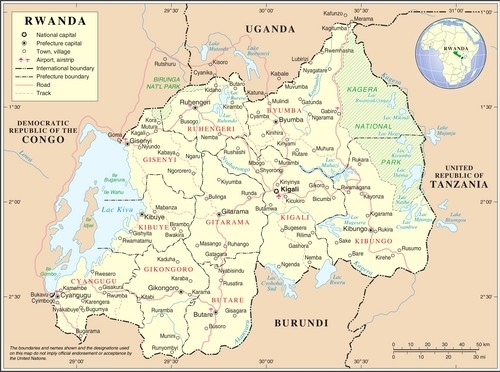
  5. Policy learning from success stories: Countries like Rwanda and Sri Lanka demonstrate that political commitment and equitable financing can significantly narrow ANC gaps.

These strategies must be supported by political will and accountability frameworks that promote equity from ambition to a measurable health system goal.

Conclusion

Inequities in antenatal care reflect deeper systemic injustices within health systems. The persistent gap between coverage and quality illustrates that the promise of universal maternal health remains unfulfilled for many women in LMICs. Addressing these inequities requires reframing ANC as both a clinical and social justice necessity. Governments must strengthen health systems to deliver equitable, high-quality, and respectful care ensuring that every pregnancy is supported by a system capable of protecting both mother and child. 


References

The Lancet Global Health. (2018). Equity in antenatal care quality: An analysis of 91 national household surveys. The Lancet Global Health, 6(11), e1186–e1195. https://doi.org/10.1016/S2214-109X(18)30389-9

World Health Organization. (2016). WHO recommendations on antenatal care for a positive pregnancy experience. World Health Organization. https://www.who.int/publications/i/item/9789241549912

World Health Organization. (2025). Antenatal care coverage – at least four visits (ANC4+). WHO Global Health Observatory. https://www.who.int/data/gho/indicator-metadata-registry/imr-details/80

Tegegne BA, Alem AZ, Amare T, Aragaw FM, Teklu RE. Multilevel modelling of factors associated with eight or more antenatal care contacts in low and middle-income countries: findings from national representative data. Ann Med Surg (Lond). 2024 Apr 16;86(6):3315-3324. https://pubmed.ncbi.nlm.nih.gov/38846896/#:~:text=6)%3A3315%2D3324.-,doi%3A%2010.1097/MS9.0000000000002034,-.  PMID: 38846896; PMCID: PMC11152864.

Jiwani SS, Rana S, Hazel EA, Maïga A, Wilson EB, Amouzou A. Building an effective coverage cascade for antenatal care: linking of household survey and health facility assessment data in eight low- and middle-income countries. J Glob Health. 2025; 15:04048 https://jogh.org/2025/jogh-15-04048/#:~:text=DOI%3A%2010.7189/jogh.15.04048

Tamir TT, Gebrehana DA, Zegeye AF, Terefe B, Tekeba B. Magnitude, distribution and determinants of non-utilization of antenatal care services among women in low- and middle-income countries: Insights for implementation of WHO recommendations. PLoS One. 2025 Aug 18;20(8):e0330596. https://pubmed.ncbi.nlm.nih.gov/40824956/#:~:text=18%3B20(8)%3Ae0330596.-,doi%3A%2010.1371/journal.pone.0330596,-.  PMID: 40824956; PMCID: PMC12360577.

Okedo-Alex, I. N., Akamike, I. C., & Ezeanosike, O. B. (2019). Determinants of antenatal care utilization in sub-Saharan Africa: A systematic review. BMJ Open, 9(10), e031890. https://doi.org/10.1136/bmjopen-2019-031890


News Flash 639: Weekly Snapshot of Public Health Challenges

News Flash Links, as part of the research project PEAH (Policies for Equitable Access to Health), aim to focus on the latest challenges by trade and governments rules to equitable access to health in resource-limited settings

Egg jellyfish (Cotylorhiza tuberculata)

News Flash 639

Weekly Snapshot of Public Health Challenges


Countries Criticise ‘Inadequate’ Pathogen-Sharing Draft Annex at Start of Text-Based Talks

Affordability, binding commitments to technology sharing, and transparency key in Pathogen Access and Benefit Sharing

The Rich ‘Had a Good Pandemic’: How Inequality Weakens Disease Responses

Pandemic threat isn’t just the virus — it’s inequality

WHO guideline on balanced national controlled medicines policies to ensure medical access and safety

The good, the bad, and the possible: What the America First Global Health Strategy means for Africa – and the world

Comparing US prevention efforts to other high-income countries

Integrating a One Health approach into Implementation Research  

Building capacity to conduct research using a One Health approach on malaria and HIV in West Africa

One Health AMR research sparks health policy and practice changes in Ghana

A One Health approach to zoonotic disease outbreaks in United Republic of Tanzania

Strengthening One Health leadership through implementation research in Francophone Africa

More From Less: Optimising Vaccines in a Constrained World

European Commission invests EUR 20 million to develop urgently-needed medicines against dengue in partnership with AFD and DNDi

Pediatric TB (r)evolution(s)

Three mental health breakdowns. One rural clinic. And a lesson in ubuntu in a time of scarce resources

How shadowy Russian and US groups are pouring billions into the systematic destruction of women’s rights globally

The Role of Traditional Birth Attendants in Improving Maternal Health Outcomes in LMICs  by Yvonne Akukwe

HRR791. HISTORY BOOKS MIGHT AS WELL BE WRITTEN, EDITED, AND DISTRIBUTED BY CODE –OPTIMIZED FOR IDEOLOGICAL OBEDIENCE. (Thom Hartmann)

Pursuing Health Equity in the United States: video roundtable

Civil society’s statement on public services

Involving women in peace deals reduces chance of a conflict restarting by up to 37%

Ottawa cutting foreign aid and research spending back to pre-pandemic level

Famine spreads to two more areas in Sudan

CIEL 2025 Annual Impact Report

Dentro l’inferno degli allevamenti intensivi

Money to fight climate crisis falls by £1.5 billion – and aid cuts will make things far worse

Climate inaction is claiming millions of lives every year, warns new Lancet Countdown report

COP 30 must tackle the debt trap and shortfall in public finance to deliver a Just Transition

Strengthening Indigenous Lands Rights Key in Solving Deforestation in Amazon

The 2025 China report of the Lancet Countdown on health and climate change: empowering cities for synergistic action


The Role of Traditional Birth Attendants in Improving Maternal Health Outcomes in LMICs

IN A NUTSHELL
Author's note
…The work of Zinure Women’s Health Foundation in Nigeria prioritizes bridging the gap between traditional and modern healthcare systems by promoting capacity-building training for traditional birth attendants (TBAs) and community health workers, fostering partnerships with local health facilities, and promoting community awareness on safe pregnancy and postpartum care. By empowering TBAs with the knowledge, tools, and networks they need, we not only honor their cultural significance but also ensure that no woman is left behind when it matters most…

By Yvonne Akukwe

Maternal Health Advocate

Co-Founder & CEO, Zinure Women’s Health Foundation

Washington, Columbia District, USA

The Role of Traditional Birth Attendants in Improving Maternal Health Outcomes in LMICs


According to the World Health Organization, approximately 92% of all maternal mortalities in 2023 occurred in low- and middle-income countries. Furthermore, Sub-Saharan Africa alone accounted for about 70% of these global maternal deaths. Most maternal mortalities are preventable and are primarily due to a lack of adequate emergency obstetric care and skilled healthcare providers.

Obstetric emergencies such as postpartum hemorrhage, sepsis, unsafe abortions, and eclampsia can be properly managed in health facilities with skilled birth attendants; however, in rural and underserved areas, traditional birth attendants (TBAs) are the first, and oftentimes, only source of care for women during pregnancy, childbirth, and postpartum.

Traditional birth attendants, sometimes referred to as traditional midwives, are well-respected and trusted community-based birth workers that assist mothers during pregnancy, deliver babies, and support postpartum care. Their skills are not acquired through formal medical school training but instead through informal apprenticeships, learning from other TBAs, or experience gained as a caregiver. For many women in low-resource settings who may not have access to or can’t afford formal health systems for care, the ability of TBAs to recognize complications early and refer women to health facilities can make the difference between life and death.

Linking Tradition & Evidence-Based Practices

When engaged effectively, TBAs can play a crucial role in improving maternal health outcomes. By providing TBAs with evidence-based training on safe delivery practices and emergency management – especially in managing postpartum hemorrhage, sepsis, and eclampsia – they can become valuable resources. Training modules that emphasize early warning signs and complications, safe delivery and good hygiene practices, respectful maternity care, and clear referral protocols can empower them to provide safer care.

Equally as important is integrating maternal mental health support into these trainings. In addition to the physical care provided, TBAs also have emotional access to women during the perinatal period, yet many lack the skills to recognize the signs of perinatal mood and anxiety disorders (PMADs).

Educating them on basic psychosocial support strategies ensures that mothers receive holistic care that addresses both their physical and emotional wellbeing.

The Power of a Strong Referral Network

Historically, TBAs have operated independently, disconnected from formal health networks. In times of obstetric emergencies, weak referral systems and the inability to access health facilities in a timely manner often result in adverse maternal health outcomes. Creating structured communication channels, such as WhatsApp-based networks or referral cards, can ensure women experiencing complications are sent to facilities well-equipped to manage emergencies. By leveraging their influence within the community, TBAs can encourage women to seek specialized care at health facilities once a potential obstetric complication is identified, therefore decreasing the likelihood of emergency situations and subsequently mortality. A strong referral system not only strengthens collaboration but also helps foster mutual respect between community-based and health facility-based providers.

Zinure Women’s Health Foundation’s Vision

 At Zinure Women’s Health Foundation, we believe that every woman—regardless of her socioeconomic status or geographic location—deserves a safe, healthy, and fulfilling motherhood journey. Achieving this vision requires uniting key community stakeholders around a shared mission: improving maternal health outcomes through education, empowerment, and partnership.

Currently, our work in Nigeria prioritizes bridging the gap between traditional and modern healthcare systems by promoting capacity-building training for TBAs and community health workers, fostering partnerships with local health facilities, and promoting community awareness on safe pregnancy and postpartum care. By empowering TBAs with the knowledge, tools, and networks they need, we not only honor their cultural significance but also ensure that no woman is left behind when it matters most.

Sources

  • World Health (2025, April 7). Maternal Mortality. WHO Website. https://www.who.int/news-room/fact-sheets/detail/maternal-mortality.
  • Rutledge J.D., Kiyanda A., Jean-Louis C., Raskin E., Gaillard, J., Maxwell, M., et al. Recommendations for Integrating Traditional Birth Attendants to Improve Maternal Health Outcomes in Low- and Middle-Income International Journal MCH AIDS. 2024; 12:e019. Doi: 10.25259/IJMA_16_2024. 


Biography

Yvonne Akukwe, MPH, PMP is a public health practitioner with almost a decade of experience leading the development and implementation of health projects across corporate, government, and non-profit entities. She studied Biology at George Mason University and obtained a Master of Public Health degree at The George Washington University. Throughout her career, she has successfully led global multi-disciplinary teams to develop strategic, locally driven solutions that drive scalable impact. She is the Co-Founder & CEO of Zinure Women’s Health Foundation, a nonprofit organization determined to improve maternal health outcomes through advocacy, education, and community engagement.

News Flash 638: Weekly Snapshot of Public Health Challenges

News Flash Links, as part of the research project PEAH (Policies for Equitable Access to Health), aim to focus on the latest challenges by trade and governments rules to equitable access to health in resource-limited settings

Spiny fan-mussel (Pinna rudis)

News Flash 638

Weekly Snapshot of Public Health Challenges


Podcast: Rethinking Humanitarianism | How to make people care? Emergency aid’s marketing problem

How Public Health Can Thrive in a Hard Season

WHO Member States Get Skeleton Draft on Pathogen Sharing Ahead of Text-Based Negotiations

EU’s flawed PABS proposal is inconsistent with the Pandemic Agreement & masquerades corporate charity as benefit-sharing

Meeting registration: Centring Equity in the PABS Annex Oct 30, 2025

‘Turn crisis into opportunity’ – African health leaders

Updated Evidence for Covid-19, RSV, and Influenza Vaccines for 2025–2026

The Boy Who Beat The Sandfly

SA becomes the first African country to register the twice-a-year anti-HIV jab — at record speed

Estimating the Financial Costs of Measles Outbreaks

Peace Is Health – Surge of Deadly Cholera Outbreaks ‘Preventable’

South Sudan’s cholera crisis is a symptom of deeper failures

Why is the integration of Tuberculosis and Type 2 Diabetes related Health Services necessary in Mozambique? A reflection based on a PhD research idea

Knowledge and Utilisation of Malaria Prevention Strategy among Pregnant Women in Some Selected Primary Health Centres in Maiduguri, Borno State, Nigeria  by Samuel, Gabriel; Abdullahi, Mohammed Ibn; Danladi, Samuel Sam; Jonah, Japhet Haruna; Tweneboah, Emmanuel; Musa, Ahmed

Generic versions of a lifesaving cystic fibrosis treatment will save patients $360,000 a year – expanding access and prolonging lives

Knowledge, Attitudes, and Practices of AI-Assisted Diagnostics Among Students of Master of Public Health in Ahmadu Bello University, Zaria, Nigeria  by Samuel, D., Jonah, J., Samuel, G., Amos, I., Eche, R. ., Makinta, A., & Musa, H

How the development sector is finding its own way with AI

Artificial Intelligence and Diabetes Prevention

People’s Health Dispatch Bulletin #108: No peace for Gaza’s healthcare after ceasefire deal

HRR790. FASCISM: ARE WE FINALLY GOING TO ASK THE RIGHT QUESTIONS? (Chris Armitage)

UNPO Condemns Ongoing Persecution of the Bellah People in Mali: From Colonialism to Neocolonialism in the Sahel

Big Tobacco ‘intensifying’ interference with anti-smoking and vaping treaty, WHO warns

Trailblazers with Garry: a conversation with Lena Nanushyan

Children for Health: Sharing Knowledge Saving Lives

The U.S. Is Choosing to Fly Blind on Hunger

‘Change course now’: humanity has missed 1.5C climate target, says UN head

45 climate goals, 0 on track: The Earth’s failing report card

America’s super-rich are running down the planet’s safe climate spaces, says Oxfam

Governments can’t achieve their climate goals if they don’t include local communities

SAVING MULTILATERALISM IS NOT ENOUGH FOR SAVING THE PLANET AND THE POOR


Knowledge and Utilisation of Malaria Prevention Strategy among Pregnant Women in Some Selected Primary Health Centres in Maiduguri, Borno State, Nigeria

IN A NUTSHELL
Authors' Note
This study examined the knowledge and utilisation of Malaria prevention strategies by pregnant women attending some selected primary health centres (PHCs) in Borno State, Nigeria.

It concludes that, although pregnant women are aware of malaria prevention methods, there is a gap in their effective utilisation. To address this, targeted health education, intersectoral collaboration and supportive monitoring at PHC and community levels are recommended


PEAH is pleased to share an original article first published in Nigerian Postgraduate Medical Journal, 32(4):p 290-296, Oct–Dec 2025 

Knowledge and Utilisation of Malaria Prevention Strategy among Pregnant Women in Some Selected Primary Health Centres in Maiduguri, Borno State, Nigeria


Quotation

Samuel, Gabriel; Abdullahi, Mohammed Ibn1; Danladi, Samuel Sam2; Jonah, Japhet Haruna3; Tweneboah, Emmanuel4; Musa, Ahmed5. Knowledge and Utilisation of Malaria Prevention Strategy among Pregnant Women in Some Selected Primary Health Centres in Maiduguri, Borno State, Nigeria. Nigerian Postgraduate Medical Journal 32(4):p 290-296, Oct–Dec 2025. | DOI: 10.4103/npmj.npmj_152_25

Full Text HERE 


ABSTRACT

Background

Malaria remains a significant global health threat, with Africa bearing the highest burden. Pregnant women in Nigeria are particularly vulnerable due to the country’s high malaria prevalence.

Objectives

The study examined the knowledge and utilisation of Malaria prevention strategies by pregnant women attending some selected primary health centres (PHCs) in Borno State, Nigeria.

Subjects and Methods 

The study was conducted using a cross-sectional descriptive survey in two local government areas: Maiduguri Metropolitan Council and Jere, in Maiduguri, Borno state, Nigeria. Furthermore, Fisher’s formula determined the sample size, and data were collected from 407 pregnant women using a questionnaire recruited through a multistage Sampling. Finally, IBM SPSS version 27 statistical software was used for data analysis.

Results

The mean age ± standard deviation of 26 ± 4.08, and most (80.8%) of pregnant women have good knowledge of malaria prevention. The utilisation of malaria prevention strategies was low, with 79.1% showing an overall poor usage. 60.9% reported using long-lasting insecticide-treated nets, 20.6% had never used larval source management. 54.8% of the respondents were in their second trimester. Knowledge of malaria prevention was associated with the trimester of pregnancy (P = 0.0044), gravidity (P = 0.019) and education (P = 0.001). However, no relationship was found between maternal religion and knowledge of malaria prevention (P = 1.000).

Conclusions

Although pregnant women are aware of malaria prevention methods, there is a gap in their effective utilisation. To address this, targeted health education, intersectoral collaboration and supportive monitoring at PHC and community levels are recommended


Knowledge, Attitudes, and Practices of AI-Assisted Diagnostics Among Students of Master of Public Health in Ahmadu Bello University, Zaria, Nigeria

IN A NUTSHELL
Authors' Note 
Integrating artificial intelligence (AI) into healthcare has transformed disease diagnostics, offering opportunities to enhance accuracy, efficiency, and accessibility. However, adopting AI-assisted diagnostics depends significantly on future public health professionals' knowledge, attitudes, and practices (KAP). 

This study assessed the KAP of students of Master of Public Health (MPH) at Ahmadu Bello University (ABU), Nigeria, regarding AI-assisted diagnostics in healthcare, including the gaps in the current MPH curriculum concerning AI literacy 


PEAH is pleased to share an original article first published in The Nigerian Health Journal25(3), 1268 – 1275

Knowledge, Attitudes, and Practices of AI-Assisted Diagnostics Among Students of Master of Public Health in Ahmadu Bello University, Zaria, Nigeria


Quotation

Samuel, D., Jonah, J., Samuel, G., Amos, I., Eche, R. ., Makinta, A., & Musa, H. (2025). Knowledge, Attitudes, and Practices of AI-Assisted Diagnostics Among Students of Master of Public Health in Ahmadu Bello University, Zaria, Nigeria. The Nigerian Health Journal25(3), 1268 – 1275. https://doi.org/10.71637/tnhj.v25i3.1187

PDF HERE 

Abstract

Background: Integrating artificial intelligence (AI) into healthcare has transformed disease diagnostics, offering opportunities to enhance accuracy, efficiency, and accessibility. However, adopting AI-assisted diagnostics depends significantly on future public health professionals’ knowledge, attitudes, and practices (KAP). This study assessed the KAP of students of Master of Public Health (MPH) at Ahmadu Bello University (ABU), Nigeria, regarding AI-assisted diagnostics in healthcare, including the gaps in the current MPH curriculum concerning AI literacy.

Methods: The study adopted a quantitative cross-sectional descriptive survey design. Data from 205 ABU MPH students recruited via simple random sampling were collected using researcher-constructed 16-item questionnaires, organized into four sections, and sent via email on Google Form. KAP were measured on 3-point Likert scale. The collected data were analyzed in descriptive statistics using SPSS version 28.

Results: The response rate was 99%. The findings revealed moderate levels of knowledge about AI tools (73.3%), positive attitudes toward their use (73.8%), but limited practical experience and dissatisfaction (29.5%) with the current level of AI training in the MPH curriculum. Students supported incorporating AI-related courses and experiential learning opportunities into MPH program (72.5%).

Conclusion: These results highlight the need for targeted interventions to enhance AI literacy among MPH students and prepare them for the ethical and practical integration of AI technologies in healthcare. The study contributes to the discourse on modernizing public health education and provides actionable recommendations for policymakers, educators, and healthcare institutions. Future research should explore longitudinal trends and cross-cultural perspectives to inform AI adoption strategies in public health practice.


News Flash 637: Weekly Snapshot of Public Health Challenges

News Flash Links, as part of the research project PEAH (Policies for Equitable Access to Health), aim to focus on the latest challenges by trade and governments rules to equitable access to health in resource-limited settings

Bearded fireworm (Hermodice carunculata)

 News Flash 637

Weekly Snapshot of Public Health Challenges


Global Health Leaders Urge Fewer Agencies Amid Funding Crisis

Health Works Leaders Coalition launched to promote health system investments and spur economic growth, job creation

The World Health Summit still largely misses the People it speaks for

Mentorship—A critical metric for career development and advancing global health

Africa after USAID: who will pay the health bill?

Mental Health in the Scroll Age

Comprehensive treatment for serious mental health conditions is possible in South Sudan

Breaking barriers, saving lives: how UNAIDS has helped drafting Philippines’ landmark HIV laws

Who should get the first doses of the twice-a-year HIV prevention jab? It could be in 360 clinics by February

Africa inches toward local production of vaccines and more

Anti-malaria funding cuts could lead to ‘deadliest resurgence ever’, study warns

 Uncovering Bright Spots: How Karnali Province is Leading the Fight Against Anaemia in Nepal

First treatment for serious chronic lung disease

MSF urges EU and EEA to put TB back on the health agenda

MSF’s Panel Discussion: Bridging the gap: Securing access to essential TB medicines in the EU and EEA

TB stigma in India: A narrative review of types of stigma, gender differences, and potential interventions

Global Inequities in Diabetes Technology and Insulin Access and Glycemic Outcomes

Quality of antidiabetic medicines in 13 sub-Saharan African countries: a cross-sectional survey

Rethinking Global Health Metrics Beyond the Frontier: A Response to the GBD 2023 Mortality Report  by Juan Garay

The Contribution of Digital Treatment to Efforts to Reduce Global Tobacco Use 

HRR789. HUMAN RIGHTS, FROM IDEOLOGY TO POLITICS TO POLITICIANS: SOME ADDITIONAL ANGLES NOT PREVIOUSLY COVERED

Displacement, health outcomes, and the human rights of people experiencing homelessness in the USA

Rethinking Humanitarianism | The global backlash on gender rights

Medicaid Cuts Threaten Pregnancy And Postpartum Coverage, Access To Care, And Health

UN negotiations: time for real protection against corporate human rights violations and abuse

World Food Day: end corporate stranglehold over food systems

A Hungry World Knows No Borders

WFP Warns Humanitarian Shortfalls Could Worsen Hunger Crisis

Mexico’s scientists urge rules on gene-edited crops

How carbon markets can deliver climate investment for developing nations

Air Pollution-Related Dementia Kills Over 625,000 People A Year

Rethinking Global Health Metrics Beyond the Frontier: A Response to the GBD 2023 Mortality Report

IN A NUTSHELL
Editor's Note 
This article puts under a critical lens some findings from the Global Burden of Disease 2023 report, whereby the uncertain attribution of COVID-19 deaths, YLLs and the problem of the “frontier” reference, and the arbitrary 70-year threshold are pointed out

By Juan Garay

Founder and Co-chair of SHEM. Professor of Global health. Lead of the Valyter ecovillage.  Valyter.es  

Rethinking Global Health Metrics Beyond the Frontier

A Response to the GBD 2023 Mortality Report


The Global Burden of Disease 2023 report represents an extraordinary global effort to compile, harmonize, and analyse mortality data across countries and decades. Its contribution to understanding health progress is invaluable. Yet, the report’s findings—especially those concerning deaths attributed to COVID-19, the use of Years of Life Lost (YLL) relative to the lowest observed mortality rates, and the reliance on the 70-year threshold for “preventable deaths”—require careful reconsideration.

Uncertain attribution of COVID-19 deaths

The report notes that COVID-19 ranked as the world’s leading cause of death in 2021 before falling to 20th place by 2023. However, these rankings are constrained by major uncertainties in data quality and attribution. During the pandemic, testing capacity, diagnostic coding, and death certification varied widely across countries. Official counts therefore reflect not only viral lethality but also the reach and reliability of national surveillance systems.

Equally important, many deaths during 2020–2022 arose indirectly from health-system disruption, economic hardship, and delayed care for chronic conditions. WHO estimated approximately 14.8 million excess deaths in 2020–2021, nearly three times the number of officially reported COVID deaths, underscoring the magnitude of indirect losses. Analyses based solely on cause-coded deaths should therefore be complemented by age-standardised excess mortality and indicators of service disruption to capture the full human cost of the pandemic, including the effects of political and economic responses.

YLLs and the problem of the “frontier” reference

The GBD’s YLL metric measures losses against a “frontier” life table derived from the lowest age-specific mortality rates observed globally. This facilitates comparability but assumes that the best-performing populations define a universal goal. In reality, those frontier rates are sustained in contexts that depend on ecological and economic conditions not feasible or sustainable worldwide.

According to the WHO Constitution, global health policy should aim for “the attainment by all peoples of the highest attainable standard of health.” This implies striving toward best feasible and sustainable levels of health for all, not replicating conditions achievable only through intensive consumption or unequal distribution of resources. Measuring losses relative to realistic and sustainable reference standards transforms YLLs from abstract deficits into ethically grounded indicators of inequity.

The arbitrary 70-year threshold

The probability of dying before age 70 (70q0) remains a core GBD indicator of “premature” mortality. While operationally convenient, this threshold is arbitrary and increasingly obsolete. The best feasible and sustainable life expectancy today is estimated around 77.5 years, not 70. Limiting the definition of preventable deaths to those occurring before 70 therefore underestimates the true scope of avoidable mortality and conceals inequalities emerging in later adulthood.

A more consistent approach is to define preventable deaths as those exceeding feasible and sustainable age-specific mortality rates. This aligns with WHO’s constitutional goal and allows for continuous measurement of progress across the life course.

Measuring equity: the Relative Burden of Health Inequity

A complementary indicator—the Relative Burden of Health Inequity (RBHiE)—expresses the proportion of all deaths exceeding feasible and sustainable mortality references. This measure provides a clear and comparable assessment of how far populations remain from the attainable benchmark of health equity. Unlike 70q0 or frontier-based YLLs, RBHiE directly reflects progress toward the WHO objective of the best feasible level of health for all.

Toward a fairer global health measurement paradigm

The GBD’s technical sophistication and transparency are commendable, but its next phase should integrate excess-mortality data, feasible and sustainable reference standards, and equity-based indicators such as RBHiE. Only then can the global health community move from describing disease burdens to assessing humanity’s collective distance from a just and sustainable standard of health.


References

WHO Constitution (1946). Preamble: the attainment by all peoples of the highest attainable standard of health

WHO (2022). Global excess deaths associated with COVID-19 (2020–2021)

GBD 2023 Mortality and Causes of Death Collaborators. Lancet (2025)

Sustainable Health Equity Movement (SHEM). Atlas of Global Health Inequity: Toward Feasible and Sustainable Reference Standards (2024)


__

By the same Author on PEAH: see HERE

News Flash 636: Weekly Snapshot of Public Health Challenges

News Flash Links, as part of the research project PEAH (Policies for Equitable Access to Health), aim to focus on the latest challenges by trade and governments rules to equitable access to health in resource-limited settings

Beadlet anemone (Actinia equina)

News Flash 636

Weekly Snapshot of Public Health Challenges


Quo Vadis UN @80?

Creative destruction in global health

Mobilizing for health justice

Africa must lead its own health research revolution

Transitioning to regulatory harmonisation for medicines: a comparison between Africa and Europe

Mental health: the missing link in infectious disease care

WHO warns of widespread resistance to common antibiotics worldwide

One in Six Bacterial Infections Is Antibiotic Resistant; Calls for Stronger Real-Time Pandemic Risk Surveillance

Looming Malaria Drug Resistance Spurs Global Search for New Treatments

Ghanaian Newborns First to Get New Malaria Medication

Africa’s Ancient Enemy, Malaria, and Its Influence on Covid-19

A Call to Action on World Rabies Day and Beyond

Maldives becomes the first country to achieve ‘triple elimination’ of mother-to-child transmission of HIV, syphilis and hepatitis B

Impact of the indigenous rotavirus vaccine Rotavac in the Universal Immunization Program in India during 2016–2020

Medical Product Alert N°5/2025: Substandard (contaminated) oral liquid medicines

Indian Court rules against Roche and allows generic SMA drug

Almost nine in 10 clinics in war-ravaged DRC run low on medicines

Artificial Intelligence and Maternal Health: A New Opportunity for Cambodia

Kerala’s Low IMR, High Costs: A Lesson for India

Ensuring the safety of newborns and children through community and healthcare actions

Poor countries paying billions more to cover debts than they receive as aid to fight climate crisis

HRR788. IN TOO MANY CASES, INTERNATIONAL HUMAN RIGHTS LAW HAS BEEN CYNICALLY MANIPULATED TO SERVE PARTICULAR GEOPOLITICAL, GEOECONOMIC, RACIALIZED, AND GENDERED INTERESTS. (Walden Bello, Shalmali Guttal)

Aid cuts and elections: How the humanitarian rollback has caused “chaos” in Cameroon

Conflict Plunged 63 Million Children into Hunger in 2025

US declines to sign World Bank directors’ joint statement on climate agenda

Can nature be placed on the balance sheet?

‘Dismal’ health of world’s forests is threat to humanity, report warns

Africa’s floods and droughts are messing with our minds. Researchers are trying to figure out how

Darjeeling’s Wake-Up Call: Expert at IUCN Congress Calls for Agile Climate Finance

Unjust Transition: Reclaiming the energy future from climate colonialism

Beyond Green Complacency: WISE, SHEM and the Case for Radical Sharing  by Juan Garay

Australian tropical rainforest trees switch in world first from carbon sink to emissions source


Beyond Green Complacency: WISE, SHEM and the Case for Radical Sharing

IN A NUTSHELL
Author's Note 
Social economy initiatives and Green parties have gained prominence as responses to ecological and health crises. Yet too often these movements remain complacent with the prevailing global system of competition, industrial scale, and high consumption. Such alignment risks reinforcing, rather than dismantling, the drivers of inequity and ecological collapse.

We argue for a paradigm shift towards sufficiency, simple living, and shared commons. Frameworks such as the WISE paradigm (Wellbeing, Inclusion, Sustainability, Equity) and the SHEM webinars (Sustainable Health Equity Metrics) demonstrate that global material consumption could fall to one quarter of present levels without loss of wellbeing, and that ecological footprints could shrink to one third.

Planetary health requires more than incremental “green” reforms: it demands systemic change toward food sovereignty, agroecology, degrowth, open knowledge, and redistribution. By centring justice, equity, and sufficiency, societies can safeguard both human wellbeing and Earth’s systems.

By Juan Garay

Founder and Co-chair of SHEM. Professor of Global health. Lead of the Valyter ecovillage.  Valyter.es  

Beyond Green Complacency: WISE, SHEM and the Case for Radical Sharing


Introduction

The vision of planetary health is inseparable from the transformation of economic and social systems. While Green parties, impact enterprises, and “sustainable development” initiatives are widely promoted, they often fail to question the deeper Factory of injustice and depletion: global competition, industrial scale, and excessive consumption. Incremental greening—improving efficiency, substituting fuels, or promoting ethical business—risks leaving these foundations untouched.

The Complacency of Green Reformism

The majority of ecological initiatives remain framed by growth-oriented logic. They prioritize decarbonisation, recycling, and circular economy strategies while accepting large-scale production, long-distance trade, and corporate concentration as structural givens. Such approaches do not address the root causes of inequity and environmental overshoot (Rockström et al., 2009).

Sufficiency and Network Sharing

Research indicates that wellbeing does not require high consumption. Evidence suggests that reducing global material throughput to one quarter of current levels could enhance quality of life while reducing ecological footprints to one third (Jackson, 2017; Raworth, 2017). Open-source software, food cooperatives, and commons-based networks illustrate how access, creativity, and resilience can expand without intensifying material demand.

WISE and SHEM: Alternative Paradigms

The WISE paradigm (Wellbeing, Inclusion, Sustainability, Equity) reframes development around sufficiency, fairness, and ecological balance, offering metrics that move beyond GDP (Garay, 2020). In parallel, the SHEM webinars convened by international institutions have advanced reflection on Sustainable Health Equity Metrics, integrating life expectancy, fairness, and planetary boundaries. Both frameworks demonstrate that justice, health, and ecological sustainability are inseparable.

Implications for Planetary Health

Achieving planetary health requires:

  1. Policy change — adopting WISE and SHEM-inspired metrics that prioritise equity, redistribution, and sufficiency.
  2. Movement reorientation — social economy and ecological actors must move beyond corporate partnerships and reformist green growth, toward degrowth, agroecology, and food sovereignty.
  3. Research — scholars should explore sufficiency pathways, low-consumption societies, and the health impacts of commons-based and redistributive practices.

Conclusion

Green complacency is insufficient. To reconcile human wellbeing with planetary boundaries, societies must embrace sufficiency, simple living, and shared networks. Paradigms such as WISE and SHEM demonstrate that profound lifestyle change—rather than diluted reforms—offers a pathway to justice, health, and ecological stability.


References

Garay, J. (2020). The WISE paradigm: Wellbeing, Inclusion, Sustainability, Equity. PEAH – Policies for Equitable Access to Health. Retrieved from https://www.peah.it

SHEM Webinars (2021–2024). Sustainable Health Equity Metrics: Global seminar series. Supported by Fiocruz, Escuela Nacional de Sanidad, ELAM, UNACH, SHEM Network.

Jackson, T. (2017). Prosperity without Growth: Foundations for the economy of tomorrow (2nd ed.). Routledge.

Raworth, K. (2017). Doughnut Economics: Seven Ways to Think Like a 21st-Century Economist. Random House.

Rockström, J., Steffen, W., Noone, K., et al. (2009). A safe operating space for humanity. Nature, 461, 472–475.


Contributors: Juan Garay, on behalf of SHEM, conceptualised and wrote the manuscript.

Declaration of interests:  The author declares no competing interests.


By the same Author recently on PEAH

The Inequity Risks of AI When the Global Good Is Not the Goal

Keeping Up the Quest for Sustainable Health Equity: Fifth Anniversary of SHEM

Previously: see HERE and HERE