Health Breaking News 320

Health Breaking News Links, as part of the research project PEAH (Policies for Equitable Access to Health), aim to focus on the latest challenges by trade and governments rules to equitable access to health in resource-limited settings

Health Breaking News 320


Further funding to support Research Leaders in sub-Saharan Africa: MRC/DFID African Research Leader scheme 2019 

Achieving health gains on the way to universal health coverage in Africa 

TRIPS Debated As WHO Board Reaches Agreement On Universal Health Coverage 

Business-Friendly & Rights-based Approaches to Achieve SDGs 

Thursday 14 February 2019 – Friday 15 February 2019 Challenges and Needs of SDGs’ Implementation in Europe. Organised by the Global Health Centre and ISGlobal Barcelona, Spain 

WHO’s Transformative Agenda: A few reflections from the 144th WHO Executive Board Meeting 

EPHA: The Top 5 Issues in Medicines Policy for 2019 

Current R&D Causes High Prices In Drugs; New Model Needed To Make Drugs More Affordable, Speakers Say 

Switzerland Receives Request For Compulsory Licence On Breast Cancer Drug 

WTO TRIPS Council: South Africa considers strict patentability criteria to address abuses in the pharmaceutical industry 

Trump Highlights IP, Trade, Drug Prices In Speech To Congress 

Trump Administration Releases Long-Awaited Drug Rebate Proposal 

Health Care Spending In The US And Taiwan: A Response To It’s The Prices, And A Tribute To Uwe Reinhardt 

New EPHA study reveals more needs to be done on AMR National Action Plans in Europe 

European Medicines Agency challenged to support better clinical trial reporting 

As Ebola outbreak marks 6 months, health centers a concern 

DRC Ebola: Latest numbers as of 6 February 2019 

Why can’t pregnant women be vaccinated during epidemics? 

Will a sugar tax solve Southeast Asia’s growing diabetes problem? 

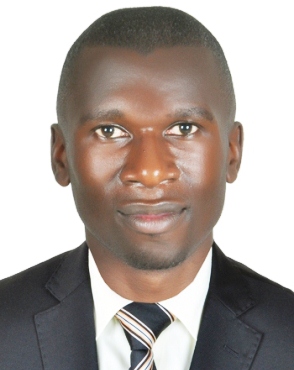
Galvanizing the Action to Protect and Promote the Rights of Mentally-Disabled Individuals in the Key Populations: a Pathway to Achieve Health for All by Denis Bukenya and Michael Ssemakula 

Overcoming the colonial development model of resource extraction for sustainable development in Africa 

Rosia Montana and corporate courts 

China’s changing approach to Africa 

Human Rights Reader 472 

Oxford University Press: The Health of Refugees Public Health Perspectives from Crisis to Settlement. Second Edition edited by Pascale Allotey and Daniel Reidpath 

Confronting the Challenges of Migration in West & Central Africa 

House by house, telling girls and families the dangers of female circumcision in Kenya 

The United States Maternal Mortality Rate Will Continue To Increase Without Access To Data 

No silver bullet for arsenic in groundwater 

Look to the sky – the top 5 priorities on European air quality and health in 2019 

Why a Major Climate Funder is Backing Movement Building and Shifting Away from the U.S. 

‘Action Alliance “Training 2020” – An Alliance for Independent Continuing Medical Education’ by Christiane Fischer 

Action Alliance “Training 2020” for Independent Continuous Medical Education

MEZIS (Mein Essen zahl ich selbst – I pay for my own lunch) has long been calling for Continuous Medical Education (CME) programs to be free of conflict of interest. On this long journey MEZIS has been able to reach an important milestone: The Alliance for Action 2020 - Alliance for Independent Continuing Medical Education

Christiane Fischer

By Christiane Fischer MD, MPH, PhD*

 Founder and Medical Managing Director at MEZIS

Action Alliance “Training 2020”

An Alliance for Independent Continuing Medical Education


In 2018, MEZIS (Mein Essen zahl ich selbst – I pay for my own lunch) successfully launched another tool to achieve the goal of continuing medical education without any sponsoring by the pharmaceutical industry: The Alliance for Action 2020 – Alliance for Independent Continuing Medical Education. It complements MEZIS strategy to achieve change through committees and media.

What is the background?

Organizers of Continuous Medical Education (CME) Programs such as hospital departments and professional associations often welcome support of human and financial resources from the pharmaceutical industry. An implementation of CME-Programs without sponsorship seems unthinkable for many. However, is that really true?

At the same time, more and more CME-Programs are being organized  independently and without any sponsoring by the pharmaceutical industry. Even conferences of large associations such as  the German Society of General and Family Medicine are successfully carried out without pharmaceutical support- and teach the eternal skeptics of the better. This shows there are already some good alternatives. However, they are not well-known and overarching concepts and structures for independent training are still missing.
Independent organizers also have to compete in a market place highly distorted by exorbitant sponsorship sums from the pharmaceutical industry with organizers such as Omniamed, which used to receive up to 250,000 Euros from the pharmaceutical industry for one day. In August, the Medical Chamber Stuttgart denied Omniamed any CME certification for the first time. Omniamed consequently withdrew from Germany in December 2018, hopefully paving the way for independent organizers of CME events to overtake their sponsored counterparts.

Goal

The goal of the Action Alliance is to provide independent continuing medical training. Continuing medical training must take place independently of the interests of the industry and solely in the responsibility of hospitals, professional societies, professional associations and other organs of the medical self-government. This requires a rethinking by physicians and a change in the medical training culture.

Commitment

The partners joining the Alliance commit to providing sufficiently high quality training without industry participation or financial support. In addition, in agreement with the founding members, there are criteria for content quality that are based on existing ones.

Who is already there?

We are already pleased to have the Drug Commission of the German Medical Association (AkdÄ), the German Society for General Medicine (DEGAM), the neurologist initiative “NeurologyFirst” as well as the two independent training organizations HD Med and Libermed as founding members.

Our aims until 2020

  • Bundling of existing independent concepts and structures for CME-Programs (AkdÄ, DEGAM, NF, medical chambers, HD Med, Libermed).
  • Development of a guideline for  CME-Programs as well as financing concepts (meaningful and necessary amount of annual training, quality features, requirements, practical organization, calculations).
  • The Allies provide guidance to their members in the organization and delivery of independent medical trainings.
  • Creating structures and sharing structures for organizing independent events.
  • Creating a common internet platform: https://cme-sponsorfrei.de/
  • Establishment of a quality label “Partner in the Action Alliance for Further Education 2020”.

———————————————–

Dr. Christiane Fischer was born in 1967 in Emden and grew up in the black forrest in Germany. She studied medicine in Homburg/Saar and Heidelberg and is from her postgraduation Master of Public Health (MPH). From 1999 untill 2013 she worked as the executive director of the BUKO Pharma-Kampagne focussing the impact of patents on access to drugs in poor countries. In 2007 she founded MEZIS and was part of the board until  2013. Since then she works as the Medical Director.  Since 2012 she is member of German Ethics Council.

*On the same topic on PEAH:

Interview to Christiane Fischer: MEZIS (Mein Essen zahl ich selbst – I pay for my own lunch) 


To Protect and Promote the Rights of Mentally-Disabled in Uganda

...Obsolete mental health legislation in Uganda has a number of deficiencies such as failure to differentiate voluntary and involuntary care, inadequate protection and promotion of the human rights of people with mental illness and the presence of slurring and stigmatizing language; and henceforth not in line with the draft mental health policy as well as current trends in mental health care...


By Denis Bukenya

and Michael Ssemakula

Health Rights Researchers & Advocates

Human Rights Research Documentation Center (HURIC), and PHM-Network, Uganda

Galvanizing the Action to Protect and Promote the Rights of Mentally-Disabled Individuals in the Key Populations: a Pathway to Achieve Health for All


Although there are efforts to improve mental health in Uganda, there remains a heavyweight number of deficiencies especially in terms of stigma and misconceptions about the predicament. There is limited appreciation of the mental health illnesses predominantly in low resource settings. Many societies in Uganda tend to demonize mental health illnesses which has resulted into human rights violations such as incarceration of persons with the mental disequilibrium. This is at the expense of the much needed psyche-socio support. Instead people with mental illnesses are subjected to unfair discrimination, detestable beatings, and poor treatment out of ignorance. This eventually results into denial of access to institutional mental health services (such as psychiatric services and  psychotherapy treatment like psychotic drugs) hence the prevalence of the traditional and spiritual divine healers, a mechanism that has been renowned for lack of a regulation thus exploitation of the victims. This increases the urgency for an inclusive prevention and rehabilitation multi-stakeholder levels of assistance through community inclusiveness in addressing the current burden of mental health disorders and the functioning of mental health programs and services in Uganda.

According to research by (Lumbuye-Guba, 2003), over 45 per cent of the youths have used drugs or alcohol. Sadly the indigenous demand for hard drugs has also unrelentingly continued to increase, with an approximation of 5-10 per cent of the populace being reliant on and consistent users; 18 per cent of men and 2 per cent of women both smoke and drink. Other drugs of abuse include cannabis, which grows extensively in the green equatorial climate of Uganda and abuse is common especially among young urban elites and juveniles. The national mental hospital shows that 30 per cent of hospital admissions are associated with drug abuse. Inhalants such as paint thinner, and glue are also common among street and slum youth. Eating of marungi (Khat) is also spreading hastily. Heroin use cases have also been reported in the country.  Services are dispersed and staff ability to address this is largely deficient.

A report by (Basangwa, 2004) assessed that 35 per cent of Ugandans suffer from some form of mental disequilibrium, of which 15 per cent need treatment. Although data proximities on mental illnesses in Uganda are very scanty, anecdotal research study evidence shows an upsurge in the occurrence of mental disorders. According to (UBOS, 2006), an envisaged 7 per cent of the households in the country had disabled members, of which 58 per cent had at the very least one individual with a mental disorder. This indicates that about 4 per cent of the households had at least a member with a mental disorder. Juveniles on the streets think drugs improve their socio-psyche lives and a major risk for street youths in Uganda today is a combination of drugs, HIV/AIDS and reckless sexual behavior.

Alliance forming in efforts to assist people affected is lacking. Worsened by gaps in the policy on the mental health such as offensive derogatory terms, which call victims, “persons suffering from mental derangement”, and existence of forced medical intervention without consent, the mental health legislation is therefore outmoded. The mental health system operates on an outdated mental health Law that was last revamped in the 1964. The legislation focuses on detention care of mentally-ill persons and is not in accordance with contemporary international human rights standards regarding mental health care. This obsolete legislation has a number of deficiencies such as failure to differentiate voluntary and involuntary care, inadequate protection and promotion of the human rights of people with mental illness and the presence of slurring and stigmatizing language; and henceforth not in line with the draft mental health policy as well as current trends in mental health care.

Services are still significantly underfunded (with only 1 per cent of the health expenditure going to mental health), and skewed towards urban areas, and mental disorders are not covered in any social insurance schemes we have in Uganda at the moment. Although mental health is one of the key components in the Health Sector Development Plan 2015/2016-2019/2020, we have no comprehensive mental health plan, and there is no information to draw a clear strategy for mental health treatment and prevention. Therefore, there is need for increased stakeholder engagement, through community involvement and participation, if national and global targets for mental health are to be attained. The mental health collaborative interventions are not moving as fast as would be expected. There is low utilization of mental health services. Health workers infrequently discuss the relationship between drug abuse and mental illnesses with populations and patients there in. Health care providers largely display negative attitudes towards mental health patients. At this prevalence rate, the gains made in prevention and control of mental illnesses could easily be reversed; yet the conditions are preventable through provision of appropriate information and ensuring the effective interventions are in place. Communication interventions through Participatory Reflection and Action methods are important means to engage policy enabling powers, government officials, public and private health professionals, traditional and religious leaders, community leaders, patients and their families in bringing about political, behavioral and societal change in reverence to mental health.

Mental-disability implications in Uganda mainly affect the youths, women, and sex workers. The majority of the young people and juveniles get affected through excessive drug use as a result of a gap in parental control and lack of guidance. Many of them end up in juveniles’ remand centres and prisons where they learn adverse behaviors and turn into intransigent criminals; therefore, we need to offer communities and parents with guidance to prevent and reduce drug use by their children and also emphasize the importance of use of clear, positive communication between parents and children. All young people deserve the best start in life. But too often, young people with mental health disorders are unable to fulfil their potential. Mental-illness unsympathetically costs individuals and society especially on the human development index.  People with mental health problems have too often in the past experienced unfair discrimination and poor treatment. In recent years however, we have seen a mild shift in attitudes towards mental health, but the stigma and misconceptions surrounding mental-illnesses still hold strong in many vulnerable settings which is an entombment towards achieving Universal Health Coverage in Uganda.

In order to address challenges facing vulnerable populations with mental disorders, emphasis should be on modifying the approaches towards appreciating the prevalence of mental disability, creating awareness, and treatment through regionalization of mental health service provision system at district level. This is an imperative mechanism that will ease access to psychosomatic health to enhance the attainment of the global goal of health for all and Sustainable Development Goal #3.5 of strengthening the prevention and treatment of substance abuse, including narcotic drug abuse and harmful use of the alcohol. Such methodologies should be purely community based through decentralization of the mental health services as a significant approach to address mental health challenges. This enables victims to continue receiving social support from their families and communities which reduces the stigma.

Owing from the above is the necessity of the egalitarian system of health service provision which needs to incorporate ways to ease accessibility of mental health services. In the Ugandan perspective is the proposition of the National Health Insurance Scheme (NHIS) to minimize the adverse implications of the catastrophic health expenditures on household welfare. However, mental health is not explicitly included in the NHIS. The challenge lies in the fact there is not known NHIS policy in Uganda today. There is light at the end of the tunnel with the NHIS Bill at the floor of parliament awaiting approval, and it is hoped that this will provide the legal framework though, as usual, the process has stagnated for a long period close to a decade.

As activists working with the People’s Health Movement in the Ugandan chapter it is incumbent upon us to acknowledge the Astana Declaration in regard to Mental Health owing to the fact that there needs to be the inclusion of Primary Health Care in Mental Health concerns in Uganda in a bid to ease access to proper mental health care. The declaration is the current guide to the attainment of strengthened UHC by mean of preventive, palliative, rehabilitative and curative care. Delivery of care to mental health in this perspective targets individuals, family, community and finally the national health system. This form of care is easily accessible since it is near people.


References

Lumbuye-Guba, C. (2003). Challenges of Intervening in Drug Abuse in Uganda. Kampala: National Institute on drug abuse.

Basangwa, D. (2004). Understanding Mental Health Relapse. Kampala: digitalcollections.sit.edu.

UBOS. (2006). Uganda Demographic Health Survey Preliminary report. Kampala: www.ubos.org.


Health Breaking News 319

Health Breaking News Links, as part of the research project PEAH (Policies for Equitable Access to Health), aim to focus on the latest challenges by trade and governments rules to equitable access to health in resource-limited settings

Health Breaking News 319


Taking stock of global development: What’s working and what’s stuck 

Davos 2019: four reasons for optimism despite the gloom 

European Parliament Calls for Regular Evaluation of SPC System, Including its Effect on Access to Medicines in Europe by Dimitri Eynikel 

Pharma industry raises the alarm about stockpiling of generic drugs 

More than 1,600 clinical trials run by UK universities violate reporting rules 

The Lancet: On results reporting and evidentiary standards: spotlight on the Global Fund 

144th WHO EB: Follow-up to the high-level meetings of the United Nations General Assembly on health-related issues: Ending tuberculosis 

144th WHO EB: Medicines, vaccines and health products: Cancer medicines 

EB144: KEI statement on the WHO Cancer report  

MPP Statement at 144th session of the WHO Executive Board on Access to Medicines 

WHO Draft Resolution On Universal Health Coverage Shows Efforts At Consensus 

WHO Opens Discussions On Roadmap For Improving Access To Medicines 

EB144: KEI statement on the WHO roadmap access to medicines, vaccines and health products 

WHO Executive Board, 144th Session, January 2019 MSF Statement: Agenda item 5.7.1 (EB144/17) – Medicines, vaccines and health products: Access to medicines and vaccines  

WHO’s Access Roadmap And The Art Of Accommodation Of Pharma Interest 

Will Ever WHO’s Roadmap for Medicines Move into Action? by Daniele Dionisio 

Drugs for Neglected Diseases initiative and The BMJ launch a special collection on neglected diseases and innovation in South Asia 

DNDi, MMV Make 400 Compounds Available To Boost Pandemic Disease Research 

To Halt Malaria Transmission, More Research Focused on Human Behavior Needed 

The Medicines Patent Pool welcomes findings of crucial Lancet Commission into accelerating elimination of viral hepatitis 

Cabo Verde leads the way in ending new HIV infections in children in West and Central Africa 

DRC Ebola: Latest numbers as of 27 January 2019  

Women are key in Ebola response 

DRC Ebola crisis serves as test for WHO health reform 

Health for All Kenyans by 2022: Are we going to be trailblazers like our long distance runners?  

Will 2019 Be the Year of Making Primary Health Care Happen? 

ANKE VAN DAM: “AFEW WILL CONTINUE TO BE THE BRIDGE BUILDER” 

Indonesia and global health diplomacy: a focus on capacity building 

Environmental laws only look good on paper, UN says 

Billions of Dollars Available for Reducing and Reversing Land Degradation 

German coal phase-out criticised but welcomed on whole 

Youth Bridge the Gap Between Climate Change and Climate Awareness in Guyana 


EU Parliament Calls for Regular Evaluation of SPC System

This post refers to just adopted amendments to a waiver proposed by the European Commission to allow pharmaceutical companies in Europe to produce generic versions of medicines that are under SPC exclusivity in Europe, for export to countries where the medicine is no longer under patent protection or where no SPC applies

By Dimitri Eynikel*

EU Policy and Advocacy Advisor for the MSF Access Campaign

European Parliament Calls for Regular Evaluation of SPC System, Including its Effect on Access to Medicines in Europe


Yesterday (23 January 2019), the European Parliament’s Committee on Legal Affairs (JURI) adopted important amendments to a proposal for the introduction of a manufacturing waiver for Supplementary Protection Certificates (SPC’s).  Particularly, amendments introducing stockpiling and regular evaluations of the overall impact of the SPC system, including on access to medicines, stand out. SPCs are intellectual property rights that extend patent protection up to five years for certain products, including medicines, beyond the original twenty-year patent term. The waiver as proposed by the European Commission would allow pharmaceutical companies in Europe to produce generic versions of medicines that are under SPC exclusivity in Europe, for export to countries where the medicine is no longer under patent protection or where no SPC applies.

The adopted proposal for a waiver shouldn’t obscure the fact that SPCs limit people’s access to treatment by enabling pharmaceutical companies to extend their patent monopolies and delay or block the production of generic and biosimilar medicines. In several European countries, for example, an SPC on Truvada hampers people at risk of contracting HIV from getting access to preventive medication (PrEP), as you can read in my earlier blog post. Many civil society groups have called for the SPC system to be abolished and for the European Commission to refrain from promoting the use of SPCs beyond the EU. Despite these concerns, the European Union continues to actively promote the adoption of patent term extensions as SPCs outside Europe, including in developing countries, through trade agreements.

Regular, transparent evaluations of the SPC system may eventually lend more weight to important concerns that have been raised about the public health impact of SPCs – and can inform and improve the European Union’s policies on the granting of intellectual property rights for medicines.

In the discussions leading up to yesterday’s vote, Members of the European Parliament (MEPs) across a range of committees helped to amplify the health needs of people and to raise awareness about the harm that intellectual property rights can inflict when they are granted without an assessment of public health impacts.  All too often, the EU’s intellectual property policies have been dominated by economic and industrial perspectives, while not sufficiently taking into account the effects on public health. It’s important to note that also the SPC manufacturing waiver proposal primarily seeks to rebalance the competing commercial interests of originator and generic pharmaceutical industries in Europe, and as such does not aim to address the challenges of access to affordable medicines in Europe or elsewhere.

Yet, the amendments to SPC manufacturing waiver proposal clearly show the need and willingness by the European Parliament for greater scrutiny and involvement in evaluating the impact of intellectual property rights on access to medicines. The debates surrounding the SPC manufacturing waiver have brought access to medicines issues to the forefront in the European Parliament, and could catalyse more significant improvements in the EU’s intellectual property policies for the benefit of patients in the EU and elsewhere.


 Republished from

https://dimitrismusings.wordpress.com/2019/01/24/european-parliament-calls-for-regular-evaluation-of-spc-system-including-its-effect-on-access-to-medicines-in-europe/

Views presented here by the author are his personal opinions

————————————————-

On the same topic recently on PEAH:

The Contradictory Case of EU SPC Mechanism and Waiver by Daniele Dionisio


Health Breaking News 318

Health Breaking News Links, as part of the research project PEAH (Policies for Equitable Access to Health), aim to focus on the latest challenges by trade and governments rules to equitable access to health in resource-limited settings

Health Breaking News 318


The Brief – Why Davos? 

Reframing planetary health & towards a planetary health diet 

Global agendas set to fail unless something changes: Helen Clark 

Partner for Progress: Advancing private sector approach to achieve the SDGs 

STOP TTIP Newsletter 

WHO Executive Board, 144th session 24 January- 1 February 2019 

WHO Executive Board, 144th session: Main Documents 

Global rules should follow outcry over China’s gene-edited babies 

NICE: Opaque patient groups and industry fees raise concerns over conflicts of interest 

Economic transformation in Africa: key trends in 2019 

The Rhetoric In Achieving The Universal Health Coverage Under Public-Private Partnerships In Uganda by Denis Bukenya and Michael Ssemakula

Scientists Make Progress on Ebola Virus Treatment 

DRC Ebola: Latest numbers as of 20 January 2019 

Nigeria Activates Emergency Response Over Lassa Outbreak 

G- FINDER 2018 Report: Neglected Disease Research and Development: Reaching new heights 

Association between severe drought and HIV prevention and care behaviors in Lesotho: A population-based survey 2016–2017 

Progress in the HIV epidemic: Identifying goals and measuring success 

Ghana: Accelerating neglected tropical disease control in a setting of economic development 

Chikungunya as a paradigm for emerging viral diseases: Evaluating disease impact and hurdles to vaccine development 

HAI: Estimates for People Requring Insulin – Type 2 Diabetes

WHO Cancer Report Stirs Debate On Eve Of Board Meeting 

WHO Cancer Report – Key findings

Discussion heats up over stockpiling of generic drugs under patent protection 

WHO: 10 things to know about the health of refugees and migrants 

Human Rights Reader 471 

Gap between rich and poor growing, fueling global anger: Oxfam 

Bots on the ground: How tech can help us beat hunger 

Oxfam’s water and sanitation work in Chad: why your support is vital

Meeting Individual Social Needs Falls Short Of Addressing Social Determinants Of Health  

Supporting UHC And Better Explaining IP – The 2019 Pharma Industry Agenda 

Indigenous people to have say in UN climate policy 

The Rhetoric In Achieving UHC Under PPPs In Uganda

UHC has remained in a shackled unachievable dream in Uganda due to the wave of liberalization and improper incorporation of the PPPs during the early 1990s into the health system with unclear regulations, objectives and conflicting interests. 
The woe with the PPPs in Uganda is that the lack of proper laws that can regulate their work framework adds to the absence of a well streamlined policy in place that directs how these partnerships should be designed and controlled …at a time when… most of the decisions undertaken by the government consider less the public engagement concerns and rely more on the interests and choices of the private sector


By Denis Bukenya

and Michael Ssemakula

Health Rights Researchers & Advocates

Human Rights Research Documentation Center (HURIC), and PHM-Network, Uganda

The Rhetoric In Achieving The Universal Health Coverage Under Public-Private Partnerships In Uganda


Public Private Partnerships (PPPs) are broadly applied in several purposes with diverse approaches in them. However, there are so many split-ups among the academics, governments and health economists about the uses of PPPs in health governance and financing, and demarcating their extent of synergy in health. Some scholars focus on PPPs as an inter-organizational planning and arrangement between institutional bodies in which PPPs are applied as management and governance instruments to enhance development strategies.

Therefore PPP is a model of governance and management used by governments in building strong-novel approaches towards delivering goods and services to the citizenry through financial planning and arrangements between the public and private players. PPPs can also be defined as a lens of organizational relationships supported by cooperation of some sort of durability between the public and private individuals/institutions in which they conjointly develop and improve products and services, share risks, costs, and resources that are related to these products and services (Van Ham & Koppenjan, 2001).

The contemporary forces of leadership have replaced the social progressive provision of state based health services with the mixed market-based health service provision. This has been propelled by the dormancy of the private forces determining the fundamental economic questions of what, when, how, where, and who to provide the health services in the trajectory of profit whims in Uganda. This is a private health system mechanism that comprises private healthcare packages cognizant of the logic of benefits and costs, and this has been mainly adopted by the private players under public private partnerships.

Universal Health Coverage (UHC) is influenced by several social, economic and physical determinants of health which, when combined together, affect the health of individuals and societies. Whether people are healthy or not is determined by their circumstances and environment factors surrounding them. To a greater degree, factors such as where people live, the look of their environment, heredities, their income level and education status level, and their relations with family and friends have a substantial influence on their health. But the most outstanding influence of these factors is based on accessibility of health, which is directed by the health leadership and governance that apportions the powers of health service delivery to certain individuals or companies especially in the high expensive investment functions of  the health sector such as insurance.

UHC has remained in a shackled unachievable dream in Uganda due to the wave of liberalization and improper incorporation of the PPPs during the early 1990s into the health system with unclear regulations, objectives and conflicting interests which has been reflected through choosing inappropriate nature of unclear priorities, schemes and projects with solicitation of inappropriate PPPs in them, selecting wrong partners to work with, and making erroneous assumptions and forecasts about the future (Faria, 2018).

The woe with the PPPs in Uganda is that the lack of proper laws that can regulate their work framework adds to the absence of a well streamlined policy in place that directs how these partnerships should be designed and controlled. Unlike Uganda, countries such as Cuba have used PPPs to strengthen their Gross National Product through exporting labor especially Human Resources for Health who in turn remit the money back to the government in form of taxes to strengthen their health sector and build their economy in its entireness.

UHC-centered political commitment for healthcare is a very influential initiative in transforming healthcare systems especially in directing the PPPs synergies and their extent in certain functions of the health sector (OLUGA, 2018).

Due to the wide vacuum in the domestic health financing of Uganda, certain health services have been left for the private sector or a synergy with the public sector, so disregarding the lingering questions:

-Who should be held to account for the health infrastructural and healthcare financing in Uganda?

-With the diverging approaches between public and private sector missions, how should Uganda successfully meet the global healthcare financing commitments and the SDG #3 of ensuring healthy lives and promote wellbeing for all at all ages (WHO, 2015)?

In the modest stands, PPPs should be taken for what they really are or be reframed. They generally lack the fundamental public element and are more frequently profit-oriented, large-scale business ventures between the private sector and government of Uganda. For instance, the national health insurance scheme (NHI) in Uganda has delayed to be brought into effect due to the fact that the insurance service sector is dominated by the private players for whom NHI could be a threat to their business. This is worsened by the ownership of the biggest shares in the private insurance companies by the political state managers who direct the health governance of Uganda. They have applauded the fairly charged NHI service to be provided by the government but with two differing perceptions.

In the high income developed countries in the global-north such as European countries like United Kingdom which have experimented PPPs for quite a long while, PPPs are termed as PFIs (Private Financing Initiatives), as the term PPPs was found unsuitable due to the lack of shared goals between public and private sector towards improving accessibility, acquirebility and availability of quality healthcare to achieve UHC global goal.

In Uganda PPPs have become a driveway for politicians to propel fast their promises to their electorates in the constituencies they were voted without appropriate financial planning and, more terrifying, with exclusion of the active citizenship participation and questioning on the practicability, sustainability and the long-term financial costs on the taxpayers in paying for the private provided services. This is more eminent in the budget process of Uganda, where the views and priorities of the key force drivers of the economy such as the private players are prioritized first and overshadow the key public health issues of the majority population: most of the decisions undertaken by the government consider less the public engagement concerns and rely more on the interests and choices of the private sector (Zawedde, 2015).

The drive path for the PPPs has been sturdily built by the G20, the UN and the World Bank as a means for consistent financing of the Sustainable Development Goals. But, are these partnerships as effective and health focused as they were envisioned?

The approach through which they were presented and the neocolonialism economic intentions from the global north advanced economies inevitably show it was a tactic to stimulate global trade and diffuse the developing low- and middle- income countries into western multinationals’ and conglomerates’ expanding models.  The research discoveries on emerging and developing markets portray PPPs as conduits for commodifying basic public services and shift the incidence of taxes to private companies, which has made PPPs a strong breeding ground for corruption especially in awarding contracts to companies that are aligned to the prominent political figures.

The inadequacies of the PPPs are quite often revealed late when the impact misses the mark to be identified or when the not documented adverse implications emanate to bare.

For PPPs to be meaningful, we must embrace a positive political commitment for healthcare as a powerful affirmative major drive in transforming healthcare system outlook in Uganda to achieve UHC. Certainly, high-level policymaking consultations and dialogues around both domestic and external health financing for health care access for all should identify the extent to which public health provision should follow the pattern of PPPs arrangement. This is because UHC entails a comprehensive health sector system transformational approach for which PPPs should be profoundly checked. However, this requires an atmosphere of good transparency, voice and accountability, consensus orientation, responsiveness, a strategic vision for health care provision and good effective governance with shared values and goals centered on refining healthcare results and strengthening the health system. Nowhere in the advanced or developing low-income settings across the globe have PPPs been long-established to be positively effective as a financing mechanism for the social services such as health care provision. This is a big caution to the way Africa is embracing them.


References

Van Ham, H., & Koppenjan, J. (2001). Building Public-Private Partnerships: Assessing and managing risks in port development. Public  Management Review, 3 (4), 593-616.

Faria, J. R. (2018). The Triple Win: Rethinking public private partnerships for universal healthcare. London: KPMG.

OLUGA, D. O. (2018). Healthcare: The dark side of public-private partnerships. Nairobi: Nation Media Group.

WHO. (2015). SDG 3: Ensure healthy lives and promote wellbeing for all at all ages. Geneva: WHO.

Zawedde, T. M. (2015). Budget allocation and community participation in Uganda’s health sector. Kampala: CEHURD.


Health Breaking News 317

Health Breaking News Links, as part of the research project PEAH (Policies for Equitable Access to Health), aim to focus on the latest challenges by trade and governments rules to equitable access to health in resource-limited settings

Health Breaking News 317


WHO: Public health round-up 

Ten health issues WHO will tackle this year 

MSF: Our wishlist for 2019 

Health Care In 2019: Five Key Trends To Watch 

Lack of Health Care is a Waste of Human Capital: 5 Ways to Achieve Universal Health Coverage By 2030 

Universal Health Coverage – Unprecedented commitment in Eastern and Southern African Countries. Is it time to rejoice? 

Haiti Healthcare Sector: Hard Recovery From Disastrous Years by Pietro Dionisio 

Ghana Health Service: health programmes 

Global Fund Announces US$14 Billion Target to Step Up the Fight Against AIDS, TB and Malaria Ahead of Lyon Conference in October 2019 

Vaccines have health effects beyond protecting against target diseases 

New Hope with Ebola Drug Trial 

Research Roundup: Single-dose Ebola drug, mosquito birth control, and new TB treatment 

DRC Ebola: latest numbers as of 15 January 2019 

Açaí fruit can transmit Chagas disease 

What Should Sub-Saharan African Govts Do About Sand Flea Disease? 

UN Lambasted on High-Level Appointments 

EU Advances SPC Waiver Proposal 

From knowledge to power: global health gatherings incentivize to tackle inequalities 

Kenyan Teachers Reject Plan to Test Girls for Genital Cutting 

Creating a disability-inclusive world 

Fraction of U.S. Outpatient Treatment Centers Offer Medication for Opioid Addiction  

Human Rights Reader 470 

MSF: I Was a Witness To Their Deaths 

4 critical steps to ensure international aid works for the poorest people 

Indigenous language and inequitable maternal health care, Guatemala, Mexico, Peru and the Plurinational State of Bolivia 

Argentina’s Indigenous People Fight for Land Rights 

It’s time to launch a Paris Climate Agreement for food 

Who Are the World’s Poor? 

How is the US government shutdown impacting development? 

The Leader the World Bank Needs  

EU climate plan no-shows submit excuses instead 

Leftover brine threatens future desalination 


Haiti Healthcare Sector: Hard Recovery From Disastrous Years

The current Government in Haiti seems unable, owing to political instability, natural disasters and funds mismanagement, to address the high rate of communicable diseases such as HIV-AIDS, cholera and tuberculosis, as well as to improve the primary healthcare sector and achieve Universal Health Coverage. A more accurate management of financial and human resources bound-up with a higher public investment in the health sector could help overcome the impasse 

By Pietro Dionisio

 EU Health Project Manager at Medea SRL, Florence, Italy

Degree in Political Science, International Relations Cesare Alfieri School, University of Florence, Italy

Haiti Healthcare Sector: Hard Recovery From Disastrous Years


Haiti faces huge challenges to its healthcare sector because of recurrent natural disasters such as earthquake and hurricanes (every year on average 1-2 hurricanes strike the island), making it hard for Haiti to recover or improve on its economy and keeping the Country in a constant crisis model and financial hardship.

Relevantly, the 2010 earthquake was the worst natural disaster striking Haiti in over 200 years; more than 220,000 people died, and 300,000 were injured. The earthquake had a catastrophic impact on an already fragile healthcare system, including the total destruction of, or damage to, 30 out of 49 hospitals in the disaster zone. Damages that are not yet completely recovered.

From an infectious diseases perspective, the situation is not running well now that, among other scourges, the main illnesses affecting Haitians are cholera, tuberculosis/MDR-TB and HIV-AIDS.

Even if official data are not completely reliable because of bias during data collection and monitoring, 3,111 suspected cases of cholera were reported in 2018, including 37 deaths, with an incidence rate equal to 25,5 cases per 100,000 population, which is the lowest, though still significant, recorded incidence since the beginning of the outbreak (2010).

What’s more, according to the “WHO Global TB Report 2017”, Haiti has the highest rate of TB in the Western hemisphere, with an estimated incidence of 188/100,000 in 2016. TB is even more present in some urban areas, with a rate beyond 1,000/100,000 in several slums of Port-au-Prince, the capital city. Additionally, in 2016, there were 15,567 reported cases of TB in Haiti, with an estimated 75% case detection rate. As concerns MDR-TB, WHO estimates that 2,9% of new cases and 13% of previously treated cases have MDR-TB/, with a total estimated number of 530 cases.

As for HIV-AIDS, according to the “Programme National de lutte contre la SIDA, Declaration d’engagement sur le VIH-SIDA, rapport de situation nationale, Haiti Mars 2016”, and the information bulletin released in December 2018, Haiti shows 7,600 new HIV infections and 4,700 AIDS-related deaths. There were almost 150,000 people living with HIV in 2016 with an access rate to antiretroviral therapy equal to 55% c.a.. Moreover, among pregnant women living with HIV, 71% were accessing treatment to prevent transmission to their children, at a time when an estimated <1,000 children were newly infected due to mother-to-child transmission.

Overall, new HIV infections have decreased by 25% (with a 24% decrease in AIDS-related deaths) since 2010, but have increased by 1% comparing to 1990.

If communicable disease is one of the major plagues in the Country, the backwardness and inefficiency of the healthcare system are not far behind. According to available data, despite the 2010 earthquake and the 2016 Matthew hurricane, the health outcomes have improved and health infrastructures have been re-built. However, the poorness of health equity and coverage measures, as well as the lack of water and sanitation services, that are below many other low-income countries, are slowing down progresses towards people health and infectious disease control. While Haitians can now expect to live longer, access to basic health services is still lacking.

The problems faced by the Haitian healthcare system also include the mismanagement of external financing together with poor access to, and poor quality of, primary care services.

In particular, the total expenditure for health has increased over the past 20 years mainly by external financing to NGOs, while the government has played an increasingly marginal role in financing the sector. The increase in external financing has changed the structural composition of health spending. In 1995, households were the main financiers of health system through out-of-pocket payments (46%), followed by the government (41%) and NGOs (13%). Since then, the government contribution has decreased substantially, down to 6.8% of national GDP in 2015. In the same year, out-of-pocket payments accounted for 36% of total health expenditure while NGOs and other private institutions serving households represented 44%. This context has resulted in a constant rise of external funding (featured by a low donors’ coordination) and in the lowering of domestic financing.

As mentioned, another issue undermining the Haitians’ quality of life is the poor efficiency and representation of public primary healthcare sector. According to an official report released by the Haiti’s health minister on the assessment of the quality of healthcare services, the private sector is dominant compared to the public one. In fact, out of 1,033 health institutions in the Country, just 350 are public against 493 private, whereas the remaining 190 show public-private co-participation. Moreover, only 32% of public health facilities in Haiti provide essential medicines, and only 31% possess basic medical equipment.

Under the circumstances highlighted so far, the Government should implement a strong national strategy in order to make the healthcare system more reliable and efficient.

Since financial and geographical access are key obstacles for citizens, the Haitian Government should invest more and more efficiently on primary care sector including by improving on transport system and telecare. Additionally, the Government should capitalize more on health professionals training and distribution across the Country. In fact, according to the aforementioned report, while almost 19,100 health professionals are at population service within the different public and private health institutions, unfortunately, they mainly consist of nurses, i.e. 8,202.

Medical professionals account for 3,354 people at a time when community staff consist of 3,972 officers and midwives are underrepresented (just 219). As regards distribution, specialized doctors and nurses are found more in hospitals and the Metropolitan Area, whereas community staff mainly work in health clinics and health centers without beds within the public sector.

The Government should strengthen efforts towards primary care since its prioritization would help achieve Universal Health Coverage (UHC) and extend access to essential health services for the most vulnerable and poorest population groups, while reducing out-of-pocket payments.

Actually, this is a very  hard task because of internal and external financial and political constraints. Nonetheless, guidelines released by WHO and the World Bank are on the floor for implementation and proper allocation of financial resources.

Regrettably, while guidelines get significance only when linking to political commitment, in today’s Haitian context the political will looks like something that still needs to grow up.


Health Breaking News 316

Health Breaking News Links, as part of the research project PEAH (Policies for Equitable Access to Health), aim to focus on the latest challenges by trade and governments rules to equitable access to health in resource-limited settings

Health Breaking News 316


Why 2019 is a Make-or-Break Year for International Aid 

WHO Barcelona course on health financing for universal health coverage 18 – 22 March 2019 

How corporations are approaching sustainability and the Global Goals 

Jim Kim quits the World Bank, an unexpected gift to Donald Trump 

Nigeria faces a health financing cliff edge 

National age-of-consent laws and adolescent HIV testing in subSaharan Africa: a propensity-score matched study 

First malaria saliva test could help eliminate the disease through early diagnosis 

How to Stop Losing the Fight Against Malaria 

The elimination of human African trypanosomiasis is in sight: Report from the third WHO stakeholders meeting on elimination of gambiense human African trypanosomiasis 

Using the polio programme to deliver primary health care in Nigeria: implementation research 

Pakistan and Afghanistan: the final wild poliovirus bastion 

Zika: the continuing threat 

Orphan numbers rise as Ebola persists in DRC 

DRC Ebola: latest numbers as of 9 January 2019 

Machine learning can fix how we manage health on a global scale 

New ethical challenges of digital technologies, machine learning and artificial intelligence in public health: a call for papers 

Proxy indicators for antibiotic consumption; surveillance needed to control antimicrobial resistance 

European Alliance for Responsible R&D and Affordable Medicines: “Putting People’s Health First: Improving Access to Medicines in Europe” 

Policy Options For Increasing Generic Drug Competition Through Importation 

Time to put a stop to the abuse of orphan drug regulation- the latest scandal

LA SALUTE GLOBALECOME MOTORE DI CAMBIAMENTO 15 Febbraio 2019 ore 9.30-18 Robert F. Kennedy International House of Human Rights Via Ghibellina, 12a – Firenze 

Health system costs for individual and comorbid noncommunicable diseases: An analysis of publicly funded health events from New Zealand 

Can The Market Deliver Affordable Health Insurance Options In Rural Areas? 

Prescription Drug Policy: The Year In Review, And The Year Ahead 

‘Yes, Resilience and Sustainability Are Too Narrowly Defined’ by Claudio Schuftan 

10 humanitarian crises and trends to watch in 2019 

Global health disruptors: Migration 

Indigenous People, the First Victims of Brazil’s New Far-Right Government 

Sunrise Movement is Shaking Up the Climate Debate. Will More Funders Pay Attention? 

Building climate change resilience in Niger to keep hunger away  

Crunch time for crisp makers as EU waste targets loom 

How Forgotten Local Plants Could Ease Malnutrition in East Timor 

Fish protein wafers to ease acute malnutrition in children 

WFP Calls for Biometric System to Prevent Food Aid Theft in Yemen