Health Breaking News: Link 278

Health Breaking News Links, as part of the research project PEAH (Policies for Equitable Access to Health), aim to focus on the latest challenges by trade and governments rules to equitable access to health in resource-limited settings

Health Breaking News: Link 278


Countries Sign Pacific Rim Trade Deal, Call for “Expeditious” Ratification Process 

New TPP Still Most Advanced IP Trade Agreement Ever, Think Tank Says 

Putting health at the heart of the European budget 

FP9 Public Consultation on EU funds in the area of investment, research & innovation, SME’s and single market: MSF Access Campaign Submission 

EU’s secret ’sweetheart’ tax deals with multinational corporations soar to record numbers 

China’s new development agency: five expert views 

Coalition calls on US and Korea Trade Negotiators to prioritize public health over pharma corporations in trade negotiations 

Disinvesting In Primary Care? 

Our health is not for sale! Take action on 7th of April PEOPLE’S health day! 

No more silo thinking: Reducing Pharmaceuticals in the Environment and AMR 

Joint Statement and Call to Action on AMR endorsed by over 40 organisations, further signatures welcome! 

WHO: Access To Hepatitis C Treatment Increasing, But Most Patients Undiagnosed 

WHO: PROGRESS REPORT ON ACCESS TO HEPATITIS C TREATMENT 

Chile Ministry of Health Takes Next Step Toward Compulsory License on HCV Drugs, Announces Public Health Justifications 

MSF Response to New WHO Guidelines for HIV-Related Cryptococcal Disease 

Infectious Diseases Hub: World Tuberculosis Day 2018 Wednesday 21st March 

One-dose cholera vaccine gives 90 per cent protection 

New IP-Sharing Framework To Accelerate R&D 

Getting By On Their Own Supply: The Economics Of Hospitals As Generic Prescription Drug Manufacturers 

What We Know – and What We Don’t – About Counterfeit Goods and Small Parcels 

‘Corrupt Medical Practices in Germany’ by Christiane Fischer

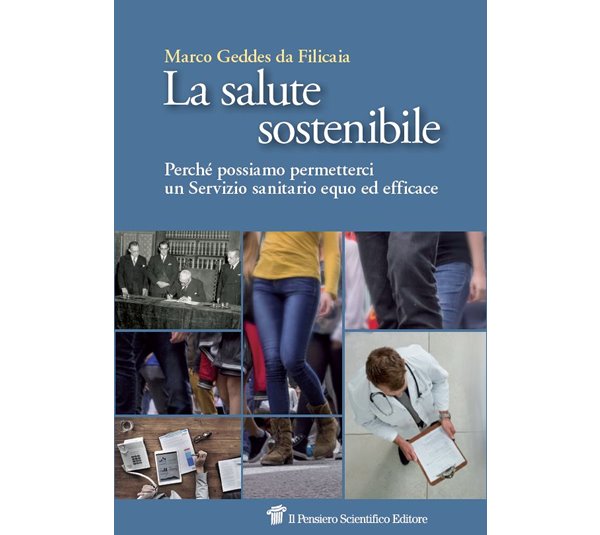
‘La Salute Sostenibile (Pensiero Scientifico Ed. 2018)’ review by Daniele Dionisio

‘Women’s empowerment:’ Ambiguous term or effective call to action? 

These Tech Philanthropists Are Looking for a Way to Make Women Safer Around the World 

Practicing What We Preach: 5 Ideas to Promote Gender Equality within and among Development Organizations 

Time for an EU marketing Directive that puts infants and children first 

Ethiopia says nearly 7.9 million people need emergency food aid 

‘Attacks and killings’: human rights activists at growing risk, study claims 

Human Rights Reader 441 

Meeting The Needs Of Aging Native Americans 

A New World Health Era 

Bloomberg’s Latest Move to Fight Big Tobacco Around the World 

Trump Is Putting Us on Course for a Global Health Disaster 

United Nations Climate Change Head Wants Donald Trump Back in the Paris Agreement 

Corrupt Medical Practices in Germany

Corruption is 'the abuse of entrusted power for private gain'[i]. Transparency International estimates a loss of 15 billion € per year due to corruption practices[ii] bound up with medical corruption in Germany alone. This definition includes many different kinds of corruption in health care and medicine. It is understood as a global phenomenon and exists all over the world including Germany[iii]

By Christiane Fisher MD MPH PhD

Medical Director, No Free Lunch, Germany MEZIS

Member of the German Ethics Council

fischer@mezis.de

Corrupt Medical Practices in Germany


In the developing world corruption is felt at every moment in life.  Often, a prerequisite to good, or even any care is a bribe.  In industrialized countries such as Germany such open forms of corruption are not often seen. As insurance coverage is compulsory and therefore close to 100% (87.5% are publicly, 12.5% privately insured), out of pocket payment for healthcare is rare. This may be why corruption practices here are rather subtle and hidden.  Nevertheless, corruption creates major problems for the healthcare system, for patients and for society.  This article will highlight some corruption practices in Germany.

Illegal or illegitim

Doctors work in Germany either in hospitals or in medical practices. Outpatients are commonly treated in a medical practice, which is often the first place patients go to for care. A medical practice usually has a single or a few doctors of the same post-graduation specialization: such as primary care physicians, pediatricians, surgeons or radiologists.

Corruption practices may involve a direct and explicit money flow or bribes. Since 2015 this is banned in Germany for all types of doctors, pharmacists and physiotherapists under the criminal code (§299 and b StGB).  As in 87.5% of the cases public insurances (and in 12.5 % private insurances) pay, how do corruption practices still take place? Examples of these corruption practices are allocations given by fellow doctors to specific hospitals or medical supply stores or other care for referring patients to them. Bussmann analyses this corruptive practice as very common. He found out that even though most doctors know that these allocations are illegal, 40% see the rule only as voluntary to follow.[iv]

In addition to these illegal corruption practices there are also illegitim aspects of corruption, such as the acceptance of benefits or the granting of undue advantages which penetrate medical practice. As they won’t be made illegal they will continue to exist. These illegitim faces of corruption involve implicit undue advantages aiming to influence physicians’ prescribing behavior, such as gifts, inappropriate remuneration for speakers or food invitations.

How to increase the market share of “me-too” drugs?

The most effective (and corruptible) instruments to change prescribing patterns are pharmaceutical representatives who promote pseudo-innovative medicines which are more expensive but offer no therapeutic progress compared to the old therapeutic standard. Boundaries between information and promotion are intentionally blurred, and pseudo-innovative drugs are promoted with pseudo-information. Through this misleading health information prescribing patterns are changed and so important health resources are wasted. According to estimates 15,000 pharmaceutical representatives visit 20 million practices and hospitals in Germany every year, advertise their products, bring their gifts and remunerate doctors for post marketing surveillance studies (PMSS). They treat doctors to lunch or dinner and pay participation and travel fees for Continuing Medical Education programmes (CMEs).[v]

One example of such a pseudo-innovative drug is Inegy® (ezetimib&simvastatin fixed dose combination), a medicine to treat familiar hypercholesterolemia. However, Kastelein et al found out that the fixed dose combination of ezetimib & simvastatin does not result in a therapeutic progress, as compared with simvastatin alone.[vi] The price difference by contrast is remarkable, the pseudo-innovative Inegy® is 14 times costlier. While the price for 100 tablets of Inegy® in Germany is 224.65 €, 100 tablets of the generic version of the at least equally effective simvastatin (20 mg) are available for 18.03 €.

Drug promotion

In Germany direct to consumer advertisement (DTCA) of prescription drugs is illegal and pharmacies dispense prescription drugs only with a doctor’s prescription. As frequent use of pseudo-innovative information / promotion from pharmaceutical representatives is associated with increased prescribing costs[vii], the role of pharmaceutical representatives in drug promotion is most relevant for the marketing strategy of the pharmaceutical industry.  Logically they see it as a major problem that nearly half of prescribers restrict pharmaceutical representatives’ access.[viii].  In Germany alone 77% (n=160) of doctors are seen weekly, 19% (n=39) even daily  by  pharmaceutical representatives.[ix]

Post-marketing surveys as a marketing instrument

In theory, post-marketing surveys are observational studies meant to systematically collect knowledge about safety, effectiveness, benefits and adverse side-effects of newly registered drugs. However the reality is different. One corruptive strategy in Germany to change prescription behavior with post marketing studies are ‘Anwendungsbeobachtungen’. They are company run post marketing surveys. However in reality they are more an alternate drug pricing mechanism designed to increase the market share by creating awareness for new and expensive drugs and therefore to substitute the newer, more expensive drug for a cheaper,  equally effective treatment. Beatrice et al found out that only 58 % of 330, 000 Anwendungsbeobachtungen were performed with medicines that had been authorized within the past 5 years; 68 % of the drugs in the  Anwendungsbeobachtungen were older than 5 years, and 19 % even older than 19 years[x]. As Transparency International examined, between 2008-2010 half a million patients and 126,764 doctors participated, costs were assessed half a million € per ‘Anwendungsbeobachtung’, each doctor was paid in average 19.000 €.[xi]

Drug samples influence prescribing patterns

The same is the case for drug samples. Doctors with access to drug samples chose unadvertised drugs significantly fewer times than physicians without access to samples, as Adair and Holmgren have shown. Therefore the influence of drug samples on prescribing patterns needs to be interpreted as part of this biased information and therefore as a corruptible instrument too.[xii]

How continuing medical education programmes are misused

As for the continuing medical education (CME) programmes for doctors that are run or sponsored by pharmaceutical companies, MEZIS estimates that in the majority of cases companies ensure that the “right” topics are covered aiming also to use CMEs to change prescribing patterns. Medical speakers often receive inappropriate remuneration. Some even have their slides provided by sponsors.

Why do doctors attend these biased CME programmes?  Participating doctors usually pay a fee for producer-independent CMEs, and pay for their own travel and food. However, in company-oriented CMEs doctors are treated to lunch or dinner and their participation and travel fees are paid for by the company. Unsurprisingly, advertising for costlier, pseudoinnovative drugs replaces objective information.  To fund attending doctors more than travel costs and conference fees is not in concordance with §32 of the German Medical Association’s Professional Code of Conduct [xiii];  nevertheless, it is done rather regularly.

An ethical medicine is possible

Changes in practice and policy include an increase of transparency, such as the US Physicians Payment Sunshine Act [xiv], and access to independent information and independent doctors’ initiatives, such as No Free Lunch Germany (MEZIS).

The aim of MEZIS is to tackle corruption practices in Germany:

  • MEZIS fights the ubiquitous influence and unwarranted power of the pharmaceutical industry in healthcare. MEZIS aims not to welcome pharmaceutical representatives nor gifts in their hospitals and practices, and does not use samples.
  • MEZIS raises awareness among fellow doctors and medical students that accepting pens, food, trial sponsorship, travel expenses and remuneration for post marketing surveillance studies (PMSS) makes one’s prescribing habits vulnerable to influence.
  • MEZIS demands a clear prohibition of influencing and corruption in the regulations of medical professionals.
  • MEZIS promotes producer-independent information and Continuing Medical Education programmes (CMEs) as well as medical software that is free from advertising. The medical chamber of Berlin has withdrawn CME points for an industry sponsored training programme.
  • MEZIS advocates to ban corruption practices through the criminal code. Our advisory opinion is merged into the draft law.
  • MEZIS is part of the worldwide “No free lunch”- network. This shows that an ethical medicine is possible, which builds on a trustful, equitable and healthy relationship between doctors and patients.


References

[i]             Transparency International. FAQs on corruption [Internet]. 2013 [cited 2018 March 8].

[ii]           Transparency International. Transparenzmängel, Korruption und Betrug im deutschen Gesundheitswesen – Kontrolle und Prävention als gesellschaftliche Aufgabe. 2008, S. 5.  [cited 2018 March 8].

[iii]          Fischer C. Corruption in healthcare – a problem in Germany, too. Indian Journal of Medical Ethics. 2014;11(2).  [cited 2018 March 8].

[iv]          Bussman KD.  Improper collaboration in health care by “assignment for consideration”. Martin-Luther-University-Halle-Wittenberg: Economy Crime and Research Centre; Berlin. 2012. German.

[v]     [cited 2018 March]. Available from:www.mezis.de

[vi]          Kastelein JJ, Akdim FStroes ESZwinderman AHBots MLStalenhoef AF et al. Simvastatin with or without ezetimibe in familial hypercholesterolemia. N Engl J Med. 2008 Apr 3;358(14):1431-43. [cited 2018 March 8].

[vii]          Caudill TS, Johnson MS, Rich EC, McKinney WP. Physicians, pharmaceutical sales representatives, and the cost of prescribing. Arch of Fam Med. 1996;5:201-6.

[viii]         Staton T. How can pharma reps score face time with doctors? [Internet]. Fierce Pharma. 2013 Aug 13 [cited 2018 March 8].

[ix]    Lieb K, Brandtönies S. A Survey of German Physicians in Private Practice About Contacts with Pharmaceutical Sales Representatives, Dtsch Arztebl Int 2010; 107(22): 392-8. [cited 2018 March 8].

[x]        Beatrice K, von Jeinsen G, Sudhop T. A 1-year cross-sectional analysis of non-interventional post-marketing study protocols submitted to the German Federal Institute for Drugs and Medical Devices (BfArM). Eur J Clin Pharmacol. 2013 Jul; 69(7): 1453–66.

[xi]          Transparency International. Forschung oder Korruption? Ludwig Boltzmann Institut. Newsletter Feb 2015 Cr. 134 Forschung oder Korruption? [cited 2018 March 8]

[xii]               Adair RF,A-t. Holmgren LR. Do drug samples influence resident prescribing behavior? A randomized trial. Am J Med. 2005 Aug;118(8):881-4.

[xiii]   Medical law: (Muster-) Berufsordnung für die in Deutschland tätigen Ärztinnen und Ärzte (Stand 2011). – MBO-Ä 1997 in der Fassung der Beschlüsse des 114. Deutschen Ärztetages 2011 in Kiel [(Model) Code of Conduct for doctors working in Germany (as of 2011)-MBO-A 1997- as amended by resolutions of 114 German Doctors’ Day 2011 in Kiel] [Internet]. 2013 Jan 29; [cited 2015 Feb 1]. [cited 2018 March 8].

[xiv]   Library of Congress (Thomas.gov).   Physician Payments Sunshine Act of 2009.  111th Congress (2009-2010) Senate bill.301.  [cited 2018 March 8].

Review: La Salute Sostenibile (The Sustainable Health)

A forward-looking,  balanced analysis, with insightful suggestions for solution, over the impending threats and gaps still jeopardizing non-discriminatory access to global health in Italy

By  Daniele Dionisio

PEAH – Policies for Equitable Access to Health

Review

LA SALUTE SOSTENIBILE

Authored by Marco Geddes da Filicaia*

 Il Pensiero Scientifico Editore, 2018

Brochure


This book represents a convincing attempt to put clarity on the current debate whether health sector universal and equitable access in Italy should be guaranteed by (and mostly depend on) public financing only or, rather, a combined approach based on public funding and private assurance systems.

The debate entails some inherent questions: Is the growing trend of public health spending in Italy unavoidable in the long run? Is a combined public/private system expected (and proved) to work better in terms of effectiveness, efficacy and equity?

The introduction and the eleven chapters of the book are like-minded and uniformly structured in their will to provide a basis for reflection and key take-home messages. To this aim, tables, boxes and figures are included as instrumental in enhancing clarity while adding building block information for the sake of readers – be they citizens, students, stakeholders, politicians or advocates.

The first section of the book analyses the Italian expenditure for health (in comparison with other countries) and its future projections, and reports around the reasons and size of national health cuts in funding. Without forgetting the underlying realities (meaning the interests of involved parties) pushing towards private assurance solutions.

The second section turns the spotlight on how to keep up national health service sustainability in the future, where some recipes are suggested for the accountable leaderships. These encompass health spending containment strategies based on avoiding waste, putting a transparent drug price control in motion, reallocating investments from poorly effective to valuable ones, and improving population health through reinforcing all-kind prevention measures. Recipes also include pushing for a coordinated response to fight corruption (while refraining from being caught with corporate holdings in a circle of mutually reinforcing political and commercial interests over public health concerns).

So compounded, the book allows the readers to understand (while offering itself explanation of) the reasons behind a host of issues accounting for the drift towards private health financing options as part of unbridled neo-liberal policies deceptively meant as the driver for economic prosperity.

No wonder that ingrained neoliberal globalization underpinning unfettered trade liberalization (meaning collusion between national-transnational corporations and their political counterparts) is currently responsible for the social inequities and health worsening worldwide.

Italy is no exception to the rule if we have to accept, as maintained by AE Byrn, Y Pillay and TH Holtz in their Textbook of Global Health (2017 edition, Oxford University press), that ‘..the exigencies of market competition and enormous corporate power mean that governments privilege economic priorities and corporate interests over social and environmental needs, even in settings where democratic institutions and decision-making processes are marked by integrity and representativeness…’

Under these circumstances, and consistent with the overall book insights, the Author infers that Italian government should tackle neoliberal drives in an efficient manner to ensure that citizens enjoy equal health benefits on an equitable basis, while advancing global health through public financing over political and commercial interests.

He staunchly messages that interests for the many, not the few, are to be prioritized in Italy to secure non-discriminatory access to health. As such, he calls on decision makers to keep up an effective public health system for nationwide universal coverage, whereby selective interventions can be put in motion for the sake of disadvantaged people, including immigrants and the new poor.

In this connection, the book aligns with a statement made by the Karolinska Institutet Vice-Chancellor Ole Petter Ottersen ‘Achieving health equity is not just a matter of coming up with technical solutions and providing the means to finance them.  We have to consider the political landscape and rectify the dysfunctions that undermine health.’

In a nutshell, this book provides a forward-looking, balanced analysis, with insightful suggestions for solution, over the impending threats and gaps still jeopardizing non-discriminatory access to global health in Italy.

Written in easily readable, brilliant Italian language, the book is a very commendable piece of work. It would definitely deserve to be translated into English and let interested readers worldwide enjoy up-to-date, in-depth information on the debate about public health situation and trends currently in Italy.

Find links to Table of contents, Introduction and 11th (final) Chapter sections enclosed below to allow readers to enjoy first-hand the leading themes and fascinating style of this book:


……………………………………………………….

*About the Author


Marco Geddes da Filicaia

Formerly, Chief Medical Officer National Tumor Institute of Genoa; Chief Medical Officer Firenze Centro Hospital Center; Vice-President Italian Health Council; Councilor Department of Health and Human Services Firenze Municipality.

Some of the many books by Marco Geddes: Trattato di Sanità Pubblica (Editore NIS); Guida all’Audit clinico (Il Pensiero Scientifico Editore, 2008); Le Tavole del Regolamento dei Regi Spedali di Santa Maria Nuova e di Bonifazio (Polistampa, 2008); Cliente, paziente, persona (Pensiero Scientifico Editore, 2013); Peste. Il ‘flagello di Dio’ fra letteratura e scienza (co-authored with Costanza Geddes da Filicaia: Polistampa, 2015).

Together with Giovanni Berlinguer, Geddes has edited the annual report La Salute in Italia (Ediesse).

He is a scientific committee member of the quarterly review Prospettive sociali e sanitarie.


Health Breaking News: Link 277

Health Breaking News Links, as part of the research project PEAH (Policies for Equitable Access to Health), aim to focus on the latest challenges by trade and governments rules to equitable access to health in resource-limited settings

Health Breaking News: Link 277


EPWG Statement on US Pharma Industry Request to put EU on IPR Enforcement Watch List 

MSF welcomes Members of the European Parliament response to the US pharmaceutical pressure to stop EU action on high drug prices 

EU to Get Rid of Big Pharma-Friendly SPCs 

Proposed Reforms To The 340B Drug Discount Program 

International Women’s Day: Reminder women must keep fighting — everywhere 

International Women’s Day 2018 – Celebrating women in STEM 

How empowering women leads to innovative agricultural practices 

Bringing health care on foot to women in Haiti 

‘Finally in the (Global Health) Spotlight, Nurses Now!’ by Clara Affun Adegbulu 

Targeted STI testing detects more infection in young women than men in rural South Africa 

Big Problem, Limited Funds: Can Philanthropy Make Headway on Housing? 

Human Rights Reader 440 

Cambodia: Going the extra mile for people who inject drugs 

UNPO Newsletter February 2018 edition 

Aid, poverty and gender inequality in the Indo-Pacific 

‘Global Health and Occupied Palestine’ by Angelo Stefanini 

Towards new Guiding Principles: United Nations discusses the human rights impact of economic reforms 

‘Overcoming Public Health’s Perception Challenges’ by Lawrence C. Loh 

The Surgical Unit-based Safety Programme in African hospitals 

TDR strategy 2018-2023 Building the science of solutions  

Moxidectin: new data support a vital role in the endgame on river blindness 

WHO pre-qualifies the first artesunate suppositories for malaria 

Test spots malaria in two minutes, without blood 

WHO Joint Tropical Disease Program Issues Report On Research Fairness 

One year, 1,198 patients in Uttar Pradesh, MSF’s hepatitis project 

Pharma, Nonprofits Collaborate On Affordable Hepatitis C Treatment In Latin America 

Integrating HIV and hypertension management in low-resource settings: Lessons from Malawi 

Study: TRIPS Flexibilities Widely Used By Countries, Contrary To Reports 

Improving Health And Equity While Addressing Climate Change 

U.N. Chief Picks a Very Rich New Yorker (Not Named Trump) for Climate Job 

Greenpeace: Cut out meat to meet Paris Agreement goals 

U.N. collates global disaster data to help reduce risk 


Finally in the (Global Health) Spotlight, Nurses Now!

With nurses being at the vanguard of health service delivery in many countries, it is obvious that their voices must be heard loudly, if good, effective policies and interventions are to be implemented. They must be empowered to participate in a meaningful way, in the planning, implementation and evaluation stages

By Clara Affun-Adegbulu*

Intern and Researcher, Health Policy Unit, Institute of Tropical Medicine in Antwerp, Belgium; Masters (MPH) student, University of Vienna, Austria

Finally in the (Global Health) Spotlight, Nurses Now!


Last week, on the 27th of February, Burdett Trust for Nursing, in collaboration with the World Health Organization (WHO) and International Council of Nurses, launched Nursing Now with a series of events worldwide. Nursing Now is a global campaign that aims “to improve health globally by raising the profile and status of nurses worldwide – influencing policymakers and supporting nurses themselves to lead, learn and build a global movement.”

As a nurse, and someone who is passionate about improving health, healthcare and access to healthcare, I am happy about this development. This is because even though globally, nurses account for almost 50% of the health workforce, they have, for far too long, been left out of global health discussions. In fact a quick scan through the CVs of many of the actors within the global health community, would show that doctors, economists, anthropologists, and other social scientists dominate the arena of health systems research and policy, with  nurses being highly underrepresented. Yet they play an important role in health systems all over the world, and will be critical to the achievement of the Universal Health Coverage (UHC) goal that was set during the 58th World Health Assembly in 2005.

According to the WHO, universal health coverage “means that all people and communities can use the promotive, preventive, curative, rehabilitative and palliative health services they need, of sufficient quality to be effective, while also ensuring that the use of these services does not expose the user to financial hardship.” Clearly, a key factor to the achievement of this goal, is the quality of health services which should be “good enough to improve the health of those receiving services.”

With nurses being at the vanguard of health service delivery in many countries, it is obvious that their voices must be heard loudly, if good, effective policies and interventions are to be implemented. They must be empowered to participate in a meaningful way, in the planning, implementation and evaluation stages.

How can this be done?

Firstly, the nursing cadre must be recognised as a fundamental part of the health system. This recognition should go beyond just empty words, and should be accompanied by fair pay for the people at the frontlines who are often the face of the health system. This will have the double effect of promoting gender equality, and sustainable development particularly in developing countries. Most crucially, fair pay for their work will show nurses all over the world, that they are as valued as any other member of the health profession, and their contributions are just useful and important. This is vital, because many nurses, as a result of constant belittling, do not think they have anything to contribute the health systems and policy discussions and debates.

Secondly, nurses should be trained properly and supported in their desire for professional development. They should also be encouraged to seek out further education opportunities particularly in research and academia. This would automatically give more of them, access to leadership positions, as well as the “rarefied” arenas where global health discussions take place.

There are many different solutions to this complex issue, but in my opinion, these are the two most urgent ones. They will of course not solve the problem of the lack of nurses’ participation in policy-making for health, but it is a good start.


————————–

* Nurse and Public Health Masters student at the Medical University and University of Vienna. She is currently interning as a research assistant at the International Health Policy unit of the Institute of Tropical Medicine, Antwerp, working on a literature review project on health systems strengthening. Clara is particularly interested in global health and development policy


EPWG Statement on US Industry Request to Put EU on USTR’s Watch List

European Parliament Working Group (EPWG) on Access to Medicines 

EPWG Statement on US Pharma Industry Request to put EU on IPR Enforcement Watch List


6 March 2018 

We, the Members of the European Parliament Working Group on innovation, access to medicines and poverty- related diseases, hereby express our strong condemnation of the request from the US pharmaceutical industry trade body, PhRMA, to add the European Union to the United States Trade Representative’s (USTR) “Special 301” watch list.

We condemn this bullying tactic, aimed at influencing the work the EU has undertaken to review intellectual property (IP) incentives that create spiraling drug prices without raising the bar on innovation, and failing to serve EU citizens and governments. Prominent among them is a proposed revision of Supplementary Protection Certificates (SPCs) mechanism, which unnecessarily extends drug monopolies beyond the 20-year term of a patent.

The EU should not be penalized or discouraged from reviewing the negative impact of the current IP related incentives on biomedical innovation, as requested by the EU Council Conclusions on “Strengthening the Balance in the Pharmaceutical Systems in the EU and its Member States” from June 2016. We recommend that the European Commission continue its enquiry into how different IP incentives, and SPCs in particular, contribute to high medicines prices and therefore undermine universal access to treatment.

This PhRMA request is the latest in a familiar pattern of efforts by pharmaceutical corporations to coerce and pressurize governments through their various lobby groups, preventing them from using legal means to safeguard access to medicines, and pursue reforms which would better balance public health, access to medicines and competition with intellectual property regimes.

Pharmaceutical corporations, backed by the US government, have exerted continued pressure on India to offer more monopolies, stringent IP enforcement mechanisms and a moratorium on compulsory licensing at the expense of access to affordable medicines and public health safeguards.

At this very moment, PhRMA and the US government are currently pressuring the Colombian government to step back from efforts to introduce generic competition in response to the unaffordable price of Novartis’ cancer drug imatinib mesylate (Gleevec). If both the Indian and Colombian governments cave to this pressure, it could severely restrict access to affordable medicines in the future, with disastrous consequences for millions of people around the world.

It is of critical importance to respect countries’ sovereign rights to uphold health safeguards available under the World Trade Organization (WTO) Agreement on Trade-Related Aspects of Intellectual Property Rights (TRIPS Agreement) and to implement these legal flexibilities in national law, policies and practices to balance private commercial interests with the right to life, treatment and health.

In particular, we note that a number of the companies that make up the membership of PhRMA are European. We urge them to clearly distance themselves from both this crude attempt to quash legitimate debate and investigation into the impact of business model on the health of their fellow European citizens, and PhRMA’s demands to sanction developing world countries for using legal means to secure affordable medicines.

We call on the EU to stay firm in face of US corporate pressure and to renew its commitment to review its IP incentives system, prioritising the health of patients and equitable access to medicines.

Reprinted from the original:

https://www.msfaccess.org/sites/default/files/MSF_assets/IP/Docs/6%20March_Draft%20statement%20EPWG%20Special%20301%20report%20rev.pdf


——————————————————————

Additional links

MSF welcomes Members of the European Parliament response to the US pharmaceutical pressure to stop EU action on high drug prices 

PhRMA Special 301 submission 2018

EU to get rid of big pharma-friendly SPCs


Global Health and Occupied Palestine

The occupied Palestine may be viewed as the intersection of public health, human rights and international humanitarian law. She is therefore well suited to illustrate the new concept of Global Health intended as a "reflecting critical space" which recognises transnational health and disease processes as "strongly socially oriented and characterized by the paradigm of complexity (and therefore necessarily interdisciplinary)". A global model of socio-political determination of health, the occupied Palestine serves as a lens through which to verify the seriousness of our commitment to the norms and principles that seventy years ago the whole humanity, as United Nations (UN), has consensually founded to protect her survival
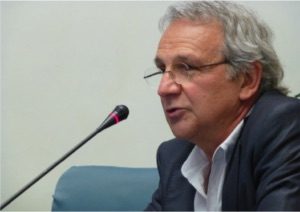
By Angelo Stefanini

Centre for International Health, University of Bologna (Italy)

 Global Health and Occupied Palestine 


“The metaphor for Palestine is stronger than the Palestine of reality.”
Mahmoud Darwish, Palestinian poet, 1941-2008


Discussing Global Health in the occupied Palestine[1] entails exploring crucial issues of great importance for a region that for over fifty years has being militarily occupied, progressively colonized and violated in its fundamental rights[2].

Global Health can be defined as a “reflecting critical space” which recognises transnational health and disease processes as “strongly socially oriented and characterized by the paradigm of complexity (and therefore necessarily interdisciplinary)”[3]. It is thus not surprising that the current, pervasive bio-medical culture, which claims to be a-political, finds considerable difficulty in conceptualizing this vision of social and political determination of health.

To understand why what happens in the occupied Palestine and to the health of Palestinians does matter to the health of the entire world, it is necessary to situate the local liberation struggle in relation to a number of global processes that, directly or indirectly, affect the daily life of all of us.

Neo-liberalism as National Liberation (or “Free Market in an Occupied Country”)

A global process differently perceived by a large part of the world population and with a profound relevance to the Palestinian case is the widespread, increasing loss of fundamental human rights (such as health, education, work, etc.) which neo-liberal globalization has being brought about over the last decades.

Despite being born as an integral part of a broader political project of anti-colonial struggle and creation of a just world order, the Palestinian national liberation movement, once in power as Palestinian National Authority (PNA), did not keep its promises and ended up protecting the privileges of the national bourgeoisie and of international investors[4].

As happened to the African National Congress (ANC) in South Africa and to the countries of the former Soviet bloc, PNA has been the victim of the neoliberal globalization’s irresistible “logic” that has seen it suddenly becoming, through a boldly crafted shock therapy[5], an emblematic case of authoritarian neoliberalism.

The 2009 programme document for the creation of the Palestinian state, unsurprisingly highly commended by the World Bank and the International Monetary Fund (IMF), asserts “The economic system in Palestine shall be based on the principles of a free market economy”[6]. In the context of a historic crisis of legitimacy of the Palestinian national movement, torn apart by unprecedented internal political divisions, the programme, drafted by an unelected government and headed by a prime minister, Salam Fayad, direct expression of the IMF, outlines an apparently autonomous strategy to achieve the form of a state based on neoliberal orthodoxy, where cuts in public expenditures, trade liberalization and privatization of state enterprises are top of the agenda. Warmly received by a predictably favourable international recognition, this national emancipation through neoliberalism actually redefines a type of Palestinian liberation struggle so far unknown: “Neo-liberalism as national liberation”[7].

In reality, the occupied Palestine ironically illustrates how a neoliberal economic regime under colonial yoke may turn out as a case of captive economy[8]. In fact, in the West Bank and Gaza Strip a complex system of military and civil laws and regulations dictated by the occupying power ensures that a “free” market, where the Palestinian pharmaceutical industry might indeed have a significant role to play, is instead “prisoner”, dominated by Israeli and international competition with detrimental effects on the price of drugs and consequent restricted access to health care for the Palestinian population.

A model of a “state of exception”

A second global process with both direct and indirect effects on global health is the relentless weakening of the international legal framework established at the end of the Second World War, i.e. the international humanitarian and human rights law with the United Nations (UN) as its guarantor. This disastrous trend goes along with the international community’s acquiescent acknowledgment of being in a constant “state of exception”[9], characterized by the legal suspension of the rule of law and consequent enactment of liberticidal laws as an ordinary condition for waging the “war on terrorism”. In such a context the construction of walls, real and symbolic, emerges as the coherent answer to the unstoppable migratory phenomenon and to the flight of desperate masses from violent conflicts, natural disasters and despair.

If this is the condition that now seems to be looming over the Western world in the near future, the same has been for years the daily life of occupied Palestine. The wall that Israel has built, not just to lock the Palestinians in their own land but as a new border that transfers vast areas of that region to the Israeli side, embodies the violent and overpowering nature of those everywhere building barriers with the false pretext of security.  Every year a Special Rapporteur, an independent expert appointed by the United Nations Human Rights Council, reports on the situation of human rights in the Palestinian territories occupied since 1967. His/her findings, describing in detail the violations of Palestinian human rights carried out by the state of Israel, are publicly available[10]. Dozens of resolutions and UN requests to end Israel’s prolonged occupation and allow the Palestinian people to exercise its right to self-determination have been falling unheard.

The failure of the international community to respond to this arbitrary behaviour has produced a culture of impunity that allows Israel to feel entitled to any wrongdoing. At the peak of the recent so-called “stabbing intifada”, only brave journalists like the Israeli Amira Hass[11] dare to ask whether the army world leader in self-defence techniques has no choice but to execute in cold blood young assailants holding bare knives. Israeli “exceptionalism” has not only become normal, indeed is providing a precedent that other countries do not hesitate to follow in their own “war on terrorism”.

Similarly, the same oppressor, the Israeli settler who is illegally[12] grabbing Palestinian land in the West Bank and East Jerusalem, is shamelessly making a surreal inversion of the principle of human rights and of the categories of victimhood, guilt and abuse. This has given rise to the human right of settlers to expropriate indigenous populations, the human right to war legalized with drones, the human right to targeted killings and summary executions[13].

Global War Lab

The occupied Palestine illustrates the disturbing example of how Western powers understand “global war”. It is a subliminal surveillance war that the Israeli anthropologist Jeff Halper defines “securocratic war”, disguised as a “war on terrorism”, which fuels fear among the population, thus justifying the militarization of everyday life and of the whole society. What is needed to conduct this war is not only sophisticated conventional weapons; new military equipment, hi-tech surveillance systems, crowd control and biometric data collection are the novel tools of the trade[14].

This system of repression and control has been, and continues to be designed and tested in Israel and in the occupied territories over decades of “counter-insurgency” against the Palestinian population. In fact, the occupied Palestine represents the human laboratory in which Israel has been able to develop the skills and the technologies to promote herself to the outside world as “securityland”.

According to Jeff Halper, the importance of this mode of control lies in the fact that it responds to the ever more pressing preoccupation of global capitalism to maintain a favourable social order against the intolerable situations that it has created, such as increasing inequalities, civil wars and forced migration of hopeless populations.

From the “Israelification” of the US police to the “Palestinization” of the African-American uprising in Ferguson, Iraq and the refugee problem in the Middle East, the global ramifications of the Palestinian case are numerous.[15] [16]

The occupied Palestine as a global laboratory of the advancing hegemony of the state of security is also functional to the normalization and institutionalization of the so-called “chronic emergencies”, an oxymoron that is now part of the humanitarian language. Accepting this condition of chronicity as inevitable and necessary, in fact, is tantamount to legitimize a nation-state which on the altar of “security” has founded its existence, which may justify everything, even the unjustifiable, as a “right of self-defence” and on this right it builds its own case for impunity.

As stated by the Israeli historian Avi Shlaim in the wake of the Israeli attack on Gaza in 2009: “The unreported goal [of the war] is that the Palestinians of Gaza are seen by the world simply as a humanitarian problem thus deflating their struggle for the independence and for the birth of a state”.[17]

As long as a situation is defined as ‘emergency’, thus urging short-term interventions, the structural causes that are at the roots of the problem will inevitably remain in the background and distant in time.

The case of the occupied Palestine and of Gaza in particular as a humanitarian problem is evidently an expression of a global crisis of humanitarianism applicable to a number of other geo-political areas which for obvious, if unspeakable, interests the entire world prefers to see as “simple” humanitarian crises and where it is precisely these noble humanitarian efforts that prevent, perhaps unconsciously, a political solution.

Conclusion

The occupied Palestine portrays the image of a geo-political and symbolic space where global dynamics such as public health, human rights and international humanitarian law intersect. Far from being simply influenced by these processes, Palestine serves as a lens through which to verify the seriousness of our commitment to the norms and principles that the whole humanity has consensually founded to protect her survival. This was certainly what Nelson Mandela meant when he described Palestine as “the greatest moral question of our time”.

Note:

A slightly different Italian version of this post appeared on the blog saluteinternazionale.info at this link http://www.saluteinternazionale.info/2017/09/palestina-neo-liberismo-in-paese-occupato/


References

[1]These personal reflections are the result of the discussion that invigorated an otherwise perhaps boring training course (entitled “An Introduction to Global Health and Its Relevance to Palestine”) held from July 10 to 13, 2017 at the University of Birzeit (occupied West Bank). I thank the participants of the course for their unaware contribution to this paper.

[2] Israel: 50 Years of Occupation Abuses. Human Rights Watch, 04.06.2017. https://www.hrw.org/news/2017/06/04/israel-50-years-occupation-abuses Accessed on 02/03/2018.

[3] Stefanini A, Bodini C. (2016) Salute Globale: Uno Scenario Conflittuale, in (a cura di) A.A. Ferla, A. Stefanini, A. Martino, Salute Globale in una Prospettiva Comparata tra Brasile e Italia, Porto Alegre, Brasile/Bologna, Italia – Rede UNIDA/CSI-Unibo. Pp. 13-34.

[4] Khalidi R, Samour S. Neoliberalism as liberation: The statehood program and the remaking of the Palestinian national movement. Journal of Palestine Studies 2011; 40(2), 6-25.

[5] Klein N., The Shock Doctrine: The Rise of Disaster Capitalism. Penguin, 2007.

[6] Ending the Occupation, Establishing the State (Ramallah: Palestinian National Authority, 2009). P.7. https://unispal.un.org/pdfs/PA_EndingOccupation-Statehood.pdf Accessed on 02/03/2018.

[7] Khalidi R, Samour S. (2011) Op.cit.

[8] Captive Economy. The Pharmaceutical Industry and the Israeli Occupation. The Coalition of Women for Peace / Who Profits, March 2012. https://whoprofits.org/sites/default/files/captive_economy_0.pdf Accessed on 02/03/2018.

[9] Agamben G., Stato di eccezione. Torino: Bollati Boringhieri, 2003. English translation: Agamben G., State of exception, University of Chicago, 2005.

[10] Situation of human rights in the Palestinian territories occupied since 1967. https://documents-dds-ny.un.org/doc/UNDOC/GEN/N17/340/02/PDF/N1734002.pdf?OpenElement  Accessed on 02/03/2018.

[11] Hass A., Israel’s Cloned Security Guards. Haaretz.com, 26.07.2017. https://www.haaretz.com/opinion/.premium-israel-s-cloned-security-guards-1.5434828 Accessed on 02/03/2018.

[12] Resolution 2334 (2016) Adopted by the Security Council at its 7853rd meeting. 23.12.2016 http://www.un.org/webcast/pdfs/SRES2334-2016.pdf  Accessed on 02/03/2018.

[13] Perugini N. and Gordon N., The Human Right to Dominate, Oxford University Press, 2015.

[14] Halper J., War Against the People: Israel, the Palestinians and Global Pacification, Chicago University Press, 2014.

[15] Giraldi P., America’s Militarized Police – Made in Israel? The Unz Review, July 25, 2017. http://www.unz.com/pgiraldi/americas-militarized-police/ Accessed on 02/03/2018.

[16] Tamari S. and Thompson T., From Ferguson to Palestine, We See Us. Huffingtonpost.com, 10.16.2015. https://www.huffingtonpost.com/sandra-tamari/from-ferguson-to-palestine_b_8307832.html Accessed on 02/03/2018

[17] Feldman I. Gaza’s Humanitarianism Problem. Journal of Palestine Studies 2009; 38(3), 22-37.

 

Health Breaking News: Link 276

Health Breaking News Links, as part of the research project PEAH (Policies for Equitable Access to Health), aim to focus on the latest challenges by trade and governments rules to equitable access to health in resource-limited settings

Health Breaking News: Link 276


TDR publishes assessment of its research fairness 

Research Fairness Initiative (RFI) Brochure 

Global Health Watch:GHW5: Contents, upcoming launches, where to buy the book

Data on slums holds key to more resilient cities 

Improving Health And Equity While Addressing Climate Change 

Index insurance trialled in sub-Saharan Africa as part of climate change fight  

Famine again a threat in South Sudan, new report says 

Africa ‘set to miss UN development goal on malnutrition’ 

Can the digital revolution transform agriculture?  

Health and education: The link between DFID’s aid allocation and a country’s ability to pay 

UN Briefing: Promoting Innovation and Access to Health Technologies in the Context of Agenda 2030 Tuesday 6 March 2018 from 1.30pm to 3.30pm in Conference Room 3 at the UN Headquarters in New York 

Health in the SDGs and the 13th GPW: Can WHO break out of the chokehold? 

Center for Global Development: Practicing what we preach: How can development organizations do better on women’s equality in the workplace? Tuesday, March 6, 2018 – 4:00pm to 5:30pm 

Women carry the burden of Ugandan war trauma 

Programme for ICIC (International Conference on Integrated Care)18 Now Available to Download! 

WTO TRIPS Council Looks At IP And The Public Interest, Importance Of Research Exemption  

New estimates for England suggest 20% of antibiotic prescribing is inappropriate 

Q&A: Tackling poor-quality medicines to prevent AMR 

WHO: Denmark campaign rebuilds confidence in HPV vaccination 

The Return of a Forgotten Killer 

WHO pre-qualifies the first artesunate suppositories for malaria 

Malaria parasite route to Americas traced  

The World Health Organization Wants You To Worry About “Disease X” 

The potential impact of case-area targeted interventions in response to cholera outbreaks: A modeling study 

Preventing cholera outbreaks through early targeted interventions  

TDR, the Special Programme for Research and Training in Tropical Diseases 

The health science missing in Rwanda, South Africa 

Why Aren’t Community Foundations Supporting Native American Causes? 

Human Rights Reader 439 

The Need for New Approaches to Global Health Aid Allocation 

Overcoming Public Health’s Perception Challenges

As the field concerned with society’s organized efforts to improve health at a population level, public health relies on myriad partnerships to achieve their goals – with healthcare providers, with the public, and with many other sectors such as schools, non-profits, and legislators.  

One of the biggest challenges in forging these partnerships? Helping people understand exactly what public health is and isn’t.

By Lawrence C. Loh*

Adjunct Professor, Dalla Lana School of Public Health, University of Toronto, and Director of Programs at The 53rd Week Ltd

Overcoming Public Health’s Perception Challenges


As an early-career public health practitioner, I’ve had the great fortune of learning very early on that partnerships are critical to the success of public health initiatives.

I’ve also learned that while many members of our workforce come through training for the acute healthcare system (one thinks not only of physicians, but public health nurses, research methodologists, analysts, epidemiologists and statisticians among others), our business is very different from that of healthcare and the extent of our partnerships carefully circumscribed to a large extent.

Beyond our connections to healthcare, I have also witnessed the importance of partnerships with other sectors beyond hospitals and clinics that truly drive health at a macro level – such as working with planning and transport departments on building healthy, complete communities, or with legislators in enacting laws that change context, such as successes with smoking bans, or targeting childhood obesity through healthy eating in schools. In all cases, the overarching health of the public is our primary focus and the context of our community our ultimate tapestry.

This need to partner means that encountering someone outside our field makes it refreshing and easy to start a conversation. Too often, though, public health experiences various challenges in sharing our goals and why we do what we do – mostly due to perceptions that sometimes seem pervasive. This commentary explores, from anecdotal but frequent experiences, some of the key perceptions encountered when working with healthcare partners and non-healthcare partners or the general public.

Healthcare misperceptions

Besides being occasionally forgotten altogether (such as the time when Canada’s Society of Obstetricians and Gynaecologists released a new website to help people find places to get tested for sexually transmitted infections—without including links to any of public health’s sexual health clinics) healthcare provider views of public health commonly encompass several broad themes:

  • Public health as catch-all / safety net: Perhaps reflecting the subspecialized nature of healthcare fields, some providers often think of public health as a potential venue for issues they have identified that don’t seem to have an immediate “owner”. At planning tables, I’m often asked if it’s public health’s responsibility to raise awareness around medical assistance in dying, or to assist with smoother transitions of care between community settings and the hospital, issues that are more appropriately and already adeptly handled by palliative care and healthcare administration colleagues respectively.
  • Public health as “anything that isn’t clinical”: Another common heuristic among clinicians is that anything that isn’t clinical is public health practice. I often hear stories, excitedly recounted, about how folks are “getting more into public health” as a result of crunching data from their clinical trials, teaching medical students, or sitting on a hospital committee. The most common example is the confusion between healthcare administration and public health, the former of which involves the organization of the healthcare system to improve system outcomes; the latter which involves working with partners to organize society to improve health.
  • Public health as “advocacy, and it’s easy… anyone can do it”: The other tack is that public health’s vast mandate to address issues that impact on community health means that its name is famously co-opted by advocates to describe their work on a specific issue of importance to public health. While certainly making important contributions, too often clinician advocates ascribe a certain ease to balancing “public health” and their clinical career owing to their various pet projects. This viewpoint occasionally presents a difficult starting point for a partnership, especially if contexts limit just how far the public health practitioners can push towards the ideal vision put forward by the single-issue clinician advocate.
  • Public health as “just another provider”: Still other clinicians assume that because public health provides some services (healthy sexuality clinics, breastfeeding supports, immunization clinics) that public health is simply another service provider. This challenges public health to work to broaden their perspective, helping them understand that the services they are familiar with are one part of the overall strategies being deployed to tackle community health issues.
  • Public health as “this is an important issue”: Finally, one of the most commonly used misperceptions around “public health” is using the name as an adjective to draw attention to an issue. One good example is human trafficking, which is being touted by some as a public health issue. An alternative take: human trafficking certainly leads to individual myriad health issues for those involved, which presents burdens on the healthcare system, and is largely driven by illegal activities and societal inequities. This means that the considerations to address the phenomenon actually lie outside of public health’s scope and expertise. It’s a serious issue to be sure, but calling it a “public health” issue links it to a field that lacks the levers, expertise, and resources to effectively address the factors driving this phenomenon.
Public misperceptions

Public health also manages parallel misperceptions among their non-healthcare partners and the general public. This tends to fall more along a spectrum:

  • Blissfully unaware: For the most part, if public health is doing its job right, most people don’t even recognize or know that it’s public health. This has led to various campaigns such as This is Public Health, which aim to highlight how every day, common sense interventions in our communities have actually made a difference in the health of populations.
  • Public health is healthcare: The average person who has some inkling around the field often links public health to its larger, better resourced healthcare partner. The presumption is that since there are doctors and nurses involved, there must be some sort of clinical care that is happening – and that must form the bulk of public health’s work.
  • Meddlers / health “nannies”: In some cases, familiarity breeds contempt. While many partners have positive views on learning about public health’s goals and modus operandi in promoting, protect, and optimize the health of the population—typically apart from the healthcare system—still others see the work of public health as treading outside of its scope. This is seen in resistance where public health advocates for better transit or cycle trails despite not being urban planners, or where calls to address poverty or improve social services are just another example of big government types meddling with free society.
Managing misperceptions and moving forward

In an era of healthcare cost containment, climate change and environmental health threats, greater polarization in society, rising chronic disease, emerging infectious diseases, among others, the role of public health in preventing disease and keeping people healthy and protected is even more important.

Effective public health practice holds some promise towards relieving the burden on our healthcare system partners and to improving overall societal, economic, and community outcomes. This is what makes managing various perceptions of public health so crucially important to our work as practitioners.

While there are few other fields that can compare for the number of ways its members are misunderstood—perhaps insurance and financial planners come to mind—public health practitioners must learn what they can that is relevant from their parallel challenges while figuring out how best to navigate our own unique challenges in perception.

A growing interest in public health and prevention among students, young professionals, and partner agencies also represents a first step to having those conversations to really share who we are and what we hope to accomplish together.

————————————

*Dr. Lawrence C. Loh is Adjunct Professor, Dalla Lana School of Public Health, University of Toronto. The views expressed in this piece are his alone and do not necessarily represent the views of the University of Toronto or any other organizations that Dr. Loh might be affiliated with.


Health Breaking News: Link 275

Health Breaking News Links, as part of the research project PEAH (Policies for Equitable Access to Health), aim to focus on the latest challenges by trade and governments rules to equitable access to health in resource-limited settings

Health Breaking News: Link 275


Globalization, technology, and inequality: It’s the policies, stupid 

The World Bank’s Misleading Defense of the Doing Business Index 

The Oxfam scandal exposes an industry wide problem – what next? 

What role can community foundations play in achieving the SDGs? 

The Danger of Relying on External financing to Fund Health Projects 

A Knotty Problem: Turning Words into Action on Tied Aid 

Human Rights Reader 438 

Sub-Saharan Africa Fares Badly in 2017 Corruption Index 

Is Gates Gearing Up for a Fight Against Poverty at Home? 

If everyone lived sustainably, what would their lives be like?

For the Rural Poor of Peru, the Social Agenda is Far Away 

Leaving the poor behind: unsafe roadside medication and UHC in Cameroon 

UN warns of rising food insecurity across Africa 

Somalia’s climate change refugees: forced off their land by drought, rural families face a precarious existence in Mogadishu 

Child Birth in West And Central Africa a ‘Hidden Tragedy’ – – UN 

This new effort aims to scale up maternal and newborn health innovations 

Can justice make poor women less vulnerable? 

Improving Women’s Health: HIV, Contraception, Cervical Cancer and Schistosomiasis Thursday, March 15, 2018 The New York Academy of Sciences, 7 World Trade Center, 250 Greenwich St Fl 40, New York 

Adapt or Die: How Climate Funders Are Falling Short on a Key Challenge 

‘Trump Forest’ hits a million trees in bid to fight climate change 

As Cities Grapple With Mobility Revolution, 10 Principles Emerge to Guide Them 

Indian Pharma Industry Disputes US Industry IP Index

18 members of the House of Representatives call for compulsory license on patents for HCV treatments 

Prescription Drug Coupons: A One-Size-Fits-All Policy Approach Doesn’t Fit The Evidence 

Lower Drug Costs: The Next Frontier For State Flexibility 

CARB-X Announces First Award Of 2018; Seeks Partners For Antibacterial Research 

CARB-X Announces 2018 Round Of Funding For Antibacterial Research 

WHO Names High-Profile Commission On Non-Communicable Diseases 

In India, little protection for a preventable cancer 

Index adopted to track NTD treatment in Africa 

Modern Sunni-Shia conflicts and their neglected tropical diseases 

The 2014–2015 Ebola virus disease outbreak and primary healthcare delivery in Liberia: Time-series analyses for 2010–2016